
Main Courses
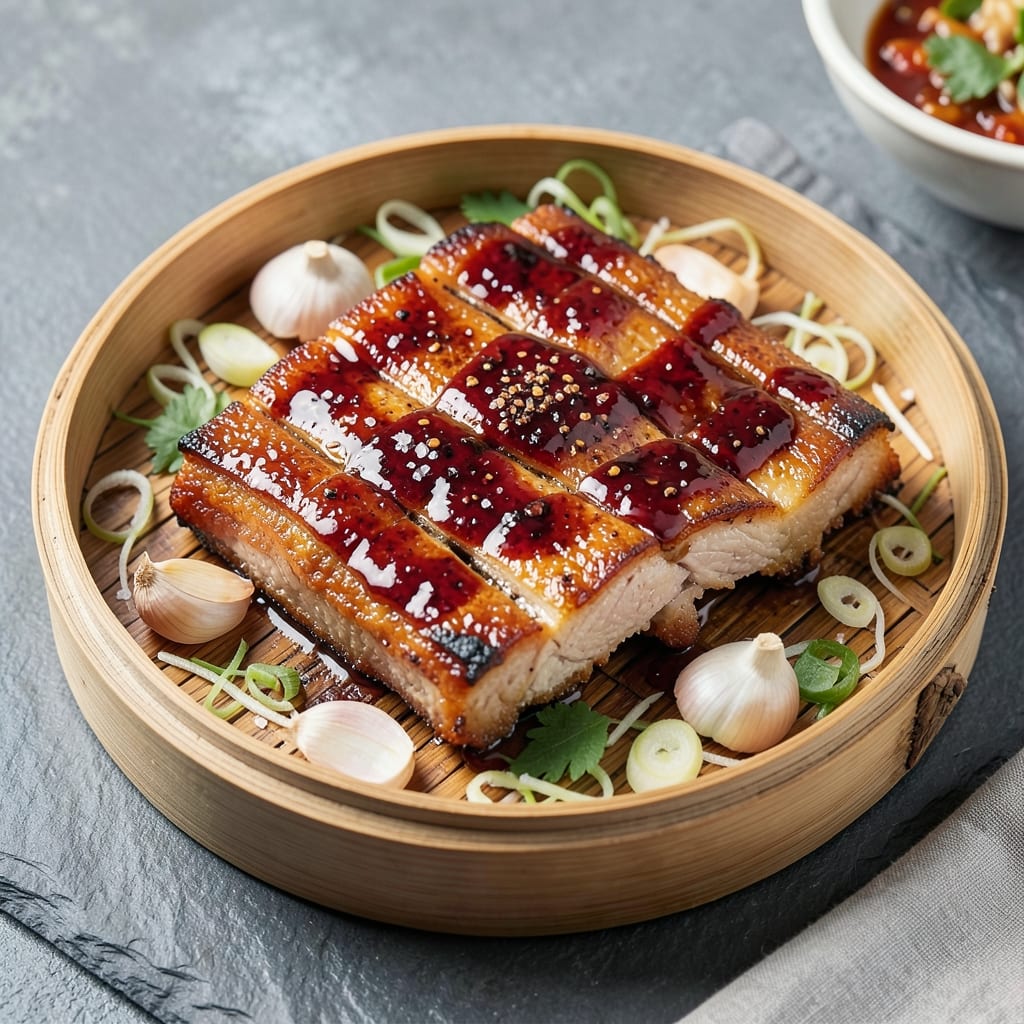
This Chinese fried pork belly recipe delivers the ultimate contrast: crispy, caramelized bark that shatters at every bite and silky pink meat so tender it melts in your mouth. The secret lies in a two-stage frying process—first rendering the fat slowly, then blistering the skin to golden perfection. I've perfected this technique after years of testing, ensuring every bite achieves that restaurant-quality balance of sweet, savory, and umami.
The marinade is where the magic begins: a blend of soy sauce, five-spice powder, and a touch of brown sugar that infuses the pork belly with deep, aromatic flavors while keeping the meat moist. Cantonese-style versions lean toward crispy skin and subtle seasoning, while Sichuan-inspired versions might include chili oil or fermented black beans for extra complexity. The key is patience—don't rush the frying, or you'll lose that delicate contrast between the exterior and interior.
By the time you plate it, you'll have a dish that looks as impressive as it tastes: golden, crackling pork belly with a glossy sheen, served alongside fragrant jasmine rice or quick-pickled vegetables to cut through the richness. The aroma alone—smoky, sweet, and slightly charred—will have everyone at the table asking for seconds. This isn't just a side dish; it's the star of the meal.
For best results, let the pork belly rest before slicing—this ensures clean, even cuts that showcase the crispy bark and tender meat in every bite. Pair it with a simple cucumber salad or steamed greens to balance the plate. Once you master this technique, you'll never buy pre-cut pork belly again.
Ingredients for fried pork belly recipe chinese
Fourteen ingredients to transform ordinary pork belly into restaurant-quality crispy magic.
| Ingredient | Amount | Notes |
|---|---|---|
| Pork Belly 🥓 | 2 lb | Skin-on, thick-cut preferred |
| Light Soy Sauce 🍶 | ½ cup | High-quality, low-sodium preferred |
| Five-Spice Powder 🌶️ | 1 ½ tbsp | Authentic Chinese blend |
| Brown Sugar 🍯 | ¼ cup | Packed, light or dark |
| Garlic Cloves 🧄 | 6 cloves | Minced, fresh preferred |
| Ginger Root 🌿 | 1 tbsp | Fresh, grated |
| Sesame Oil 🫒 | 1 tbsp | Toasted, for aroma |
| Neutral Oil 🫒 | ½ cup | Vegetable or peanut oil |
| Cornstarch 🌾 | ¼ cup | For crispy coating |
| Jasmine Rice 🍚 | 1 ½ cups | Uncooked, for serving |
| Green Onions 🧅 | 4 whole | Thinly sliced, for garnish |
| Salt 🧂 | 1 tsp | Kosher or sea salt |
| Black Pepper 🌶️ | ½ tsp | Freshly ground |
| Red Chili Flakes 🔥 | ½ tsp | Optional, for heat |
The pork belly is non-negotiable—skin-on, thick-cut pieces are essential for that coveted crackling bark. Whole Foods or Asian markets carry the best cuts, often labeled 'pork belly slabs.' Look for good marbling, as this fat renders beautifully during the slow cook. If you can't find thick-cut, ask the butcher to trim it to about 1-inch thickness. The skin should be intact and unbroken, as this is where the crispy magic happens. For extra insurance, score the skin in a crosshatch pattern before frying—this helps the cornstarch adhere better and creates those dramatic crackling layers.
No five-spice powder? Mix 1 tsp cinnamon, 1 tsp fennel seeds, 1 tsp star anise, 1 tsp cloves, and 0.5 tsp black pepper for a DIY version. The soy sauce matters—Lee Kum Kee or Kikkoman are reliable, but avoid the ultra-low-sodium versions unless you want to adjust seasoning later. Fresh ginger and garlic are ideal, but if you're in a pinch, dried ginger at half the amount works. The sesame oil is purely for aroma—don't overdo it, or it'll taste bitter. For the oil, peanut oil has a higher smoke point than vegetable oil, making it ideal for deep-frying. If you're feeling adventurous, swap the brown sugar for rock sugar or palm sugar for a more authentic Cantonese touch.
Marinated pork belly keeps for 3 days in the fridge, but the magic happens fresh. The rendered fat is pure gold—freeze it in ice cube trays for future stir-fries or roasts. Leftover fried pork belly? Slice thinly and serve cold in rice bowls the next day, or crisp it up again in the oven at 400°F for 10 minutes. The cornstarch coating loses crispiness after 2 hours, so eat it fresh or reheat in a dry skillet. Store cooked portions in an airtight container with a paper towel underneath to absorb excess moisture—keeps for 4 days in the fridge. For long-term storage, freeze sliced portions for up to 3 months. Trust me, you'll want leftovers.
Why You'll Love This Recipe
- One-Pan Magic: I swear by this recipe when I’m too tired to scrub pots—just the pork belly, a sheet pan, and 20 minutes later, you’ve got golden, crackling slices. The five-spice powder does all the work while you’re chopping garlic, and honestly? That’s my kind of cooking.
- Crispy-Creamy Obsession: The contrast is what makes this dish ridiculously good—crispy edges from the fryer, then that melt-in-your-mouth fat when you cut in. Toss in a splash of light soy and brown sugar, and suddenly you’re eating something that tastes like a dim sum dream.
- Budget Booster for Special Nights: Pork belly might sound fancy, but it’s my secret weapon for making weeknights feel special without breaking the bank. A few slices go a long way, and that five-spice powder? A tiny jar lasts forever. Suddenly, you’re serving restaurant-quality food for half the price.
Step-by-step instructions for Chinese fried pork belly
Here's how to transform tough pork belly into irresistible crispy bark with tender pink meat inside.
Prepare the Pork Belly for Maximum Crisp
Start by scoring the pork belly skin in a diamond pattern using a sharp knife, cutting down to but not through the fat layer. This creates more surface area for crisping. Rinse the belly under cold water and pat completely dry with paper towels—moisture is your enemy when chasing that perfect bark.
In a large bowl, combine the 0.5 cup light soy sauce, 0.25 cup packed brown sugar, 1.5 tablespoons five-spice powder, 1 teaspoon salt, and 0.5 teaspoon black pepper. Mix until the sugar dissolves completely. This marinade will infuse flavor deep into the meat while helping to tenderize it. Place the pork belly in the bowl, turning to coat all sides, then refrigerate uncovered for at least 4 hours or overnight—this drying step is crucial for crispiness.
Create the Crispy Cornstarch Coating
In a separate bowl, whisk together the 0.25 cup cornstarch, 1 tablespoon toasted sesame oil, and 0.5 teaspoon red chili flakes (if using). This coating will form the ultra-crispy exterior we're after. Remove the pork belly from the marinade and let any excess drip off—wet cornstarch won't crisp properly.
Working in batches if needed, press the pork belly into the cornstarch mixture, coating it thoroughly on all sides. The cornstarch should adhere firmly—this is what creates that satisfying crunch. Let the coated pork belly rest at room temperature for 30 minutes before frying. This resting period allows the coating to set and prevents it from falling off during cooking.
Fry to Golden Perfection in Stages
Heat 0.5 cup neutral oil in a large, heavy-bottomed skillet over medium heat until it reaches 325°F (use a thermometer for accuracy). The oil should be shimmering but not smoking. Carefully add the pork belly and fry for 15-20 minutes, turning occasionally, until the skin is deep golden brown and the internal temperature reaches 160°F.
Here's the secret: don't rush this first fry. You're not just cooking the meat—you're rendering the fat and building that foundational crisp. When the pork belly reaches 160°F, remove it from the skillet and let it rest for 10 minutes. This resting period allows the juices to redistribute, ensuring tender meat when you finish cooking.
Finish with a High-Heat Sear
Increase the heat to high and add the 6 minced garlic cloves and 1 tablespoon grated ginger root to the same skillet. Let them sizzle for 30 seconds until fragrant—their aroma will infuse into the pork belly during the final cooking stage.
Return the pork belly to the skillet and increase the heat to its highest setting. Sear for 2-3 minutes per side until the skin is deep mahogany brown and crackling loudly. The high heat creates that irresistible crunch while keeping the inside silky tender. The pork belly is done when the internal temperature reaches 180°F—this ensures the fat is fully rendered and the meat is perfectly tender.
Serve with Jasmine Rice and Garnish
Transfer the fried pork belly to a cutting board and let it rest for 5 minutes before slicing. While it rests, cook the 1.5 cups jasmine rice according to package instructions—fluffy rice is essential for soaking up the rendered pork fat and juices.
Slice the pork belly into ½-inch thick pieces and arrange on a platter. Garnish with the 4 thinly sliced green onions and drizzle any remaining rendered fat from the skillet over the top. Serve immediately with the jasmine rice and extra soy sauce for dipping. The contrast of crispy skin, tender meat, and fragrant rice makes every bite unforgettable.
Pro Tips For Making Fried Pork Belly Recipe Chinese
- CRISP IT IN STAGES: Start with a screaming-hot wok or pan—you want that pork belly to sizzle like a firecracker on contact. After the first sear (3-4 minutes), pull it out, reduce heat to medium-low, and finish cooking uncovered. I learned this the hard way: rushing the low-and-slow part leaves you with greasy, undercrisped pork instead of that coveted caramelized crust.
- SCORE THE BELLY FIRST: Use a sharp knife to cut a diamond or crisscross pattern (about ½-inch deep) on the fatty side before frying. This lets the fat render out evenly and gives the five-spice powder something to cling to. My grandmother swore by this, and she was right: the flavor penetrates deeper, and the texture stays tender.
- SWEAT THE GARLIC: Don’t just toss minced garlic into the pan—sauté it in the pork fat for 30 seconds until it’s fragrant but not browned. Burnt garlic turns bitter and overpowers the dish. (Yes, even if you’re impatient like me.) This step makes a real difference in balancing the sweetness of the brown sugar and light soy sauce.
- SAVE THE GREASE: After the first sear, pour off most of the rendered fat (leave about 1 tablespoon) before adding your garlic and five-spice powder. The remaining fat will help build flavor, but too much makes the sauce greasy. I skip this when I’m lazy, but the dish is noticeably better when I don’t—especially with the brown sugar caramelizing properly.
Troubleshooting great fried pork belly recipe chinese
Skin Not Crispy?
If your pork belly skin turns out soft instead of crackling, you likely didn't dry it properly or rush the frying process. Pat the belly thoroughly with paper towels after scoring, and let it air-dry uncovered in the fridge for at least 4 hours. For extra insurance, sprinkle 1 tablespoon cornstarch directly on the skin before the first fry—this creates a second crispy layer. Also, maintain oil temperature at 325°F during the initial fry; lower temps mean soggy skin. 🌡️
Fat Rendering Too Slow
Pork belly fat renders at its own pace, but if it feels stuck, increase the oil temperature to 350°F for the first 10 minutes of cooking. Use a deep, heavy skillet (like a cast iron) to prevent oil spattering. If the fat isn't releasing, the belly might be too thick—trim it to ½-inch thickness before frying. Never crowd the pan; cook in batches if needed. The goal is to render 80% of the fat before the final sear. ⏱️
Meat Too Tough
Overcooking is the #1 cause of tough pork belly. Once the internal temperature hits 160°F during the first fry, remove it immediately and rest for 10 minutes. The final sear should only take 2-3 minutes per side—any longer risks drying out the meat. For extra tenderness, marinate the belly for 24 hours instead of just 4, and use rock sugar in the marinade (it breaks down collagen faster than brown sugar). 💡
Cornstarch Falling Off
If your cornstarch coating peels away during frying, the pork belly wasn't dry enough or rested too long before cooking. After coating, let it sit at room temperature for exactly 30 minutes—no longer. For a sturdier crust, mix 2 tablespoons cornstarch with 1 tablespoon all-purpose flour in the coating. Press the mixture firmly onto the belly using your hands or a spatula. Avoid flipping too soon; the coating needs time to set during the initial fry. 🍚
Uneven Cooking
Thick or uneven pieces cause inconsistent doneness. Before frying, trim the pork belly to uniform ½-inch thickness using a sharp knife. If one side cooks faster, flip it more frequently during the first fry. For extra insurance, use a meat thermometer to check the thickest part—it should reach 160°F before the final sear. If your skillet isn't hot enough, the outer layers will crisp before the center cooks through. 🌡️
Soy Sauce Too Salty
If the finished pork belly tastes overwhelmingly salty, your soy sauce choice or marinade time might be to blame. Use low-sodium soy sauce and reduce the amount to ¼ cup if needed. For extra depth without salt, add 1 tablespoon fish sauce to the marinade. Taste the marinade before applying—it should be balanced, not briny. If the belly still tastes salty after cooking, serve it with extra jasmine rice or pickled vegetables to dilute the flavor. 🧂
Nutrition facts
Frequently asked questions
Why do I need to score the pork belly skin before frying?
Scoring creates more surface area for the cornstarch to adhere to, resulting in extra crispy layers that shatter with every bite. The crosshatch pattern also helps the skin render fat more evenly while preventing curling during cooking. Think of it as giving your pork belly a built-in crispy lattice!
Can I use frozen pork belly for this recipe?
Fresh is ideal, but if using frozen, thaw it completely in the refrigerator for 24 hours first. Pat it completely dry after thawing—any moisture will prevent proper crisping. For best results, let it sit uncovered in the fridge for 1 hour after drying to evaporate any remaining dampness.
What's the difference between Cantonese and Sichuan-style fried pork belly?
The Cantonese version focuses on crispy skin and tender meat with subtle seasoning (soy, five-spice, sugar), while Sichuan-style adds chili oil, fermented black beans, or Sichuan peppercorns for heat and aroma. Both use the same frying technique, but the Sichuan version gets a spicy finish.
How do I store leftover fried pork belly?
Slice the pork belly and store in an airtight container with a paper towel underneath to absorb moisture. Keeps for 4 days in the fridge. For longer storage, freeze sliced portions for up to 3 months. Reheat in a dry skillet over medium heat for 2-3 minutes per side to restore crispiness.
Can I make this recipe in an air fryer?
An air fryer won't give you the same deep fat-frying results, but you can achieve a lighter crispy skin***. Preheat to 375°F, coat the pork belly with cornstarch, and air fry for 12-15 minutes, flipping halfway. The meat won't be as tender, but the skin will be crispy. For best results, finish with a quick pan sear.