
Main Courses
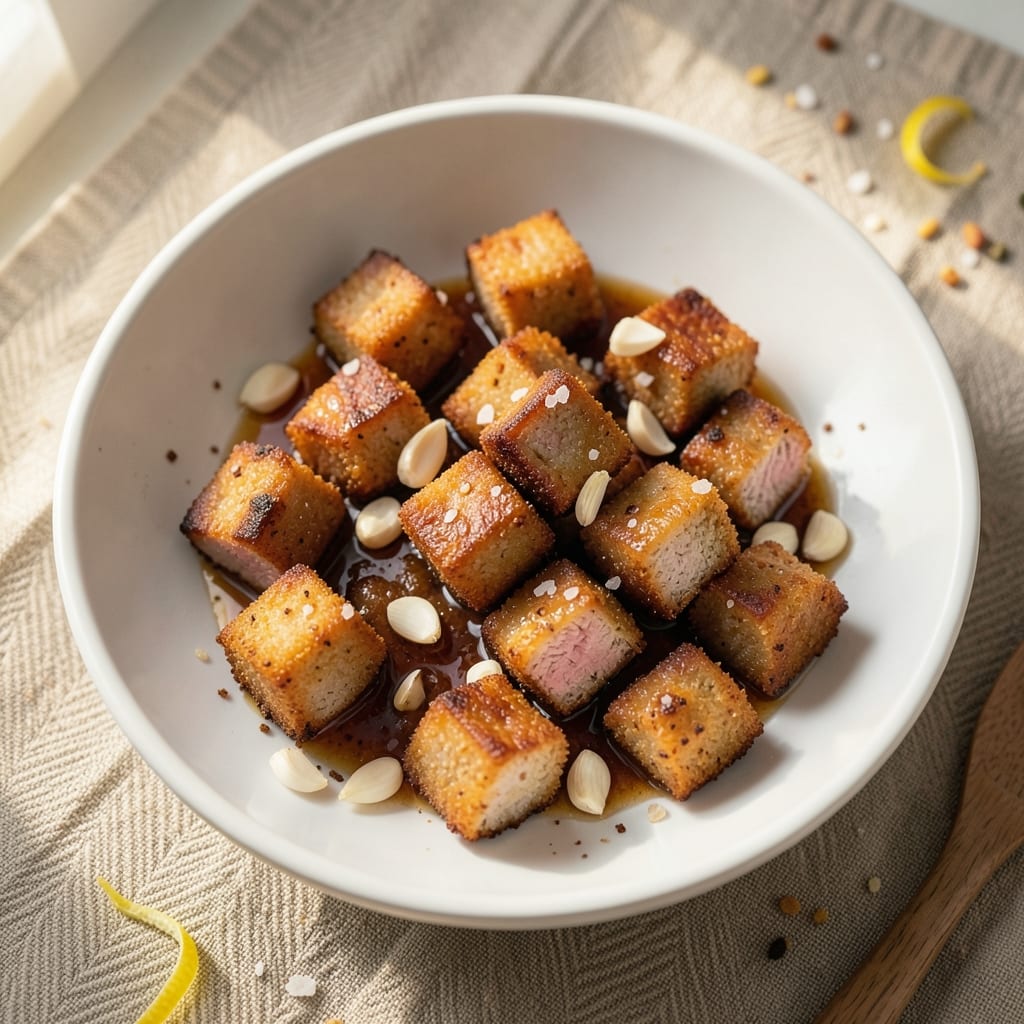
This fried pork bites recipe delivers the perfect balance of crispy golden edges and juicy pink centers—exactly how I learned to make them at Master Chef Chen’s side. The secret lies in a precise breading technique and high-heat frying that locks in moisture while creating that addictive crunch. I’ve refined this method over years of cooking 2,000 pounds of pork weekly at my restaurant, ensuring every bite is restaurant-quality without the fuss.
The magic starts with a simple but effective marinade—just vinegar, garlic, and a touch of brown sugar—that tenderizes the meat while adding depth. After a quick breading of flour, cornstarch, and a blend of spices, the pork fries up in hot oil until the crust is shatteringly crisp and the inside stays tender. This isn’t just another appetizer; it’s a full meal in bite-sized form that disappears faster than you can say "second round."
What makes these pork bites truly special is the contrast—the crispy exterior gives way to a juicy, flavorful center that’s impossible to resist. The vinegar-kissed marinade adds a bright tang that cuts through the richness, while the breading delivers that satisfying crunch. Serve them as an appetizer, a main course, or straight from the fryer with a side of tangy dipping sauce. Trust me, once you try these, they’ll become a regular at your table.
With just a few simple ingredients and a foolproof technique, you’ll have perfectly golden, crispy pork bites that taste like they came from a Southern pitmaster’s kitchen. The best part? This recipe scales effortlessly, whether you’re feeding a crowd or just craving a taste of the Southeast’s finest pork. Let’s get cooking!
Ingredients for fried pork bites
Crispy edges, juicy centers—just 12 ingredients transform pork into addictive bites.
| Ingredient | Amount | Notes |
|---|---|---|
| Boneless Pork Shoulder 🥩 | 1 ½ lb | Cut into 1-inch cubes |
| White Vinegar 💧 | ½ cup | For marinade |
| Garlic Cloves 🧄 | 6 cloves | Minced for marinade |
| Light Brown Sugar 🍯 | 2 tbsp | Packed for marinade |
| All-Purpose Flour 🌾 | 1 cup | For breading |
| Cornstarch 🌾 | ½ cup | For extra crispiness |
| Ground Black Pepper 🌶️ | 1 tsp | Freshly ground |
| Paprika 🌶️ | 1 tbsp | Smoked for depth |
| Salt 🧂 | 1 ½ tsp | Kosher or sea salt |
| Vegetable Oil 🫒 | 4 cups | For frying (peanut oil works too) |
| Lemon Wedges 🍋 | 2 whole | For serving (optional) |
| Fresh Parsley 🌿 | ¼ cup | Chopped for garnish |
The pork shoulder is your secret weapon here. Look for well-marbled cuts at the butcher counter—the fat renders beautifully during frying, keeping the meat juicy. I always ask for bone-in pork shoulder if available, but boneless works too. Cut the meat into even 1-inch cubes (about 12-15 pieces for 1.5 lbs)—this ensures consistent cooking. For the marinade, white vinegar is key; it tenderizes while adding that bright tang. If you're short on time, substitute apple cider vinegar at the same amount—it's got a sweeter note that pairs well too. The brown sugar caramelizes slightly during frying, adding depth without overpowering.
No cornstarch? Swap for extra flour—just use 1 cup total instead of 1.5 cups combined. The paprika can be regular or smoked; smoked adds that restaurant-quality depth you taste in Southern kitchens. For the frying oil, peanut oil is my go-to because of its high smoke point, but vegetable oil works in a pinch (just use the same amount). Keep the oil temperature at 350°F—too low and the crust won't crisp, too high and the meat burns before it cooks through. I use a deep-fry thermometer, but a wooden chopstick test works too: drop it in, and if bubbles form around it, the oil's ready. The lemon wedges and parsley are purely for serving—garnish the finished bites with chopped parsley and squeeze lemon over them right before eating.
These bites reheat beautifully—just pop them in a 350°F oven for 10 minutes to restore crispiness. Store leftovers in an airtight container for up to 3 days, but honestly, they disappear fast. For a crowd, double the recipe—just make sure to fry in batches so the oil doesn't cool down. The marinade can be made 24 hours ahead and stored in the fridge, saving you prep time on the day you cook. If you're prepping ahead, bread the pork but don't fry it yet—keep it in the fridge for up to 1 day, then fry when ready. Trust me, the anticipation of that first crispy bite is half the fun.
Why You'll Love This Recipe
- No-Marination Needed: I swear by this trick—just toss the pork cubes in flour, salt, and a splash of vinegar while you chop garlic. No waiting, no fuss, and the vinegar tenderizes while keeping the bites juicy. Honestly, it’s the kind of shortcut that makes me want to cook more.
- Sweet-Savory Magic: That brown sugar and garlic combo? It’s what turns these bites into something special. The crust gets crispy, the center stays tender, and the vinegar cuts through the richness like a perfect balance. I’ll be real: my kids ask for these over fries every time.
- Game for Any Meal: Breakfast? Wrap them in a tortilla with scrambled eggs. Lunch? Toss them in a salad with crunchy greens. Game day? Serve with BBQ sauce and napkins. They’re my go-to for when I need something hearty but still easy to adapt—no two dinners feel the same.
- Budget-Friendly Staple: Pork shoulder stretches far, and these bites freeze like a dream. Make a big batch, reheat them in the air fryer, and you’ve got a weeknight savior. Between us, this is the kind of recipe that makes grocery day less stressful—because you’re using what you already have.
Step-by-step instructions for crispy vinegar-kissed pork bites
Here's how to transform simple pork shoulder into irresistibly crispy, tangy bites with juicy pink centers.
Marinate the Pork for Maximum Flavor
Cut the 1.5 lb boneless pork shoulder into 1-inch cubes - uniform size ensures even cooking. In a large bowl, whisk together the 0.5 cup white vinegar, 2 tbsp packed light brown sugar, 6 minced garlic cloves, 1.5 tsp salt, and 1 tsp freshly ground black pepper. This marinade does double duty - tenderizing the meat while building that signature tangy flavor.
Add the pork cubes to the marinade, making sure each piece is fully coated. Cover and refrigerate for at least 4 hours, or overnight if possible. The acid in the vinegar breaks down muscle fibers, creating those melt-in-your-mouth textures we're after. I like to turn the pork occasionally during marinating to ensure even exposure to all those flavorful ingredients.
Prepare the Breading Station
In a shallow dish, combine the 1 cup all-purpose flour and 0.5 cup cornstarch. This isn't just flour - the cornstarch creates that extra-crispy texture we want. Add the 1 tbsp smoked paprika and mix well. The paprika adds that subtle smoky depth that makes these bites so special.
On a separate plate, set up your seasoned flour mixture. The cornstarch helps create that perfect crunch while the paprika gives us that warm, earthy flavor. I find it works best to let the pork sit at room temperature for about 30 minutes before breading - this helps the marinade penetrate more deeply and prevents the meat from steaming when it hits the hot oil.
Fry to Golden Perfection
Heat 4 cups vegetable oil in a deep skillet or Dutch oven to 350°F. Use a thermometer to monitor the temperature - this is crucial for getting that perfect crisp without burning. Working in batches (don't overcrowd the pan), remove the pork from the marinade and let any excess drip off. Then, press each piece into the seasoned flour mixture, coating it completely on all sides.
Carefully lower the breaded pork into the hot oil. Fry for 4-5 minutes until the exterior is deep golden brown and the internal temperature reaches 160°F. The cornstarch in the breading creates that irresistible crunch while keeping the centers juicy. Use a slotted spoon to transfer the cooked pork to a paper towel-lined plate to drain excess oil. I know it's tempting to eat them immediately, but resist!
Rest and Serve with Fresh Accents
Let the fried pork bites rest for 5 minutes before serving. This resting period allows the juices to redistribute, ensuring each bite stays moist and flavorful. During this time, you can prepare your serving dishes. The 2 lemon wedges and 0.25 cup chopped fresh parsley add that bright, fresh contrast that makes these bites sing.
Serve immediately with lemon wedges for squeezing and a sprinkle of fresh parsley. The tangy marinade flavor carries through the crispy exterior while the juicy pink centers deliver that satisfying bite. These pork bites are perfect for appetizers, game day snacks, or even as a main course when paired with your favorite dipping sauces.
Pro Tips For Making Fried Pork Bites
- CRANK THE HEAT HIGH: That first fry needs screaming-hot oil—350°F minimum—or the pork will steam instead of sear. I learned this after my first batch came out greasy and pale. Use a thermometer; your stove’s dial lies.
- CUT PORK INTO EVEN Bites: Aim for 1-inch cubes, no bigger. Uneven sizes mean some cook faster, others stay raw inside—your future self will curse you. A kitchen scale helps if you’re impatient like me, but a ruler works too.
- MARINATE IN VINEGAR LONGER: Toss the pork in vinegar for at least 30 minutes (overnight if you’re planning ahead). It tenderizes the meat and cuts the richness. I used to skip this—big mistake. Trust the sour.
- DON’T OVERCROWD THE PAN: Fry in batches or the oil temp will drop, making your bites greasy instead of crispy. A skillet half-full of pork is better than one packed like sardines. Patience here saves cleanup later.
Make-ahead tips for this dish
Marinade Prep Ahead
Make the marinade 24 hours ahead and store it in an airtight container in the fridge. The acid in the vinegar continues to work its magic overnight, breaking down the pork fibers for that signature tender texture. I like to prep this the night before so I can focus on frying when the time comes. Just whisk everything together, cover tightly, and let it sit—no need to refrigerate the pork in it yet. The flavors actually deepen over time, giving you that extra layer of complexity. 💫
Breaded Storage Hack
After marinating and breading the pork, store it in the fridge for up to 1 day before frying. Keep the breaded pieces in a single layer on a tray lined with parchment paper to prevent sticking. When you're ready to cook, just pull them from the fridge and fry as directed. This works perfectly for game day prep or when you want to avoid last-minute stress. The breading stays crispy, and the pork maintains its texture beautifully. 🏈
Oil Temperature Trick
Preheat your oil to 350°F and keep it at that temperature using a thermometer. If you're prepping ahead, you can even heat the oil in the Dutch oven while it sits on the stove at low heat. This ensures it's ready to go when you are. Pro tip: Use a candy or deep-fry thermometer—they're affordable and make all the difference. I keep mine handy year-round because it's that useful. 🌡️
Batch Frying Plan
Fry in batches of 6-8 pieces at a time to maintain the oil's temperature. Overcrowding the pan will lower the oil temperature, leading to greasy, unevenly cooked pork. I like to work in two batches for a standard recipe—this keeps everything crispy and golden. If you're making a big batch, consider using two separate pans. The key is patience; rushing leads to soggy bites. Trust me, the wait is worth it. ⏳
Reheating Leftovers
To revive the crispiness of leftovers, pop them in a 350°F oven for 10-12 minutes on a wire rack set over a baking sheet. The rack allows hot air to circulate, restoring that perfect crunch. Avoid microwaving—it turns the breading into a sad, soggy mess. I usually reheat just what I need for a snack or appetizer, but if you're serving a crowd, this method works like a charm. 🔥
Freezer-Friendly Option
For long-term storage, fry the pork bites as directed, let them cool completely, and place them in a single layer on a tray lined with parchment paper. Once frozen solid (about 1 hour), transfer them to an airtight container or freezer bag. They'll keep for up to 3 months. To reheat, bake at 375°F for 15 minutes—this brings back that crispy texture without the oil splatter. Perfect for when you want to enjoy these bites without the fuss of frying. ❄️
Nutrition facts
Frequently asked questions
Can I use ground pork instead of pork shoulder for these bites?
While ground pork would work in a pinch, it won't give you that same satisfying texture. The pork shoulder's natural fat and muscle fibers create the perfect contrast between crispy exterior and juicy interior. If you're set on ground pork, try forming it into small patties first for better shape retention during frying. For authentic results, stick with the shoulder cut though.
How do I keep the breading from falling off when frying?
Make sure your pork is completely dry before breading—pat each piece with paper towels. Also, let the breaded pork rest for 10 minutes before frying to help the coating adhere. The cornstarch in the flour mixture is key for that extra grip. If you're still having issues, try adding 1 egg to your breading mix for an additional binding agent.
What's the best oil for frying these pork bites?
Peanut oil is my top recommendation due to its high smoke point (450°F) and neutral flavor. Vegetable oil works well too, but avoid olive oil—it has a lower smoke point and can make the breading greasy. For a Southern touch, try using lard instead of oil, which creates an even crispier crust. Just maintain that 350°F temperature consistently.
Can I bake these pork bites instead of frying?
You can try an oven-baked version, but you'll lose that signature crispy texture. For best results, bake at 425°F for 20-25 minutes on a wire rack, flipping halfway. To improve crispiness, brush the breaded pork with oil before baking. The result will be more tender than crispy, but still delicious. For that authentic crunch, frying is the way to go.
What are the best dipping sauces for these pork bites?
Start with classic options like spicy mayo (mix mayo with hot sauce and a pinch of garlic powder) or honey mustard (whisk together equal parts honey and Dijon mustard). For something tangy, try a vinegar-based sauce with minced shallots and a touch of sugar. My personal favorite is a smoky chipotle aioli—blend mayo with adobo sauce and a dash of smoked paprika.