
Main Courses
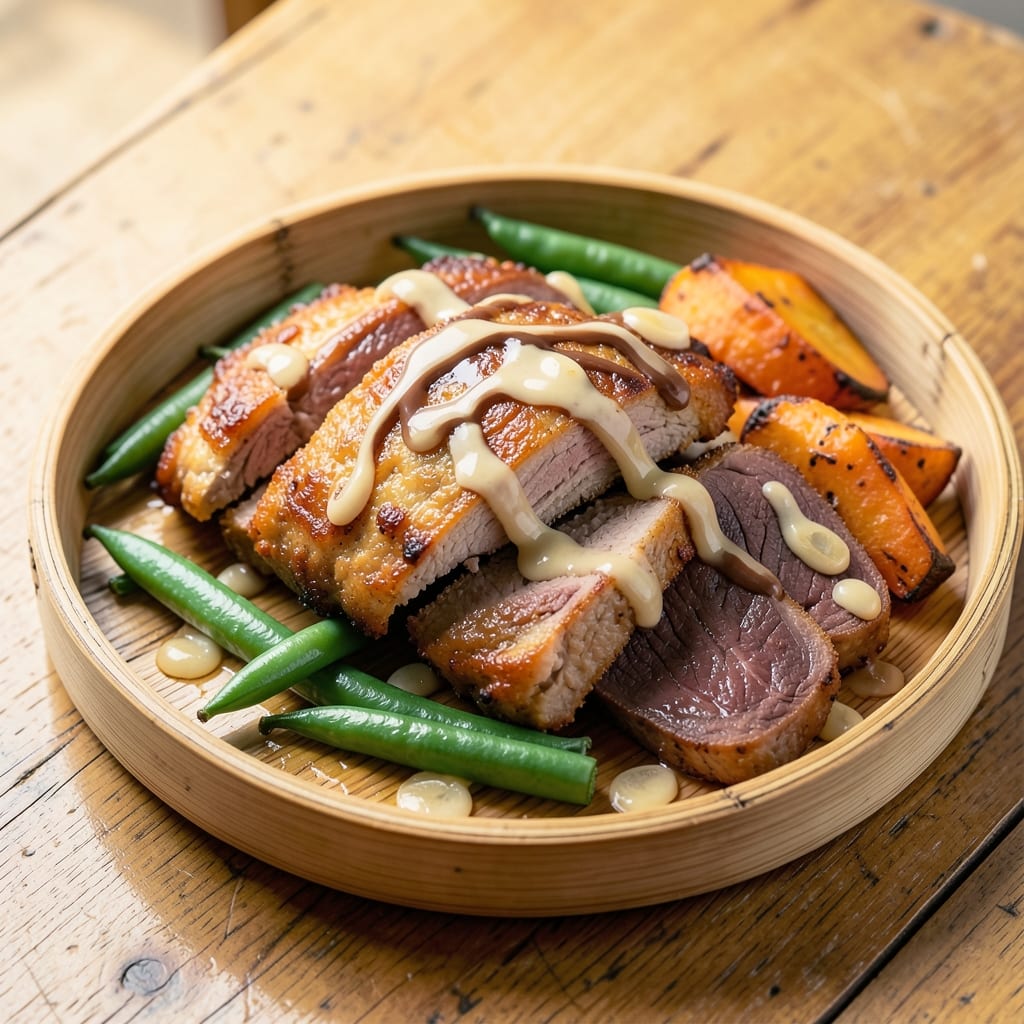
This fried pork kare kare recipe brings the rich, comforting flavors of Filipino comfort food to your table with crispy fried pork and a velvety peanut stew. 💛 I first encountered this dish in Manila, where it's a staple at family gatherings—deep, nutty, and packed with tender vegetables. The secret lies in frying the pork until golden and crispy, then simmering it in a rich peanut sauce with traditional ingredients like ox heart and string beans.
The beauty of kare kare is in its layers of texture and flavor—crispy pork, tender vegetables, and a silky peanut sauce that ties everything together. This recipe stays true to its roots while being approachable for home cooks, with step-by-step instructions for frying the pork and preparing the sauce. The key is patience in simmering the vegetables and balancing the peanut sauce for that perfect sweet-and-savory depth.
By the time you serve this dish with steamed rice and a side of bagoong (shrimp paste), you'll have a meal that feels like a warm embrace. The crispy edges of the fried pork contrast beautifully with the soft, rich stew, while the shrimp paste adds a briny, umami kick. It's a dish that tells a story—one of family, tradition, and the simple joy of a well-made meal.
Perfect for special occasions or when you want to bring a taste of the Philippines to your dinner table. Let's get cooking!
Ingredients for fried pork kare kare
Six pork cuts, three vegetables, and a peanut sauce that’ll make your kitchen smell like Manila.
| Ingredient | Amount | Notes |
|---|---|---|
| Pork Shoulder 🍖 | 3 lb | Cut into 2-inch cubes |
| Peanut Butter 🥜 | 1 ½ cups | Natural, unsweetened preferred |
| Coconut Milk 🥥 | 1 can (13.5 oz) | Full-fat for richness |
| Ox Heart 🥩 | 1 ½ lb | Substitute beef short ribs if unavailable |
| String Beans 🌱 | 2 cups | Trimmed and cut into 2-inch pieces |
| Sweet Potatoes 🍠 | 2 medium | Peeled and cubed (about 1.5 cups) |
| Eggplant 🍆 | 1 whole | Cut into 1-inch cubes |
| Bamboo Shoots 🌿 | 1 can (14 oz) | Drained and rinsed |
| Garlic Cloves 🧄 | 6 cloves | Minced for sauce |
| Onion 🧅 | 1 whole | Large, sliced |
| Tomato Paste 🍅 | 2 tbsp | For depth of flavor |
| Sugar 🍚 | 2 tbsp | Balances peanut sauce |
| Salt 🧂 | 1 ½ tsp | Adjust to taste |
| Black Pepper 🌶️ | ½ tsp | Freshly ground |
| Bagoong (Shrimp Paste) 🦐 | 1 tbsp | For serving, optional |
The pork shoulder is non-negotiable here—it needs to be well-marbled for that crispy exterior and tender interior. Ask your butcher for a piece with good fat distribution, or grab one from Costco or Whole Foods if you're unsure. Ox heart can be tricky to find, but beef short ribs make a great substitute—just trim off any excess fat. For the vegetables, Asian markets often have the best selection of string beans and bamboo shoots. If you can't find them, regular green beans and water chestnuts work in a pinch. The sweet potatoes should be firm and bright orange—no green spots.
No peanut butter? Peanut powder mixed with oil works, or even a smooth peanut sauce from a jar (though homemade tastes better). Running short on coconut milk? Full-fat coconut cream is richer, but regular coconut milk still gives that creamy texture. The tomato paste can be swapped for 1 cup crushed tomatoes, though it won’t be as concentrated. For the bagoong, shrimp paste from Filipino markets is ideal, but anchovy paste at half the amount gives a similar umami punch. If you’re avoiding shrimp paste entirely, a dash of fish sauce or even soy sauce can add depth.
The fried pork keeps best in the fridge for 3 days, but the sauce reheats beautifully—even better the next day as flavors meld. Store the sauce separately in an airtight container to prevent sogginess. For a quick meal, double the sauce and freeze half in ice cube trays—perfect for future kare kare nights. The vegetables should be prepped and stored in the fridge for up to 2 days, but the pork and sauce are the stars here—prioritize those.
Why You'll Love This Recipe
- One-Pot Magic: I swear by this recipe when I’m too tired to dirty multiple pans. The pork shoulder and ox heart simmer together in the same pot where the peanut butter and coconut milk blend into a rich, velvety sauce—no extra bowls needed. (Yes, even on a Tuesday night.)
- Rich, Crunchy, Creamy: That first bite? Crispy pork meets a sauce so thick and nutty from the peanut butter, then cut by the cool, smooth coconut milk. The string beans add a fresh snap—it’s like a hug in a bowl, but way more satisfying.
- Leftover Goldmine: Honestly, I make this on purpose just for leftovers. The flavors deepen overnight, and reheating it turns the pork even more tender. Pack it for lunch or freeze portions—it’s my go-to for lazy days when I don’t want to cook twice.
- Budget Feast: Between us, ox heart might sound fancy, but it’s actually cheaper than chicken in many markets. Pork shoulder stretches far, and peanut butter and coconut milk are pantry staples. Feed a crowd for less than takeout, and everyone leaves happy.
Step-by-step instructions for crispy pork kare kare
Here's how to achieve that perfect balance of crunchy pork and velvety peanut sauce.
🔥 Step 1: Deep-Fry the Pork Shoulder for Maximum Crisp
Cut the 3 lb pork shoulder into 2-inch cubes as specified. Heat 2-3 inches of vegetable oil in a deep pot to 350°F—test with a wooden chopstick that bubbles immediately when submerged. Working in batches (don't crowd the pot), fry the pork cubes for 8-10 minutes until golden brown and internal temperature reaches 160°F. You'll know it's ready when the edges are crispy and the meat releases easily from the oil.
Here's the thing—draining properly is crucial. Transfer fried pork to a wire rack set over a baking sheet (not paper towels) to allow excess oil to drip away. This keeps the pork crispy while preventing sogginess when assembling. If the oil gets too dark, strain it through a fine-mesh sieve and reuse for subsequent batches.
👨🍳 Step 2: Build the Peanut-Coconut Base
In a large Dutch oven, melt 1.5 cups peanut butter over medium heat until completely smooth. Add 1 can (13.5 oz) coconut milk, stirring constantly to prevent separation. Bring to a gentle simmer for 5 minutes until the mixture thickens slightly but remains silky.
This is where the magic happens: add the 2 tbsp tomato paste, 2 tbsp sugar, 1.5 tsp salt, and 0.5 tsp black pepper. Stir vigorously for 2 minutes until fully incorporated. The sugar helps balance the richness of the peanut butter while the tomato paste adds depth. If the sauce looks too thick, whisk in 2-3 tablespoons of water to reach your desired consistency—it should coat the back of a spoon but still be pourable.
🍳 Step 3: Sauté Aromatics and Prepare Vegetables
In the same pot, add 1 whole onion (sliced) and 6 cloves garlic (minced). Sauté for 3-4 minutes until the onions soften and garlic becomes fragrant. Add 2 cups string beans (trimmed and cut), 2 medium sweet potatoes (peeled and cubed), 1 whole eggplant (cubed), and 1 can (14 oz) bamboo shoots (drained). Stir gently to combine—you're not cooking the vegetables yet, just getting them coated in the sauce.
Add the 1.5 lb ox heart (cut into bite-sized pieces) and return the fried pork to the pot. Here's where it gets fun—the vegetables will absorb the sauce as they cook, creating that perfect balance of flavors in every bite. Let everything simmer gently for 15 minutes, stirring occasionally, until the vegetables begin to soften but still hold their shape.
⏰ Step 4: Simmer to Perfection
Cover the pot and reduce heat to low. Let the kare kare simmer for 20-25 minutes until the vegetables are tender but not mushy. The pork should be fully cooked through with internal temperature reaching 203°F—this ensures it's fork-tender. You'll know it's done when the sauce has thickened slightly and coats all ingredients evenly.
Real talk: don't skip the simmering time. The longer the pork and vegetables cook in the sauce, the more flavor they absorb. If the sauce starts to separate (which can happen with coconut milk), whisk vigorously to re-emulsify. The final texture should be thick but still spoonable, with visible chunks of pork and vegetables throughout.
🍽️ Step 5: Serve with Bagoong and Steamed Rice
Transfer the kare kare to a serving platter. For that authentic touch, serve with 1 tbsp bagoong (shrimp paste) on the side—let each person add as much as they like for that signature umami kick. The crispy pork should contrast beautifully with the silky sauce, while the vegetables add texture and freshness.
Serve immediately with steamed white rice to soak up every last bit of that rich peanut-coconut sauce. The contrast of temperatures—hot kare kare over warm rice—is what makes this dish truly special. And here's my pro tip: save any leftover sauce for quick stir-fries or noodle dishes—it's even more flavorful the next day!
Pro Tips For Making Fried Pork Kare Kare
- SEAR THE PORK FIRST: Don’t skip browning that pork shoulder—high heat for 5-7 minutes until it’s deep golden. I learned this the hard way: skipping this step means your sauce will taste flat, no matter how much peanut butter you add. The crust locks in flavor and caramelizes the meat’s natural sugars, which is half the battle in kare kare.
- USE TWO COCONUT MILKS: Thin coconut milk with water (1:1 ratio) before adding it to the peanut sauce. Full-fat coconut milk can split when heated, turning your sauce greasy instead of velvety. I was skeptical until I tried it—now it’s non-negotiable.
- DON’T BOIL THE OX HEART: Slice the ox heart thin (¼-inch max) and parboil for just 2 minutes—enough to soften, not cook through. Overdoing it makes it rubbery, and you’ll end up drowning it in sauce. Add it last so it absorbs the peanut-coconut mix without turning mushy.
- SALT THE PEANUT BUTTER: Mix ½ teaspoon salt into the peanut butter before blending it into the sauce. Store-bought peanut butter is often bland, and this small step makes a real difference. Skip it, and your dish will taste underseasoned, no matter how much soy sauce you add.
Wine and beer pairings for fried pork kare kare
Filipino White Wine
For this rich, peanut-forward dish, I recommend a crisp Filipino white wine like Petron White Blend or Lambrusco. These wines cut through the peanut sauce's richness while complementing the dish's umami depth. The slight sweetness in these wines balances the kare kare's savory notes beautifully. 🍷
Light Beer Pairings
A Filipino lager like San Miguel Light or Red Horse works perfectly—its light body and subtle maltiness won't overpower the dish. For something more international, try a Belgian witbier (like Hoegaarden) with its citrusy notes to refresh your palate between bites. The effervescence helps cleanse the palate after each rich mouthful.
Creamy Stout Option
If you prefer beer, a Filipino stout such as Singani Stout or Dark Horse adds a malty contrast to the peanut sauce. The dark, roasted flavors stand up to the dish's richness while adding a toasty depth. For a non-Filipino option, Guinness provides a similar balance of creaminess and roastiness.
Non-Alcoholic Choices
For non-drinkers, a ginger beer (like San Miguel Ginger Beer) or yuzu soda offers refreshing acidity that cuts through the richness. I also love serving Filipino iced tea (brewed with lemongrass and pandan) on the side—it's light, floral, and perfectly balanced with the dish's hearty flavors. 💛
Local Market Tips
If you're in the Philippines, grab a bottle of Petron White or Lambrusco from any local liquor store—they're widely available and affordable. For those outside the Philippines, check your nearest Asian grocery store for Filipino wines or beers. If you can't find them, don't stress—a good Sauvignon Blanc or Pilsner will still work in a pinch!
Nutrition facts
Frequently asked questions about Filipino fried pork kare kare
Why does my kare kare sauce get oily or separate?
This happens when coconut milk and peanut butter aren't properly emulsified. Always melt the peanut butter first over medium heat while stirring constantly, then add coconut milk gradually. If separation occurs, whisk vigorously or add 1 tablespoon cornstarch mixed with water to stabilize. The sauce should be velvety, not greasy.
Can I substitute ox heart with something more common?
Yes! Use beef short ribs or beef brisket as they handle the long simmer beautifully. For a non-beef option, chicken thighs (bone-in) work too—just reduce simmering time to 15 minutes after adding. The key is choosing meat with good fat content to mirror ox heart's rich flavor.
How do I keep the fried pork extra crispy?
Drain pork on a wire rack (not paper towels) for 5 minutes after frying. For maximum crunch, reheat fried pork in a 350°F oven for 5-7 minutes before adding to the sauce. Never store fried pork in the sauce—keep them separate until serving to preserve that perfect texture.
What's the best way to store leftovers?
Store the sauce and vegetables separately in airtight containers. Reheat the sauce first, then add vegetables and pork (reheated separately) to avoid sogginess. The sauce actually improves overnight—its flavors meld beautifully. For crispy pork, reheat it in a dry skillet for 2-3 minutes before serving.
Can I make kare kare without peanut butter?
Yes! For a nut-free version, use 1.5 cups smooth peanut powder mixed with ½ cup oil, or substitute with 1 cup peanut sauce from a jar. For a completely different flavor profile, try 1 cup coconut cream plus 1 tbsp peanut oil—it'll be richer but still delicious. The key is maintaining that creamy texture.