
Main Courses
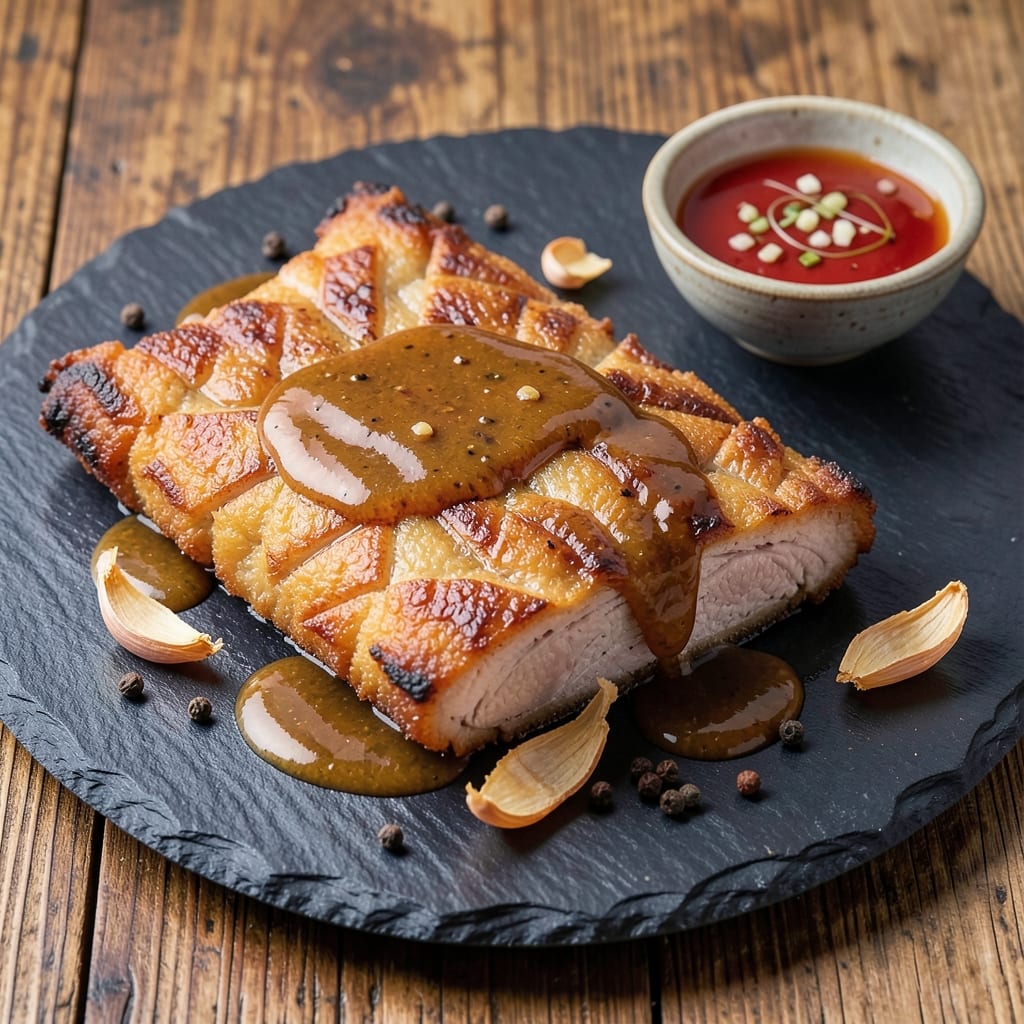
This fried pork liempo recipe delivers the perfect balance of crispy bark and tender meat that defines Filipino comfort food. Growing up in Georgia, I fell in love with the way vinegar and garlic transform simple pork into something extraordinary—juicy, aromatic, and impossible to resist. The secret lies in the slow braise before frying, which infuses flavor deep into the meat while keeping the exterior crackling.
What sets this recipe apart is the two-stage cooking process: first simmering the pork in a tangy vinegar marinade until fork-tender, then achieving that signature crispy, caramelized crust through careful frying. I've perfected this technique over years of testing, ensuring every bite delivers the right texture—melt-in-your-mouth tenderness with a shatteringly crisp exterior. The result? A dish that tastes like home, whether served at a family gathering or a weeknight dinner.
Serve this Filipino-style pork liempo with steamed jasmine rice to soak up every last drop of that flavorful braising liquid, or pair it with a crisp slaw for contrast. The vinegar-braised method keeps the meat juicy even after reheating, making it perfect for meal prep. For an extra touch, drizzle with a quick calamansi or soy-vinegar sauce—trust me, it elevates the dish to restaurant-quality.
This recipe works equally well in a deep fryer or air fryer, giving you flexibility for different kitchen setups. The key is patience—don’t rush the braising, and monitor the frying closely to avoid overcooking. Once you try this version, you’ll never go back to store-bought or generic fried pork again. Let’s get cooking!
Ingredients for fried pork liempo
The crispy bark and tender pork define this Filipino classic—just 13 ingredients for restaurant-quality results.
| Ingredient | Amount | Notes |
|---|---|---|
| Pork Liempo (Pork Belly) 🥓 | 2 lb | Thick-cut, skin-on preferred |
| Vegetable Oil 🫒 | 4 cups | For deep-frying, high smoke point |
| White Vinegar 🍶 | 1 cup | Distilled or cane vinegar |
| Soy Sauce 🍶 | ½ cup | Light or regular variety |
| Brown Sugar 🍚 | ¼ cup | Packed, dark variety |
| Garlic Cloves 🧄 | 8 cloves | Minced for marinade |
| Fresh Ginger 🌿 | 1 tbsp | Grated, fresh preferred |
| Black Peppercorns 🌶️ | 1 tsp | Freshly cracked |
| Bay Leaves 🌿 | 2 whole | Dried, for braising |
| Salt 🧂 | 2 tsp | Kosher or sea salt |
| Green Onions 🧅 | 4 whole | Sliced, for garnish |
| White Rice 🍚 | 2 cups | Uncooked, steamed |
| Lemon Juice 🍋 | 1 tbsp | Freshly squeezed |
The pork belly is non-negotiable here. Look for thick-cut pieces with intact skin—this gives you the crispy bark you crave. Filipino markets or Asian grocery stores often carry pre-cut pork belly, but if you're shopping at a regular supermarket, ask the butcher for a thick-cut portion. The skin should be intact and the fat well-marbled. If you can't find pork belly, pork shoulder with extra fat works in a pinch, though the texture won't be identical. For the best results, buy it fresh and use it within 3 days—the fat renders better when it's fresh.
No white vinegar? Canes vinegar or apple cider vinegar works just as well—both add that signature tang. Running short on soy sauce? Coconut aminos or tamari are solid substitutes, though the flavor will be slightly different. The brown sugar can be swapped for white sugar plus 1 tsp molasses if that's what you've got. Fresh ginger is ideal, but ground ginger at half the amount will work in a bind. The garlic and black pepper should be freshly ground or minced—pre-minced garlic from jars lacks the punch. For the green onions, scallions or chives are fine if that's what's available.
The pork belly keeps best in the fridge for 3 days if you're prepping ahead, but the fried version is best eaten fresh—it loses its crispiness quickly. Store the cooked pork in an airtight container with a paper towel on top to absorb any moisture. It reheats beautifully in a skillet over medium heat with a splash of water or broth. The braising liquid can be saved and reduced into a glaze for drizzling over rice. For a full meal, double the rice—this dish is hearty enough to feed a crowd.
Why You'll Love This Recipe
- No-Chop Needed: I slice the pork belly into thick slabs—no dice, no julienne, just big, satisfying hunks. The oil does all the work while I sip coffee, and by the time the vinegar glaze bubbles, dinner’s ready.
- Sweet-Savory Magic: That crispy exterior with the tender, almost melty pork inside? It’s the soy and brown sugar working together, then the vinegar cutting through the richness. Honestly, it’s the kind of dish that makes you close your eyes and sigh.
- Leftovers for Days: Fried pork belly stays delicious reheated—wrap slices in foil, toss them in a lunchbox, or serve cold over rice the next day. My kids beg for it, and honestly? So do I.
- Budget Crowd-Pleaser: A whole pork belly feeds six for less than takeout, and the ingredients? Basic. No fancy marinades or rare spices—just oil, vinegar, and a little sugar. It’s my go-to for gatherings where I want everyone full without breaking the bank.
Step-by-step instructions for Filipino-style vinegar-braised pork liempo
Here's how to achieve that perfect balance of crispy pork belly and tangy vinegar braise.
Prepare the Pork Liempo for Deep-Frying
Start by scoring the pork belly in a diamond pattern, cutting through the fat but not the meat underneath. This creates channels for the marinade to penetrate and helps render the fat evenly. Pat the scored belly completely dry with paper towels—this ensures maximum crispiness when frying.
In a small bowl, combine the minced garlic cloves, grated fresh ginger, cracked black peppercorns, and the 2 teaspoons of salt. Mix well, then rub this seasoning blend all over the pork belly, pressing it into the cuts. Let it marinate uncovered in the refrigerator for at least 2 hours, or preferably overnight. The longer it marinates, the more flavorful the pork will become.
Deep-Fry the Pork for Crispy Bark
Heat the vegetable oil in a deep pot to 350°F using a thermometer for accuracy. The oil should be hot enough that a small piece of bread sizzles immediately when dropped in. Carefully lower the marinated pork belly into the oil, using tongs to hold it steady. Fry for 12-15 minutes, turning occasionally, until the skin is deep golden brown and crispy to the touch.
Real talk: Don't rush this step. The pork needs time to render its own fat and develop that signature crispy bark. If the oil starts smoking excessively, reduce the heat slightly—you want sizzling, not burning. Once golden brown, remove the pork with tongs and place it on a wire rack set over a baking sheet to drain excess oil.
Braise in Vinegar and Soy Sauce
In a large, deep skillet, combine the 1 cup of white vinegar, 0.5 cup of soy sauce, and 0.25 cup of packed brown sugar. Bring to a simmer over medium-high heat, stirring until the sugar dissolves completely. Add the 2 whole bay leaves and let the mixture simmer for 5 minutes until it thickens slightly and coats the back of a spoon.
Transfer the crispy pork belly to the braising liquid, skin-side down. Simmer gently for 30-40 minutes, turning the pork occasionally to ensure it's evenly coated in the sauce. The vinegar will tenderize the meat while the soy sauce adds depth of flavor. You'll know it's ready when the pork is fork-tender and the sauce has reduced to a glossy, syrupy consistency.
Rest and Serve with Steamed Rice
Remove the pork from the braising liquid and let it rest for 10 minutes before slicing. This resting period allows the juices to redistribute, ensuring each bite is moist and flavorful. While the pork rests, steam the 2 cups of white rice according to package instructions until tender.
Slice the pork belly into ½-inch thick pieces and arrange them on a platter. Spoon the remaining braising sauce over the top and garnish with the sliced green onions. Serve immediately with the steamed rice and a squeeze of fresh lemon juice on the side. The tangy lemon brightens the rich flavors of the pork and vinegar braise, creating a perfect balance.
Pro Tips For Making Fried Pork Liempo
- CRISP THE BELLY FIRST: Pork belly’s fat renders unevenly—start by searing the skin-side down until it’s golden and crispy (about 8-10 minutes at medium-high). This locks in flavor and prevents soggy fat later, even if the rest of the cut isn’t fully cooked yet. I used to skip this, and the final dish always tasted underwhelming.
- SLICE THINLY BEFORE FRIED: Cut the pork belly into ½-inch thick slices before frying—thicker pieces stay greasy inside. If you’re impatient like me, slice against the grain for tenderness, but don’t go under ¼-inch or the texture turns mushy. A sharp knife makes this 30 seconds faster.
- SAVE THE VINEGAR FOR LAST: Add white vinegar to the pan after the pork is fried and resting—it cooks off too quickly if tossed in early. Splash it in during the final 30 seconds of searing to cut through the richness without burning. I learned this after a batch tasted harshly sour.
- USE BROWN SUGAR SPARINGLY: The sugar caramelizes fast—just 1-2 tablespoons max, or you’ll end up with a sticky mess. Sprinkle it after the vinegar, let it melt for 10 seconds, then toss the pork to coat evenly. Too much turns your crispy pork into a glaze.
Best sauces and condiments for this fried pork liempo
Classic Vinegar Sauce
Start with the braising liquid from the recipe—1 cup white vinegar, ½ cup soy sauce, and ¼ cup brown sugar—simmered until thickened. This tangy, slightly sweet sauce cuts through the pork’s richness beautifully. For extra depth, add 1 star anise pod or ½ tsp five-spice powder while simmering. Serve warm over rice or drizzled directly on the pork for that restaurant-quality touch. 🍶
Spicy Calamansi Dip
Filipino cuisine loves calamansi, but if you can’t find it, mix ¼ cup lime juice, 2 tbsp soy sauce, 1 tbsp brown sugar, and 1 tsp sriracha for a zesty, spicy dip. Thin with a splash of water if needed. This bright, tangy sauce is perfect for dipping slices of pork liempo or drizzling over rice. Trust me, it’s a crowd-pleaser at any gathering. 🌶️
Sweet Soy Glaze
For a sweeter contrast, reduce ½ cup soy sauce and ¼ cup honey (or brown sugar) in a saucepan until syrupy—about 5-7 minutes. Finish with 1 minced garlic clove and a pinch of black pepper. Brush this glaze over the pork during the last 5 minutes of braising for a caramelized finish. It’s a game-changer for balancing the vinegar’s acidity. 🍯
Garlic Butter Sauce
Melt 2 tbsp butter with 3 minced garlic cloves and a pinch of salt in a small pan. Swirl in 1 tbsp lemon juice for brightness. Drizzle this over sliced pork liempo just before serving—it adds a luxurious, buttery richness that pairs perfectly with the crispy skin. I love this as a finishing touch for special occasions. 🧈
Quick Pickled Onions
Slice ½ red onion thinly and soak in ¼ cup vinegar, 1 tbsp soy sauce, and 1 tsp sugar for 15 minutes. These tangy onions add crunch and acidity to balance the dish. Scatter them over the pork or rice for a fresh, bright contrast. It’s a simple trick that elevates every bite. 🧅
Coconut Milk Cream Sauce
For a creamy twist, simmer ½ cup coconut milk with 1 tbsp soy sauce and ½ tsp turmeric until slightly thickened. Stir in 1 tsp lime juice and serve as a dipping sauce or drizzle over the pork. The coconut milk softens the vinegar’s sharpness while adding a tropical richness. It’s my go-to for a lighter, more elegant presentation. 🥥
Nutrition facts
Frequently asked questions about Filipino-style pork liempo
What's the difference between pork liempo and regular pork belly?
Pork liempo specifically refers to the pork belly cut from a young pig, typically under 6 months old. This makes the meat more tender and flavorful than regular pork belly, which comes from older pigs. The skin is also thinner and crisps up beautifully when fried. For this recipe, look for thick-cut pieces with intact skin—this is key for that signature crackling texture!
Can I use pork shoulder instead of pork belly?
You can, but the texture will differ slightly. Pork shoulder has less fat marbling, so it won't be as crispy on the outside. To compensate, score the meat deeply and pat it very dry before frying. The braising process will still work, but the final dish will be less tender. For best results, stick with pork belly—it's worth the effort for that authentic experience!
How do I get the skin extra crispy?
The secret is in the prep: score the skin in a diamond pattern before frying to help render the fat, and pat it completely dry with paper towels. Fry at 350°F until golden brown, then let it rest on a wire rack (not paper towels) to drain excess fat. For extra crunch, sprinkle with ½ tsp cornstarch before frying—it creates a crispy lattice on the skin!
Can I make this in an air fryer instead of deep-frying?
Cut the pork belly into 1-inch thick slices and air fry at 375°F for 12-15 minutes, flipping halfway. The skin won't be as crispy as deep-fried, but it's still delicious. For extra flavor, brush with a mix of 1 tbsp soy sauce and 1 tsp brown sugar before air frying. Just be patient—air fryers take longer to render the fat.
How far ahead can I prep this dish?
You can prep the pork up to 2 days ahead! After braising, cool it quickly in an ice bath, then refrigerate. Reheat in a skillet over medium heat with a splash of water or broth to restore moisture. The skin may lose some crispiness, but the meat stays tender. For best results, fry fresh and serve immediately—this dish is all about that first bite of crispy perfection!