
Main Courses
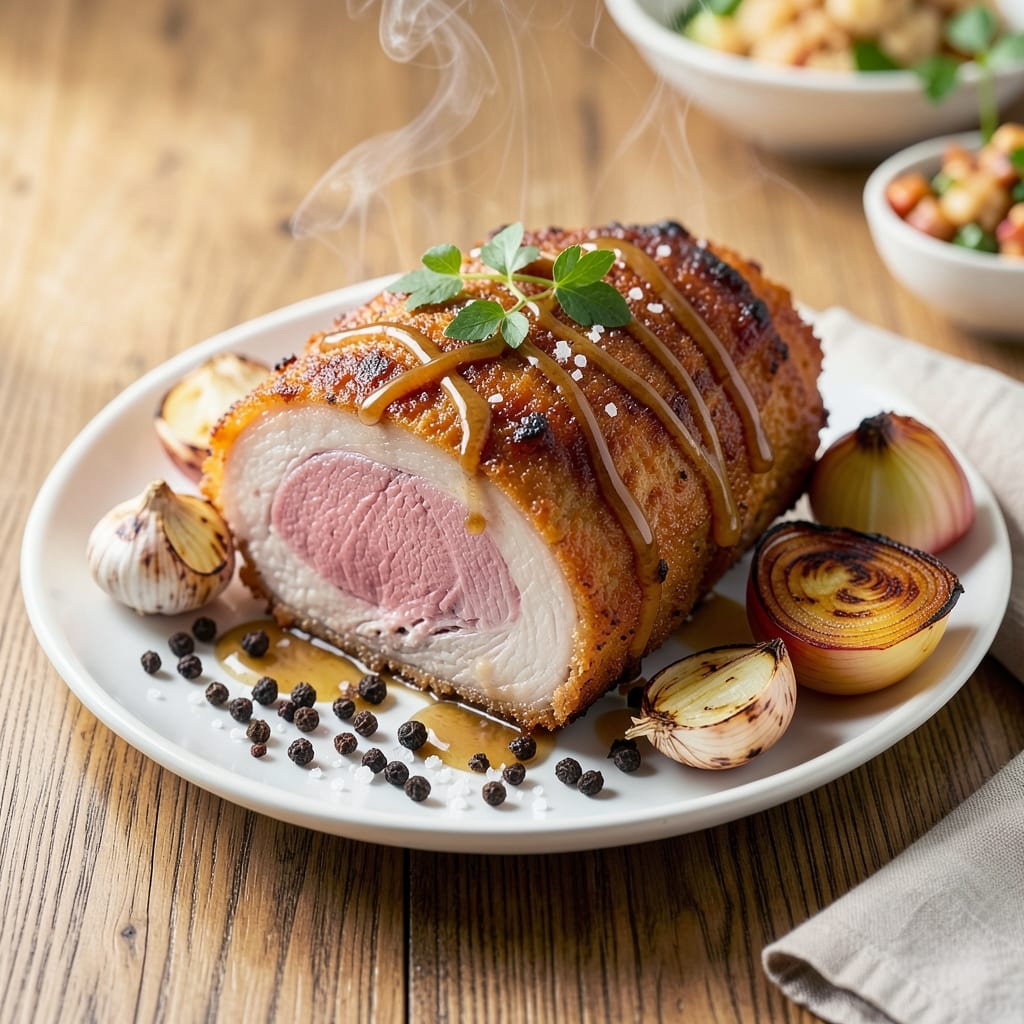
This fried pork roast recipe delivers the perfect balance of crispy golden crust and juicy pink center—exactly what makes Southern-style pork unforgettable. 🔥 After years of perfecting the technique at my Atlanta smokehouse, I’ve cracked the code for achieving that vinegar-kissed crunch while keeping the meat tender inside. The secret lies in a simple brine and precise frying method that transforms even tougher cuts into melt-in-your-mouth perfection.
The process starts with a foolproof brine that tenderizes the meat while adding subtle depth, followed by a quick vinegar bath that ensures that signature crispy exterior. Using a heavy cast iron skillet or Dutch oven, we’ll fry the roast until it reaches 145°F internal temperature, then rest it to lock in all those juices. This isn’t just another pork recipe—it’s the kind that turns weeknight dinners into showstopping meals worthy of a family gathering.
What you’ll end up with is a restaurant-quality pork roast that’s crispy enough to stand up to a fork yet tender enough to pull apart with your hands. The vinegar-kissed crust adds a bright, tangy contrast to the rich, savory meat, making every bite irresistible. Whether you’re serving it sliced for sandwiches or as the centerpiece of a holiday feast, this method guarantees results that’ll have everyone asking for seconds.
Pair it with classic sides like creamy coleslaw, roasted sweet potatoes, or a simple green salad to round out the meal. The key to success? Confidence in the technique—and a little patience while it rests. Let’s get cooking!
Ingredients for fried pork roast
Pork shoulder, vinegar, and a cast iron skillet—this trio makes Southern-style fried pork unforgettable.
| Ingredient | Amount | Notes |
|---|---|---|
| Pork Shoulder Roast 🐖 | 3 lb | Bone-in for best flavor |
| Kosher Salt 🧂 | ½ cup | Diamond Crystal preferred |
| White Vinegar 🍶 | ½ cup | White or apple cider |
| Black Peppercorns 🌶️ | 1 tbsp | Freshly cracked preferred |
| Garlic Cloves 🧄 | 6 cloves | Smashed, not minced |
| Yellow Onion 🧅 | 1 whole | Sliced into 1/2-inch pieces |
| All-Purpose Flour 🌾 | 1 cup | For dredging |
| Vegetable Oil 🫒 | 4 cups | High smoke point |
| Fresh Thyme Leaves 🌿 | ¼ cup | Or 1 tbsp dried thyme |
| Bay Leaves 🍃 | 2 whole | Dried, for brining |
| Brown Sugar 🍯 | 2 tbsp | Light or dark |
| Hot Sauce 🌶️ | 1 tbsp | Optional, for serving |
The pork shoulder is your secret weapon here. Look for a bone-in cut—it stays juicier and adds depth. Costco or your local butcher shop will have the best quality, but any grocery store pork shoulder works if it's fresh. That bone-in piece? It's worth the extra few bucks. The vinegar is non-negotiable for that crispy crust, so grab a bottle of white vinegar or apple cider vinegar—whatever you've got in your pantry. For the brining, I use Diamond Crystal kosher salt because it dissolves perfectly, but any kosher salt will do. Just make sure it's not iodized table salt—we're going for flavor, not weird aftertastes.
No bone-in pork? Bone-in ham hock works too, though it'll have a slightly different texture. Running out of vinegar? Lemon juice at half the amount gives a similar tang. Fresh thyme is ideal, but dried works in a pinch—just use a third of what's called for. The oil is where you can splurge: high smoke point vegetable oil like Crisco or peanut oil is perfect. If you're feeling fancy, avocado oil adds a buttery note. And that hot sauce? Louisiana-style Tabasco is my go-to, but any hot sauce you like will work—it's just for serving, not cooking.
This roast reheats like a dream—better the second day, honestly. Store leftovers in the fridge for 4-5 days, or freeze for up to 3 months if you're prepping ahead. The key is wrapping it tightly in foil before freezing. For serving, I like to slice it thin against the grain and pile it high on toasted buns with some of that crispy crust still attached. Leftovers make killer sandwiches the next day—just crisp them up in a hot skillet for 30 seconds per side.
Why You'll Love This Recipe
- Five-Ingredient Magic: I swear, this roast only needs a handful of things—pork, salt, vinegar, pepper, and garlic. That’s it. No fancy marinades or last-minute grocery runs. The vinegar tenderizes while you prep, and the garlic? It infuses the whole roast like a flavor bomb.
- Crispy-Creamy Payoff: The outside gets gloriously golden and crunchy while the inside stays juicy enough to make you close your eyes. Honestly, that contrast is what makes this roast feel like a restaurant dish—without the fuss.
- Leftovers That Beg: Slice the roast thin, reheat in a skillet with a splash of water, and suddenly you’ve got crispy sandwiches, tacos, or fried rice. My kids fight over the scraps, and I’ve even thrown them into pasta sauce for extra depth. Zero waste, all flavor.
- Sunday Dinner Simplified: This is my go-to for game days, potlucks, or when I’m hosting people who “don’t eat pork” but secretly love it. One big roast feeds a crowd, and the prep takes less time than debating what to order for takeout. (Yes, even on a Tuesday night.)
Step-by-step instructions for crispy vinegar-kissed pork roast
Here's how to get that perfect crunchy crust with melt-in-your-mouth tenderness.
🍳 Step 1: Brine the Pork for Maximum Flavor
In a large bowl, combine the 3 lb pork shoulder roast, 0.5 cup kosher salt, 0.5 cup white vinegar, 6 smashed garlic cloves, 1 whole yellow onion (sliced), 2 whole bay leaves, and 2 tbsp brown sugar. Make sure the roast is completely submerged in the brine mixture.
Cover the bowl and refrigerate for 12-24 hours. This step is non-negotiable—it tenderizes the meat and infuses flavor deep into the fibers. The vinegar gives that signature tangy crunch you're after, while the salt and spices create a flavor bomb. Real talk: if you skip this, you'll miss out on that restaurant-quality texture.
👨🍳 Step 2: Prep the Dredge and Oil
In a separate bowl, mix the 1 cup all-purpose flour with the 1 tbsp freshly cracked black peppercorns and 0.25 cup fresh thyme leaves. This is your dredge mixture—it's what'll create that golden crust. I like to use a fine-mesh sieve to pulse the thyme leaves for even distribution.
Pour the 4 cups vegetable oil into a deep fryer or heavy pot. Heat it to 350°F—this is your sweet spot for crispy skin without burning. Use a candy or deep-fry thermometer to monitor the temperature. Here's the thing: if the oil gets too hot, you'll burn the outside before the inside cooks through. If it's too cool, you'll end up with greasy pork instead of crispy.
🔥 Step 3: Dredge and Fry for Perfect Texture
Remove the pork from the brine and pat it dry with paper towels—this is crucial for maximum crispiness. Shake off any excess liquid, then dredge the pork thoroughly in the flour mixture, pressing gently to adhere the coating. Let it sit for 2-3 minutes to help the flour stick better.
Carefully lower the pork into the 350°F oil using tongs. Fry for 12-15 minutes, turning occasionally, until the exterior is deep golden brown and the internal temperature reaches 160°F (use a meat thermometer to check). You'll know it's ready when the crust is so crispy it makes a satisfying crackle. Don't rush this part—patience is key to that perfect crunch.
⏰ Step 4: Rest and Serve with Hot Sauce
Transfer the fried pork to a wire rack set over a baking sheet. Let it rest for 10-15 minutes before slicing. This resting period is what keeps all those juices locked inside the meat instead of pooling on your plate. Trust me, skipping this step means dry, sad pork.
Slice against the grain into ½-inch thick pieces and serve immediately with the 1 tbsp hot sauce on the side. The contrast of that crispy exterior with the juicy, tender meat is what makes this dish sing. For extra flavor, drizzle with any remaining pan drippings—just make sure to strain out any excess oil first.
Pro Tips For Making Fried Pork Roast
- CRANK THE HEAT FIRST: Start your pork shoulder roast in a screaming-hot pan—no gradual warming. I learned this the hard way after my first batch turned out greasy instead of crispy. Two minutes of high heat seals the surface, then you can dial it back to render fat properly.
- SALT THE MEAT 24 HOURS EARLY: Don’t just sprinkle salt before frying. Rub the pork shoulder with kosher salt the night before—it penetrates deeper and keeps the meat juicy. (Yes, even if you’re impatient like me, this makes a real difference.)
- DON’T SKIP THE VINEGAR WASH: After searing, splash the hot pan with white vinegar—it cuts through the fat and adds a bright tang. I was skeptical until I tried it; now it’s non-negotiable for balancing the richness of the pork.
- REST IT UNDER FOIL: The moment the pork hits 145°F, transfer it to a foil-lined plate for 5-10 minutes. Skipping this step means dry, stringy meat—your future self will thank you for this lazy but crucial move.
Serving suggestions for this fried pork roast
Classic Southern Sides
Nothing beats this fried pork roast like a classic creamy coleslaw with a tangy vinegar dressing—just like my grandma used to make. I like to shred 2 cups cabbage and 1 carrot, then mix with ½ cup mayonnaise, 2 tbsp apple cider vinegar, 1 tbsp sugar, and a pinch of celery seed. The crunch cuts through the richness perfectly. 🥬
For a heartier option, serve with roasted sweet potato wedges tossed in 2 tbsp olive oil, ½ tsp smoked paprika, and salt before roasting at 400°F for 25 minutes. The natural sweetness balances the pork’s tangy crust beautifully.
Crispy Accompaniments
Add crispy fried onions for extra crunch—simmer 1 cup sliced yellow onions in 2 tbsp butter until caramelized, then fry in 2 tbsp oil until golden. Sprinkle them over the sliced pork right before serving. I also love buttermilk biscuits with a hint of garlic powder—just mix 2 cups flour, 1 tbsp baking powder, ½ cup cold butter, and ¾ cup buttermilk, then bake at 425°F for 12 minutes.
For a lighter touch, a simple green salad with mixed greens, cherry tomatoes, and a balsamic vinaigrette (3 parts oil, 1 part balsamic) keeps the meal fresh and balanced. The acidity in the dressing echoes the vinegar in the pork.
Sauce Pairings
Serve with honey mustard for dipping—mix 2 tbsp Dijon mustard, 2 tbsp honey, and 1 tbsp apple cider vinegar. The sweetness contrasts the pork’s tangy crust, while the mustard adds depth. I also keep hot sauce (like Tabasco) on the table for those who want extra heat.
For a richer option, drizzle the sliced pork with apple cider reduction—simmer 1 cup apple cider with 1 tbsp brown sugar and 1 tsp butter until reduced by half. The fruity notes complement the pork’s savory-sweet balance.
Bread and Sandwich Ideas
Slice the pork thinly and pile it high on toasted brioche buns with sharp cheddar cheese and pickles for a Southern-style sandwich. The soft bread soaks up the juices while the pickles add a tangy crunch. For a lighter option, use sourdough toast with avocado slices and a sprinkle of flaky sea salt.
Save leftovers for pork sandwiches the next day—just reheat the pork in a skillet for 2-3 minutes until crispy again. Add sliced tomatoes, lettuce, and mayonnaise for a classic diner-style sandwich. The crispy crust stays intact, making every bite feel special.
Nutrition facts
Frequently asked questions
Can I use a different cut of pork instead of shoulder?
Yes, but with adjustments! A pork tenderloin will cook faster (aim for 135°F internal), while pork rib roast needs more time (up to 20 minutes in oil). The bone-in shoulder is ideal for flavor, but boneless cuts work too—just reduce frying time by 2-3 minutes to avoid overcooking.
Why does my fried pork turn out greasy instead of crispy?
Three likely culprits: oil too cool (350°F is critical), pork not fully dried before frying, or insufficient flour coating. Double-check your oil temp with a thermometer, pat the pork bone-dry with paper towels, and press the flour mixture firmly onto every surface. A 2-3 minute rest in the flour helps it adhere better.
How do I reheat leftovers without losing the crisp?
Use a hot skillet or grill pan for 1-2 minutes per side—just enough to revive the crust. For oven reheating, wrap in foil and bake at 375°F for 10 minutes, then broil for 2 minutes to crisp. Microwaving kills the texture, so always use dry heat methods.
Can I make this recipe in an air fryer?
Not ideal for whole roasts, but you can adapt it for pork chops or smaller cutlets! Coat pieces in flour, spray lightly with oil, and air fry at 375°F for 12-15 minutes, flipping halfway. The crust won't be as crispy as deep-frying, but it's a lighter alternative. For roasts, stick to the stovetop method.
What's the best way to store and freeze fried pork?
Wrap tightly in plastic wrap, then foil, and store in the fridge for 4-5 days or freeze for up to 3 months. For freezing, let it cool completely first. Thaw overnight in the fridge—never at room temperature—and reheat using the skillet method above. The texture holds up surprisingly well!