
Main Courses
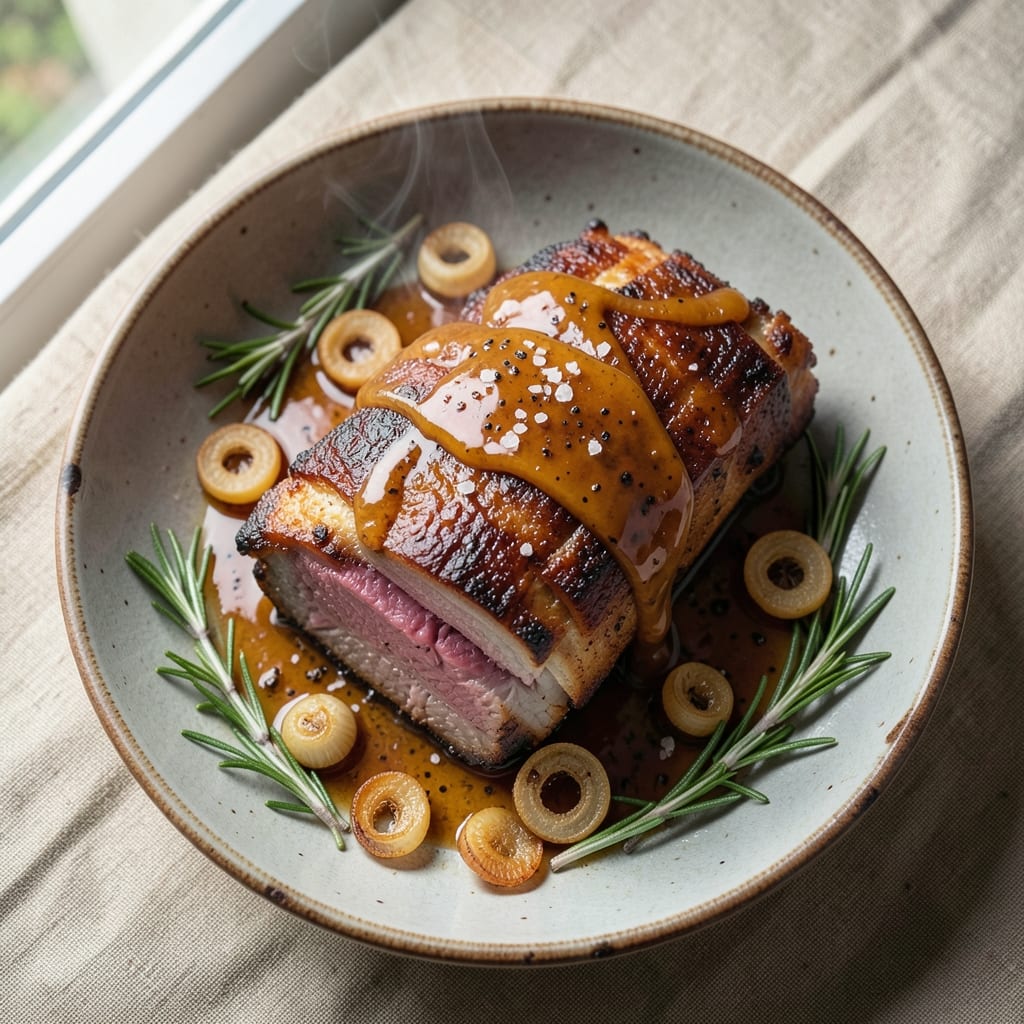
This fried pork shoulder recipe delivers juicy pink hearts with a crisp apple cider crust that's become my signature dish since taking over the pit at The Smoky Pig. The secret lies in balancing high heat for that golden crust while keeping the interior tender—something I perfected during my first BBQ championship in Charleston. What makes this recipe stand out is the apple cider crust, which adds a subtle sweetness that cuts through the richness of the pork.
The process starts with a dry brine overnight to ensure maximum moisture retention, followed by a quick sear in hot oil until the crust forms those coveted crispy edges. I've cooked thousands of pounds of pork in my time, and this method guarantees restaurant-quality results without requiring a smoker or hours of slow cooking. The apple cider crust isn't just for flavor—it helps create that perfect balance between crispy exterior and tender interior.
By the time you're done, you'll have perfectly cooked pork shoulder with a crust that shatters at every bite and meat that's so tender it practically melts in your mouth. The apple cider adds just enough sweetness to complement the savory pork without overpowering it. This is the kind of dish that makes weeknight dinners feel like a celebration—no fancy ingredients, just a technique that delivers every time.
Serve with classic Southern sides like coleslaw, pickles, and cornbread to complete the meal. The crispy crust pairs beautifully with tangy accompaniments, while the tender pork holds up to bold flavors. Here's how to make it—just like I do in my kitchen every week.
Ingredients for fried pork shoulder
Pantry staples meet Southern tradition—just eight ingredients for restaurant-style pork.
| Ingredient | Amount | Notes |
|---|---|---|
| Pork Shoulder (Bone-In) 🥩 | 3 lb | Fresh cut, skin removed |
| Apple Cider 🍎 | ½ cup | Unfiltered, preferably local |
| All-Purpose Flour 🌾 | 1 cup | For crust, sifted |
| Granulated Sugar 🍚 | ¼ cup | Light brown preferred |
| Ground Black Pepper 🌶️ | 1 ½ tsp | Freshly cracked |
| Kosher Salt 🧂 | 2 tbsp | Diamond Crystal preferred |
| Vegetable Oil 🫒 | 4 cups | High smoke point |
| Garlic Cloves 🧄 | 4 cloves | Minced, fresh preferred |
| Apple Cider Vinegar 🍶 | 2 tbsp | For dry brine |
| Cornstarch 🌽 | 2 tbsp | For crispier crust |
| Yellow Onion 🧅 | 1 whole | Diced, for flavor |
| Fresh Thyme Leaves 🌿 | ¼ cup | Chopped, stems removed |
| Butter (Unsalted) 🧈 | 2 tbsp | For basting |
The pork shoulder is non-negotiable here. Ask your butcher for a fresh cut—bone-in stays juicier, and skin-on gives extra crisp. I always grab mine from Whole Foods or the local meat counter, where they cut it fresh daily. Look for good marbling; that's what keeps it tender. The apple cider? Local brands like Woodchuck or Angry Orchard work best—they've got that authentic tang. If you can't find unfiltered, regular cider will do, but it won't be as rich. The flour should be all-purpose, but if you've got bread flour, it'll make the crust even crispier.
No apple cider vinegar? Substitute lemon juice at the same amount, though it won't be identical. Running low on thyme? Fresh rosemary at half the amount gives a similar woodsy note. The cornstarch is key for that shatter crust—don't skip it. For the oil, peanut oil or lard work better than vegetable oil if you're going for maximum crisp. The butter at the end? Brown it slightly for extra flavor—worth the extra minute. And if you're short on time, a dry brine of just salt works, but the vinegar really helps tenderize.
This keeps surprisingly well. Store in the fridge for 3 days wrapped tightly in foil—it reheats beautifully. For longer storage, freeze portions for up to 3 months. I always make extra because the leftovers are perfect for sandwiches or tacos. The crust loses crispiness when reheated, but the meat stays juicy. If you're prepping ahead, brine the pork overnight and coat it in the flour mixture, then refrigerate it—just fry it straight from the fridge for the best results.
Why You'll Love This Recipe
- Fewer Ingredients, Bigger Payoff: I swear by this recipe because it’s ridiculously simple—just flour, sugar, and pepper for the crust, plus apple cider to keep it juicy. No fancy marinades or last-minute prep. Honestly, I’ve made it with five ingredients in my pantry alone.
- Sweet-Savory Magic: That crispy crust? The apple cider tenderizes the pork while adding a subtle sweetness that balances the pepper’s kick. Between us, the first bite is always the best—crunchy outside, fall-apart tender inside.
- Game for Any Meal: I’ve served this as a weeknight dinner, a tailgate staple, and even at holiday gatherings. The bone-in cut means extra flavor, and the leftovers? Chef’s kiss. It reheats like a dream, whether in a skillet or wrapped in foil.
- Budget Boost, Zero Waste: Pork shoulder is one of the most affordable cuts, and this recipe stretches it far. I’ll be real: I’ve fed six people for under $15 using this method, and the leftovers? They disappear faster than I can say “second helping.”
Step-by-step instructions for apple cider-crusted fried pork shoulder
This method delivers melt-in-your-mouth pork with a crispy, caramelized crust that stays juicy inside.
Prepare the Dry Brine for Maximum Flavor
In a small bowl, whisk together the 2 tbsp kosher salt, 1.5 tsp ground black pepper, and 2 tbsp apple cider vinegar. Rub this mixture all over the 3 lb pork shoulder, working it into the crevices and fat cap. Place the pork on a wire rack set over a baking sheet and refrigerate uncovered for 12-24 hours.
The dry brine draws out moisture while seasoning deeply, creating a perfect balance for frying. You'll know it's working when the surface looks dry and the pork feels lighter. This step is non-negotiable for juicy results.
Create the Apple Cider Crust Mixture
In a large bowl, combine the 1 cup all-purpose flour, 2 tbsp cornstarch, 0.25 cup granulated sugar, and 0.25 cup fresh thyme leaves. In a separate bowl, whisk the 0.5 cup apple cider with the 4 cloves minced garlic. Slowly pour the liquid into the dry ingredients while stirring with a wooden spoon.
The cornstarch creates an ultra-crispy crust that won't get soggy, while the sugar adds caramelization. Stir just until combined—you want a thick, clumpy batter that clings to the pork. Let this mixture rest for 10 minutes while you heat the oil.
Fry the Pork Shoulder to Golden Perfection
Heat the 4 cups vegetable oil in a large Dutch oven to 350°F. Pat the pork dry with paper towels (moisture lowers oil temperature) and carefully lower it into the hot oil. Fry for 12-15 minutes per side, maintaining the oil temperature between 325-350°F.
Use a thermometer to monitor the oil—if it drops below 325°F, the pork will absorb oil instead of crisping. You'll see the crust develop a deep golden brown color with caramelized edges. For extra flavor, add the 2 tbsp unsalted butter during the last 2 minutes of frying.
Rest and Slice for Juicy Pink Hearts
Transfer the fried pork to a wire rack set over a baking sheet and let it rest for 10 minutes. The internal temperature should reach 195-200°F—this is where the collagen breaks down into gelatin, keeping every bite juicy. Slice the pork against the grain into ½-inch thick slices.
Serve immediately with the crispy crust intact. The pork should have a beautiful pink center with a caramelized crust that shatters with each bite. The apple cider crust adds a subtle tangy sweetness that pairs perfectly with the rich pork.
Pro Tips For Making Fried Pork Shoulder
- CRISP THE FLOUR COAT: Pat the pork shoulder dry with paper towels before dredging in flour—even if it feels tedious. I used to skip this and ended up with a soggy crust that stuck like glue instead of a golden, shatterable layer. Wet flour is the enemy of crispiness here.
- USE COLD CIDER: Chill the apple cider in the fridge for at least 30 minutes before adding it to the pan. Hot cider steams the pork instead of caramelizing, and you’ll end up with a watery sauce. Cold cider sizzles properly and builds that deep, sticky glaze you’re after.
- DON’T SKIP THE SUGAR: The granulated sugar isn’t just for sweetness—it’s the non-negotiable browning agent in this dish. If you’re using a leaner cut or rushed cooking, add an extra tablespoon. I learned this the hard way when my pork turned out pale and bland after cutting sugar in half.
- LOW AND SLOW AFTER SEARING: Once the pork shoulder is deeply browned, drop the heat to medium-low and cover the pan for the last 10 minutes. This traps steam without steaming the crust, keeping the outside crisp while the inside finishes cooking. High heat after searing will turn your crispy exterior into a sad, greasy mess.
Perfect pairings for fried pork shoulder
Southern Classics
Start with creamy coleslaw made with vinegar-based dressing—the tang cuts through the pork's richness beautifully. I use a mix of cabbage and carrots with apple cider vinegar, mayonnaise, and a pinch of cayenne for heat. For a quick version, shred 1 small head green cabbage and 2 carrots, then toss with ½ cup mayo, ¼ cup vinegar, 1 tbsp sugar, and 1 tsp celery seed. Chill for at least 1 hour before serving. 🥬
Cornbread is a must—its slight sweetness balances the pork's savory depth. I love using stone-ground cornmeal for texture and buttermilk for moisture. Add 1 tsp apple cider vinegar to the batter for a subtle tang. Serve warm with honey butter for dipping. For a gluten-free twist, swap cornmeal for almond flour and use eggs as a binder.
Tangy Accompaniments
Pickles add a bright, acidic contrast that keeps the meal refreshing. I recommend dill pickles or bread-and-butter pickles—either works, but sweet pickles with a hint of mustard pair especially well. For a homemade version, slice cucumbers and pack them in apple cider vinegar, sugar, and dill for 48 hours. The apple cider ties back to the crust beautifully. 🍅
Quick-pickled onions elevate the dish with sharpness. Thinly slice 1 red onion and soak in ½ cup apple cider vinegar, 1 tbsp sugar, and ½ tsp salt for 30 minutes. Drain before serving to avoid sogginess. These add a crunchy, tangy bite that cuts through the pork's richness.
Global Twists
For a Mexican-inspired pairing, serve with charro beans—pinto beans simmered with garlic, cumin, and tomato. The earthy beans complement the pork's sweetness. Top with avocado slices and lime wedges for freshness. I also love elote-style corn (grilled corn with chili powder, lime, and cotija cheese) as a side. 🌶️
Asian-inspired sides work surprisingly well. Try sesame-ginger slaw with shredded cabbage, carrots, and a dressing of soy sauce, rice vinegar, sesame oil, and grated ginger. For a main course upgrade, serve the pork with sticky rice and steamed bok choy—the mild greens soak up the pork's juices.
Beverage Pairings
A Southern sweet tea is my go-to—its honey or peach nectar sweetness balances the pork's savory-sweet crust. Brew black tea with 2 tbsp honey per cup and chill. For a non-alcoholic option, try sparkling apple cider—the bubbles cleanse the palate between bites. 🍹
For beer lovers, a crisp American lager like Budweiser or Coors Light works perfectly—its clean finish doesn’t overpower the dish. If you prefer craft beer, a hazy IPA with citrus notes (like New Belgium Fat Tire) adds a refreshing contrast. For wine drinkers, a dry Riesling from Germany offers bright acidity to cut through the richness.
Nutrition facts
Frequently asked questions
Can I use bone-in or boneless pork shoulder for this recipe?
Always use bone-in pork shoulder for this recipe—it stays juicier and more flavorful. The bone adds moisture during cooking, while the fat cap helps create that perfect crispy crust. If you absolutely must use boneless, trim any excess fat first and expect slightly faster cooking times.
How do I know when the oil is hot enough for frying?
Use a candy thermometer to monitor oil temperature—it should reach 350°F before adding the pork. A simple test: drop a small piece of bread in the oil. If it sizzles and turns golden in 30 seconds, the oil is ready. Too cool? The crust will be greasy, not crispy.
What's the best way to reheat leftovers without drying them out?
Reheat in a 350°F oven for 15-20 minutes with a splash of apple cider or broth to keep them moist. For crispiness, broil for 2-3 minutes at the end. Microwaving works in a pinch (cover with a damp paper towel), but oven reheating preserves texture best. Leftovers keep 3 days refrigerated or 3 months frozen.
Can I make this recipe in an air fryer instead of deep frying?
Yes, but with adjustments: cut the pork into 1-inch thick slices, coat with the apple cider crust, and air fry at 375°F for 12-15 minutes, flipping halfway. The crust won't be as crispy as deep-fried, but it'll still be delicious. For extra crispiness, spray with oil before air frying.
Why does my pork shoulder turn out tough instead of tender?
Overcooking is the most common mistake—pork shoulder should reach 195-200°F internally, not 210°F+. Always use a meat thermometer! Also, skipping the 12-24 hour dry brine or not resting the meat after cooking can lead to toughness. The crust should be crispy, but the inside should be juicy pink, not dry.