
Main Courses
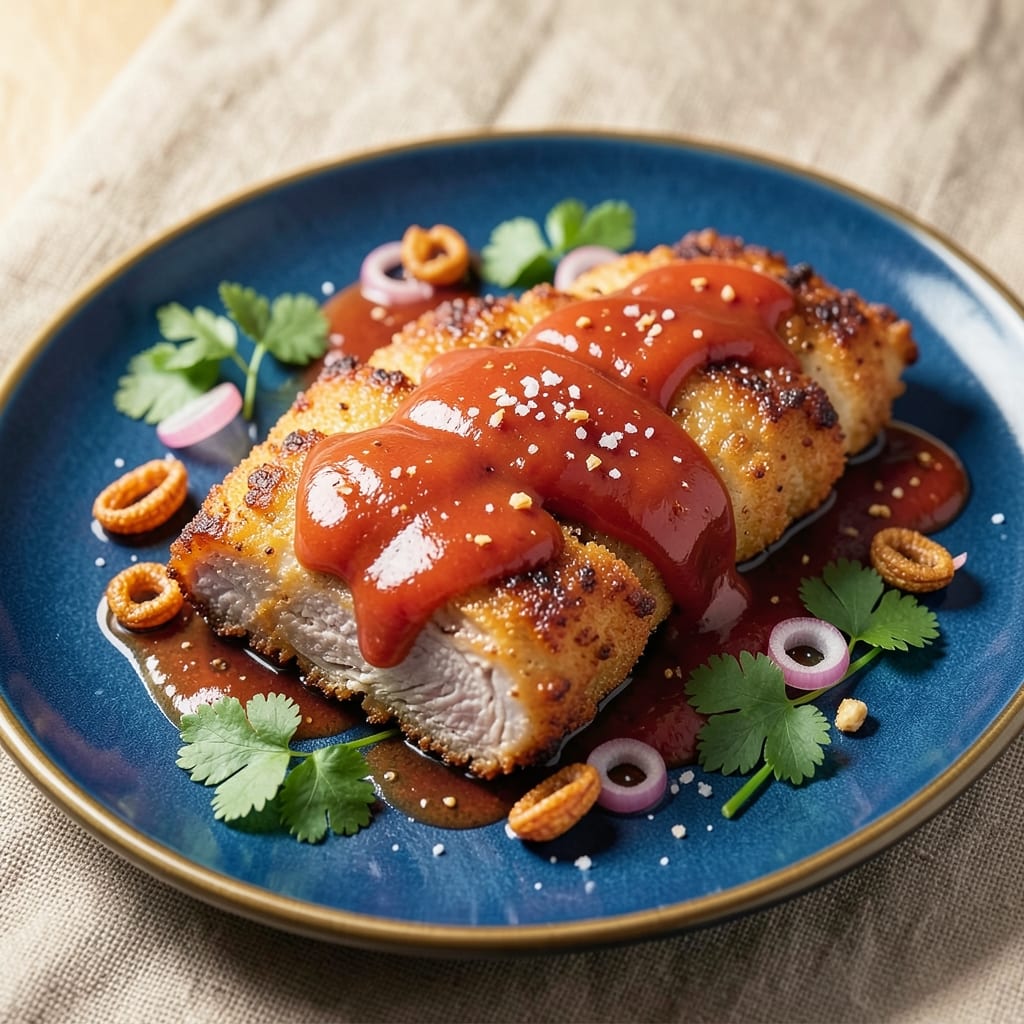
This fried sweet and sour pork recipe delivers the perfect balance of crispy battered pork and a tangy-sweet sauce that's impossible to resist. 🔥 The secret lies in the double-frying technique—first for a light golden crust, then again for maximum crunch—while the sauce simmers down to a glossy, balanced glaze that cuts through the richness. I developed this version after years of perfecting the technique in my Atlanta kitchen, where I've served it to hundreds of guests who always ask for seconds. What sets this recipe apart is the foolproof batter that stays crispy without absorbing too much oil, and a sauce that's neither too sweet nor too sour—just right. The pork remains tender inside while achieving that restaurant-quality crunch on the outside. This isn't your grandmother's version; it's a modern take that still honors the classic flavors while delivering professional results at home. By the time you're done, you'll have golden-brown pork pieces that shatter with every bite, coated in a sauce that's sticky, glossy, and perfectly balanced between sweet, sour, and umami. The aroma alone will have everyone gathering around your table. Serve it over steamed rice or with a side of stir-fried vegetables for a complete meal that's as satisfying as it is delicious. The best part? This recipe scales beautifully—whether you're feeding a family or hosting a dinner party. Let's get cooking!
Ingredients for fried sweet and sour pork
Crispy pork bites and a sticky-sweet sauce that's restaurant-quality at home.
| Ingredient | Amount | Notes |
|---|---|---|
| Pork Shoulder 🐖 | 1 ½ lb | Cut into 1-inch cubes |
| All-Purpose Flour 🌾 | 1 ½ cups | For light, crispy batter |
| Cornstarch 🌾 | ½ cup | For extra crunch |
| Large Eggs 🥚 | 2 whole | Beaten for batter |
| Vegetable Oil 🫒 | 3 cups | For frying (high smoke point) |
| Ketchup 🍅 | ½ cup | For sauce base |
| Pineapple Juice 🍍 | ½ cup | Fresh for tangy sweetness |
| Rice Vinegar 🍶 | ¼ cup | For sour balance |
| Brown Sugar 🍚 | ¼ cup | Packed for depth |
| Soy Sauce 🥢 | ¼ cup | Light or dark for umami |
| Garlic Cloves 🧄 | 4 cloves | Minced for sauce |
| Green Onions 🧅 | 3 whole | Sliced for garnish |
| Salt 🧂 | 1 ½ tsp | Kosher or sea salt |
| Ground Black Pepper 🌶️ | ½ tsp | Freshly ground |
The pork shoulder is key here—it stays tender while the batter gets extra crispy. Look for well-marbled cuts at your butcher or the meat department. I always grab mine from Whole Foods or Costco when they have it on sale—it keeps for days in the fridge. For the batter, the cornstarch is non-negotiable; it gives that signature crunch. If you can't find it, a mix of flour and potato starch works too, but it won't be quite the same. Double-frying is the secret—first at a lower temp to set the batter, then higher to get that golden crunch.
No pineapple juice? Substitute orange juice or apple cider vinegar for the tang, but you'll lose some of that natural sweetness. Brown sugar can be swapped for white sugar, but it won't caramelize as nicely. The soy sauce? Light soy for milder flavor, dark for deeper color. Fresh garlic is ideal, but if you're in a pinch, garlic powder at half the amount works. For the batter, if you're worried about the oil absorbing too much, pat the pork extra dry before dredging. And trust me on the double-frying—it makes all the difference for that restaurant-quality crunch.
This sauce tastes even better the next day once the flavors meld. Store it in an airtight container in the fridge for up to 5 days, or freeze it for 3 months. The pork? Best eaten fresh, but you can reheat it gently in a skillet with a splash of oil to restore that crispy texture. I always make extra sauce—it's perfect for dipping or drizzling over rice. Garnish with those green onions right before serving, or they'll wilt in the sauce.
Why You'll Love This Recipe
- Crispy in Minutes: The pork shoulder gets that perfect crunch in just 10 minutes of frying—no waiting around for hours like with slow-cooked cuts. Honestly, the cornstarch coating makes all the difference, turning it golden and addictive faster than you can say "second helping."
- Sweet-Sour Magic: That tangy, slightly sweet sauce cuts through the richness of the pork like a dream. The vinegar and sugar balance so well, and the little burst of heat from the chili flakes? It’s the kind of flavor that makes you reach for the last bite even when you’re full.
- Leftover Goldmine: This dish actually tastes better the next day—yes, really. The sauce soaks into the pork, and the crispy bits soften just enough to make it even more comforting. I keep a container in the fridge for lazy nights, and it’s always gone by Wednesday.
- Budget Crowd-Pleaser: Pork shoulder is affordable, and a single cut feeds four (or five, if you’re feeding teenagers). Between us, this is the recipe I pull out for game nights or when friends drop by unexpectedly—no stress, no fancy ingredients, just pure satisfaction.
Step-by-step instructions for crispy battered bites with tangy-sweet sauce
Here's how to make perfectly golden pork bites with a sauce that balances sweet, sour, and umami.
👨🍳 Step 1: Prep the Pork and Make the Batter
Cut the 1.5 lb pork shoulder into 1-inch cubes—this size ensures even cooking and maximum crispiness. Place the cubes in a large bowl and toss with 1.5 tsp salt and 0.5 tsp ground black pepper. Let them sit for 10 minutes while you prepare the batter.
In a separate bowl, whisk together the 1.5 cups all-purpose flour, 0.5 cup cornstarch, and a pinch more salt (about ¼ tsp). This combo gives you that perfect light, airy batter with extra crunch. Crack the 2 whole large eggs into the dry mix and beat with a fork or whisk until just combined—you want small lumps, not a smooth paste. Here's the thing—overmixing develops gluten, which makes the coating tough instead of crispy.
🍳 Step 2: Fry the Pork in Small Batches
Heat 3 cups vegetable oil in a deep skillet or Dutch oven to 350°F—use a thermometer for accuracy. The oil should be hot enough that when you drop a small piece of pork in, it sizzles immediately and floats to the surface. If it sinks or bubbles gently, wait another 2-3 minutes for the oil to heat up properly.
Working in batches (don't overcrowd!), dip each pork cube into the batter, letting any excess drip off. Carefully slide them into the hot oil. Fry for 4-5 minutes until they turn a deep golden brown color. You'll smell that irresistible crispy aroma—this is your cue they're ready. Transfer to a paper towel-lined plate to drain while you fry the remaining batches, keeping them warm between frying.
🥘 Step 3: Simmer the Tangy-Sweet Sauce
While the pork fries, make the sauce in the same skillet (no need to clean it—the browned bits add flavor!). Add 0.5 cup ketchup, 0.5 cup pineapple juice, 0.25 cup rice vinegar, 0.25 cup packed brown sugar, and 0.25 cup soy sauce. Stir to combine, then bring to a gentle simmer over medium heat. Let it bubble away for 5-7 minutes until it thickens slightly—you want it to coat the back of a spoon.
Add the 4 minced garlic cloves and cook for another 1 minute until fragrant. Here's where it gets good—taste and adjust the balance. Need more sweetness? Add a pinch of sugar. Too sharp? A splash more pineapple juice. The sauce should be vibrant, glossy, and perfectly balanced between tangy, sweet, and umami. Keep it warm while you finish the pork.
🔥 Step 4: Finish and Serve
Return all the fried pork to the skillet with the sauce. Toss gently to coat everything evenly, letting the pork soak up that delicious glaze for 1-2 minutes on low heat. This step ensures every bite has that perfect balance of crispy exterior and tender interior.
Garnish with 3 sliced green onions right before serving. The contrast of their fresh bite against the rich, crispy pork and tangy sauce makes this dish pop. Serve immediately while the pork is still crispy—this isn't a dish that waits. Pair with steamed rice to soak up every last bit of that irresistible sauce!
Pro Tips For Making Fried Sweet And Sour Pork
- CUT PORK INTO UNIFORM BITS: I learned this the hard way—uneven pieces fry at different rates and end up soggy or burnt. Aim for 1.5-inch cubes, and don’t skimp on the knife work. If your pork shoulder is fatty, trim excess fat first, but leave a thin layer for flavor.
- DOUBLE-DREDGE FOR CRISP: The first dredge in flour is just the start. After the egg wash, dip the pork back into the flour—this creates a thicker, shatterproof crust that stays crisp even when tossed in the sauce. Skip this, and you’ll get a flimsy coating that falls apart.
- FRY IN BATCHES AT 350°F: Overcrowding the pan drops the oil temperature and steams the pork instead of frying it. Work in small batches, and keep the oil between 340-360°F—any lower, and the crust turns greasy. A candy thermometer is worth its weight in gold here.
- SAVE THE FRIED OIL: That golden oil after frying? Don’t pour it down the drain. Strain it through a fine-mesh sieve, let it cool, and store it in a jar. It’s perfect for future stir-fries or even roasting veggies—just reheat gently to 350°F before using. (Yes, even if it smells like pork.)
Serving suggestions for this dish
Classic Rice Pairing
Steamed jasmine rice is my go-to side for this dish—its delicate floral aroma complements the bold flavors without overpowering them. Cook 1.5 cups white rice with 3 cups water and a pinch of salt for a neutral base that soaks up the tangy-sweet sauce beautifully. For extra flair, I sometimes stir 1 tsp toasted sesame oil into the cooked rice before serving. 🌾
Fresh Vegetable Contrast
Add crisp, fresh vegetables to balance the richness. I love steamed bok choy or stir-fried green beans with garlic and ginger—their bright flavors cut through the sauce's sweetness. For a Southern twist, try collard greens sautéed with smoked paprika and a splash of apple cider vinegar. Serve these on the side or mix them into the rice for a heartier meal.
Crunchy Garnishes
Elevate the dish with textural contrasts. Sprinkle crushed peanuts or fried shallots over the top for extra crunch. I also love adding thinly sliced cucumber or mandarin orange segments for a refreshing pop. These garnishes not only add visual appeal but also enhance the overall eating experience with their fresh, crisp textures.
Dipping Sauce Option
For extra indulgence, serve a small bowl of hoisin sauce or sweet chili sauce on the side. These sauces add another layer of flavor that pairs perfectly with the crispy pork. I like to mix 1 tbsp hoisin with 1 tsp sriracha for a spicy-sweet dip that guests always rave about. 🍶
Warm Flatbreads
For a more interactive meal, serve with warm scallion pancakes or store-bought naan bread. The soft, pillowy texture contrasts wonderfully with the crispy pork. Brush the pancakes with a little garlic butter before serving to add another layer of flavor. These work great for dipping or scooping up extra sauce.
Dessert Pairing
End the meal on a sweet note with mango sorbet or lychee jelly. The tropical flavors echo the pineapple in the sauce, creating a cohesive dining experience. For a simpler option, serve fortune cookies with a sprinkle of sesame seeds. The contrast between the savory main and sweet finish makes the whole meal feel complete. 🍍
Nutrition facts
Frequently asked questions
Why does the batter need cornstarch for this recipe?
The cornstarch creates that signature extra crunch while keeping the batter light and airy. It absorbs less oil than regular flour, so your pork stays crispy instead of greasy. For best results, don't substitute with all-purpose flour—it won't give that same satisfying texture.
Can I use pork tenderloin instead of pork shoulder?
Yes, but you'll need to adjust the cooking time. Pork tenderloin is leaner and cooks faster—cut it into 1-inch pieces and fry for just 2-3 minutes total (no need for double-frying). The texture will be more tender than shoulder, but still delicious with the sauce.
How do I fix soggy batter after frying?
If your batter gets soggy, it's usually from one of three things: oil that's too cool, overcrowding the pan, or not draining properly. Next time, keep the oil at 350°F+, fry in small batches, and drain on a wire rack (not paper towels). For already-fried pork, reheat in a dry skillet for 1-2 minutes to restore crispiness.
What's the best way to store leftovers?
Store the pork and sauce separately in airtight containers. The pork stays crispy for 2 days in the fridge—reheat in a skillet with no oil. The sauce keeps for 5 days and tastes even better after flavors meld. For longer storage, freeze both for up to 3 months.
Can I make this sauce ahead of time?
Make the sauce up to 2 days ahead and store it in the fridge. Reheat gently on low heat, stirring occasionally. The flavors actually improve overnight as the sugar and vinegar meld. Just add a splash of water if it thickens too much during reheating.