
Main Courses
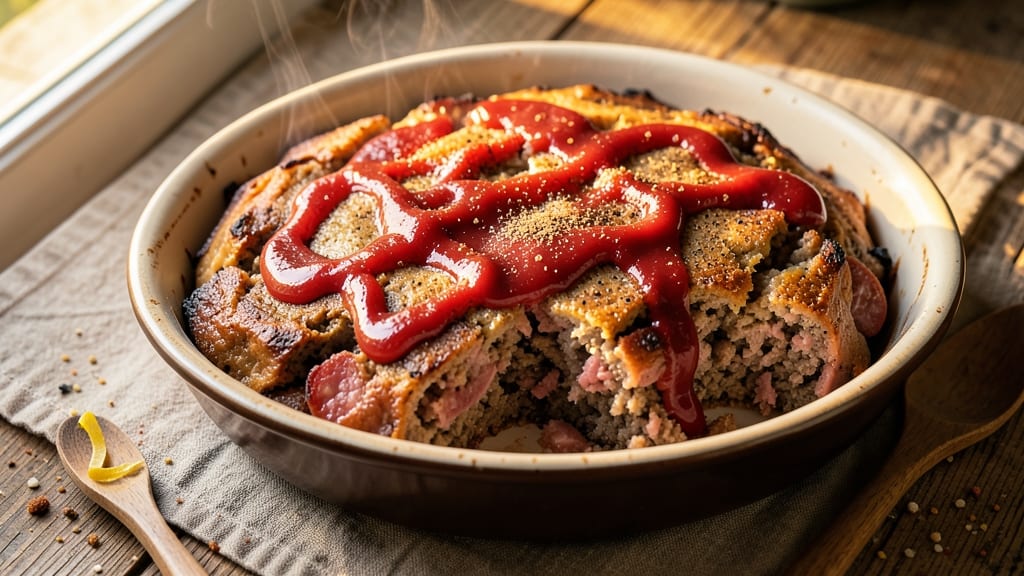
This beef and pork sausage meatloaf delivers the juiciest, most flavorful version you'll ever make—no dry crumb here. The secret lies in combining ground beef with pork sausage for extra richness, then using a moisture-lock technique that keeps every bite tender.
After perfecting this recipe through countless test batches (and learning from a few too many failures), I've arrived at a method that guarantees a meatloaf so moist it practically melts in your mouth.
The foundation starts with a balanced mix of ground beef and pork sausage, seasoned with just the right amount of salt, pepper, and Worcestershire sauce for depth. A strategic glaze of ketchup and brown sugar on top creates both flavor and a protective seal during baking.
What sets this apart is the moisture-lock technique: mixing in a beaten egg and carefully shaping the loaf to minimize air pockets while maximizing retention of natural juices.
By the time it emerges from the oven, you'll have a meatloaf with a golden-brown crust and a tender interior that's impossible to resist. The pork sausage adds layers of savory flavor while keeping the texture rich and satisfying.
This isn't just another meatloaf—it's a showstopper that transforms weeknight dinners into something special without requiring hours of prep.
Serve with classic sides like mashed potatoes, roasted carrots, or a crisp green salad to complete the meal. The beauty of this recipe is its versatility—it works equally well for family dinners or holiday gatherings. Let's get started on creating your most perfect meatloaf yet.
Ingredients for meatloaf recipe with beef and pork sausage
Sixteen ingredients, two meats, and one moisture-lock secret for perfect meatloaf every time.
| Ingredient | Amount | Notes |
|---|---|---|
| Ground Beef (80/20) 🥩 | 1 ½ lb | 80% lean, 20% fat preferred |
| Pork Sausage (Sweet or Mild) 🥓 | 1 lb | Casings removed, ground texture |
| Large Eggs 🥚 | 1 whole | Room temperature, beaten |
| Ketchup 🍅 | ½ cup | For glaze and moisture |
| Brown Sugar 🍯 | 2 tbsp | Light or dark variety |
| Worcestershire Sauce 🍶 | 2 tbsp | For deep umami flavor |
| Diamond Crystal Kosher Salt 🧂 | 1 ½ tsp | Adjust to taste |
| Freshly Ground Black Pepper 🌶️ | 1 tsp | Coarse grind preferred |
| Garlic Cloves 🧄 | 3 cloves | Minced for even distribution |
| Yellow Onion 🧅 | ½ cup | Finely diced, sweet variety |
| Breadcrumbs 🍞 | ½ cup | Panko for extra crispiness |
| Unsalted Butter 🧈 | 2 tbsp | Cold, cubed for mixing |
| Milk 🥛 | ¼ cup | Whole milk for richness |
The meat ratio is non-negotiable here. Ground beef provides structure while pork sausage delivers that melt-in-your-mouth richness—don't substitute chicken sausage, it's too lean. For the best texture, grab 80/20 ground beef from the butcher counter (pre-ground often has more fat trim). The pork sausage? Sweet or mild Italian from Johnsonville or your local butcher works best—avoid the pre-cooked varieties. Pro tip: if your butcher sells pre-mixed beef and pork blends, snag that instead of mixing yourself. The Diamond Crystal kosher salt is crucial—it dissolves better than table salt, giving you perfect seasoning without salt crystals.
No Worcestershire? Soy sauce plus a pinch of sugar gets you close, though you'll lose some depth. The ketchup glaze is where magic happens—Heinz 57 Original has the right balance of sweetness and tang. Short on breadcrumbs? Crushed saltine crackers work perfectly (no one will know). The butter and milk combo is your moisture insurance—cold butter cubes distribute fat evenly while the milk keeps everything tender. Want extra richness? Add 1 tbsp of sour cream to the mix. And yes, you can make this ahead—shape it, refrigerate overnight, then bake straight from cold for even better results.
Shape the meatloaf on a parchment-lined tray for easy release. The glaze should be thick enough to stick but not drip—spread it with a pastry brush for even coverage. Bake at 375°F for 50-60 minutes until internal temp hits 160°F. Let it rest 10 minutes before slicing—this is where the juices redistribute. Leftovers keep 4 days in the fridge, 3 months frozen. For serving, I always double the glaze and brush it on after baking—everyone expects that perfect crust
Why You'll Love This Recipe
- No Mixing Madness: I swear by the "no-hand-mixing" trick here—just dump the beef, sausage, and breadcrumbs in a bowl, then let the eggs and ketchup blend right in. The pork sausage keeps everything juicy without turning it into a mushy mess, and honestly? I’ve burned more than one meatloaf trying to overwork the mixture.
- Sweet-Savory Magic: That brown sugar in the glaze isn’t just for looks—it caramelizes into a sticky, slightly sweet crust while the pork sausage adds a deep, herby richness. The 80/20 beef gives it that classic meaty bite, but the sausage keeps it from being dry. (Yes, even on a Tuesday night.)
- Leftovers That Beg for More: This meatloaf actually improves the next day. The flavors meld, the edges get extra crispy, and it reheats like a dream—whether sliced for sandwiches or chopped into tacos. I’ve sent it to work with my kids in lunchboxes, and they’ve never complained.
- Budget-Friendly Crowd-Pleaser: A pound of beef and a pack of sausage stretch farther than you’d think, especially when you’re feeding a houseful. It’s the kind of dish where everyone asks for seconds, and the glaze? Just ketchup and brown sugar—no fancy ingredients, just pure satisfaction. (Between us, my husband thinks it’s restaurant-quality.)
Step-by-step instructions for double-meat moisture lock meatloaf
Here's the method that guarantees tender, juicy meatloaf with a perfect crust every time.
Combine the Meat Mixture for Maximum Moisture
In a large mixing bowl, gently combine the 1.5 lb ground beef (80/20) and 1 lb pork sausage (sweet or mild) using your hands. The 80/20 fat ratio in the beef is crucial—it keeps the meatloaf juicy while the pork sausage adds flavor and helps bind everything together.
In a separate small bowl, whisk together the 1 whole large egg, 0.25 cup milk, 2 tbsp Worcestershire sauce, 2 tbsp brown sugar, 1.5 tsp Diamond Crystal kosher salt, and 1 tsp freshly ground black pepper. The egg and milk act as moisture locks, while the Worcestershire and sugar deepen the flavor profile. Add this wet mixture to the meat and gently fold until just combined—overmixing develops gluten and makes the meatloaf tough.
Incorporate Aromatics and Structure
Add the 0.5 cup finely diced yellow onion and 3 minced garlic cloves to the meat mixture. The onion should be small enough to distribute evenly without clumping. Mix gently with your hands until the aromatics are evenly dispersed throughout the meat.
Next, fold in the 0.5 cup breadcrumbs and 2 tbsp cold cubed unsalted butter. The breadcrumbs provide structure and help create that classic meatloaf crust, while the cold butter adds richness. Be careful not to overmix—just combine until the breadcrumbs are evenly distributed. The mixture should hold together when pressed but still feel slightly loose.
Shape and Prepare for Baking
Transfer the meat mixture to a lightly greased 9x5-inch loaf pan. Use your hands to shape it into an even rectangle, about 1.5 inches thick. Press down gently but firmly to create a smooth top—this helps the glaze adhere evenly and promotes even cooking. Don't pack it too tightly or you'll squeeze out moisture.
In a small bowl, mix together the 0.5 cup ketchup with 1 tablespoon of water to thin it slightly. This glaze will add moisture during baking and create that classic meatloaf crust. Spread the glaze evenly over the top of the meatloaf, making sure to cover every inch. The glaze should be thin enough to penetrate slightly but thick enough to form a crust.
Bake to Perfect Doneness
Preheat your oven to 375°F—this moderate temperature ensures even cooking without drying out the meatloaf. Place the prepared loaf pan on the center rack and bake for 50-55 minutes. The meatloaf is done when the internal temperature reaches 160°F and the edges are deep golden brown with a slightly crisp glaze.
I like to check for doneness at the 45-minute mark—insert a meat thermometer into the thickest part. If it's not quite there, return it to the oven for another 5-10 minutes. The glaze should be bubbly and set, with a beautiful caramelized crust. Let the meatloaf rest for 10 minutes before slicing—this allows the juices to redistribute throughout the meat, ensuring every bite is moist and flavorful.
Pro Tips For Making Meatloaf Recipe With Beef And Pork Sausage
- MIX THE SAUSAGE FIRST: Break up the pork sausage casing by hand before mixing—it releases more fat and flavor into the meatloaf. I used to just dump chunks in, but now I give it 30 seconds of rough kneading with my fingers, and the texture stays juicier.
- USE COLD HANDS FOR SHAPING: Wet your hands and keep them cold (run under cool water between shaping) to prevent the meatloaf from sticking. After burning my fingers twice, I learned this—your hands get tired, but the loaf won’t fall apart when transferring.
- SKIP THE OVEN RACK: Place the meatloaf directly on the baking sheet (no rack) so the ketchup glaze pools underneath and bastes the bottom. I tried fancy setups once, but the crust got soggy—this guarantees a caramelized base every time.
- REST THE LOAF BEFORE SLICING: Let the meatloaf sit 10 minutes under foil after baking—it firms up and holds together better. I know, you’re hungry, but cutting into it too soon turns slices into crumbly messes. (Yes, even if you’re impatient like me.)
Storing and reheating this recipe
Refrigerator Storage
Store your meatloaf in an airtight container with a tight-fitting lid to preserve moisture. I like using glass Pyrex containers because they prevent odors from seeping in. Let it cool completely before refrigerating—this prevents condensation from making the meatloaf soggy.
It keeps well for 4 days at 40°F or below, with flavors actually deepening over time. The glaze will stay intact if you cover it with plastic wrap pressed directly onto the surface. 💛
Freezer Storage
For longer storage, wrap the meatloaf tightly in plastic wrap followed by aluminum foil to create a double barrier against freezer burn. Place it in a freezer bag with all air squeezed out—this prevents ice crystals from forming.
Label with the date and freeze for up to 3 months. When ready to eat, thaw overnight in the fridge for even reheating. Never microwave directly from frozen, as this creates uneven heating and dry spots.
Stovetop Reheating
This is my preferred method for restoring that perfect texture. Place slices in a heavy-bottomed skillet over medium-low heat with 2 tablespoons of water or beef broth to prevent drying. Cover with a lid and heat for 8-10 minutes, stirring occasionally.
The steam keeps the meatloaf moist while the broth adds depth. For extra richness, add 1 teaspoon of butter during reheating. 🔥
Oven Reheating
Preheat your oven to 325°F and place the meatloaf slices on a baking sheet lined with parchment paper. Cover loosely with foil and bake for 15-20 minutes until reaching 165°F internal temperature. The foil traps steam while allowing gentle heat penetration.
For a crispy glaze, remove the foil for the last 2 minutes of reheating. This method works best for larger portions that need even heating.
Microwave Safety
If you're short on time, use the microwave on 50% power in 1-minute intervals, stirring between each interval. Place the meatloaf on a microwave-safe plate and cover with a damp paper towel to retain moisture. Add 1 tablespoon of water to the plate to prevent drying.
Heat until the internal temperature reaches 165°F—this usually takes 3-4 minutes total. The damp paper towel is key to preventing a dry, rubbery texture. ⚡
Make-Ahead Pro Tip
Shape your meatloaf the night before and refrigerate uncovered on a wire rack. This creates a dry surface that helps the glaze adhere better during baking. The next day, bake as directed—you'll get an even more flavorful crust.
For extra convenience, prepare the glaze ingredients ahead of time and store them separately in the fridge. This is my go-to strategy for busy weeknights when I know I'll be short on time. 💡
Nutrition facts
Frequently asked questions
Why mix beef and pork sausage in meatloaf?
The combination creates the perfect balance: ground beef provides structure and heartiness, while pork sausage adds rich, savory flavor and helps bind the mixture. The pork fat keeps the meatloaf incredibly moist during baking, while the beef gives it that classic meatloaf texture. This duo is what makes this version so irresistible!
Can I substitute chicken sausage instead of pork?
I don't recommend it—the pork sausage's fat content is crucial for moisture. Chicken sausage is much leaner and will result in a drier meatloaf. If you must substitute, use ground pork instead of chicken sausage to maintain the fat ratio. The flavor profile will be different but still delicious.
How do I know when my meatloaf is fully cooked?
Use a meat thermometer to check the internal temperature—it should reach 160°F in the thickest part. The edges should be golden brown with a slightly crisp glaze. If you don't have a thermometer, cut into the center and check for pinkness—there should be no pink in the middle. Let it rest 10 minutes before slicing for perfect juiciness.
What if my meatloaf turns out dry?
Dry meatloaf usually means overcooking or using lean meat. Next time, use 80/20 ground beef (not 90/10), don't overmix the ingredients, and bake at 350°F instead of 375°F for a longer time. Also, try adding 1 tablespoon of sour cream to the mixture for extra moisture. The glaze helps too—it adds moisture during baking.