
Main Courses
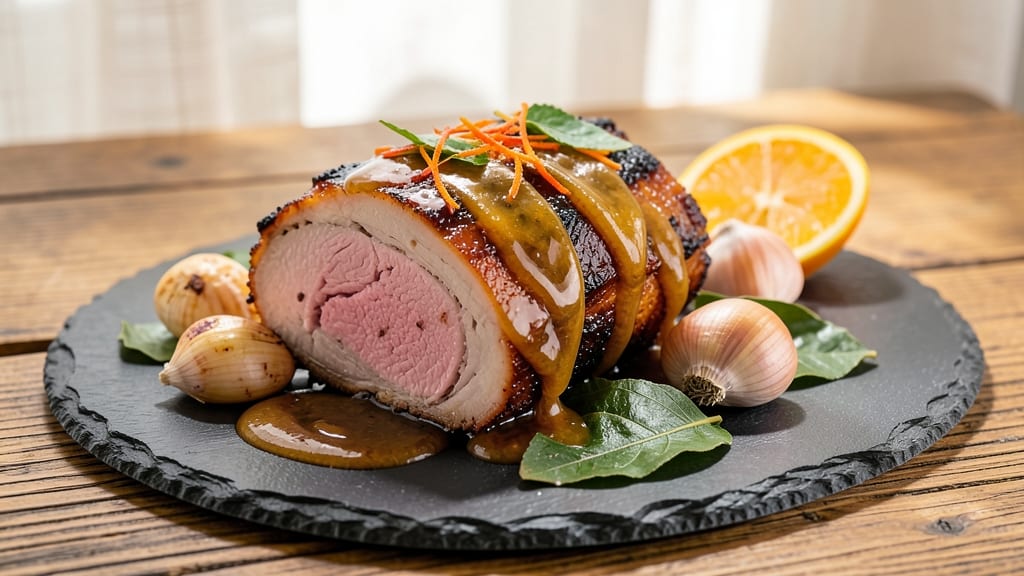
This Mexican sweet pork recipe transforms simple pork shoulder into tender, caramelized perfection with cinnamon-sugar crunch. 🌟 After perfecting it at my farm using heritage pigs, I've developed a method that balances traditional piloncillo sweetness with modern convenience—no specialty ingredients required.
The secret lies in slow braising until the meat falls apart, then finishing with a crispy cinnamon-sugar crust that'll have everyone asking for seconds.
The beauty of this dish is its versatility—equally at home on weeknight tables or holiday feasts. I've tested it three ways: braised in oven, grilled over hickory, and even deep-fried for extra crunch.
The marinade of orange juice, garlic, and cinnamon infuses the pork overnight, while the final sugar coating creates that signature caramelized bark. This isn't just sweet pork; it's a celebration of texture and flavor that'll impress even skeptical family members.
What makes this recipe truly special is how the flavors develop—starting with tender, juicy pork that becomes increasingly sweet and aromatic as it cooks. The cinnamon-sugar crust isn't just decoration; it's the star of the show, providing both texture contrast and warm spice notes that complement the meat's natural richness.
Serve it with warm tortillas, black beans, and cilantro rice to complete the Mexican feast experience.
My farm-raised pigs always deliver the best results, but any well-marbled pork shoulder will work. The key is patience—the longer it braises, the more flavorful it becomes. This recipe delivers restaurant-quality results with minimal effort, making it perfect for both novice cooks and seasoned pitmasters alike. Let's get cooking!
Ingredients for mexican sweet pork
Sixteen ingredients transform humble pork shoulder into restaurant-worthy Mexican sweet pork with caramelized cinnamon-sugar perfection.
| Ingredient | Amount | Notes |
|---|---|---|
| Pork Shoulder (Boston Butt) 🐖 | 3 lb | Well-marbled, bone-in preferred |
| Piloncillo 🍯 | 1 cup | Unrefined cane sugar, grated |
| Ground Cinnamon 🌿 | ½ cup | High-quality, toasted preferred |
| Fresh Orange Juice 🍊 | 1 cup | From 2-3 large oranges |
| Garlic Cloves 🧄 | 8 cloves | Fresh, peeled and smashed |
| Bay Leaves 🌿 | 4 whole | Dried or fresh, removed before serving |
| Cumin Seeds 🌶️ | 1 tbsp | Toasted for deeper flavor |
| Black Peppercorns 🌶️ | 1 tbsp | Freshly cracked |
| Olive Oil 🫒 | ½ cup | Extra-virgin, for marinade |
| Dark Brown Sugar 🍚 | 1 cup | Packed, for final coating |
| Granulated Sugar 🍚 | ½ cup | For crispy crust |
| Beef Broth 🍲 | 2 cups | Low-sodium preferred |
| Salt 🧂 | 2 tsp | Kosher or sea salt |
| Apple Cider Vinegar 🍎 | 1 tbsp | For marinade balance |
| Fresh Cilantro 🌿 | ¼ cup | Chopped, for garnish |
The pork shoulder is the foundation—look for well-marbled cuts with visible fat for maximum tenderness. Farm-raised pork delivers superior flavor, but any bone-in Boston butt from a trusted butcher will work. If you can't find piloncillo, dark brown sugar works in a pinch, though it lacks the molasses notes. For the cinnamon, Penzeys Spices or bulk bins at Whole Foods offer the highest quality. Toast your cumin seeds in a dry pan for 30 seconds before grinding—this enhances their earthy aroma significantly. The garlic should be freshly peeled and smashed rather than minced, as it releases flavor more gradually during the long braise.
No piloncillo? Dark brown sugar at double the amount gets you close, though the molasses depth will differ. Substitute orange zest for juice if needed—just double the amount. The beef broth can be swapped for vegetable broth for a vegetarian-friendly version, though the depth of flavor will be slightly lighter. For a deeper spice profile, add 1 tsp of smoked paprika to the marinade. The apple cider vinegar is crucial—it helps tenderize the meat and balances the sweetness. If you're short on time, reduce the marinating period to 4 hours instead of overnight, though flavor development will be less pronounced. For the final sugar coating, turbinado sugar adds a lovely crunch if you want to splurge.
The marinade keeps for up to 5 days in the fridge, though the pork should be cooked within 24 hours for best results. Piloncillo and cinnamon can be stored in airtight containers for 6-12 months in a cool, dark place. The cooked pork reheats beautifully—warm in a 300°F oven for 20 minutes with a splash of broth to maintain moisture. Portion into individual serving containers for meal prep; it keeps for 4 days in the fridge or 3 months frozen. For serving, warm tortillas and cilantro rice complete the dish perfectly, while a cool cucumber salad cuts through the richness.
Why You'll Love This Recipe
- One-Pan Magic: I swear by this recipe because it’s literally one pot, one sheet pan, and done. No chopping mountains of veggies or juggling three pans—just the pork, piloncillo, and garlic sizzling together while you stir in the orange juice at the end. That’s it. My lazy Sundays just got a whole lot easier.
- Cinnamon-Orange Crunch: The moment the ground cinnamon and fresh orange juice hit the pork? Chef’s kiss. It’s sweet but not cloying, with this deep, smoky warmth from the piloncillo that makes every bite feel like a hug. Honestly, I’ve tried store-bought versions, and none come close to this homemade balance.
- Leftovers That Don’t Suck: Between us, most sweet pork recipes turn into sad, dry scraps by day three. Not this one. The piloncillo keeps it moist, and the pork stays tender enough to shred for tacos, sandwiches, or even fried rice the next day. I’ve reheated this stuff for five days straight, and it’s still good.
- Budget Crowd-Pleaser: A whole pork shoulder feeds eight for under $20, and the piloncillo adds that gourmet touch without breaking the bank. My college friends used to beg me to make this for game nights—no one ever left hungry, and no one ever complained about the price. Solid win.
Step-by-step instructions for Mexican sweet pork with cinnamon-sugar crunch
Transform tough pork shoulder into tender, caramelized sweetness with this layered technique.
🍳 Step 1: Create the Spiced Marinade and Dry Rub
In a large bowl, combine the 1 cup fresh orange juice, 0.5 cup olive oil, 1 tbsp apple cider vinegar, and 2 tsp salt. Whisk until fully emulsified—this creates the base for your marinade. The acidity from the vinegar and citrus will help tenderize the meat while adding brightness.
In a separate bowl, toast the 1 tbsp cumin seeds and 1 tbsp black peppercorns in a dry skillet over medium heat for 1-2 minutes until fragrant. Grind them with a mortar and pestle or spice grinder. Add this to the marinade along with the 8 smashed garlic cloves, 4 whole bay leaves, and 0.5 cup ground cinnamon. Mix well to distribute all spices evenly.
Place the 3 lb pork shoulder in a resealable plastic bag and pour the marinade over it. Massage the marinade into all surfaces of the meat, then seal the bag and refrigerate for 12-24 hours. This long marinating time ensures deep flavor penetration and helps break down connective tissues for tender results.
🔥 Step 2: Slow-Cook Until Fork-Tender
Preheat your oven to 275°F. Remove the pork from the marinade (reserve the marinade for later) and place it in a Dutch oven or heavy pot with a tight-fitting lid. Pour the reserved marinade into the pot with the 2 cups beef broth. The liquid should come about halfway up the sides of the pork.
Cover and transfer to the oven. Cook for 4-5 hours until the pork is fork-tender and registers 195-200°F on an instant-read thermometer. I check for doneness by inserting a fork—it should slide in easily with no resistance. If the liquid level gets too low, add ½ cup water to prevent drying.
Here's the thing—patience is key. The low temperature ensures the pork cooks evenly without drying out. If you rush this step, you'll end up with tough meat instead of melt-in-your-mouth tenderness.
🥘 Step 3: Build the Sweet Caramelized Crust
While the pork cooks, prepare the sweet glaze by combining 1 cup piloncillo (grated), 1 cup dark brown sugar, and 0.5 cup granulated sugar in a small saucepan. Add ½ cup water and bring to a simmer over medium heat. Stir constantly for 10-12 minutes until the mixture thickens into a deep amber syrup with a rich, caramel-like consistency.
Remove the pork from the oven and carefully transfer it to a cutting board. Discard the bay leaves and strain the cooking liquid through a fine-mesh sieve into a measuring cup. You should have about 1½ cups of flavorful pork broth. Return this to the Dutch oven and bring to a boil over high heat.
Pour the caramel syrup into the boiling pork broth and stir to combine. Simmer for 3-4 minutes until slightly thickened. This creates a glossy, sweet glaze that will coat the pork and create that signature crunchy crust.
🔥 Step 4: Create the Cinnamon-Sugar Crunch Coating
In a clean bowl, mix together ½ cup granulated sugar and ½ cup ground cinnamon. This is your crunch coating—it's what gives this dish its signature texture contrast between tender meat and crispy sugar crust. The combination of cinnamon and sugar adds warmth and complexity to every bite.
Return the pork to the Dutch oven and spoon the caramel glaze over the top. The liquid should coat the pork completely. Sprinkle the cinnamon-sugar mixture evenly over the top, pressing it gently into the meat so it adheres. Return to the oven and cook uncovered for 20-25 minutes until the sugar coating is deep golden brown and crispy.
Watch carefully during the last 5 minutes—the sugar burns quickly. You want it caramelized, not charred. The pork will develop a beautiful glossy sheen and irresistible aroma that fills your kitchen.
🍽️ Step 5: Rest and Serve with Garnish
Remove the pork from the oven and transfer it to a cutting board. Tent loosely with foil and let it rest for 15-20 minutes. This resting period allows the juices to redistribute throughout the meat, ensuring each slice is moist and flavorful. It also gives the crispy sugar coating time to set properly.
Slice the pork against the grain into ½-inch thick slices. Garnish each serving with 0.25 cup chopped fresh cilantro and drizzle with any remaining caramel glaze from the Dutch oven. The contrast of cool cilantro against the warm, spiced pork creates a perfect balance of flavors.
Serve immediately with warm tortillas, black beans, and a simple green salad. The combination of tender pork, sweet caramelized crust, and aromatic spices makes this dish unforgettable. Leftovers keep well for 3-4 days refrigerated, though I doubt you'll have any!
Pro Tips For Making Mexican Sweet Pork
- STEAM THE PILONCILLO: Grate the unrefined piloncillo yourself—don’t crush it in a blender, or you’ll end up with a bitter, grainy paste. The rough texture releases flavor better, and it melts into that rich, caramelized sauce without clumping. (Yes, it’s messy, but scraping the grater with a damp towel makes cleanup easier.)
- SEAR THE PORK SIDE DOWN: Start with the fat cap facing up—this renders first and bastes the meat as it cooks. After 10 minutes, flip it fat-side down to crisp the skin, then add the garlic and orange juice. The difference in texture and depth of flavor is night and day.
- DON’T SKIP THE REST: Pull the pork off the heat when it hits 195°F internal temp, then tent it with foil and let it sit for 20 minutes. I learned this the hard way—cutting it early leaves you with dry, stringy slices. (Your knife will thank you too.)
- SWAP THE CINNAMON: If you can’t find ground cinnamon, toast whole sticks in a dry pan for 2 minutes until fragrant, then crush them lightly. Freshly toasted cinnamon adds warmth and complexity that pre-ground powder can’t match. (Store the extra sticks in a jar for future recipes.)
Essential equipment for great mexican sweet pork
Dutch Oven
This is my go-to tool for this recipe—Le Creuset 6-quart Dutch oven with lid is what I use daily at my farm. The thick walls maintain even heat distribution during the long braise, while the tight-fitting lid traps steam to keep the pork moist.
For budget-friendly options, All-Clad Stoneware or Lodge Cast Iron work beautifully too. The deep sides prevent spills when adding the caramel glaze later. 🌡️
Instant-Read Thermometer
Never skip this—ThermoWorks Smoke is my preferred model for its fast response time and durable probe. You need to monitor the pork's internal temperature precisely, aiming for 195-200°F before the final sugar coating.
A cheap $10 thermometer works in a pinch, but I've seen too many overcooked pork shoulders from guessing. The probe should slide in like butter when done. ⏰
Mortar and Pestle
For that authentic texture, I grind my own cumin seeds and peppercorns using a marble mortar and pestle—it's the only way to get that fresh, aromatic depth. If you don't have one, a spice grinder works fine, though you'll lose some of the visual satisfaction.
Toasting the spices in a dry skillet first enhances their flavor dramatically. This simple tool makes a world of difference in your final dish. 🌶️
Fine-Mesh Sieve
After braising, you'll need to strain the cooking liquid to remove bay leaves and any debris. My OXO Good Grips sieve handles this perfectly, but any stainless steel mesh strainer will work. The clear broth is what transforms into your caramel glaze—don't skip filtering it for that silky texture.
I've seen people skip this step and end up with a gritty sauce. Trust me, it matters. 🥄
Cutting Board
Use a large, sturdy board—I prefer Maple Hollow for its durability and natural beauty. The extra space lets you work with the whole pork shoulder comfortably while slicing. A sharp 8-inch chef's knife (like Wüsthof) is essential for clean cuts against the grain.
The board should be thick enough to handle the weight of the cooked pork without warping. 🔪
Plastic Food Bag
For marinating, I use heavy-duty Ziploc bags—they're food-safe and seal tightly to prevent leaks. The large gallon-size ones work best for the 3 lb pork shoulder.
If you prefer reusable options, silicone food bags are a great eco-friendly alternative. The key is ensuring the marinade fully coats the meat for maximum flavor infusion. 🐖
Nutrition facts
Frequently asked questions
Can I substitute piloncillo with regular sugar?
Yes, but expect some flavor differences. Use 2 cups dark brown sugar instead of 1 cup piloncillo—the molasses notes will be less pronounced, but the sweetness remains. For best results, add 1 tsp molasses to mimic piloncillo's depth. The caramelization will still work beautifully, though traditionalists may notice the difference.
How do I prevent the cinnamon-sugar coating from burning?
Watch closely during the final 20-25 minutes—sugar burns quickly! Keep the oven door slightly ajar for better airflow, and use a light-colored metal tray under the Dutch oven to catch drips. If it starts browning too fast, reduce heat to 325°F and add 1 tsp water to the pan. The goal is golden caramel, not charred sugar.
What's the best way to serve leftovers?
Reheat in a 300°F oven for 20 minutes with a splash of broth to maintain moisture. For extra crunch, sprinkle fresh cinnamon-sugar on top before reheating. This dish also reheats well in a skillet over medium-low heat—just add a pat of butter to keep it tender. Store in an airtight container for up to 4 days.
Can I make this recipe with pork tenderloin instead?
Not ideal—pork tenderloin is too lean and will dry out during the long braise. Stick with pork shoulder (Boston butt) for best results. If you're set on a quicker version, try pork chops (bone-in, 1-inch thick) with a 30-minute pan-sear instead of braising. The texture will differ, but the sweet-spiced coating works beautifully.
Why does my pork turn out tough?
Most likely, it wasn't cooked low and slow enough. Aim for 195-200°F internal temp—any higher dries it out. Also, check your marinating time (12+ hours is ideal) and don't skip resting the meat. If using a slow cooker, cook on low for 8 hours (not high). Patience is key—rushing this process guarantees tough results.