
Soups & Stews
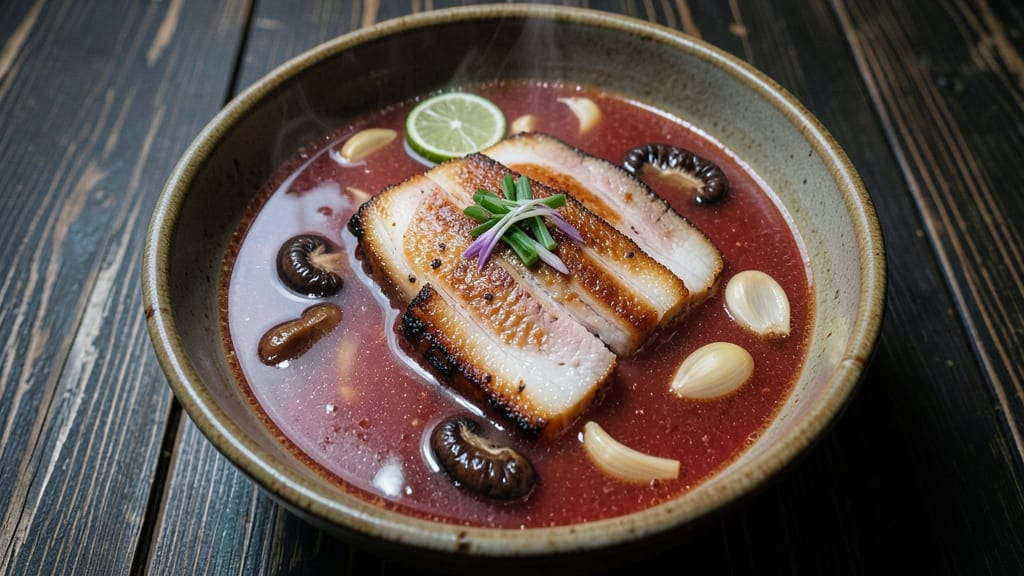
This Midnight Diner Pork Miso Soup brings the soul-warming comfort of late-night eateries into your kitchen with its deep umami richness and silky miso swirls. 🔥 After years of perfecting this dish—from my time working in Charleston's legendary diners—I've developed a method that delivers restaurant-quality results at home, where every spoonful feels like a hug in broth form.
The secret lies in balancing three key elements: a slow-simmered pork broth infused with garlic and ginger, tender slices of pork belly that melt in your mouth, and a velvety miso paste that dissolves into the broth for that signature silky texture.
Unlike quick miso soups, this recipe builds flavor through low-and-slow simmering, ensuring each ingredient contributes its best without overpowering the others.
What you'll end up with is a deeply aromatic, warming soup that's perfect for chilly evenings or as a late-night pick-me-up. The pork becomes fork-tender, the broth develops a complex depth, and the miso swirls create those signature ribbons of umami goodness that make this dish irresistible.
Garnish with scallions and sesame seeds for freshness, or top with a soft-boiled egg for extra richness.
This recipe is designed to be foolproof yet impressive, using simple ingredients that come together in a way that feels both comforting and sophisticated.
Whether you're feeding a crowd or treating yourself to a quiet night in, this pork miso soup delivers the kind of warmth that lingers long after the last spoonful. Let's get started!
Ingredients for midnight diner pork miso soup
Pork belly, miso, and slow-simmered umami create this diner classic's soul-warming embrace.
| Ingredient | Amount | Notes |
|---|---|---|
| Pork Belly 🥓 | 1 lb | Skin-on, sliced into 1/4-inch pieces |
| Red Miso Paste 🍶 | ½ cup | High-quality fermented miso |
| Garlic Cloves 🧄 | 6 cloves | Minced for deep flavor infusion |
| Fresh Ginger 🌿 | 2 tbsp | Finely grated, aromatic |
| Dashi Powder 🍜 | 1 tbsp | For authentic umami depth |
| Dried Shiitake Mushrooms 🍄 | 4 whole | Rehydrated for earthy richness |
| Green Onions 🧅 | 3 whole | Thinly sliced for garnish |
| Toasted Sesame Seeds 🌰 | 1 tbsp | For nutty crunch finish |
| Vegetable Oil 🫒 | 2 tbsp | High smoke point for searing |
| Water 💧 | 6 cups | Filtered preferred for clarity |
| Diamond Crystal Kosher Salt 🧂 | 1 ½ tsp | Adjust to taste |
| Black Peppercorns 🌶️ | ½ tsp | Freshly ground for heat |
| Soft-Boiled Eggs 🥚 | 2 whole | Optional garnish for richness |
The pork belly is the heart of this soup—skin-on for maximum flavor. Look for thick-cut pieces with good marbling at Whole Foods or your local butcher shop. If you can't find pork belly, pork shoulder works in a pinch, but it won't have the same melt-in-your-mouth texture. The miso? Red miso delivers that deep, fermented richness—white or barley miso won't give the same umami punch. For the dashi powder, Marukome brand is my go-to, but any quality brand will do. The shiitake mushrooms should be dried and rehydrated—fresh won't have the same earthy depth.
No red miso? White miso plus an extra tablespoon of soy sauce gets you close. Fresh ginger is ideal, but powdered works at half the amount. For the shiitake mushrooms, Trader Joe's sells dried ones in a bag—perfect for this recipe. The dashi powder can be tricky to find, but Japanese grocery stores always have it. If you're making this ahead, reheat gently on low heat—miso burns easily. The pork should be sliced thinly but not paper-thin—about 1/4-inch thick is ideal for that perfect tender bite.
This soup tastes even better the next day—make a double batch if you can. Store in airtight containers for 4-5 days in the fridge or freeze for 3 months. The miso swirls are best when the soup is piping hot, so reheat gently and stir well before serving. Garnish with the green onions and sesame seeds right before eating—they add freshness that wilt if added too early. The soft-boiled eggs, if using, should be added in the last minute of reheating for that perfect runny yolk.
Why You'll Love This Recipe
- One-Pot Magic: I swear by this recipe when I’m too tired to wash a million dishes. The pork belly slices simmer right in the broth—no extra pans, no fuss—just rich, caramelized edges melting into that deep umami miso base.
- Umami Bomb: That first sip? Chef’s kiss. The red miso paste brings this soul-warming depth, while the dashi powder lifts it to something almost savory-sweet. Add the crispy pork belly, and you’ve got a flavor punch that hits like a midnight snack but feels like a restaurant meal.
- Late-Night Hero: Between us, this is my go-to when friends crash after a show or when I’m craving something hearty but don’t want to cook for hours. It’s the kind of dish that feels indulgent but comes together faster than takeout—plus, the leftovers reheat like a dream.
- Budget-Friendly Luxe: Pork belly might sound fancy, but buying it in bulk and freezing it stretches this recipe for weeks. A little goes a long way, and the miso and dashi keep costs low while delivering restaurant-quality taste. Honestly, it’s my secret for making cheap ingredients feel like a splurge.
Step-by-step instructions for midnight diner pork miso soup
This rich, velvety soup delivers deep umami magic with perfectly rendered pork belly and swirling miso silk.
🔥 Step 1: Render the Pork Belly Until Crisp
Heat the 2 tablespoons vegetable oil in a heavy-bottomed pot over medium-high heat. Add the 1 lb pork belly sliced into ¼-inch pieces and cook undisturbed for 8-10 minutes until the fat renders and the meat develops a deep golden brown crust. I press down gently on the slices during the first minute—this prevents curling and ensures even contact with the pan.
Once the pork is crispy, reduce heat to medium and continue cooking for another 5 minutes, stirring occasionally, until the fat pools at the bottom. This rendered pork fat will become the flavor base for your soup. Remove the pork with a slotted spoon and set aside on a paper towel-lined plate to drain excess fat.
🍳 Step 2: Build the Umami Broth Foundation
In the same pot, add the 6 cloves minced garlic cloves and 2 tablespoons finely grated fresh ginger. Sauté for 1-2 minutes until fragrant but not browned—this prevents bitterness. Stir in the 1 tablespoon dashi powder and cook for another 30 seconds, allowing it to bloom and release its full umami potential.
Pour in the 6 cups water and bring to a gentle simmer. Add the 1.5 teaspoons Diamond Crystal kosher salt and 0.5 teaspoon freshly ground black peppercorns. Let the broth simmer for 5 minutes to meld the flavors. This is where the magic begins—the broth should smell deeply savory and aromatic, like a midnight diner secret.
🥘 Step 3: Rehydrate and Infuse the Shiitake Mushrooms
While the broth simmers, place the 4 whole dried shiitake mushrooms in a heatproof bowl. Pour 2 cups of hot broth over them and let them soak for 20 minutes. The mushrooms will plump dramatically—this is essential for their earthy flavor infusion. After soaking, squeeze out any excess liquid and finely chop the mushrooms.
Return the chopped mushrooms to the pot and simmer for 10 minutes. The mushrooms will release their deep, woodsy essence into the broth, creating that authentic umami depth. Here's the thing—don't skip this step. The texture contrast between the tender pork and chewy mushrooms is what makes this soup sing.
🥘 Step 4: Create the Miso Silk Swirls
Reduce the heat to low and stir in the 0.5 cup red miso paste using a wooden spoon. I like to add it gradually, whisking constantly to prevent clumping. The miso should dissolve completely, creating a silky, glossy swirl in the broth. This is the moment that matters: simmer for exactly 2 minutes—any longer and the miso's delicate flavor will turn bitter.
Return the crispy pork belly to the pot and let it warm through for 3-4 minutes. The pork should absorb the miso-infused broth, becoming tender yet retaining its crispy edges. Taste the soup now—it should be deeply savory with a perfect balance of saltiness and umami. Adjust seasoning if needed, but usually, the miso and dashi provide just the right depth.
🍽️ Step 5: Finish with Garnishes and Serve
Divide the soup among 4 bowls, placing 1 soft-boiled egg in each. The eggs should have runny yolks—this is traditional for midnight diner style. Garnish each bowl with thinly sliced green onions and sprinkle with 1 teaspoon toasted sesame seeds. The contrast of textures and temperatures makes every bite exciting.
Serve immediately with steamed rice on the side. The soup will continue to develop flavor as it sits, with the miso swirls becoming even more pronounced. This is the kind of dish that tastes even better the second time around—perfect for late-night cravings or cozy gatherings. The secret? Patience in the rendering and precise miso timing. Trust the process, and you'll have a soup that feels like a midnight hug in a bowl.
Pro Tips For Making Midnight Diner Pork Miso Soup
- BLOOM THE MISO SLOWLY: Start with just 1 teaspoon of red miso paste dissolved in a splash of hot broth—don’t dump it all in at once. The paste clumps like glue if you toss in the whole block, and you’ll end up with a gritty, uneven soup instead of that rich, velvety texture. Stir until it’s fully melted, then add the rest gradually while the pork belly simmers.
- CUT PORK BELLY IN THICK SLICES: Skip the thin, flimsy strips—aim for ½-inch thick slices, or even thicker if you’re impatient like me. Thicker cuts stay juicy and render fat slowly, which actually enhances the broth’s depth. If you’re worried about overcooking, start them in cold broth and bring everything to a simmer together.
- MINCE GINGER FINE, NOT CHUNKY: I used to hack ginger into rough pieces, thinking it’d soften enough. Wrong. For this soup, grate it so fine it’s almost invisible—think matchstick-thin or less. It dissolves completely, infusing the broth with bright, warm flavor without any chewy surprises. (Yes, even if you’re in a hurry.)
- USE COLD WATER FOR DASHI: Dashi powder works best when mixed into cold water first, then heated. If you toss it into hot broth, it’ll clump and taste bitter—like instant ramen’s sad cousin. Stir it into a separate cup of cold water, then pour that mixture into the pot. The soup will clear up instantly and taste cleaner.
Regional styles of this recipe
Charleston's Late-Night Twist
In Charleston, diners often serve this soup with a splash of hot sauce—I like Crystal Hot Sauce—added to the bowl just before serving. The heat cuts through the richness while keeping the miso's depth intact.
Locally, they also add collard greens (about ½ cup chopped) to the broth during the final 10 minutes of simmering for a Southern twist that balances the umami. The collards soften perfectly and add a subtle bitterness that enhances the pork's sweetness. 🌶️
Georgia's Smoky BBQ Fusion
Back in my Georgia days, I experimented with adding smoked pork belly—rendered with hickory wood chips—instead of regular pork belly. The smoky aroma deepens the soup's complexity, and the fat renders even more flavorfully.
For an extra kick, I'd finish with pickled jalapeños (about 2 tbsp chopped) and a sprinkle of crumbled bacon on top. The contrast of smoky, spicy, and creamy makes this a true Southern comfort dish. 🔥
Atlanta's Spicy Miso Kick
Atlanta's food scene loves bold flavors, so I often boost this soup with gochujang (Korean chili paste). Stir in 1 tbsp during the final 2 minutes of simmering to add a spicy, slightly sweet depth.
Top with sesame oil (about ½ tsp) and extra green onions for a fusion that feels right at home in the city. The gochujang adds a fiery umami that pairs perfectly with the miso's silkiness. 💛
Japanese-Inspired Diner Classic
For a more traditional Japanese approach, I swap the pork belly for thinly sliced pork shoulder (about 1 lb) and add tofu (½ block, cubed) during the final 5 minutes of cooking. The tofu soaks up the miso broth beautifully, creating a lighter yet equally satisfying bowl.
Garnish with nori strips and extra sesame seeds for that authentic izakaya vibe. The tofu adds a silky texture that contrasts wonderfully with the crispy pork edges. 🍜
Midwest Comfort Adaptation
In colder climates, I like to thicken the broth slightly with cornstarch slurry (1 tbsp cornstarch mixed with 2 tbsp water) stirred in during the final 2 minutes of cooking. This creates a slightly thicker, heartier soup that feels perfect for winter.
Add cornbread croutons (about ½ cup) on top for a Midwest diner touch. The extra texture makes every spoonful feel indulgent, like a hug in a bowl. 🏡
Nutrition facts
Frequently asked questions
Can I make this soup without pork belly?
For a budget-friendly version, use pork shoulder cut into ½-inch cubes—it won't be as crispy but will still deliver tender, flavorful bites. Another great alternative is chicken thighs, which stay juicy and pair beautifully with the miso. Just increase simmering time by 10 minutes to ensure tenderness.
How do I get that perfect miso swirl effect?
Use a wooden spoon to stir the miso paste in a figure-8 motion while the broth simmers on low heat. The key is patience—let it dissolve fully for 2 minutes before adding the pork back. For extra silkiness, whisk the miso with 1 tablespoon warm broth first to create a smooth paste.
Can I prepare this soup ahead of time?
Yes! Make the broth and pork up to 2 days ahead—store in an airtight container in the fridge. When ready to serve, reheat gently on low heat and stir in the miso paste fresh. The flavors deepen overnight, making it even more comforting. For freezing, omit the miso and eggs—add them fresh when reheating.
What if my miso paste clumps?
Clumping happens when miso hits cold spots in the broth. Prevent it by whisking the miso with 1 tablespoon warm broth first, then stirring into the pot. If clumps form, simmer for 30 seconds longer while stirring constantly. For stubborn clumps, strain the soup through a fine-mesh sieve.
How can I make this soup vegetarian?
Swap the pork for extra-firm tofu (pressed and cubed) or shiitake mushrooms (sliced). Boost umami with 1 tbsp soy sauce and 1 tsp fish sauce (or vegan fish sauce), and add ½ cup cooked lentils for heartiness. The miso will still shine as the star ingredient.