
Main Courses
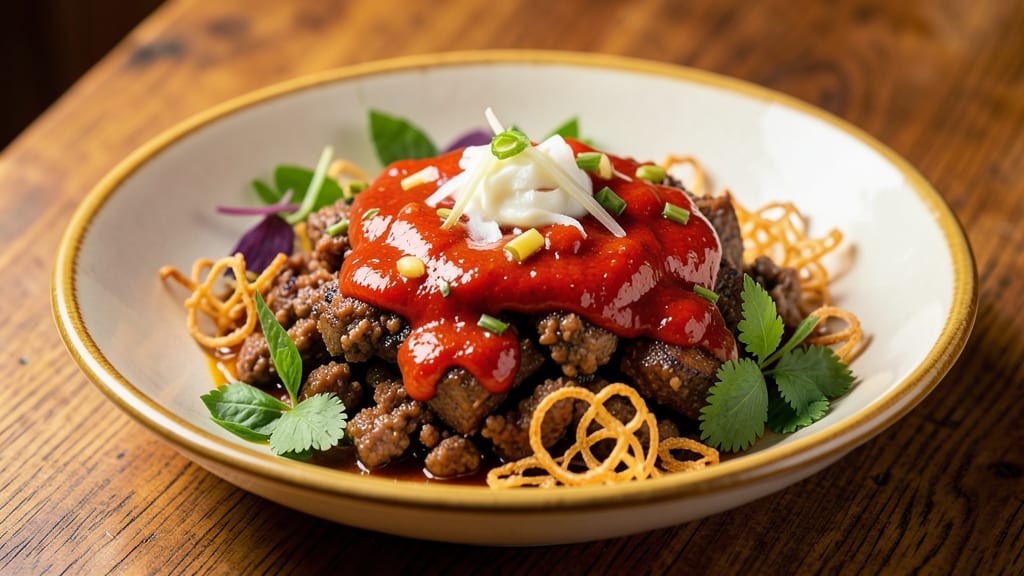
This mince pork Thai recipe delivers restaurant-quality lemongrass-coconut flavors in just 30 minutes—no shortcuts, just balanced Thai technique. The secret lies in fresh aromatics like lemongrass and galangal, combined with coconut milk and fish sauce for that signature umami depth.
I developed this during a busy week when I needed a dish that felt special but came together quickly—it became an instant weeknight staple.
The magic happens in the stir-fry process, where minced pork cooks until tender yet retains texture, absorbing the fragrant coconut-lemongrass sauce. Fresh herbs like Thai basil and cilantro brighten the dish at the end, while a squeeze of lime adds that essential tang.
This recipe serves four generously, making it perfect for feeding a family or sharing with friends who'll swear it's from a Bangkok street stall.
What you'll end up with is a velvety, aromatic curry that's rich but not heavy—each bite delivers layers of sweet, sour, and savory in perfect harmony. The sauce clings to the pork, creating a luxurious mouthfeel without being overly thick.
Serve it over jasmine rice or with steamed rice noodles for the full Thai experience.
For extra authenticity, I recommend serving with quick-pickled vegetables on the side to cut through the richness. The recipe scales easily, so double it for leftovers that reheat beautifully. This is the kind of dish that transforms a simple weeknight into a flavor adventure—without requiring hours in the kitchen.
Ingredients for mince pork thai
Fresh aromatics and pantry staples create this velvety Thai pork dish in just 30 minutes.
| Ingredient | Amount | Notes |
|---|---|---|
| Ground Pork 🐖 | 1 lb | Freshly ground preferred |
| Lemongrass Stalks 🌿 | 3 whole | Bruised and cut into 1-inch pieces |
| Galangal Root 🍃 | 1 piece | Peeled and sliced thinly |
| Coconut Milk 🥥 | 1 can (13.5 oz) | Full-fat for richness |
| Fish Sauce 🍶 | 2 tbsp | Red Boat preferred |
| Thai Red Curry Paste 🌶️ | 2 tbsp | Maesri brand recommended |
| Garlic Cloves 🧄 | 4 cloves | Minced finely |
| Shallots 🧅 | 3 whole | Minced finely |
| Thai Basil Leaves 🌿 | ½ cup | Packed, stems removed |
| Cilantro Leaves 🌿 | ¼ cup | Chopped for garnish |
| Lime Juice 🍋 | 2 tbsp | Freshly squeezed |
| Brown Sugar 🍚 | 1 tbsp | Light or dark preferred |
| Vegetable Oil 🫒 | 2 tbsp | High smoke point |
| Salt 🧂 | ½ tsp | Diamond Crystal preferred |
| Black Pepper 🌶️ | ¼ tsp | Freshly ground |
The galangal and lemongrass are non-negotiable for authentic flavor—Asian markets carry them fresh, but if unavailable, galangal powder at half the amount works in a pinch. Look for stalks with vibrant green leaves and firm, unblemished roots. The Maesri Thai Red Curry Paste is worth hunting down—it has the perfect balance of heat and spice. For coconut milk, full-fat canned versions like Thai Kitchen provide the richest texture, though light coconut milk reduces calories by half without sacrificing too much creaminess.
No galangal? Ginger at double the amount mimics some of its peppery bite, though it won't be identical. Short on Thai basil? Regular basil plus a pinch of cinnamon gets you close, but the anise-like flavor is distinct. The fish sauce is essential for umami depth—Red Boat brand is the gold standard, but any reputable brand will do. For a vegetarian version, swap fish sauce for soy sauce plus a dash of miso paste. The brown sugar adds just enough sweetness to balance the heat, so don't skip it—coconut sugar works too for a more natural alternative.
Fresh herbs like Thai basil and cilantro should be stored in airtight containers with damp paper towels to maintain crispness for up to 5 days. The curry paste and coconut milk can be refrigerated for 1 month after opening, while fish sauce lasts 1 year unopened. This dish reheats beautifully—simmer gently on the stove to restore its velvety texture. For meal prep, portion into containers with a layer of lime juice to preserve color and prevent browning for up to 3 days.
Why You'll Love This Recipe
- One-Pot Magic: I swear by this recipe when I’m too tired to wash extra bowls—just brown the pork, toss in the lemongrass and galangal, then let the coconut milk do its creamy work. Minimal chopping, no fuss, and the house still smells like a Thai street stall by the time it’s done.
- Umami Bomb: That first spoonful? Chef’s kiss. The fish sauce cuts through the richness of the coconut milk while the galangal adds this earthy punch—like a Thai massage for your taste buds. Honestly, I’ve tried store-bought versions, and none hit this fresh, balanced flavor.
- Weeknight to Party: Between us, this dish works for lazy Tuesdays and when my in-laws drop by. Serve it over rice for a quick meal, or pile it into lettuce cups for a fancy appetizer. The same base, endless possibilities—no last-minute panic ordering.
- Budget-Friendly Luxury: Ground pork stretches far, and the aromatics (lemongrass, galangal) make it feel special without breaking the bank. Leftovers? Even better. The flavors deepen overnight, so I double the batch and freeze half—because reheated Thai curry is my secret weapon for busy mornings.
Step-by-step instructions for lemongrass-coconut pork
This velvety Thai dish comes together in 30 minutes with aromatic layers that balance heat, sweetness, and umami.
Prepare the Aromatics and Pork Base
Heat the 2 tablespoons vegetable oil in a large skillet over medium-high heat until shimmering. Add the 3 whole shallots and 4 cloves garlic, cooking for 2-3 minutes until fragrant and the shallots soften but don't brown. This foundational step builds flavor without burning the delicate aromatics.
Push the shallot mixture to the side of the pan and add the 1 lb ground pork, breaking it apart with a wooden spoon. Cook for 4-5 minutes until the pork loses its raw color and begins to brown. Here's the thing—don't overcrowd the pan or the pork will steam instead of sear. If needed, work in batches to ensure proper browning.
Develop the Curry Paste and Galangal
Reduce heat to medium and stir in the 2 tablespoons Thai red curry paste, cooking for 1 minute until fragrant. Add the 1 piece galangal root (sliced thinly) and the 3 lemongrass stalks (cut into 1-inch pieces), stirring for 30 seconds to integrate their citrusy, peppery notes. The galangal will release its distinctive aroma—this is where the dish gets its authentic Thai depth.
Pour in the 1 can (13.5 oz) coconut milk, scraping up any browned bits from the bottom of the pan. Bring to a gentle simmer, then add the 2 tablespoons fish sauce and 1 tablespoon brown sugar. Let it cook uncovered for 5 minutes, stirring occasionally, until the sauce thickens slightly and the coconut milk separates into a creamy layer on top.
Finish with Herbs and Acid
Remove the pan from heat and stir in the 0.5 cup Thai basil leaves and 0.25 cup cilantro leaves. The herbs should wilt slightly but remain vibrant. Add the 2 tablespoons lime juice, 0.5 teaspoon salt, and 0.25 teaspoon black pepper, giving everything a final stir. The acidity brightens the dish, cutting through the richness of the coconut milk.
Taste and adjust seasoning—you might need a touch more fish sauce for saltiness or lime juice for acidity. The sauce should coat the back of a spoon with a velvety texture but still be fluid enough to drizzle. Real talk: This is the moment that matters—balance is everything in Thai cuisine.
Serve Immediately with Fresh Garnishes
Divide the pork mixture among 4 serving bowls, ensuring each portion gets an even distribution of herbs and sauce. The dish should be served immediately while the aromatics are still vibrant. Garnish each serving with additional Thai basil leaves and cilantro leaves for color and freshness.
Traditionally, this dish is paired with steamed jasmine rice, which soaks up the rich coconut sauce beautifully. The contrast between the creamy pork and the fluffy rice creates the perfect balance. For extra authenticity, serve with a side of quick-pickled vegetables to add a tangy crunch.
Pro Tips For Making Mince Pork Thai
- Sear the Pork First: I learned this the hard way—skipping the sear means your pork will turn out mushy instead of tender with a slight crust. Cook the ground pork in a hot, oily pan until it’s just browned (about 3-4 minutes), then remove it. That quick sear locks in flavor and texture before you add the aromatic stuff.
- Pound the Galangal: Galangal’s tough fibers won’t break down like ginger does. Smash it with the flat side of a knife or a meat mallet until it’s bruised and releasing its oils—no need to chop fine. This makes a real difference in how much flavor you actually get into the dish.
- Simmer, Don’t Boil: After adding coconut milk and fish sauce, keep the heat low enough that you see tiny bubbles at the edges, not a full-on rolling boil. Boiling turns the coconut milk grainy and can make the galangal bitter. Patience here guarantees a smooth, creamy sauce.
- Use Two Fish Sauces: Sounds weird, but it works: add half the fish sauce upfront with the aromatics, then save the rest for the end. The first batch builds depth, while the second brightens the dish. (Your future self will thank you—trust me, I’ve tasted the alternative.)
Common mistakes when making this dish
Overcooking the Pork
Ground pork cooks faster than you might expect, and once it turns gray, it’s already past its prime. I’ve seen home cooks leave it in the pan too long, resulting in dry, rubbery texture.
The goal is to cook it until it just loses its raw color—about 4-5 minutes over medium-high heat. If your pork starts to shrink dramatically or release excess grease, it’s overdone. The secret is to work in batches if needed to avoid crowding the pan. 🔥
Skipping the Aromatics
Lemongrass and galangal are non-negotiable for authentic flavor, but some cooks skip them for convenience. If you omit these, you’ll lose that signature Thai depth. I’ve used ginger as a substitute in a pinch, but it won’t replicate the citrusy, peppery complexity.
Bruise the lemongrass stalks with the side of your knife before cutting—they’ll release more flavor. The galangal should be peeled and sliced thinly to infuse the sauce properly.
Ignoring the Sauce Separation
The coconut milk will naturally separate into a creamy layer on top as it simmers—this isn’t a mistake, it’s part of the process. Some cooks try to force it back together, but that ruins the texture.
Instead, let it cook uncovered for 5 minutes to thicken slightly. Stir gently to redistribute the creaminess, but don’t overmix. The sauce should coat the back of a spoon but remain fluid enough to drizzle. 💫
Over-Salting or Under-Seasoning
Fish sauce is salty, but it’s easy to misjudge the balance. Taste as you go—start with 2 tablespoons and adjust. I’ve seen dishes ruined by too much salt or not enough acidity. The brown sugar adds sweetness, while the lime juice brightens everything.
If your dish tastes flat, it likely needs more fish sauce or lime. Trust your palate—Thai cuisine thrives on balance, not one-dimensional flavors.
Using Low-Quality Ingredients
Not all coconut milk or fish sauce is created equal. I recommend Thai Kitchen full-fat coconut milk and Red Boat fish sauce for the best results. Cheap brands can make the dish taste off or overly salty.
The same goes for Thai red curry paste—Maesri brand is worth the investment. Fresh herbs like Thai basil and cilantro make a difference too. Don’t skimp on these staples, or your dish will lack depth and authenticity.
Not Serving Immediately
This dish is best served fresh while the aromatics are still vibrant. The herbs wilt quickly, and the sauce can separate further if left sitting. I’ve seen cooks reheat it, but the texture suffers—it becomes grainy and loses its velvety quality.
Serve it right away with jasmine rice and quick-pickled veggies to cut through the richness. The contrast is what makes it unforgettable. ⏰
Nutrition facts
Frequently asked questions
Can I substitute ground beef for the pork in this recipe?
While ground beef works in a pinch, it won't deliver the same tender texture or authentic flavor. For best results, stick with pork—its fat content renders beautifully and absorbs the coconut-lemongrass sauce more effectively. If you must use beef, choose 80% lean ground beef and cook it slightly longer to render fat.
What if I can't find galangal or lemongrass?
No problem! For galangal, use double the amount of ginger (peeled and sliced) to mimic its peppery bite. For lemongrass, substitute with 1 tablespoon lime zest plus 1 tablespoon lime juice—it won't be identical but adds citrusy brightness. Both substitutions will work, though the dish will lose some authentic depth.
How spicy is this recipe, and can I adjust it?
The Thai red curry paste provides mild heat, but you can easily adjust it. For less spice, reduce the paste to 1 tablespoon and add ½ teaspoon sugar to balance. For more heat, add ½ teaspoon chili flakes or 1 teaspoon sambal oelek at the end. Always taste as you go!
Can I make this dish ahead of time?
While the flavors develop best when served fresh, you can prep components ahead. Make the sauce (without herbs) up to 1 day ahead and reheat gently. For the pork, cook it fully, then refrigerate in an airtight container for 2 days. Reheat in a skillet with a splash of coconut milk to restore creaminess.
What's the best way to store leftover coconut milk?
Store opened coconut milk in its can or a sealed container in the fridge for up to 1 week. For longer storage, freeze it in ice cube trays—perfect for future curries! Thaw overnight in the fridge and stir well before using, as the cream will separate. Avoid freezing in the original can.