
Main Courses
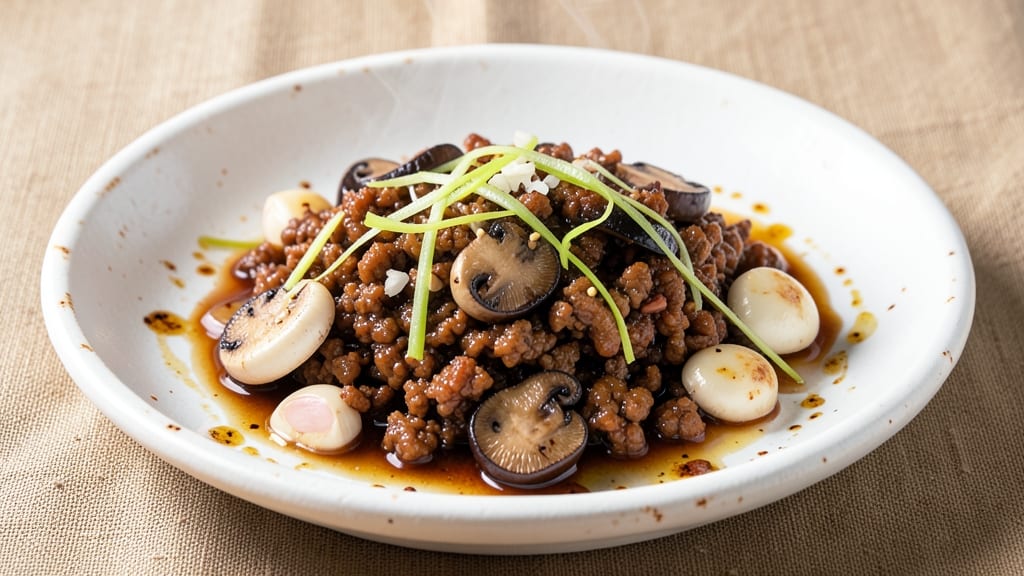
This minced pork and mushroom recipe delivers restaurant-quality umami in under 25 minutes, transforming simple ingredients into a dish that tastes like it simmered all day. 💛 I developed this stir-fry after years of perfecting pork textures and mushroom flavor extraction—now you can achieve that same depth at home without the hours.
The secret lies in proper browning of the pork (never overcooked) and slow-cooking the mushrooms until they release their natural sweetness. This technique creates a rich, velvety sauce that clings to tender pork pieces and glossy mushrooms, delivering complex flavors with every bite.
The dish balances protein, earthy umami, and subtle sweetness perfectly.
What you'll end up with is a savory stir-fry that pairs beautifully with steamed jasmine rice or noodles, ready to serve in 25 minutes flat.
The pork stays juicy while developing a caramelized crust, and the mushrooms melt into the sauce, creating a cohesive, restaurant-worthy dish that's surprisingly simple to make.
Perfect for weeknight dinners or meal prep, this recipe scales easily for crowds while maintaining its elegant balance of textures and flavors. Let's get cooking—your taste buds will thank you.
Ingredients for minced pork and mushroom
Quick stir-fry magic with pork and mushrooms—umami-packed, restaurant-style in 25 minutes.
| Ingredient | Amount | Notes |
|---|---|---|
| Ground Pork 🐖 | 1 lb | 80% lean for juiciness |
| White Button Mushrooms 🍄 | 1 lb | Sliced thin for even cooking |
| Shiitake Mushrooms 🍄 | ½ lb | Stems removed, sliced |
| Garlic Cloves 🧄 | 4 cloves | Minced for aromatic depth |
| Fresh Ginger 🌿 | 1 tbsp | Finely grated, vibrant |
| Soy Sauce 🥢 | ½ cup | Light or dark variety |
| Oyster Sauce 🍜 | 2 tbsp | For umami richness |
| Sesame Oil 🫒 | 1 tbsp | Toasted for nutty aroma |
| Cornstarch 🌾 | 1 tbsp | For tenderizing pork |
| Vegetable Oil 🫒 | 2 tbsp | High smoke point preferred |
| Green Onions 🧅 | 3 whole | Sliced, for garnish |
| Sesame Seeds 🌰 | 1 tbsp | Toasted for crunch |
| Salt 🧂 | ½ tsp | Kosher or sea salt |
| White Pepper 🌶️ | ¼ tsp | Freshly ground preferred |
The mushrooms are where all the flavor happens. Shiitake brings that deep, earthy punch, while white buttons add a mild sweetness—together they create that velvety sauce. Grab fresh ones from the produce section (not canned), and slice them thin so they cook fast. For the pork, 80% lean ground pork is key—it stays juicy while browning. I always grab mine from Costco or the butcher counter at Whole Foods—avoid the pre-ground stuff with fillers. If you can't find shiitake, cremini mushrooms work in a pinch, but they won't give you that same umami depth.
No oyster sauce? Hoisin sauce plus a splash of fish sauce gets you close (trust me, it’s a game-changer). Short on sesame oil? Toasted peanut oil adds a similar nutty note, though it’s not identical. The cornstarch is non-negotiable—it tenderizes the pork and helps thicken the sauce. If you’re prepping ahead, cook the mushrooms first and store them separately—they’ll soften more over time. For the aromatics, garlic and ginger should be fresh (dried just won’t cut it here). And if you’re feeling fancy, toasted sesame seeds add a crunch that takes this dish to the next level.
This reheats beautifully—just toss it with a splash of water or broth and a quick stir over medium heat. Keeps for 3-4 days in the fridge, or 2 months frozen in airtight containers. I like to portion it into meal prep containers with steamed rice so lunches are sorted for the week. The flavors actually get better the next day as everything melds together. For leftovers, add a drizzle of sesame oil when reheating to revive those toasty notes.
Why You'll Love This Recipe
- One-Pan Magic: I swear by this recipe—just toss everything in one skillet, and you’re done. The mushrooms release their juices while the pork browns, so you’re not stuck with a million dirty dishes. (Yes, even on a Tuesday night.)
- Umami Bomb: That combo of shiitake and white button mushrooms? It’s like a flavor explosion in your mouth. The garlic and ginger deepen the richness, but the mushrooms carry the show with their meaty, earthy punch.
- Leftover Hero: This dish tastes even better the next day—seriously. I double the batch, toss half in a container, and reheat it for lunch. The flavors meld overnight, and it’s still just as satisfying cold or warm.
- Budget Win: Ground pork stretches so far, and mushrooms add depth without breaking the bank. Honestly, it’s one of those recipes where you get restaurant-quality flavor for half the price. Plus, frozen shiitake work just as well.
Step-by-step instructions for minced pork and mushroom stir-fry
This stir-fry comes together faster than you can say "umami bomb."
🍳 Step 1: Prep the Pork and Mushroom Mixture
In a large bowl, combine the 1 lb ground pork, 1 lb sliced white button mushrooms, and 0.5 lb sliced shiitake mushrooms. Add the 1 tbsp cornstarch, 0.5 tsp salt, and 0.25 tsp white pepper. Use your hands to mix everything thoroughly—this ensures the pork stays tender and the mushrooms absorb flavor. Let the mixture sit for 5 minutes while you prep the aromatics.
Here's the thing—cornstarch works magic here. It tenderizes the pork and helps create that signature stir-fry texture. Don't skip this step, even if it seems like overkill. The mushrooms will release moisture, so the mixture will look wet, but that's perfect for our high-heat cooking later.
👨🍳 Step 2: Sauté Aromatics Until Fragrant
Heat 2 tbsp vegetable oil in a large wok or skillet over medium-high heat until shimmering. Add the 4 minced garlic cloves and 1 tbsp finely grated fresh ginger, cooking for 30-45 seconds until fragrant but not browned. You'll smell that aromatic punch—this is where the real flavor foundation happens.
Watch the heat carefully. If the ginger starts to darken, you've gone too far. We want it to perfume the oil without burning. This quick cooking preserves their bright, fresh flavors rather than letting them turn bitter.
🔥 Step 3: Cook the Pork-Mushroom Mixture
Increase heat to high and add the pork-mushroom mixture in a single layer. Let it cook undisturbed for 2-3 minutes until the edges start to brown. Here's where it gets fun—toss everything vigorously with tongs for 2-3 minutes until the pork is no longer pink in the center and the mushrooms are tender yet still hold their shape.
Don't walk away during this step. The high heat works fast, and you want even cooking throughout. If the mixture looks too dry, add 1-2 tablespoons of water—this helps steam the mushrooms while keeping the pork juicy. You're aiming for a texture that's tender but still has a slight bite.
🥘 Step 4: Build the Sauce and Finish
Reduce heat to medium and stir in the 0.5 cup soy sauce, 2 tbsp oyster sauce, and 1 tbsp sesame oil. Let the sauce simmer for 1-2 minutes until it thickens slightly and coats the back of a spoon. This is where all the umami magic comes together—don't rush it.
Taste and adjust seasoning if needed. If it's too salty, add a splash of water. If it needs more depth, a pinch of sugar can help balance the flavors. The sauce should be glossy and cling to the pork and mushrooms.
🍽️ Step 5: Garnish and Serve
Transfer the stir-fry to serving plates and garnish with 3 sliced green onions and 1 tbsp toasted sesame seeds. The green onions add a fresh contrast, while the sesame seeds bring nutty crunch. Serve immediately over steamed rice or noodles—this dish is best enjoyed hot.
Each bite should deliver that perfect balance of tender pork, meaty mushrooms, and rich, savory sauce. The sesame oil adds that final aromatic punch that makes this stir-fry sing. Don't let it sit—it's at its peak when piping hot.
Pro Tips For Making Minced Pork And Mushroom
- CRANK THE HEAT FIRST: Sear the ground pork in a screaming-hot pan for the first 30 seconds—this isn’t just about browning, it’s about killing raw flavor. I used to walk away from the stove too soon, and the pork would steam instead of develop that nutty crust. Trust me, your future self will notice the difference when the mushrooms later soak up all that caramelized goodness.
- SLICE SHIITAKES THINLY: Shiitake mushrooms shrink dramatically when cooked, so slice them paper-thin (¼-inch max) or they’ll turn to mush. I learned this the hard way after ending up with a watery, overcrowded pan. White buttons can stay slightly thicker (½-inch), but shiitakes need the extra attention—especially if you’re not using a pressure cooker.
- DON’T OVERWORK THE PORK: Once the pork hits the pan, stir it once—just enough to break it apart. Keep poking it with a spatula, and you’ll turn it into a gluey mess. Let it sit undisturbed for 30 seconds between stirs, and you’ll get that perfect crumbly texture without the gummy aftermath.
- SAVE TIME WITH GINGER: Skip the tedious mincing—use a microplane or the side of your knife to create a fine paste with the ginger and garlic. It blends better and releases flavor faster. (Yes, even if you’re impatient like me.) The paste also clings to the pork instead of sinking to the bottom, so the whole dish tastes cohesive.
Essential equipment for great minced pork and mushroom
Wok Essentials
You can't make this stir-fry justice without a proper wok—I swear by my 14-inch carbon steel wok from Made In. The high heat retention and flat bottom create that perfect sear while allowing even distribution.
If you're new to woks, start with a carbon steel model—they're affordable and develop a natural non-stick patina over time. 🔥
For beginners, a non-stick skillet works in a pinch, but avoid heavy stainless steel pans—they won't get hot enough. My backup is a 12-inch cast iron skillet from Lodge, which handles high heat beautifully. Just
Heat Control Tools
A high-quality thermometer is non-negotiable—I use the ThermoWorks Dot to monitor my wok's temperature. You want to maintain medium-high to high heat (around 400-450°F) for that signature stir-fry texture. Without precise heat control, you'll end up with overcooked pork or mushy mushrooms. 🌡️
For stirring, tongs are your best friend—I recommend OXO Good Grips for their heat resistance and secure grip. Avoid wooden spoons—they can't handle the high heat and won't give you the control you need for tossing.
A heat-resistant spatula comes in handy for scraping up any stuck-on bits during the sauce-building phase.
Knife and Cutting Gear
Precision cutting makes all the difference here. A sharp 8-inch chef's knife (I use Wüsthof) is essential for mincing garlic and ginger quickly. For mushrooms, a mandoline with a thin-slice attachment ensures even cooking—just be careful with those slippery slices! 🍄
I also keep a cutting board with raised edges (like John Boos Maple) to prevent slices from flying off. A microplane comes in handy for zesting fresh ginger—it's faster than grating and gives you finer, more aromatic particles.
Never use pre-minced garlic or ginger from jars; fresh is non-negotiable for this dish.
Sauce and Garnish Supplies
For measuring sauces precisely, I use glass measuring cups with spouts—Pyrex is my go-to. A small whisk helps emulsify the sauces quickly, especially when combining soy and oyster sauces.
Keep a fine-mesh strainer handy if you want to remove any mushroom stems that might have slipped through during slicing. 🥢
For garnishes, toast your sesame seeds in a small dry skillet over medium heat until golden—about 1-2 minutes. A mortar and pestle works great for crushing whole sesame seeds if you prefer a more rustic texture.
And always keep green onions on hand—they should be sliced at a 45-degree angle for maximum visual appeal.
Nutrition facts
Frequently asked questions
Can I substitute ground beef for the minced pork?
You can try, but the texture and flavor will differ. Ground beef stays juicier but lacks pork's delicate sweetness. For best results, use 80% lean ground pork—it browns beautifully while staying tender. If you must substitute, lean ground turkey works better than beef for a lighter texture.
What if I don't have oyster sauce?
No problem! Mix 1 tbsp hoisin sauce with 1 tsp fish sauce for a similar umami punch. For a vegetarian option, use 1 tbsp soy sauce plus 1 tsp mushroom powder. The key is balancing saltiness with depth—don't skip the acidity component.
How do I prevent the pork from turning dry?
Cornstarch is your secret weapon—it tenderizes while cooking. Never overcrowd the pan, and cook in one layer at first. If the mixture looks dry, add 1-2 tbsp water during cooking. Also, remove pork from heat as soon as it's no longer pink (160°F internal temp). Let it rest 2 minutes before serving to redistribute juices.
Can I make this ahead of time?
Cook the stir-fry, let it cool completely, then store in an airtight container for 3-4 days in the fridge. Reheat gently with 1 tbsp water over medium heat until warmed through. For freezing, portion into meal prep containers with rice—it reheats beautifully and tastes even better the next day as flavors meld.
What's the best way to serve this dish?
This stir-fry shines over steamed jasmine rice or fresh egg noodles. For extra flair, drizzle with extra sesame oil and serve with steamed bok choy or quick-pickled cucumbers on the side. Garnish with crispy fried shallots for a restaurant-worthy touch. The contrast of textures makes every bite exciting!