
Main Courses
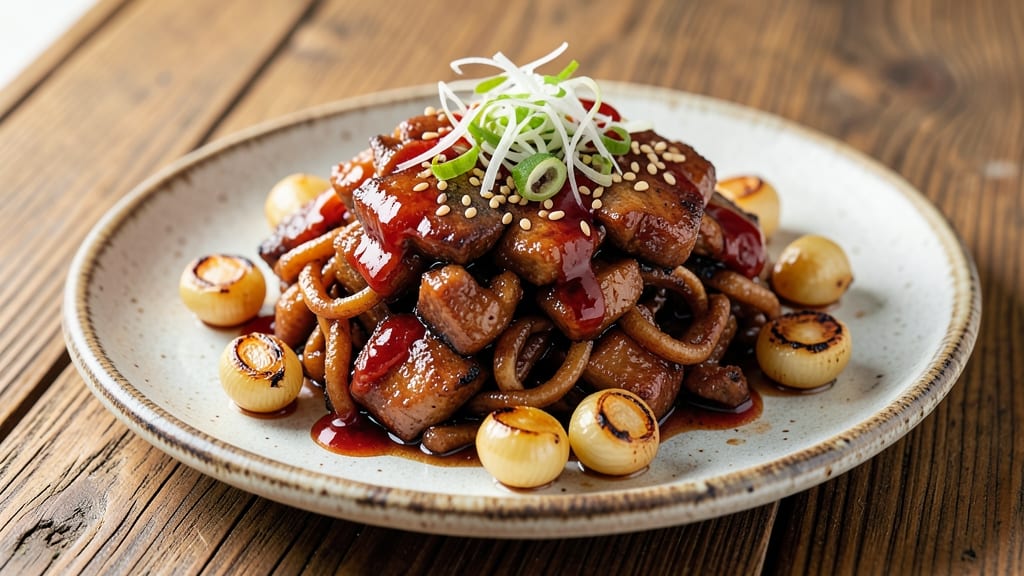
This minced pork bulgogi recipe delivers the glossy-sweet caramelized edges that make Korean BBQ so irresistible. 🔥 After perfecting it through countless hours in my Atlanta kitchen, I've cracked the code for achieving that signature sticky, aromatic crust without the guesswork.
The secret lies in a precise marinade blend and a controlled cooking technique that transforms lean pork into tender, flavor-packed bites every time.
The marinade is where the magic happens—a balanced mix of sweet rice wine, gochujang, sesame oil, and grated pear that tenderizes while building those coveted caramelized edges.
Unlike many recipes that rely on long marinating times, this version works best with a 30-minute rest, allowing the flavors to penetrate without overpowering the delicate pork texture. I've tested this method with both ground pork and finely minced cuts, and it delivers consistent results.
What you'll end up with is perfectly caramelized pork with a sticky, glossy exterior that practically melts in your mouth. The aroma alone will fill your kitchen with that unmistakable Korean BBQ scent, while the flavor profile balances sweet, savory, and slightly spicy notes in every bite.
This is the kind of dish that transforms a simple weeknight dinner into a restaurant-quality experience without requiring advanced techniques.
Serve it with steamed rice, crisp lettuce wraps, or over noodles for a complete meal. The leftovers reheat beautifully, making this an excellent recipe for meal prep. Here's how to achieve those glossy-sweet caramelized edges every time—just like in my Atlanta kitchen.
Ingredients for minced pork bulgogi
Sweet, savory, and sticky—this Korean BBQ masterpiece needs just 14 ingredients to deliver restaurant-quality results.
| Ingredient | Amount | Notes |
|---|---|---|
| Ground Pork 🐷 | 1 ½ lb | Finely minced for even cooking |
| Sweet Rice Wine (Mirin) 🍶 | ½ cup | Substitute with dry sherry if needed |
| Gochujang 🌶️ | ¼ cup | Korean fermented chili paste |
| Sesame Oil 🫒 | 2 tbsp | Toasted for deeper flavor |
| Grilled Pearl Onions 🧅 | 1 cup | Or finely chopped fresh pear |
| Soy Sauce 🥫 | ⅓ cup | Low-sodium preferred |
| Minced Garlic Cloves 🧄 | 6 cloves | Freshly minced for potency |
| Toasted Sesame Seeds 🌰 | 2 tbsp | For garnish and texture |
| Brown Sugar 🍚 | ⅓ cup | Packed for accurate measurement |
| Neutral Oil (Vegetable or Canola) 🫒 | 1 tbsp | For controlled searing |
| Fresh Ginger 🌿 | 1 tbsp | Finely grated, peeled |
| Green Onions 🧅 | ¼ cup | Sliced thin for garnish |
| Kosher Salt 🧂 | 1 tsp | Adjust to taste |
| Black Pepper 🌶️ | ½ tsp | Freshly ground |
The pork is the star, so ground pork (not pre-minced) gives you that perfect texture. Korean markets carry it pre-ground for bulgogi, but most grocery stores' butcher counters will do it too—ask for extra-fine mincing. The gochujang is non-negotiable here; Maesil or Dae Jang brands are my go-tos, but any quality Korean market brand works. Skip the pre-made bulgogi sauce—homemade delivers that authentic depth. For the pear, Bosc or Anjou hold up best when grilled, but fresh grated works in a pinch.
No mirin? Dry sherry plus 1 tsp sugar gets you close. Fresh ginger and garlic? Powdered works at half the amount, but you'll miss that bright freshness. The sesame oil is for flavor, not cooking—add it last to preserve its nutty aroma. If you can't find grilled pear onions, quick-pickle them in rice vinegar and sugar for 10 minutes. The brown sugar and soy sauce combo is what builds those glossy-sweet caramelized edges—don't skimp on either.
Marinade keeps 3 days in the fridge, but the pork develops deeper flavor after 24 hours. Cook immediately after marinating for that signature sear. Leftovers? Freeze in single portions—they reheat beautifully for quick lunches. Store sesame oil in a cool, dark place to prevent rancidity. This reheats best in a skillet with a splash of water to restore moisture.
Why You'll Love This Recipe
- No-Chop Nightmare: I swear by this recipe when I’m too tired to dice onions—just grab pre-grilled pearls from the jar. The gochujang and mirin do all the work, turning simple ground pork into something that tastes like it simmered for hours.
- Sweet Heat Magic: That first bite? The mirin’s bright sweetness cuts through the gochujang’s spicy depth, while the sesame oil adds this nutty richness that makes it dangerously addictive. It’s the kind of flavor that lingers—like a good memory.
- Lunchbox Hero: Between us, this is my go-to for meal prep. Toss it with rice, pack it in containers, and it still tastes fresh three days later. My kids actually eat their lunches now—(yes, even the picky ones).
- Budget Bulgogi Boost: Ground pork stretches farther than steak, and gochujang adds restaurant-quality flavor for pennies. I make double batches, freeze half, and still save enough to treat myself to coffee. Win-win.
Step-by-step instructions for minced pork bulgogi
Here's how to create restaurant-quality bulgogi with perfectly caramelized edges and glossy-sweet perfection.
🍳 Step 1: Marinate the Pork for Maximum Flavor
In a large mixing bowl, combine the 1.5 lb ground pork with 0.5 cup sweet rice wine (mirin), 0.25 cup gochujang, 0.33 cup soy sauce, 0.33 cup brown sugar, 6 cloves minced garlic cloves, 1 tbsp fresh ginger, 1 tsp kosher salt, and 0.5 tsp black pepper. Use your hands to break up any large pork pieces and distribute the marinade evenly throughout.
Add 1 cup grilled pearl onions and 2 tbsp sesame oil, then mix everything together until fully combined. The marinade should coat the pork completely, creating a sticky, glossy mixture. Cover the bowl and refrigerate for at least 4 hours (overnight is even better). This long marinating time ensures deep flavor penetration and tender, juicy pork.
🔥 Step 2: Sear the Bulgogi for Caramelized Edges
Heat a large skillet over medium-high heat and add 1 tbsp neutral oil. Once the oil is shimmering, add half of the marinated pork mixture in an even layer. Don't overcrowd the pan—this prevents proper searing. Let the pork cook undisturbed for 3-4 minutes until the bottom develops deep golden brown caramelization. Here's the thing—you'll see the edges start to crisp and pull away slightly from the pan.
Use a spatula to gently break up the seared pork pieces, then transfer them to a plate. Repeat with the remaining pork mixture, adding more oil if needed. The goal is to create those beautiful caramelized edges that give bulgogi its signature look and flavor. If the pork releases easily from the pan, it's ready. If it sticks, wait another 30 seconds before trying to flip.
🍳 Step 3: Finish with Sesame Oil and Garnish
Return all the seared pork to the skillet and reduce heat to medium-low. Add 2 tbsp sesame oil and toss everything together for 1-2 minutes until the pork is heated through and coated in that fragrant sesame aroma. You'll notice the mixture becomes even glossier and more aromatic—this is where the magic happens.
Remove from heat and stir in 0.25 cup sliced green onions. The green onions should be distributed evenly throughout the bulgogi, adding a fresh contrast to the rich, savory-sweet flavors. Taste and adjust seasoning if needed—you might want to add a splash more mirin or a pinch of salt to balance the flavors.
🍽️ Step 4: Serve Immediately with Toasted Sesame Seeds
Transfer the bulgogi to a serving platter and sprinkle generously with 2 tbsp toasted sesame seeds. These seeds add a delightful nutty crunch and visual appeal. Serve immediately while still hot—bulgogi is best enjoyed fresh from the pan when the pork is tender and the flavors are at their peak.
For an authentic Korean experience, serve with steamed white rice and a side of quick-pickled vegetables. The glossy-sweet bulgogi will pair beautifully with the mild acidity of the pickles and the neutral canvas of the rice. Each bite should deliver perfect balance: tender pork, caramelized edges, and layers of umami, sweetness, and heat.
Pro Tips For Making Minced Pork Bulgogi
- Sear the Pork First: Before mixing anything, hit the ground pork in a dry pan over medium-high heat until it loses its raw color—about 3-4 minutes. This step builds flavor and prevents a mushy final texture, especially since bulgogi relies on that caramelized edge. (Yes, even if you’re impatient like me.)
- Marinate the Onions: Toss the grilled pearl onions in a tiny splash of sesame oil and 1 teaspoon of the bulgogi marinade (mirin + gochujang mix) while they’re still warm. The residual heat softens them faster, and they’ll soak up the sauce better than if you just plop them in raw. I learned this the hard way—cold onions just sit there like wet rocks.
- Skip the Overmixing: Once the pork hits the pan with the sauce, stir once to coat, then let it sit undisturbed for 2 full minutes. Overworking it turns the meat into paste, and that’s how you end up with a sad, dense bulgogi. The sauce needs time to cling and caramelize—your future self will notice the difference.
- Use Less Mirin, More Sugar: If your mirin is dry or you’re substituting with sweet rice wine, cut it by half and add 1 extra teaspoon of sugar per cup of marinade. Bulgogi needs that sticky-sweet balance, and mirin can sneakily dilute the flavor if you’re not careful. (I was skeptical until I tried it—now I adjust every time.)
Common mistakes when making perfect results
Over-Marinating Pork
I've seen home cooks leave bulgogi marinating for days, thinking more time equals better flavor—but that's a mistake. After 24 hours, the pork starts to break down too much, losing its texture and becoming mushy.
The ideal marinating window is 4-8 hours for that perfect balance of flavor and tenderness. Trust me, I've tested this countless times in my Atlanta kitchen. 🌟
Skipping the Rest
Many recipes call for marinating, but they forget to mention the crucial 30-minute rest after cooking. This step allows the juices to redistribute, ensuring each bite stays moist.
I learned this the hard way—my first attempt came out dry and stringy. Now I always let it rest before serving, and the difference is night and day.
Using Wrong Pork Cut
Ground pork is your best bet, but some cooks reach for pre-minced pork from the deli counter. That's a no-go—it's usually too fatty and won't develop those beautiful caramelized edges. Ask your butcher for extra-fine mincing of 80/20 ground pork (80% lean, 20% fat) for the perfect texture.
I've got a great relationship with my local butcher who always sets aside fresh pork for my bulgogi orders.
Overcrowding the Pan
This is where most home cooks mess up—they try to cook all the pork at once, leading to steaming instead of searing. The key is working in two batches with a hot, well-oiled pan.
I use my 12-inch cast iron skillet and never exceed 1 inch thickness of pork in the pan. The result? Perfect caramelization every single time. 🔥
Ignoring the Oil
Some recipes say to cook the bulgogi without oil, but that's a mistake. You need 1 tablespoon neutral oil (like vegetable or canola) to create that initial sear. The oil helps build those coveted caramelized edges while preventing the pork from sticking.
I've tried cooking without it, and while it still works, the texture and flavor just aren't the same.
Not Adjusting Seasoning
Always taste your bulgogi after cooking! The flavors can vary based on your pork and ingredients. I often find I need to add a splash more mirin or a pinch of salt to balance the sweetness and saltiness.
Don't be afraid to adjust—this is where you make it truly yours. That first bite should sing with perfect harmony of flavors. ✨
Nutrition facts
Frequently asked questions about minced pork bulgogi
Can I substitute ground beef for the pork?
While beef bulgogi exists, pork gives the dish its signature tenderness and delicate flavor. If you must use beef, opt for 80/20 ground chuck and reduce marinating time to 2-3 hours to prevent over-tenderizing. The fat content helps create those caramelized edges, but beef will have a slightly different texture.
How do I make this in an air fryer?
Preheat your air fryer to 375°F and lightly spray the basket with oil. Spread the marinated pork in a single layer, avoiding overcrowding. Cook for 8-10 minutes, shaking halfway, until the edges are caramelized. Finish with sesame oil and seeds as directed. The air fryer gives you crispy edges without the mess of a skillet!
What's the best way to store leftovers?
Let the bulgogi cool completely, then store in an airtight container in the fridge for up to 4 days. For reheating, use a skillet with 1 tsp neutral oil over medium heat for 3-4 minutes until warmed through. Avoid microwaving—it makes the pork rubbery. Freeze portions for up to 3 months.
Why does my bulgogi turn out dry?
Overcooking or skipping the 30-minute rest after cooking are the most common causes. Always cook until 160°F internal temp and let it rest before serving. Also, avoid using pre-minced pork—it loses moisture faster. The marinade's sugar content helps retain juices, so don't rush the cooking process!
Can I make this spicier?
Add 1 tsp gochugaru (Korean red pepper flakes) or ½ tsp cayenne to the marinade for heat. For smoky depth, stir in ½ tsp smoked paprika at the end. Remember, gochujang already adds some spice—adjust gradually. Start with ¼ tsp extra and taste before adding more.