
Side Dishes
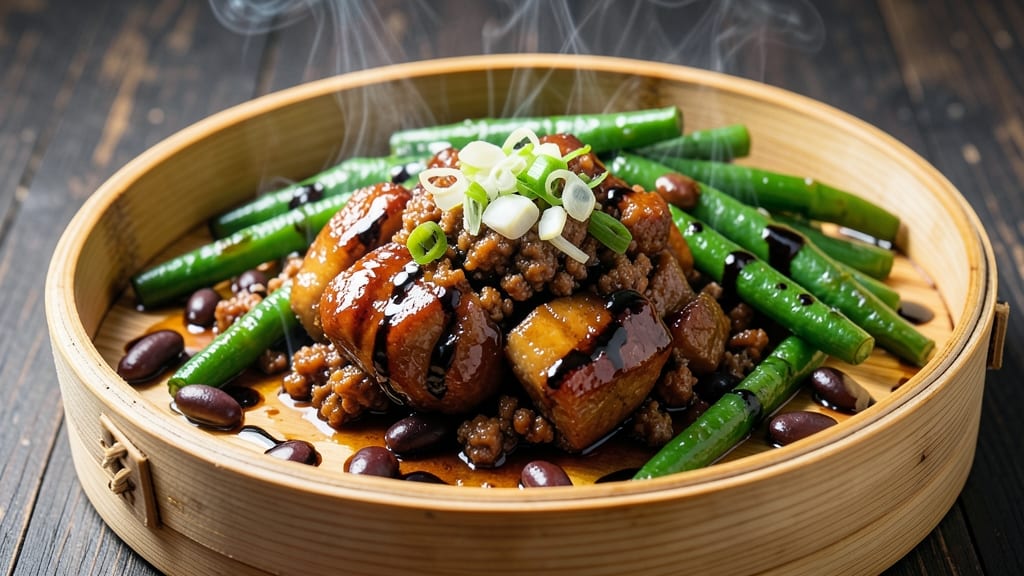
This minced pork and green beans Chinese recipe delivers the smoky, aromatic essence of wok-hei in every bite—just like the dishes I learned to make in Charleston’s dim sum houses. 🔥 The secret lies in high-heat stir-frying that transforms tender pork into crispy, caramelized bits while keeping the green beans vibrant and snappy.
I’ve perfected this technique over years of cooking for crowds, balancing sweet soy, ginger, and garlic for that signature umami depth.
The beauty of this dish is its simplicity—just 15 minutes of active cooking yields a restaurant-quality result. We start with ground pork seared until golden, then toss in fresh green beans that blister just enough to retain their crunch.
A splash of Shaoxing wine and fermented bean paste elevates the flavors, creating a sauce that clings perfectly to both pork and vegetables. This method works equally well in a wok or large skillet, making it accessible for home cooks.
What you’ll end up with is a dish that’s bold yet balanced—sweet, savory, and slightly smoky with a satisfying bite. The pork stays juicy while developing a crispy crust, and the green beans add freshness that cuts through the richness.
Serve it over steamed rice or alongside dumplings for an authentic Chinese meal experience that feels like a homecoming.
This recipe is equally at home as a weeknight dinner or a special occasion dish. The leftovers reheat beautifully, making it perfect for meal prep. Whether you’re cooking for family or treating yourself, the combination of textures and flavors will leave everyone asking for seconds. Let’s get cooking!
Ingredients for minced pork green beans chinese
Quick stir-fry essentials that pack restaurant-style flavor in every bite.
| Ingredient | Amount | Notes |
|---|---|---|
| Ground Pork 🐷 | 1 lb | Lean or regular, not extra lean |
| Green Beans 🥦 | 1 ½ lb | Fresh, trimmed and cut into 2-inch pieces |
| Shaoxing Wine 🍷 | 2 tbsp | Substitute with dry sherry if unavailable |
| Fermented Black Beans 🌿 | 2 tbsp | Drained, or use 1 tbsp black bean paste |
| Light Soy Sauce 🥄 | 2 tbsp | Kikkoman preferred for authentic flavor |
| Dark Soy Sauce 🥄 | 1 tbsp | For color and depth |
| Fresh Ginger 🧄 | 1 tbsp | Finely grated, peeled |
| Garlic Cloves 🧄 | 4 cloves | Minced, peeled |
| Sugar 🍚 | 1 tbsp | White or brown |
| Sesame Oil 🫒 | 1 tbsp | Toasted, for aroma |
| Neutral Oil 🫒 | 2 tbsp | Vegetable or canola |
| White Pepper 🌶️ | ¼ tsp | Freshly ground |
| Cornstarch 🌾 | 1 tbsp | For thickening |
| Green Onion 🧅 | 3 whole | Sliced, for garnish |
The pork makes this dish, so grab ground pork with good fat content—none of that extra-lean stuff. Trader Joe's or Costco usually have the best quality at reasonable prices. Green beans should be fresh, not waxy—look for bright green ones with crisp ends. If you can't find fermented black beans, Trader Joe's carries a great paste in the Asian foods aisle. Shaoxing wine is the secret weapon here, but dry sherry works in a pinch. For the ginger, grab a fresh root and grate it yourself—pre-grated loses its punch fast. The garlic? Freshly minced makes all the difference, but jarred minced is fine if you're in a rush.
No Shaoxing wine? Dry sherry or even a splash of rice vinegar gets you close. Skip the fermented black beans? Miso paste at half the amount adds depth. The sugar is non-negotiable—it balances the saltiness and brings out the umami. For the sesame oil, toasted is key—it adds that nutty aroma. If you're making this ahead, store the sauce separately and toss it with the pork and beans just before serving. The cornstarch? Mix it with a splash of water first to avoid clumping. And that white pepper? Freshly ground adds a subtle heat that jarred pepper can't match.
Pork and beans keep 3-4 days in the fridge if stored separately—toss them together right before eating. The sauce? 1 week in the fridge, but I like to freeze half for quick stir-fry nights. For extra crispy pork, pat it dry before cooking. Leftovers reheat beautifully—just add a splash of water and stir-fry for 2 minutes. This dish is a crowd-pleaser, so double the recipe if you're feeding more than four.
Why You'll Love This Recipe
- One-Pan Magic: I swear by this recipe when I’m too tired to scrub pots—just toss everything in one skillet, stir, and walk away. The green beans crisp up while the pork browns, and the fermented black beans add that deep, savory punch without extra cleanup.
- Umami Bomb: That first bite? The Shaoxing wine and fermented black beans turn this into a flavor powerhouse—sweet, salty, and a little funky in the best way. It’s the kind of dish that makes you go back for seconds without even thinking.
- Lunchbox Hero: Between us, this is my go-to for packing leftovers. The pork stays tender, the green beans hold their crunch, and the sauce clings perfectly. Toss it in a container, and it’s a restaurant-quality meal at work or school—no reheating required.
- Budget Stretch: Ground pork and green beans are cheap staples, but this recipe makes them feel special. A splash of Shaoxing wine (or dry sherry in a pinch) and a handful of fermented black beans elevate it to something that tastes like a splurge, even when it’s not.
Step-by-step instructions for stir-fried minced pork with green beans
Here's how to nail this classic Chinese stir-fry—crispy pork, tender green beans, and that signature wok-hei flavor.
🍳 Step 1: Prep Ingredients for Maximum Wok-Hei
Start by trimming the 1.5 lb green beans and cutting them into 2-inch pieces. Blanch them in boiling water for 1 minute—this softens them slightly while keeping their vibrant color. Drain and set aside, tossing with a pinch of salt to prevent browning.
While the beans cook, finely mince the 4 cloves garlic and grate the 1 tbsp fresh ginger. Measure out all your sauces: 2 tbsp light soy sauce, 1 tbsp dark soy sauce, 2 tbsp Shaoxing wine, and 1 tbsp sugar. Mix these in a small bowl—the dark soy sauce will give that signature deep color while the sugar balances the acidity.
For the fermented black beans, drain them well if using canned, or break up the black bean paste into small chunks. These add that unmistakable funky depth to the dish. Keep all your prepped ingredients within arm's reach—this stir-fry moves fast!
🔥 Step 2: Cook the Pork Until Golden and Crispy
Heat a wok or large skillet over high heat until it's smoking hot. Add 2 tbsp neutral oil and swirl to coat. Working quickly, add the 1 lb ground pork and stir-fry for 3-4 minutes until it loses its raw color and starts to crisp at the edges.
Here's the thing—don't rush this step. You want the pork to develop a nice crust. If it sticks, break it up with a spatula and keep cooking. After about 2 minutes, add the fermented black beans and stir for another 30 seconds until they're heated through and fragrant.
Push the pork mixture to one side of the wok and add the minced garlic and grated ginger. Stir for 10 seconds until fragrant—you'll smell that fresh, zesty aroma. This is where the flavors really start to come alive.
🥘 Step 3: Combine Everything and Add the Sauce
Add the blanched green beans to the wok and stir-fry for 1-2 minutes until they're heated through and slightly wilted. You want them to stay crisp but tender—not mushy. If your wok isn't hot enough, the beans will steam instead of stir-fry.
Now pour in the sauce mixture and the 2 tbsp Shaoxing wine. Stir everything together vigorously for 1 minute until the sauce coats the pork and vegetables evenly. The alcohol will help deglaze the wok, picking up all those delicious browned bits.
Sprinkle the 1 tbsp cornstarch over the mixture and stir for another 30 seconds. This will help thicken the sauce just enough to coat everything without making it gluey. Taste and adjust seasoning—you might need a little more light soy sauce or white pepper if needed.
🔥 Step 4: Finish with Sesame Oil for That Signature Aroma
Turn off the heat and immediately add the 1 tbsp sesame oil. Stir quickly—this oil burns fast and adds that nutty, aromatic punch that's key to authentic Chinese stir-fries. The oil should coat everything evenly but not smoke excessively.
Give everything one final taste. The dish should be balanced—sweet from the sugar, salty from the soy sauces, funky from the fermented beans, and fresh from the ginger and garlic. If it's too thick, add a splash of hot water to loosen it.
Transfer the stir-fry to serving plates and garnish with the sliced 3 whole green onions. Serve immediately over steamed rice—this dish is best enjoyed hot with all that wok-hei heat!
Pro Tips For Making Minced Pork Green Beans Chinese
- STIR FAST, STOP EARLY: The pork cooks in seconds—watch it like a hawk. Once it’s just slightly opaque (not pink), pull it out. Overcooking turns it rubbery, and you’ll regret it when the beans steal the show. I learned this after a batch where the pork tasted like shoe leather.
- BLANCH BEANS SMART: Hit the green beans with boiling water for exactly 1 minute—no more. Undercooked? They’ll be mushy. Overcooked? They’ll turn to mush anyway. Drain, shock in ice water, then pat very dry. Wet beans make the stir-fry soggy, and no one wants that.
- SOAK FERMENTED BEANS: Rinse the fermented black beans, then soak them in warm water for 10 minutes. They’ll soften and release their umami punch without overpowering the dish. Skipping this? You’ll taste the grit, and that’s a vibe no one asked for.
- USE WINE LAST: Add the Shaoxing wine after the pork is out of the pan. It cooks off fast and needs to flavor the beans at the end. Dump it in early, and you’ll just smell booze instead of taste it. Trust me, the beans deserve that final splash.
Troubleshooting this recipe
Pork Too Greasy?
If your pork ends up greasy and unappetizing, you likely didn’t drain it properly or used pork with too much fat. Start with lean ground pork (but not extra-lean) and pat it completely dry with paper towels before cooking.
I swear by Trader Joe’s ground pork—it has just enough fat for flavor without excess grease. Also, avoid overcrowding the wok; cook in batches if needed. 🔥
Beans Turning Mushy?
Overcooking the green beans is the usual culprit here. They should only stir-fry for 1-2 minutes after adding to the wok—just until heated through. If your beans are still crisp after this time, your wok isn’t hot enough.
Preheat your wok or skillet over high heat for 5 minutes before adding oil. For extra insurance, blanch them first (as in the recipe) to soften slightly before stir-frying.
Sauce Too Thin?
A thin sauce usually means you didn’t thicken it enough. The 1 tbsp cornstarch is your secret weapon—mix it with 1 tbsp water first to prevent clumping, then stir it into the sauce at the end.
If it’s still too thin after cooking, sprinkle in another ½ tbsp cornstarch and stir for 30 seconds. For a quicker fix, add 1 tsp soy sauce to intensify flavor without adding liquid.
Funky Fermented Beans Overpowering?
Fermented black beans add depth, but too much can make the dish taste harsh. Start with 1 tbsp fermented black bean paste (or 2 tbsp drained canned beans**) and adjust to taste.
If the flavor is still too strong, balance it with an extra ½ tbsp sugar or 1 tsp Shaoxing wine. For a milder option, substitute with 1 tbsp miso paste—it adds umami without the same funk.
Pork Not Crispy Enough?
Crispy pork is all about heat control. Your wok or skillet must be smoking hot before adding the pork. If it’s not browning properly, let it heat for an extra 2-3 minutes until it’s nearly smoking.
Work in small batches if needed—overcrowding steams the pork instead of searing it. For extra crispiness, spread the cooked pork on a wire rack for 5 minutes before adding the sauce. 💫
Dish Tastes Bland?
Blandness usually means insufficient seasoning or undercooked aromatics. Make sure your garlic and ginger are freshly minced and cooked until fragrant (10 seconds max). Taste as you go—add more light soy sauce for saltiness, white pepper for subtle heat, or a pinch of sugar to balance flavors.
A splash of rice vinegar (just ½ tsp) can also brighten the dish if it’s too flat.
Nutrition facts
Frequently asked questions
Can I use ground turkey or chicken instead of pork?
Yes, but expect a different texture and flavor profile. Ground turkey or chicken will be leaner and less fatty, so add 1 extra tablespoon of oil to prevent dryness. Use 1 lb of poultry and cook for 4-5 minutes until fully done. The dish will be lighter but still delicious—just reduce the Shaoxing wine to 1 tbsp to avoid overpowering the milder meat.
What if I can't find fermented black beans?
No problem! Substitute with 1 tbsp black bean paste (like Trader Joe's) or 1 tbsp miso paste for umami depth. For a simpler option, use 1 tbsp soy sauce + ½ tsp sesame paste. The fermented beans add funky complexity, but these alternatives will still give you great flavor. If using canned black beans, drain and chop them finely before adding to the pork.
How do I make this recipe less spicy?
This recipe isn't traditionally spicy, but if you want to reduce any heat, skip the white pepper and use ½ tsp ground white pepper instead. For extra mildness, add ½ tsp sugar or 1 tsp honey to balance flavors. The dish relies on ginger and garlic for aroma rather than heat, so those can stay as-is for authentic flavor.
Can I make this ahead of time?
Store the cooked pork and beans separately in airtight containers for 3-4 days in the fridge. When ready to eat, reheat in a wok or skillet with 1 tsp oil over medium-high heat for 3-4 minutes. Add the sauce fresh to restore that wok-hei flavor. For best results, serve over freshly steamed rice to keep everything crisp.
What's the best way to serve this dish?
This stir-fry pairs perfectly with steamed jasmine rice or egg fried rice. For a complete meal, serve with small steamed dumplings or hot and sour soup. The dish also works well as a filling for steamed buns or spring rolls. Garnish with extra green onions and a drizzle of toasted sesame oil for that restaurant-quality finish.