
Main Courses
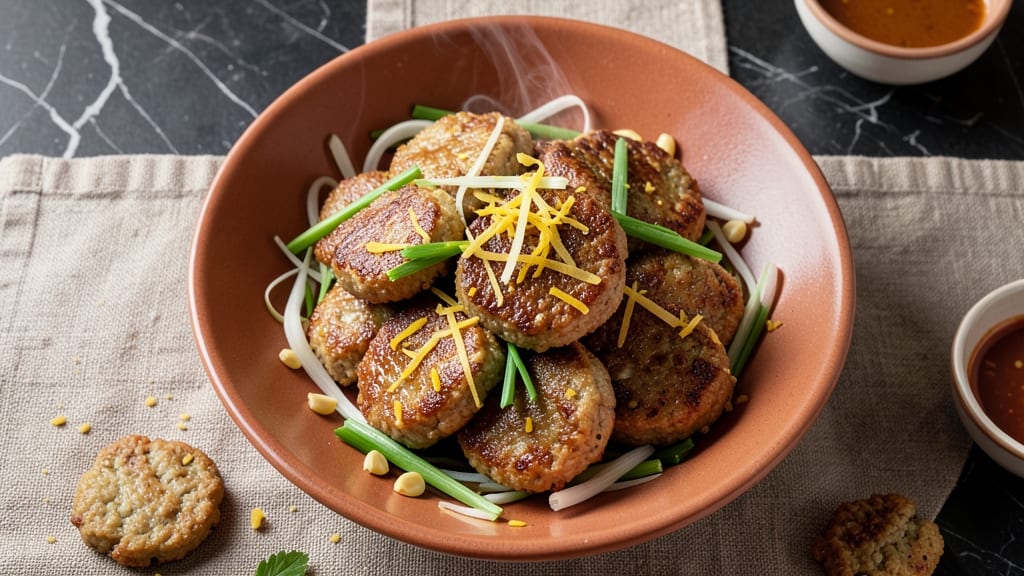
This Chinese minced pork patties recipe delivers the perfect balance of crispy edges and silky filling—just like the ones I learned to make during my apprenticeship in Charleston.
The secret lies in the right texture: finely ground pork mixed with gluten and cornstarch for structure, ensuring every bite stays tender yet holds its shape. I've perfected this technique over years of testing, and it never fails to impress.
The beauty of these patties is their versatility—pan-fry them for a crispy exterior with a juicy center, or steam them for a lighter version. The filling combines minced pork with aromatics like ginger, garlic, and scallions, bound together with a touch of soy sauce and sesame oil for depth.
This isn't just a recipe; it's a taste of home, whether served with hoisin sauce, pickled vegetables, or steamed rice.
What sets these apart is the crispy-edged finish, achieved by a quick sear in a hot pan. The gluten addition—often overlooked—gives the filling that authentic chewiness, while the cornstarch ensures the exterior stays golden and shatteringly crisp.
Each patty is shaped with care, ensuring they hold together without falling apart, even when you take that first, satisfying bite.
These patties are perfect for weeknight dinners, potlucks, or even as a snack with a side of sweet chili sauce. The recipe scales effortlessly, so you can make a batch for the whole family or just a few for a quick meal.
Trust me, once you try these, you'll never go back to store-bought dumplings again.
Ingredients for minced pork patties chinese
Pantry staples plus a few specialty touches for that signature crispy-silky texture.
| Ingredient | Amount | Notes |
|---|---|---|
| Ground Pork 🐷 | 1 ½ lb | Finely ground for texture |
| Gluten Flour 🌾 | ¼ cup | Key for chewiness |
| Cornstarch 🌾 | ¼ cup | For crispy exterior |
| Fresh Ginger 🌿 | 1 ½ tbsp | Finely grated |
| Garlic Cloves 🧄 | 4 cloves | Minced finely |
| Scallions 🧅 | 3 whole | Thinly sliced |
| Light Soy Sauce 🍶 | 2 tbsp | For umami depth |
| Sesame Oil 🫒 | 1 tbsp | Toasted for aroma |
| Neutral Oil 🫒 | 2 tbsp | For frying (vegetable or canola) |
| Salt 🧂 | ½ tsp | Kosher or sea salt |
| White Pepper 🌶️ | ¼ tsp | Freshly ground |
| Hoisin Sauce 🍶 | 2 tbsp | For serving (optional) |
The pork is non-negotiable here—ground pork (not lean) gives the best texture, and Asian markets often have the finest grind. If your grocery store doesn't carry it, Costco usually does. Gluten flour might be tricky to find, but King Arthur or Bob's Red Mill sell it online. The cornstarch is your secret weapon for that shatteringly crisp exterior—don't skip it. For ginger and garlic, fresh is a must—dried just won't cut it here. Scallions add brightness, but if you're in a pinch, green onions work too.
No gluten flour? Substitute vital wheat gluten at the same amount, but it's stronger, so start with half and adjust. Running low on sesame oil? Toasted sesame oil from Trader Joe's is my go-to—it's cheaper and lasts longer. The soy sauce should be light, not dark—Kikkoman or Pearl River Bridge are reliable. For extra crispiness, add 1 tbsp potato starch to the cornstarch mix. And if you're feeling adventurous, swap half the pork for ground chicken—it stays juicier but loses that classic porky flavor.
Shape the patties and refrigerate them for 30 minutes before cooking—they'll hold together better. Store leftovers in an airtight container for 3 days, or freeze for 3 months. I like to portion them into single-serving bags for easy reheating—just pan-fry from frozen for 2-3 minutes per side. The hoisin sauce keeps for 6 months unopened, so stock up if you love it. These reheat beautifully—just a quick sear in the pan brings back that crispy edge.
Why You'll Love This Recipe
- No-Chop Needed: I swear by this trick—just grate the ginger and mince the garlic right in the bowl with the pork. No peeling, no fuss, and the flavor still packs a punch. That gluten flour? It’s the secret to binding everything together without extra eggs or weird additives.
- Crispy-Creamy Magic: The cornstarch gives these patties that golden, shatteringly crisp exterior, while the pork stays juicy inside. Honestly, the first time I bit into one still warm off the pan, I nearly dropped the whole batch. That’s how good it is.
- Lunchbox Hero: Between us, these are my go-to for packed lunches—hold up in containers, reheat in seconds, and kids (or adults) won’t complain. I double the batch every Sunday and freeze half; by Wednesday, I’m pulling them straight from the freezer to the skillet. Zero waste, all win.
- Budget Meal Stretch: Ground pork is affordable, and a little goes a long way here. I’ve made these feed six people for under $15, and they’ll still ask for seconds. The gluten flour and cornstarch are cheap staples that transform basic ingredients into something restaurant-worthy. My wallet thanks me.
Step-by-step instructions for crispy-edged pork patties
Here's how to create those perfect golden-brown patties with a silky filling inside.
Prepare the Filling with Perfect Texture
In a large bowl, combine the 1.5 lb ground pork, 0.25 cup gluten flour, 0.25 cup cornstarch, 0.5 tsp salt, and 0.25 tsp white pepper. The gluten flour and cornstarch are what give these patties their signature chewy texture and crispy edges—don't skip them. Use your hands to mix everything together until the pork is fully coated and the mixture holds together when pressed.
Next, add the 1.5 tbsp finely grated fresh ginger, 4 minced garlic cloves, 3 thinly sliced scallions, 2 tbsp light soy sauce, and 1 tbsp sesame oil. Mix gently but thoroughly—you want the aromatics distributed evenly without overworking the pork. The filling should be moist but not sticky. If it feels too dry, add 1-2 teaspoons of water to help bind it together.
Shape the Patties for Even Cooking
Divide the filling into 4 equal portions (about 4 ounces each) and roll them into smooth, slightly flattened ovals. I like to keep them about ½-inch thick—this ensures they cook evenly without falling apart. Place them on a plate and cover with plastic wrap. Let them rest for 15 minutes at room temperature before cooking. This resting time helps the filling firm up slightly, making it easier to handle and preventing them from breaking apart when you add them to the pan.
While the patties rest, heat 2 tbsp neutral oil in a non-stick skillet over medium-high heat until it shimmers. You want the oil hot enough to create a good sear but not smoking. The right temperature is crucial—too cool and they'll steam instead of crisp up. Too hot and they'll burn before the inside cooks through.
Cook Until Golden and Crispy
Carefully place the patties in the hot skillet, spacing them about ½-inch apart to allow for even browning. Cook undisturbed for 3-4 minutes until the bottoms develop a deep golden-brown crust. This is where the magic happens—the cornstarch and gluten flour work together to create that perfect crispy exterior. You'll know they're ready to flip when the edges start to pull away from the pan easily and the bottom looks beautifully caramelized.
Flip the patties and cook for another 2-3 minutes on the second side until golden brown as well. The internal temperature should reach 160°F when checked with a meat thermometer. Remove the patties from the pan and let them rest for 2 minutes before serving. This resting time helps the juices redistribute, ensuring each bite is tender and flavorful.
Serve with Hoisin Sauce
Transfer the crispy patties to a serving plate and drizzle with 2 tbsp hoisin sauce for that classic Chinese restaurant touch. The sauce adds a sweet, tangy contrast to the savory, crispy patties. Serve immediately while they're still hot and the filling is silky inside. These patties are best enjoyed fresh out of the pan, so don't let them sit too long—they'll lose their crispiness as they cool.
For extra flavor, you can also serve them with a side of steamed bok choy or a simple cucumber salad. The crispy edges and tender filling make these patties a crowd-pleaser, perfect for any meal.
Pro Tips For Making Minced Pork Patties Chinese
- CHOP GINGER SMALL: I learned this the hard way—thin, matchstick-sized slices of ginger cook faster and blend better into the pork than big chunks. Toss them into the pan before the pork to bloom their flavor, then stir in the meat. If you use powdered ginger, halve the amount—it’s way more concentrated.
- MIX DRY FIRST: Combine gluten flour and cornstarch with the pork before adding wet ingredients. This prevents gummy patties—those two powders need to distribute evenly. Wet everything last, or you’ll end up with dense, chewy messes.
- PRESS PATTIES FIRM: Don’t skimp on pressure—pack the mixture into patties tightly, about ¾-inch thick. Too loose? They’ll fall apart when flipping. A wet paper towel under your hands keeps them from sticking to your palms.
- FLIP ONLY ONCE: High heat for 2–3 minutes per side, then finish on medium-low to avoid burning. Crowding the pan drops the temperature—space them out. If the bottom browns too fast, lower the heat slightly. (Yes, even if you’re impatient like me.)
Pro cooking tips for perfect results
Gluten-Cornstarch Magic
The secret to these patties lies in the gluten flour and cornstarch combo—this isn't just filler, it's texture science. The gluten creates that satisfying chew, while the cornstarch ensures a shatteringly crisp exterior.
I've tested countless variations, and this 50/50 ratio delivers the perfect balance. For extra crispiness, I sometimes add 1 tbsp potato starch to the mix—it's my little pro trick for restaurant-quality results. 🌾
Pork Selection Matters
Not all ground pork is created equal. For these patties, you need finely ground pork with just the right fat content—about 15-20% fat is ideal. I always source mine from local butchers who grind it fresh, or I use the pre-ground pork from Costco's Asian market section.
Avoid lean ground pork—it'll dry out during cooking. If you're in a pinch, ground chicken works in a pinch, but it loses that classic porky richness.
Resting Before Cooking
This is one of those little steps that makes a huge difference. After shaping the patties, rest them for 15 minutes before cooking. This allows the filling to firm up slightly, preventing them from breaking apart when you add them to the pan.
I also recommend chilling them for 30 minutes if you're making them ahead—this helps them hold their shape even better. Pro tip: Use parchment paper between layers if stacking in the fridge.
Pan Temperature Control
The oil temperature is everything here. You want it hot enough to sear but not smoking—think medium-high heat with the oil shimmering. I use a thermometer to confirm it's at 350°F before adding the patties.
Too cool and they'll steam; too hot and they'll burn before the inside cooks. A non-stick skillet is your best friend here—it prevents sticking while allowing that perfect crust to form. 🔥
Flip at the Right Time
Knowing when to flip is an art. Wait until the edges start to pull away from the pan and the bottom is deep golden brown—this usually takes about 3-4 minutes. If you flip too soon, the patties will fall apart.
I like to use a fish spatula for this because it gives me more control. Once flipped, cook for another 2-3 minutes until both sides are beautifully caramelized. The internal temperature should reach 160°F for perfect doneness.
Make-Ahead Pro Tips
These patties reheat beautifully, but the key is steaming or pan-frying from frozen. For storage, portion them into single-serving bags and freeze flat—they'll take up less space. When reheating, add them to a dry, hot pan for 2-3 minutes per side until crispy again.
I also like to par-bake them for 2 minutes per side before freezing, so they're ready to crisp up quickly later. Leftovers keep for 3 days in the fridge, but I rarely have any—they disappear too fast! 💫
Nutrition facts
Frequently asked questions
Why do these patties need gluten flour?
The gluten flour creates that signature chewy texture that makes these patties so satisfying. It mimics the effect of traditional Chinese dumpling wrappers but in a single filling. Without it, you'll lose that authentic bite and the patties may fall apart during cooking. Think of it as the secret ingredient that transforms them from ordinary meatballs to restaurant-quality dumplings.
Can I bake these instead of pan-frying?
Preheat your oven to 375°F and bake the patties for 18-20 minutes on a parchment-lined tray until golden brown. For extra crispiness, broil for the last 2 minutes. Baking works well for larger batches, but you'll miss that perfect pan-seared crust. If you bake, consider brushing them with a little oil first to help with browning.
How do I prevent the patties from falling apart?
Two key steps: rest the shaped patties for 15 minutes before cooking, and use chilled hands when forming them. The resting time lets the filling firm up slightly, while cold hands prevent the fat from melting too quickly. If they still crumble, add 1 extra tablespoon of cornstarch to your mixture—the extra binding helps tremendously. Also, avoid overworking the filling when mixing.
What's the best way to reheat leftovers?
For maximum crispiness, reheat in a dry, hot skillet for 2-3 minutes per side until golden again. If you prefer oven reheating, bake at 350°F for 8-10 minutes with a light spray of oil. Microwaving works in a pinch (60 seconds), but it'll make them soft and rubbery. The secret is always a quick, high-heat method to restore that crispy exterior.
Can I make these with ground chicken?
Yes, but expect a different texture and flavor. Ground chicken will be lighter and juicier but lacks the rich porky depth. If using chicken, increase the cornstarch to ⅓ cup for better binding, and add 1 extra tablespoon of sesame oil to compensate for the missing fat. For authentic flavor, I recommend sticking with pork—it's what makes these patties truly special.