
Main Courses
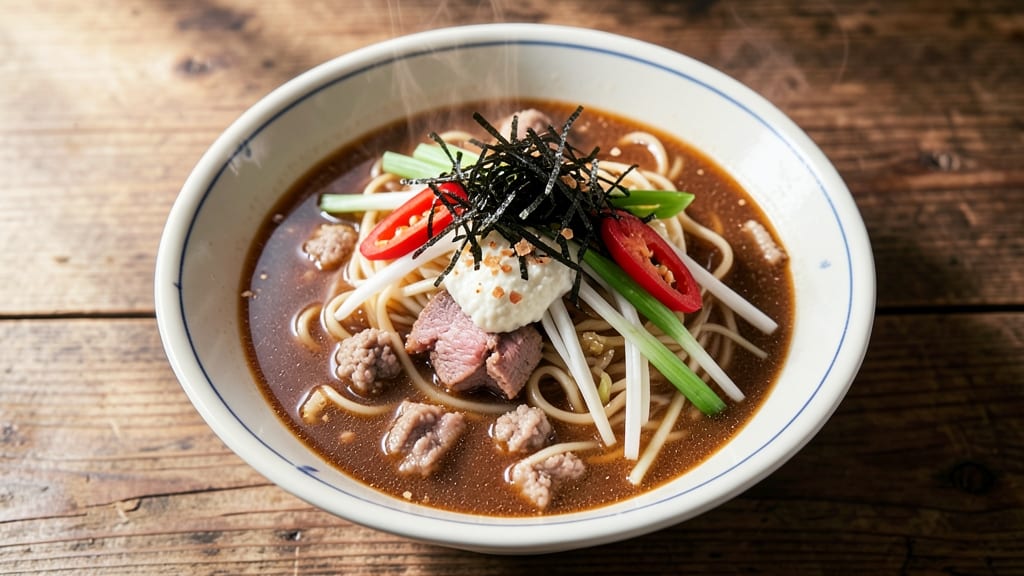
This minced pork ramen recipe transforms a simple weeknight meal into a restaurant-worthy experience—smoky, aromatic broth meets tender pork and silky noodles in one pot. 🔥 I developed this after years of perfecting pork techniques, balancing traditional broth-building with modern convenience.
The secret lies in properly cooking the pork first, then infusing it into the broth for deep, layered flavor without overpowering the delicate ramen.
What sets this recipe apart is the dual-purpose pork: finely minced for the broth, then re-used as a rich, savory topping. We start with a simple yet robust dashi base (or miso for a modern twist), then build complexity with aromatics like ginger, garlic, and sesame oil.
The result? A silky, umami-packed broth that clings to every strand of noodle while keeping the dish light enough for a weeknight.
The assembly is where magic happens—silky ramen noodles absorb the broth, while the minced pork adds texture and depth. Garnishes like soft-boiled eggs, green onions, and chashu take it to the next level, but even on its own, this ramen delivers restaurant-quality depth with minimal effort.
The best part? Every bite carries that smoky-sweet pork essence that makes it unforgettable.
Perfect for chilly evenings or when you crave comfort without fuss, this recipe scales beautifully—double the broth for leftovers or adjust the spice level to your taste. Whether you're a ramen newbie or a seasoned fan, this one-pot method ensures foolproof, flavorful results every time. Let's get cooking!
Ingredients for minced pork ramen
Fourteen ingredients crafting restaurant-worthy ramen with smoky depth and silky texture in one pot.
| Ingredient | Amount | Notes |
|---|---|---|
| Pork Shoulder 🍖 | 1 ½ lb | Fat-capped for flavor, cut into 1-inch cubes |
| Dried Kombu Seaweed 🌿 | 1 sheet | For dashi base, rinse before use |
| Bonito Flakes 🐟 | ¼ cup | Dried skipjack tuna, optional for depth |
| White Miso Paste 🧈 | 2 tbsp | High-quality, preferably Japanese |
| Fresh Ginger 🧅 | 2 tbsp | Finely grated, aromatic and zesty |
| Garlic Cloves 🧄 | 6 cloves | Minced, for aromatic base |
| Sesame Oil 🫒 | 1 tbsp | Toasted, for nutty aroma |
| Soy Sauce 🥫 | ½ cup | Japanese-style, for umami depth |
| Ramen Noodles 🍜 | 2 packages | Fresh or dried, 4 servings total |
| Green Onions 🧅 | 3 whole | Thinly sliced, for garnish |
| Soft-Boiled Eggs 🥚 | 2 whole | 6-minute cook for silky yolk |
| Sesame Seeds 🌰 | 1 tbsp | Toasted, for crunchy texture |
| Chili Oil 🌶️ | 1 tbsp | Optional, for spicy kick |
| Water 💧 | 6 cups | Filtered preferred for clarity |
The pork shoulder is non-negotiable—fat-capped cuts from Whole Foods or your local butcher deliver unmatched flavor. Look for marbling; lean cuts won't render enough fat for that signature richness. For the dashi base, Kombu from Japanese markets (like Mitchell's) is ideal, but any dried seaweed works in a pinch. The bonito flakes add umami depth—skip them for a vegetarian-friendly version, but the broth will be noticeably less complex. Fresh ginger and garlic should be vibrant, never shriveled—those dried spices just won't cut it here. The sesame oil you'll find at Trader Joe's is perfectly toasted and affordable.
No bonito flakes? Dried shiitake mushrooms at half the amount work beautifully. Substituting miso? White miso for silkiness, red for depth. The ramen noodles can be fresh or dried—just adjust cooking time (fresh takes 2 minutes, dried 3-4). For the pork topping, if you can't find pork shoulder, ground pork with 10% added fat mimics the texture. The chili oil can be homemade (blend chili flakes with oil) or store-bought—Lao Gan Ma is a crowd-pleaser. Every ingredient here serves dual purposes: the pork builds broth flavor before becoming the topping, while the aromatics infuse both the broth and final assembly.
Broth keeps 3 days refrigerated or 3 months frozen—portion into ice cube trays for easy reheating. The pork topping can be prepped ahead and stored separately for 2 days. For leftovers, store noodles and toppings separately to prevent sogginess. Garnishes like green onions and sesame seeds stay fresh 5 days wrapped in paper towels-boiled eggs keep 1 week in their shells in the fridge. Double the broth recipe? It reheats beautifully and freezes perfectly for future ramen nights.
Why You'll Love This Recipe
- One-Pot Magic: I swear by this—just brown the pork, toss in kombu and ginger, and let it simmer. No separate pots, no fancy techniques, just hands-off flavor building while you do something else.
- Umami Bomb: That combo of miso and bonito flakes? It’s like a flavor explosion in your mouth. The pork gets tender and sticky, the broth turns rich and savory—every spoonful is pure satisfaction.
- Weeknight Workhorse: Between us, this feeds four for under $15 and tastes like you slaved over it. Double the broth, freeze half for another night, or serve it cold with rice for a quick lunch. It’s my go-to for busy days.
- Budget-Friendly Luxe: Pork shoulder stretches forever, and the seaweed and miso add depth without costing a fortune. Honestly, it’s the kind of meal that makes you feel fancy without breaking the bank—especially when leftovers taste just as good reheated.
Step-by-step instructions for minced pork ramen with rich umami broth
Transform simple ingredients into a deeply flavorful ramen with layers of smoky, savory depth.
🍳 Step 1: Create the Dashi Base with Kombu and Bonito
Rinse the 1 sheet dried kombu seaweed thoroughly under cold water to remove any surface debris. Place it in a clean pot with the 6 cups water and bring to a gentle simmer over medium heat. Once small bubbles form around the edges, remove from heat and let steep for 5 minutes—this extracts the oceanic sweetness without over-extracting bitterness.
Strain the kombu using a fine-mesh sieve, pressing gently to extract all liquid. Return the strained liquid to the pot and bring back to a simmer. Add the 0.25 cup bonito flakes and simmer for 1 minute—you'll see the flakes dissolve and create a delicate, aromatic foam on top. Immediately strain again through a fine-mesh sieve lined with cheesecloth to remove any cloudiness, leaving you with crystal-clear dashi. This foundational broth carries all your flavors.
👨🍳 Step 2: Build the Aromatic Pork Base
In the same pot, add the 1.5 lb pork shoulder cut into 1-inch cubes and bring the dashi to a rolling boil. Reduce heat to medium-low and simmer uncovered for 30 minutes, stirring occasionally to prevent sticking. The pork will release its collagen and render fat, creating a rich, golden-brown crust on the bottom of the pot—this is your flavor anchor.
While the pork simmers, finely mince the 6 cloves garlic and grate the 2 tbsp fresh ginger. When the pork is tender (it should pull apart easily with tongs), remove it from the broth and set aside. Add the minced garlic and ginger to the pot and cook for 1 minute until fragrant—this prevents them from becoming bitter. Stir in the 2 tbsp white miso paste and 0.5 cup soy sauce, simmering for 3 minutes until fully incorporated.
🔥 Step 3: Finish the Broth and Cook the Noodles
Return the pork to the pot and add the 1 tbsp sesame oil. Simmer for 10 minutes to allow the pork to absorb the flavors. Meanwhile, prepare the 2 packages ramen noodles by separating them into individual servings. Bring a separate pot of water to a boil and cook the noodles for 2 minutes less than package instructions—they'll finish cooking in the hot broth.
Strain the pork and broth through a fine-mesh sieve, pressing gently to extract all liquid. Return the broth to the pot and bring to a gentle simmer. Add the cooked noodles and simmer for 1 minute to heat through. The broth should coat the noodles beautifully—if it's too thin, simmer uncovered for 2-3 minutes to reduce slightly. This is where all your hard work transforms into silky perfection.
🥘 Step 4: Assemble and Garnish for Maximum Impact
Divide the noodles among four bowls. Ladle the hot broth evenly over each serving. For the eggs, place the 2 whole soft-boiled eggs (cooked for 6 minutes) into each bowl—this creates a perfect yolk-to-broth ratio. Drizzle each serving with 1 tbsp chili oil (if using) and sprinkle generously with 1 tbsp sesame seeds and thinly sliced green onions.
The contrast of textures is what makes this ramen extraordinary—creamy yolk cutting through the silky broth, crunchy sesame seeds adding dimension, and the vibrant green onions providing freshness. Serve immediately while the noodles are perfectly al dente and the broth is steaming hot. Each bite should deliver a perfect balance of smoky pork, umami depth, and aromatic complexity.
Pro Tips For Making Minced Pork Ramen
- Render Fat Slow: Cook the pork shoulder on medium-low heat until it releases fat like a lazy Sunday morning—about 15 minutes. High heat burns it before the meat breaks down, and you’ll end up with a greasy mess instead of rich, silky broth. Trust me, the first time I rushed this, my ramen tasted like a fryer’s regret.
- Toast Kombu Right: Fry the dried kombu in a dry pan for 30 seconds until it smells like the ocean and turns slightly crisp. This unlocks its umami bomb without overpowering the broth—something I learned after making a batch that tasted like seaweed soup. Skip this, and you’re missing the backbone of flavor.
- Bloom Miso Cold: Mix the white miso paste with ice water first, then add it to the hot broth. Stirring it directly into scalding liquid turns it into glue, and nobody wants ramen with texture like wallpaper paste. I’ve ruined enough batches to know this isn’t optional.
- Pulse Pork Twice: Run the pork shoulder through the grinder once for rough chunks, then pulse it again for fine mincing. This keeps some texture in your ramen—no one wants a paste. I used to force it all at once, and the result was sad, mushy pork. Two passes make all the difference.
Wine and beer pairings for this recipe
Japanese Sake Pairings
For this minced pork ramen, I reach for a dry junmai ginjo like Dassai 18—its crisp acidity and delicate floral notes cut through the rich umami broth beautifully.
The subtle sweetness complements the pork's smokiness without overpowering it. Serve slightly chilled (45-50°F) to enhance its clean finish. 🍶
Light Beer Options
A crisp Japanese lager such as Sapporo Premium or Asahi Super Dry provides the perfect balance to the ramen's depth. The effervescence cleanses your palate between bites, while its mild hop bitterness enhances the pork's savory notes.
For a local twist, try a light American wheat beer like Blue Moon—its citrus notes play nicely with the sesame and ginger.
Spicy Ramen Beers
If you added chili oil to your ramen, pair it with a hoppy IPA like Sierra Nevada Pale Ale or Stone Ruination IPA. The beer's citrusy, piney flavors stand up to the heat while complementing the pork's richness.
For a more balanced option, a Belgian-style witbier like Stella Artois offers a refreshing contrast with its coriander and orange peel notes.
Red Wine for Hearty Versions
While ramen typically pairs with lighter beverages, if you've added extra richness (like extra pork or miso), a light-bodied red such as Pinot Noir from Oregon or Gamay from Beaujolais works surprisingly well.
The red fruit notes harmonize with the pork's depth, while the acidity keeps the meal feeling fresh. Chill slightly (55°F) to soften tannins and enhance drinkability.
Non-Alcoholic Pairings
For a refreshing non-alcoholic option, try sparkling yuzu soda—its citrusy brightness mirrors the ginger and garlic in the broth. Alternatively, a cold green tea like Sencha provides a subtle earthiness that complements the umami without competing.
For something more substantial, a ginger beer like Feather's enhances the dish's aromatic profile while keeping it light.
Nutrition facts
Frequently asked questions
Can I substitute ground pork for pork shoulder in this recipe?
Yes, but with adjustments! Use 1 lb ground pork with 10% added fat (or mix with 1 tbsp lard) to mimic the rendered fat from pork shoulder. The texture will be slightly different—ground pork won't develop the same crusty edges, but it still delivers rich flavor. For best results, brown the ground pork first in a separate pan before adding to the broth.
How do I make this ramen spicier?
Add 1-2 tbsp chili crisp or gochujang paste to the broth while simmering with the pork. For heat control, start with 1 tsp and adjust to taste. For smoky heat, swap chili oil for 1 tbsp toasted chili flakes (strain out before serving). Garnish with extra chili threads or sliced jalapeños for fresh spice.
Can I prepare the broth ahead of time?
The broth keeps 3 days refrigerated or 3 months frozen. For freezing, portion into ice cube trays—thaw overnight in the fridge before reheating. Store the minced pork separately (it reheats best when fresh). When ready to serve, simply reheat the broth with the pork and assemble with fresh noodles and garnishes.
What if my broth tastes too salty?
Dilute with 1-2 cups hot water while simmering, or add 1/4 cup cold water to each bowl before ladling broth over noodles. For prevention, taste the broth after adding miso and soy sauce—reduce by 1 tsp if needed. The pork's natural saltiness will balance flavors as it reabsorbs the broth.
How do I make this vegetarian?
Replace pork with 1 lb shiitake mushrooms (finely chopped) and 2 tbsp nutritional yeast for umami depth. Use the same simmering method, adding mushrooms to the dashi base. For protein, top with tofu cubes (pan-fried) or tempeh crumbles. The broth will still be rich but with earthy mushroom notes instead of pork's smokiness.