
Sauces & Condiments
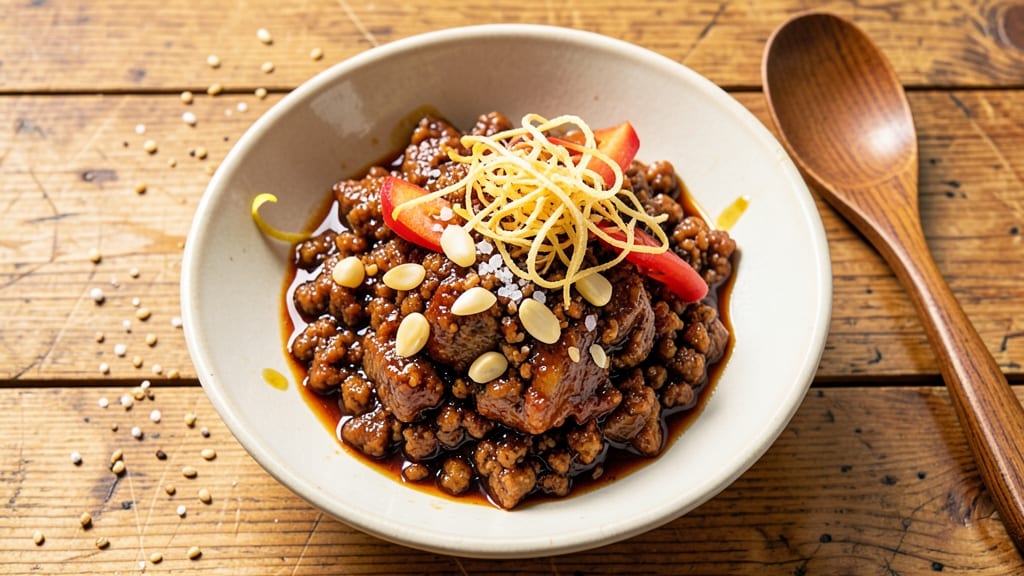
This minced pork soy sauce recipe transforms humble ingredients into a dish that balances rich umami with tender, savory perfection. The secret lies in properly mincing the pork for even cooking and building layers of flavor through a silky soy-based sauce that caramelizes beautifully.
I developed this recipe after years of perfecting stir-fry techniques, ensuring every bite delivers that perfect harmony of texture and depth.
The process begins with finely minced pork that cooks quickly over high heat, preventing toughness while developing a crispy exterior. A simple soy sauce base—enhanced with garlic, ginger, and a touch of brown sugar—creates a sauce that clings to the pork, infusing it with complex flavors.
The key is patience: letting the sauce reduce slightly while the pork finishes ensures maximum flavor absorption without drying out the meat.
What you’ll end up with is a dish that’s equally at home as a quick weeknight meal or an impressive dinner party centerpiece. The pork remains tender yet slightly crisp at the edges, while the sauce achieves that signature silky texture with just enough stickiness to coat every bite.
Serve it over steamed rice, nestled in noodles, or even stuffed into dumplings for a restaurant-quality experience at home.
This recipe’s versatility makes it a staple in any kitchen—adapt it to your favorite stir-fry style or use it as a filling for bao buns and spring rolls. The technique is straightforward, but the results are anything but basic. Let’s get cooking!
Ingredients for minced pork soy sauce
Finely minced pork meets umami-rich soy sauce for a dish that balances tender meat and silky texture.
| Ingredient | Amount | Notes |
|---|---|---|
| Ground Pork 🐖 | 1 lb | Finely minced for even cooking |
| Soy Sauce 🍶 | ½ cup | High-quality, preferably Japanese |
| Garlic Cloves 🧄 | 6 cloves | Minced finely for depth of flavor |
| Fresh Ginger 🌿 | 2 tbsp | Finely grated, not powdered |
| Brown Sugar 🍯 | 2 tbsp | Light or dark variety |
| Sesame Oil 🫒 | 1 tbsp | Toasted for nutty aroma |
| Cornstarch 🌾 | 1 tbsp | For thickening sauce |
| Neutral Oil 🫒 | 2 tbsp | Vegetable or canola oil |
| Green Onions 🧅 | 3 whole | Sliced thin for garnish |
| Sesame Seeds 🌰 | 1 tbsp | Toasted for garnish |
| Salt 🧂 | ½ tsp | Adjust to taste |
| Black Pepper 🌶️ | ¼ tsp | Freshly ground preferred |
| White Pepper 🌶️ | ¼ tsp | For subtle heat |
| Rice Vinegar 🍶 | 1 tbsp | For brightness |
The pork is the foundation—ground pork works best, but finely minced pork shoulder gives superior texture. For the soy sauce, Japanese brands like Kikkoman or Yamasa deliver the deepest umami, though any high-quality soy sauce will do. Fresh ginger and garlic are non-negotiable—powdered substitutes lack the complexity. Toast your sesame seeds and oil in a dry pan for 30 seconds before using—this step unlocks their nutty aroma. Buy ginger and garlic in bulk if you cook often; they keep well in the freezer.
No sesame oil? Toasted peanut oil works in a pinch, though the flavor will differ slightly. Running short on brown sugar? Honey or maple syrup can substitute at a 1:1 ratio, but the caramelization won't be identical. For extra depth, add a splash of Shaoxing wine (about 1 tbsp) to the sauce. The cornstarch is key for that signature silky texture—don't skip it. If you're using pre-minced pork, pat it dry first to prevent splattering. And always toast your aromatics first—this builds flavor layers that raw ingredients can't match.
This dish reheats beautifully—store leftovers in airtight containers for up to 4 days. For longer storage, freeze portions in single-serving containers for up to 3 months. Garnish with fresh green onions and sesame seeds right before serving; they add color and freshness that reheating can't replicate. Double the recipe if you're feeding a crowd—the extra sauce makes great dumpling filling or noodle topping. The pork stays tender when reheated, but add a splash of water if it seems dry.
Why You'll Love This Recipe
- One-Pan Magic: I swear by this recipe when I’m too tired to scrub pots—just brown the pork, toss in the soy-ginger mix, and let it simmer. That’s it. The brown sugar caramelizes right in the pan, so you don’t even need to deglaze.
- Umami Bomb: The combo of freshly grated ginger and minced garlic hitting the hot pork? It’s like a flavor explosion. The soy sauce ties it all together with that deep, salty richness—no fancy ingredients, just pure taste.
- Lunchbox Hero: Between us, this is my go-to for packed lunches. Cool it down, pack it in containers, and it stays perfect for days. My kids (and husband) fight over who gets the leftovers—no one complains about soggy sandwiches here.
- Budget Stretch: A pound of ground pork and a few pantry staples feed four for under $10. Honestly, I make it twice a month just because it’s that cheap and filling. The brown sugar adds a touch of sweetness without breaking the bank.
Step-by-step instructions for minced pork stir-fry sauce
Master this umami-rich sauce with a silky texture that elevates any stir-fry dish.
Prepare the Aromatics and Pork Mixture
In a large bowl, combine the 1 lb ground pork, 0.5 cup soy sauce, 2 tbsp brown sugar, 1 tbsp rice vinegar, 0.5 tsp salt, 0.25 tsp black pepper, and 0.25 tsp white pepper. Mix thoroughly until the pork is evenly coated and the mixture becomes sticky. This step ensures every bite carries deep flavor and a glossy finish. Let the mixture rest for 10 minutes while you prepare the aromatics.
In a separate small bowl, finely mince the 6 cloves garlic and grate the 2 tbsp fresh ginger. The garlic should resemble tiny specks, and the ginger should be so finely textured it almost disappears into the sauce. This level of prep guarantees a smooth, cohesive sauce without any chunky bits.
Sear the Pork for Maximum Flavor
Heat 2 tbsp neutral oil in a large skillet or wok over medium-high heat until shimmering. Add the pork mixture and cook for 5-6 minutes, stirring frequently, until the pork is no longer pink and the mixture begins to brown. You'll notice the edges start to crisp slightly—that's your signal to proceed.
Once the pork is fully cooked, remove it from the skillet and set it aside. The pork should be well-browned but still moist, not dry. This step builds the foundation of your sauce by developing deep, caramelized flavors through the Maillard reaction.
Build the Sauce Base with Aromatics
In the same skillet, reduce the heat to medium and add the minced garlic and grated ginger. Cook for 30 seconds until fragrant—you should smell that unmistakable aroma of garlic and ginger. Be careful not to let them burn, as they'll turn bitter quickly.
Pour in 1 tbsp sesame oil and stir to combine. The sesame oil adds a nutty depth that complements the soy sauce perfectly. Let the mixture cook for another 1 minute, allowing the flavors to meld together. This is where the sauce starts to develop its complex character.
Thicken and Finish the Sauce
Return the cooked pork to the skillet and increase the heat to medium-high. Sprinkle the 1 tbsp cornstarch over the mixture and stir vigorously for 1-2 minutes until the sauce begins to thicken. The cornstarch acts as a natural thickener, creating that signature silky texture.
Taste the sauce and adjust seasoning if needed. You might find it needs a touch more soy sauce for depth or a bit of rice vinegar for brightness. The sauce should coat the back of a spoon smoothly but not be gluey. If it's too thick, add 1-2 tablespoons of water to reach your desired consistency.
Garnish and Serve Immediately
Remove the skillet from heat and stir in the 1 tbsp sesame seeds. Toast the sesame seeds in a dry pan for 30 seconds until fragrant before adding them to the sauce—this enhances their nutty flavor. Thinly slice the 3 whole green onions and scatter them over the top for a fresh, crisp contrast.
Serve the minced pork stir-fry sauce immediately over steamed rice or noodles. The sauce should cling beautifully to each strand, delivering layers of umami, sweetness, and subtle heat in every bite. For best results, use it within 2-3 hours while the flavors are at their peak.
Pro Tips For Making Minced Pork Soy Sauce
- Preheat Your Pan Properly: This isn’t just about waiting for the stove to glow red—get that pan screaming hot for 30 seconds before adding oil. I learned this the hard way when my pork turned greasy instead of caramelized. High heat sears the edges fast, locking in flavor before the soy sauce can dilute it.
- Mince Ginger Like You Mean It: Skip the pre-grated jar—fresh ginger loses heat and texture when processed. Use a microplane or knife to get it into tiny, almost paste-like pieces. This makes it dissolve into the pork instead of sitting as chewy bits, especially when mixed with garlic.
- Don’t Rush the Soy Sauce: After the pork browns, let it sit untouched for 1-2 minutes before adding soy sauce. This gives the meat time to release its juices, so the sauce absorbs instead of turning the pork into a mushy glop. Patience here keeps the texture firm and flavorful.
- Balance Sugar with a Splash of Water: Brown sugar burns faster than you think. Once it melts into the pork, add 1-2 tablespoons of water to deglaze the pan. This also thins the sauce slightly, making it cling better to noodles or rice—no sticky mess, just glossy perfection.
Dietary considerations for this recipe
Gluten-Free Adaptations
Swap regular soy sauce for tamari or a gluten-free soy sauce like San-J Tamari—it delivers the same umami depth without gluten. I’ve tested this substitution in my kitchen, and the texture remains silky while keeping the dish safe for gluten-sensitive eaters.
For extra richness, add 1 tsp gluten-free oyster sauce (like Lee Kum Kee Gluten-Free) to the marinade. 🌱
Low-Sodium Options
Standard soy sauce can be high in sodium, so opt for low-sodium soy sauce (such as Kikkoman Low Sodium) and reduce the amount to ¼ cup instead of ½ cup. Balance the flavor with 1 tbsp coconut aminos—it adds a slightly sweeter, less salty profile.
Taste as you go, as brands vary in intensity. For extra umami without salt, stir in 1 tsp fish sauce (like Red Boat) at the end.
Dairy-Free Considerations
This recipe is naturally dairy-free, but always double-check your soy sauce label for additives like whey. If using pre-minced pork from the store, verify it’s not processed in dairy facilities.
For added creaminess (if desired), stir in 1 tbsp coconut cream or cashew cream at the end—it mimics the richness of dairy without compromising flavor. 🥥
Vegetarian Substitutes
Replace pork with finely minced mushrooms (like shiitake or oyster) or tofu for a plant-based version. For texture, use extra-firm tofu pressed and crumbled into small pieces. Boost umami with 1 tbsp mushroom powder or 1 tsp nutritional yeast in the marinade.
The sauce will still cling beautifully, though the texture will differ slightly from pork.
Allergen-Friendly Swaps
Sesame seeds and oil are common allergens, so omit them if needed. Replace sesame oil with avocado oil (neutral flavor) and skip the seeds, or use pumpkin seeds for a different crunch.
For nut-free kitchens, ensure your cornstarch is certified allergen-free (like Bob’s Red Mill). Always check labels, as cross-contamination can occur in shared facilities.
Nutrition facts
Frequently asked questions
Can I use ground pork instead of minced pork? Ground pork works perfectly for this recipe—it's already finely textured and cooks evenly. For even better texture, look for 80/20 lean-to-fat ratio ground pork, as the fat helps create crispy edges. Just
How do I prevent the pork from drying out?
Keep the heat at medium-high and stir frequently to ensure even cooking. The pork should only take 5-6 minutes to cook through—if it's browning too quickly, reduce the heat slightly. Also, avoid overcrowding the pan, which can steam the pork instead of searing it. The cornstarch helps lock in moisture while thickening the sauce.
Can I make this ahead of time?
Yes, but with one key adjustment: store the cooked pork and sauce separately in airtight containers for up to 4 days in the fridge. Reheat the sauce separately until bubbly, then stir in the pork just before serving. The texture stays best when reheated gently—microwaving can make the sauce too thin. For longer storage, freeze for up to 3 months.
What's the best way to adjust the spice level?
Start with the 0.25 tsp black pepper and white pepper as written, then adjust to taste. For more heat, add ½ tsp chili flakes or 1 tsp sriracha at the end. If you prefer milder flavor, reduce the pepper to ¼ tsp or omit it entirely. The soy sauce already provides depth, so don't overcompensate with extra spices.
Can I use this pork as a filling for dumplings?
This is a fantastic idea! Use the cooked pork mixture as-is or chill it first to firm up slightly. For extra binding, add 1 tbsp cornstarch to the filling to help it hold shape. The sauce will work beautifully in dumplings, though you may want to reduce it slightly to avoid sogginess. Serve with a dipping sauce of soy sauce + rice vinegar for maximum flavor.