
Main Courses
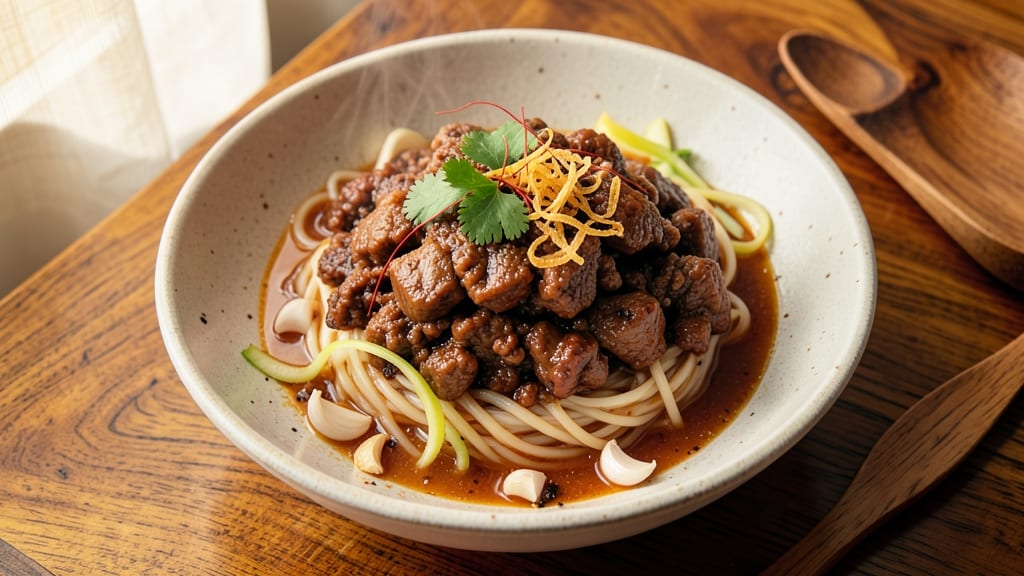
This fragrant Asian pork noodle bowl recipe delivers restaurant-quality flavor with silky rice noodles and tender, aromatic pork. The secret starts with a 30-minute marinade of ground pork in five-spice powder, garlic, and ginger—transforming simple ingredients into deeply savory bites.
I developed this recipe after years of perfecting Asian-inspired dishes at my restaurant, where it became a customer favorite within weeks.
The silky rice noodles are the foundation, cooked just until tender and tossed with a homemade sauce blending soy, sesame oil, and a touch of honey for balance.
What sets this bowl apart is the two-stage cooking method: first searing the pork to lock in juices, then finishing with a quick stir-fry to maintain that signature wok-hei flavor. Every element comes together in perfect harmony—crisp-tender pork, chewy noodles, and a sauce that coats without overpowering.
By the time you assemble the bowl, you'll have a dish that's restaurant-quality at home—golden pork over glossy noodles, topped with fresh herbs and a squeeze of lime for brightness.
The aroma alone will have everyone gathering around your table, and the first bite delivers that perfect balance of sweet, savory, and umami. This is comfort food elevated, with techniques that even home cooks can master.
Serve it as a weeknight staple or a weekend centerpiece—it's equally at home in both. The recipe scales effortlessly, making it perfect for feeding a crowd or meal prepping for the week ahead.
Let's get started on creating a bowl that tastes like a trip to Asia, without leaving your kitchen.
Ingredients for asian pork noodle bowl
Restaurant-quality flavors start with these aromatic ingredients—ground pork, five-spice powder, and fresh ginger transform simple noodles into a fragrant masterpiece.
| Ingredient | Amount | Notes |
|---|---|---|
| Ground Pork 🐖 | 1 ¼ lb | Lean or regular, not extra lean |
| Five-Spice Powder 🌶️ | 2 tbsp | High-quality for authentic flavor |
| Garlic Cloves 🧄 | 6 cloves | Freshly minced for bright flavor |
| Fresh Ginger 🌿 | 1 ½ tbsp | Finely grated, not powdered |
| Rice Noodles 🍜 | 8 oz | Flat or round, medium width |
| Soy Sauce 🍶 | ½ cup | Light or dark, not low-sodium |
| Sesame Oil 🫒 | 1 tbsp | Toasted sesame oil for aroma |
| Honey 🍯 | 1 tbsp | For balancing savory notes |
| Green Onions 🧅 | 4 whole | Thinly sliced for garnish |
| Fresh Cilantro 🌿 | ¼ cup | Chopped, for freshness |
| Lime 🍋 | 1 whole | Juiced, for brightness |
| Vegetable Oil 🫒 | 2 tbsp | High smoke point for searing |
| Salt 🧂 | 1 tsp | Kosher or sea salt |
| Black Pepper 🌶️ | ½ tsp | Freshly ground |
The five-spice powder is non-negotiable here—Penzeys or Spicewalla are my go-to brands for that deep, complex flavor. Grab the whole spices and grind them fresh if you can, but the pre-ground stuff works in a pinch. Fresh ginger is a must—none of that powdered nonsense. Look for plump, firm rhizomes at the grocery store; the skin should be smooth with no soft spots. For the pork, lean or regular ground pork gives you that perfect balance of tenderness and flavor—extra lean can feel dry. If you're feeling fancy, ask your butcher for a 50/50 mix of pork shoulder and pork loin for extra juiciness.
No five-spice powder? Mix 1 tsp cinnamon, 1 tsp fennel seeds, 1/2 tsp cloves, 1/2 tsp star anise, and 1/2 tsp black pepper—it's not identical, but it gets you close. Fresh ginger too pricey? Substitute 1 tbsp ginger paste or 1.5 tbsp powdered ginger, but add a pinch of sugar to balance. The rice noodles can be swapped for udon or ramen noodles if that's what you've got, but they won't have the same silky texture. For the soy sauce, Kikkoman or Pearl River Bridge are reliable choices—avoid the low-sodium versions unless you're doubling up. And if you're out of sesame oil, toasted sesame seeds in the sauce at the end add that nutty aroma without the oil.
The pork marinade keeps for 24 hours in the fridge, so make it ahead if you're prepping for the week. Store cooked noodles in an airtight container with a damp paper towel to keep them from drying out—they'll last 3-4 days. For extra flavor, toss the cooked noodles with a little sesame oil before storing. The sauce components (soy, sesame oil, honey) can be pre-mixed and stored for up to 1 week. When reheating, add a splash of water to the noodles to restore that silky texture—microwave for 30 seconds, then stir in the pork and sauce. Leftovers taste even better the next day as all the flavors meld together.
Why You'll Love This Recipe
- Pantry-to-Table Speed: I swear by this for nights when I’ve got 15 minutes and zero energy. Brown the ground pork with garlic and ginger—no fancy searing, just until it’s no longer pink—and toss in that five-spice powder. Boom. Flavor’s built in, and the noodles cook while you stir.
- Five-Spice Magic: Honestly, this one spice transforms everything. It’s not just cinnamon or clove—it’s that warm, earthy punch that makes the pork taste like it’s been simmering for hours. Pair it with a splash of soy sauce and a squeeze of lime, and suddenly you’ve got restaurant-quality depth without the fuss.
- Lunchbox Hero: Between us, this is my go-to for meal prep. Toss cooked noodles and pork into containers, and they hold up for days. Add fresh herbs or chili oil when reheating—it’s like a fresh bowl every time. My college-aged kid lives for these; he even brings them to study groups.
- Budget Stretch: Ground pork is cheaper than steak, rice noodles last forever, and a little five-spice goes a long way. I make double batches, freeze half, and still have leftovers that disappear faster than my willpower on a bad day. Plus, the ginger and garlic are staples I already own.
Step-by-step instructions for Asian pork noodle bowl
Here's how to make this fragrant, restaurant-quality dish with tender pork and silky noodles.
Prepare the Five-Spice Pork Mixture
In a large bowl, combine the 1.25 lb ground pork, 2 tbsp five-spice powder, 1 tsp salt, and 0.5 tsp black pepper. Mix thoroughly with your hands until the pork is evenly coated and the spices are fully distributed. This step is crucial for developing deep, aromatic flavors throughout the dish.
Next, add the 6 cloves minced garlic cloves and 1.5 tbsp finely grated fresh ginger to the pork mixture. Knead everything together again until the garlic and ginger are evenly incorporated. The raw mixture should look dark and speckled with flecks of ginger and garlic. Cover and refrigerate for 15-20 minutes while you prepare the remaining components.
Cook the Five-Spice Pork to Perfection
Heat a large skillet or wok over medium-high heat and add the 2 tbsp vegetable oil. Once the oil is shimmering, add the pork mixture in small batches, breaking it up with a wooden spoon as it cooks. Avoid overcrowding the pan—this ensures even browning and proper cooking.
Cook the pork for 8-10 minutes, stirring occasionally, until it's fully cooked through and the edges are nicely browned. You'll notice the five-spice aroma filling your kitchen—that's the sign you're on the right track. Once cooked, transfer the pork to a plate and set it aside. Leave any rendered fat in the pan—it's packed with flavor.
Create the Silky Noodle Base
Bring a large pot of water to a rolling boil. Add the 8 oz rice noodles and cook according to package instructions—typically 3-4 minutes for silky texture. The noodles are done when they're tender but still slightly firm to the bite. Drain immediately and rinse briefly under cold water to stop the cooking process.
While the noodles cook, prepare the sauce by combining the 0.5 cup soy sauce, 1 tbsp honey, and 1 tbsp sesame oil in a small bowl. Whisk until well blended. This sauce will tie all the flavors together beautifully, balancing the richness of the pork with bright, umami notes.
Assemble and Finish the Bowl
Return the pork to the same skillet (with the rendered fat) and add the prepared sauce. Stir well to combine, letting the pork soak up those flavorful juices for 1-2 minutes. The mixture should look glossy and aromatic.
To assemble each bowl, divide the cooked rice noodles among four serving bowls. Top each portion with the five-spice pork mixture. Garnish with thinly sliced green onions and chopped fresh cilantro. Finally, finish with a squeeze of juice from the whole lime—this bright citrus note cuts through the richness and elevates all the flavors.
Serve Immediately for Maximum Freshness
This dish is best served immediately while the noodles are still warm and the pork is juicy. The combination of tender pork, silky noodles, and fragrant sauce creates a perfect balance of textures and flavors. Each bite should deliver a harmonious blend of spicy, sweet, savory, and umami notes.
For an extra touch, drizzle a little more sesame oil over each bowl before serving. The aroma alone will make your kitchen smell like a bustling Asian street market. Enjoy your homemade Asian pork noodle bowl—it's restaurant-quality without the wait!
Pro Tips For Making Asian Pork Noodle Bowl
- CRANK THE HEAT: Your ground pork needs to sizzle hard from the start—medium-high heat is your friend here. I used to cook it on medium and ended up with greasy, undercooked pork that tasted bland. Push that burner to high for the first 2 minutes, then dial it back to crisp the edges properly.
- GRATE THAT GINGER: Skip the mincer—freshly grated ginger makes all the difference. Use a microplane or the fine side of a box grater for about 1 teaspoon of zest (no need to include the fibrous strings). I was skeptical until I tried it; the flavor is brighter and more aromatic than pre-minced ginger.
- DON’T OVERMIX THE PORK: Once you add the five-spice powder and garlic, stir just until the pork loses its raw color—about 30 seconds. Overworking it turns the meat dense and rubbery. I learned this the hard way when my bowl ended up with a sad, gray pork pile instead of tender, flavorful bits.
- SOAK NOODLES SEPARATELY: Divide the rice noodles into two portions—soak one batch while you cook the pork, then finish the second in the hot broth at the end. This keeps them from turning mushy while you’re busy with the rest of the dish. Sounds like extra work, but it guarantees perfect texture every time.
Dietary considerations for asian pork noodle bowl
Gluten-Free Adaptation
For a gluten-free version, swap the regular rice noodles for tamari or gluten-free tamari (about ½ cup) in the sauce instead of soy sauce. I recommend San-J Tamari—it has that deep umami flavor without the gluten.
Also, use certified gluten-free rice noodles like those from Rice Noodle House or Three Ladies brands. Double-check labels to avoid cross-contamination, especially if you're sensitive.
Low-Carb Options
Transform this into a low-carb dish by replacing rice noodles with shirataki noodles (about 8 oz)—they're nearly calorie-free and mimic the texture surprisingly well. Rinse them thoroughly before cooking to remove excess odor.
For extra protein, add ½ cup sliced mushrooms or shredded cabbage to bulk up the bowl while keeping carbs low. The five-spice pork remains the star, and the shirataki noodles absorb the sauce beautifully.
Dairy-Free & Allergen-Friendly
This recipe is naturally dairy-free, but if you're watching for other allergens, ensure your sesame oil is processed in a facility free from nuts or other allergens you're sensitive to.
For nut-free kitchens, avoid adding crushed peanuts (a common garnish in some Asian bowls) and stick to the fresh herbs and lime. The five-spice powder is typically allergen-free, but always check the label if you have severe sensitivities.
Vegetarian Swap
For a vegetarian version, replace the pork with extra-firm tofu (about 1.25 lb) pressed and cubed. Toss the tofu in the same five-spice marinade and pan-fry until crispy. I like to add 1 tbsp cornstarch to the marinade for extra crispiness.
The texture won't be identical, but the flavors shine just as brightly. Add ½ cup sliced bell peppers or bok choy for extra veggie goodness.
Protein Adjustments
If you prefer leaner pork, use 93% lean ground pork, but add 1 tsp cornstarch to the marinade to help retain moisture during cooking. For a richer texture, opt for ground pork shoulder—it stays juicier and has more fat for flavor.
If you're feeding a crowd, double the recipe but keep the cooking time for the pork in mind—larger batches need slightly longer searing to ensure even doneness.
Kid-Friendly Version
Make this bowl more appealing to picky eaters by reducing the five-spice powder to 1 tbsp and adding ½ tsp sugar to the sauce for a touch of sweetness. Serve the pork on the side so kids can add as much (or as little) as they like.
Cut the green onions into tiny pieces or omit them entirely—some kids find them too strong. A sprinkle of toasted sesame seeds adds visual appeal without overpowering flavors.
Nutrition facts
Frequently asked questions
Can I use regular ground beef instead of pork?
While you can substitute ground beef, the flavor profile will differ significantly. Pork's natural fat content and mild sweetness create a perfect balance with the five-spice marinade. If using beef, reduce the marinating time to 10 minutes and add 1 tsp brown sugar to the marinade to mimic pork's natural sweetness. For best results, stick with pork for that authentic Asian-inspired taste.
How do I prevent the noodles from getting mushy?
Rice noodles turn mushy when overcooked or soaked in water too long. Always cook them according to package instructions—usually just 3-4 minutes in boiling water. Drain immediately and rinse briefly with cold water to stop the cooking process. For extra insurance, toss the drained noodles with 1 tsp sesame oil before assembling the bowl. This creates a protective barrier that keeps them silky.
What's the best way to store leftovers?
Store the cooked pork and sauce separately from the noodles to maintain texture. Keep both in airtight containers in the fridge for up to 4 days. When reheating, add a splash of water to the noodles and microwave for 30 seconds, then stir in the pork and sauce. For the best texture, reheat only what you'll eat immediately—noodles lose their silky quality when reheated multiple times.
Can I make this dish ahead of time?
Prepare the five-spice pork marinade up to 24 hours ahead and refrigerate. Cook the pork and sauce the day before, then store separately. Assemble the bowls just before serving by reheating the pork and sauce together for 2 minutes and adding fresh noodles. The flavors actually improve overnight as everything melds together. For the freshest experience, make the noodles fresh each time though.
What are the best sides to serve with this bowl?
This hearty bowl pairs beautifully with light, fresh sides. Try steamed bok choy with garlic, a simple cucumber salad with rice vinegar, or quick-pickled radishes. For extra protein, serve with a small miso soup or edamame. The key is balancing textures—something crisp or cool cuts through the richness of the pork and noodles.