
Main Courses
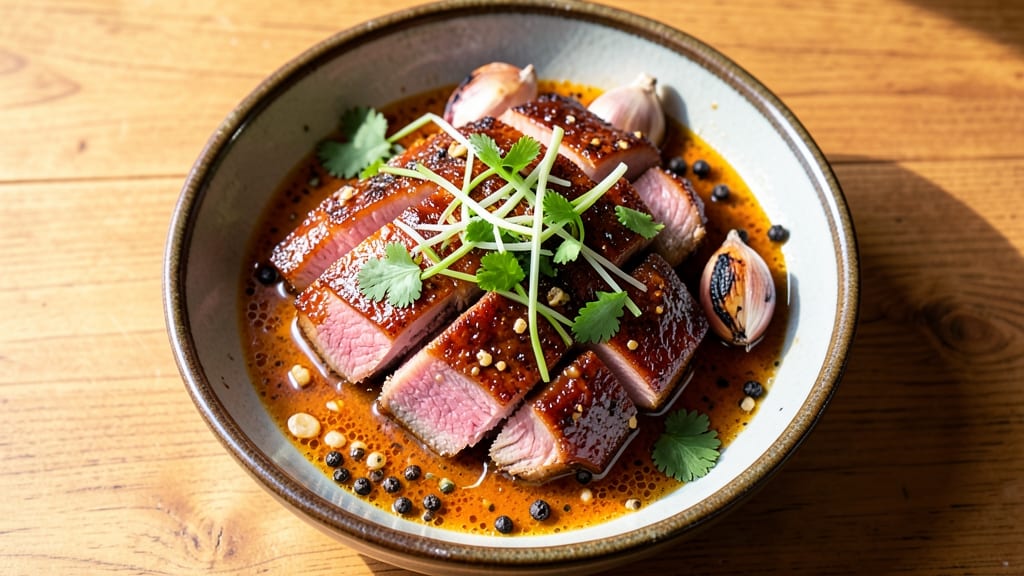
This authentic Cuban mojo pork recipe brings the bold flavors of Havana to your kitchen with just one pan and a marinade that transforms simple pork into something unforgettable.
The secret lies in the mojo—garlic, citrus, and oregano working together to create a sauce that caramelizes beautifully while keeping the meat tender. I first discovered this technique during my time in Charleston, where Cuban and Southern cooking traditions collided in the most delicious way.
The beauty of this dish is its simplicity: a foolproof marinade that infuses the pork with layers of flavor while you handle the rest of your meal.
Whether you're grilling, roasting, or slow-cooking, the mojo ensures every bite is packed with bright citrus notes, aromatic garlic, and just the right amount of heat. The key is letting the pork marinate for at least 4 hours—or overnight for maximum flavor—so the spices penetrate deeply.
What you'll end up with is restaurant-quality mojo pork that's crispy on the outside and juicy inside, served with traditional sides like black beans, rice, and fried plantains. The sauce reduces into a sticky glaze that clings to every bite, making this dish feel like a celebration.
It's the kind of meal that brings people together, whether you're hosting a family dinner or feeding a crowd.
This recipe delivers on authenticity without requiring specialized equipment—just a cast iron skillet or Dutch oven and patience for the flavors to develop. The result is a dish that tastes like it came straight from a Cuban parrilla, with all the warmth and tradition of the island's cuisine.
Let's get cooking!
Ingredients for authentic cuban mojo pork
Six ingredients transform simple pork into Cuban restaurant magic—citrus, garlic, and spices do all the work.
| Ingredient | Amount | Notes |
|---|---|---|
| Pork Shoulder 🐖 | 3 lb | Bone-in for flavor, cut into 2-inch chunks |
| Fresh Garlic Cloves 🧄 | 8 cloves | Peeled, smashed for maximum flavor |
| Orange Juice 🍊 | 1 cup | Freshly squeezed, no pulp |
| White Vinegar 🍶 | ½ cup | White or apple cider vinegar |
| Olive Oil 🫒 | ½ cup | Extra-virgin for richness |
| Dried Oregano 🌿 | 2 tsp | Mexican oregano preferred |
| Ground Cumin 🌿 | 1 tsp | Toasted for deeper flavor |
| Salt 🧂 | 1 ½ tsp | Kosher or sea salt |
| Black Peppercorns 🌶️ | 1 tsp | Freshly ground, coarse |
| Fresh Cilantro 🌱 | ¼ cup | Chopped, for garnish |
| Lime Wedges 🍋 | 2 whole | For serving, freshly cut |
| Fresh Orange Slices 🍊 | 1 cup | For garnish and serving |
The pork shoulder is your secret weapon—bone-in and chunky gives the most flavor. Grab it from the butcher counter if possible, or ask for a well-marbled cut at Whole Foods or Publix. Look for pork with visible fat—it renders down during cooking and keeps the meat juicy. If you're short on time, Costco's pre-cut pork shoulder works perfectly. The key is cutting it into even 2-inch chunks so it cooks uniformly. For the citrus, navel oranges have the best juice-to-pulp ratio—avoid those bitter varieties.
No fresh oregano? Dried Mexican oregano is a must for authenticity, but if you can't find it, regular dried oregano at half the amount works in a pinch. Subbing vinegar? Lemon juice at 1:1 ratio keeps the brightness. Short on garlic? Garlic powder at 1/3 the amount is better than skipping it entirely. The cilantro is purely for garnish—skip it if you're not a fan. For extra depth, add 1/2 tsp smoked paprika to the marinade. And if you're feeling adventurous, swap half the orange juice for grapefruit juice—it adds a lovely bitterness that balances the sweetness.
Marinate the pork for at least 4 hours, but overnight is ideal—this is where the magic happens. Store the mixture in a glass container in the fridge, not plastic (vinegar can degrade plastic over time). The pork keeps well for 3 days in the marinade before cooking, and leftovers reheat beautifully—just add a splash of water or broth to prevent drying out. For a crowd, double the marinade and cook in batches. The sauce thickens as it reduces, so if you're making it ahead, store the cooked pork separately and reheat the sauce with a quick simmer before serving.
Why You'll Love This Recipe
- Fewer Ingredients, More Magic: I swear by this—just pork, garlic, orange juice, and vinegar. No fancy spice blends or hidden pantry items. The acidity and sweetness balance out so the pork practically melts in your mouth.
- Tangy, Garlicky Bliss: That bright orange-vinegar mojo? It’s the star. The garlic cloves get crushed right into the pork, so every bite has that raw, punchy flavor. (Yes, even on a Tuesday night.)
- Leftovers That Don’t Suck: This recipe actually improves the next day. The pork gets even more tender, and the mojo sauce thickens into a glossy glaze. Wrap it in tortillas or toss it over rice—no one will guess it’s reheated.
- Budget-Friendly Crowd-Pleaser: Pork shoulder is cheap, and this makes enough to feed four (or two very hungry people). Honestly, the only thing costlier than the ingredients is the amount of times people ask for seconds.
Step-by-step instructions for authentic Cuban mojo pork
This one-pan method captures the soul of Cuban mojo—bright citrus, aromatic garlic, and tender pork all coming together.
Build the Mojo Marinade
In a large bowl, combine the 1 cup orange juice, 0.5 cup white vinegar, 0.5 cup olive oil, 2 tsp dried oregano, 1 tsp ground cumin, 1.5 tsp salt, and 1 tsp black peppercorns. Whisk vigorously until fully emulsified—the mixture should look like a thick, glossy dressing. This marinade is the heart of the dish, balancing sweet, sour, and savory flavors.
Add the 8 cloves peeled garlic cloves and the 3 lb pork shoulder cut into 2-inch chunks. Toss everything together until the pork is fully coated. Let it marinate at room temperature for 30 minutes—this ensures the flavors penetrate deeply. If you have time, refrigerate for 1-2 hours for even more flavor infusion, but 30 minutes works in a pinch.
Sear the Pork for Maximum Flavor
Heat a large, heavy skillet (cast iron works best) over medium-high heat. Add the marinated pork in a single layer, leaving space between pieces. Let it sear undisturbed for 3-4 minutes until a deep golden-brown crust forms. This step is crucial—it locks in juices and builds that signature caramelized flavor.
Flip the pork and continue searing for another 3-4 minutes until all sides are evenly browned. You'll smell the garlic and citrus intensifying—this is your cue that the magic is happening. Once browned, transfer the pork to a plate, leaving all the rendered juices in the pan. Don't rinse or wipe the pan; those browned bits are pure flavor.
Simmer the Pork Until Fork-Tender
Return the skillet to medium heat and pour in the marinade, scraping up all the browned bits from the bottom with a wooden spoon. Bring the mixture to a gentle simmer, then reduce heat to low. Cover the skillet and let it cook for 1.5 hours, turning the pork occasionally to ensure even cooking and prevent sticking.
After 1.5 hours, check for doneness by inserting a fork into the thickest piece of pork. It should slide in easily with just slight resistance—this means it's fork-tender but not falling apart. If it's not quite there, continue cooking for another 20-30 minutes, adding 2-3 tablespoons of water if the pan gets too dry. The sauce should reduce to a glossy, concentrated consistency.
Finish with Fresh Herbs and Garnishes
Once the pork is tender, remove it from the pan and transfer to a serving platter. Skim any excess fat from the sauce, then stir in the 0.25 cup chopped fresh cilantro and let it wilt slightly into the sauce. This adds a bright, fresh contrast to the rich, citrusy flavors.
Arrange the pork shoulder on a platter, spooning the mojo sauce generously over the top. Garnish with the 1 cup fresh orange slices and serve with the 2 whole lime wedges on the side. The acidity of the lime will cut through the richness, balancing every bite. This dish tastes even better the next day as the flavors meld further!
Pro Tips For Making Authentic Cuban Mojo Pork
- Brown the Pork First: Don’t skip the sear—get that pork shoulder screaming hot in a skillet with olive oil until it’s deep golden. I learned this the hard way: pale pork just doesn’t absorb the mojo marinade the same way. Two minutes per side, no rush—this builds flavor from the start.
- Smash Those Garlic Cloves: Skip the mincer—crush each garlic clove with the flat side of your knife first, then chop finely. This releases more oil and aroma into the marinade. Sounds weird, but it works: the vinegar and orange juice cling better to the broken cloves, making the sauce richer.
- Balance the Sour: Taste your mojo mix before adding it to the pork. If the vinegar or orange juice dominates, add a splash of water or a pinch of sugar to mellow it out. I was skeptical until I tried it—now I adjust every batch, and the pork never tastes harsh.
- Low and Slow Wins: Resist the urge to crank the oven high. Cuban mojo pork needs 275°F (135°C) for hours—this keeps the meat tender and lets the marinade penetrate without drying it out. I used to rush it, and the result was tough. Patience here makes all the difference.
Essential equipment for great authentic cuban mojo pork
Cast Iron Skillet
Your go-to for mojo pork is a heavy cast iron skillet—it retains heat beautifully and creates that perfect crispy crust. I swear by my Lodge 12-inch pre-seasoned skillet (or the Mauviel M'Cook if you're splurging).
The deep sides help contain the sauce while searing, and cast iron's natural non-stick properties improve with each use. For even better results, preheat your skillet over medium-high heat for 5 minutes before adding the pork to ensure a proper sear. 🔥
Dutch Oven Alternative
If you're cooking for a crowd or prefer hands-off cooking, a Dutch oven is your best friend. The Le Creuset 5.5-quart or All-Clad Stainless Steel models work perfectly—they distribute heat evenly and allow you to sear, braise, and reduce the sauce all in one pot.
I use my Dutch oven when I'm making mojo pork for 10+ people, as it gives me more surface area for even browning. Just be sure to use medium heat instead of high to prevent boiling over during the simmering phase.
Meat Thermometer
A meat thermometer is non-negotiable for perfect mojo pork. I use the ThermoWorks Smoke (it's a game-changer) or the Meater for its instant-read accuracy. Insert the probe into the thickest part of the pork—it should read 195-203°F for fork-tender results.
The sauce will continue cooking as the pork rests, so don't worry if it's not fully reduced yet. Pro tip: Rest the pork for 10-15 minutes after cooking to let the juices redistribute before slicing.
Wooden Spoon Set
For stirring and scraping up those flavorful browned bits, a wooden spoon set is essential. I keep a Lodge cast iron wooden spoon set (they're heat-resistant up to 500°F) in my kitchen for this exact purpose.
The spoons help deglaze the pan without scratching the seasoning, and their sturdy handles make them perfect for reaching into deep pots. Avoid metal utensils—they can react with the acidic mojo marinade and leave a metallic taste.
Mixing Bowls
For marinating, I recommend a large stainless steel mixing bowl (like the OXO Good Grips 5-quart) to hold the pork and marinade. Stainless steel won't absorb odors or flavors, and the non-slip base keeps it stable while you toss the pork.
If you're short on space, a glass baking dish (like Pyrex) works too—just make sure it's deep enough to accommodate the 3 lb pork chunks without spilling.
For extra flavor infusion, I sometimes marinate the pork in the same bowl I'll later use for serving, soaking up those delicious juices. ✨
Nutrition facts
Frequently asked questions
Can I use chicken or beef instead of pork for this recipe?
The traditional Cuban mojo marinade works best with pork, but you can absolutely use chicken or beef! For chicken, use 2.5 lbs bone-in thighs and reduce cooking time to 45-50 minutes at 325°F. For beef, opt for 2 lbs chuck roast and cook until tender (195°F internal temp). The citrus and garlic flavors will still shine, but expect slightly different textures—chicken stays juicier, while beef develops deeper richness.
How do I make this recipe spicier?
For heat lovers, add 1/2 tsp cayenne pepper or 1 chopped habanero pepper to the marinade. You can also stir in 1 tbsp hot sauce (like Cristal or Valentina) during the final simmer. For smoky heat, swap 1/2 tsp of the cumin for smoked paprika. Just remember—Cuban mojo traditionally balances sweet and sour, so add heat gradually to avoid overpowering the citrus notes.
What's the best way to reheat leftovers?
Mojo pork reheats beautifully! Place leftovers in a skillet over medium-low heat with 2 tbsp water or broth to prevent drying. Cover and warm for 5-7 minutes, stirring occasionally. For oven reheating, bake at 300°F for 15 minutes with a splash of orange juice. The sauce will thicken further—just add a little water if needed. Pro tip: Leftovers taste even better the next day as flavors meld!
Can I grill this mojo pork instead of pan-searing?
Grilling adds fantastic smoky depth to the dish. Thread the marinated pork onto skewers or place in a grill basket. Cook over medium-high heat for 8-10 minutes per side, then move to indirect heat and cook until internal temp reaches 195°F (about 30-45 minutes). Brush with extra marinade during cooking. For best results, use a charcoal grill—it enhances the caramelization.
What sides pair best with Cuban mojo pork?
Classic Cuban sides complete this meal perfectly! Serve with:
- Black beans (seasoned with sofrito and cumin)
- Yellow rice (cooked with tomato sauce and saffron)
- Fried green plantains (sliced and crisped)
- Avocado slices (for freshness) For a heartier meal, add tostones or yuca fries. The citrusy pork balances beautifully with the earthy beans and sweet plantains.