
Sauces & Condiments
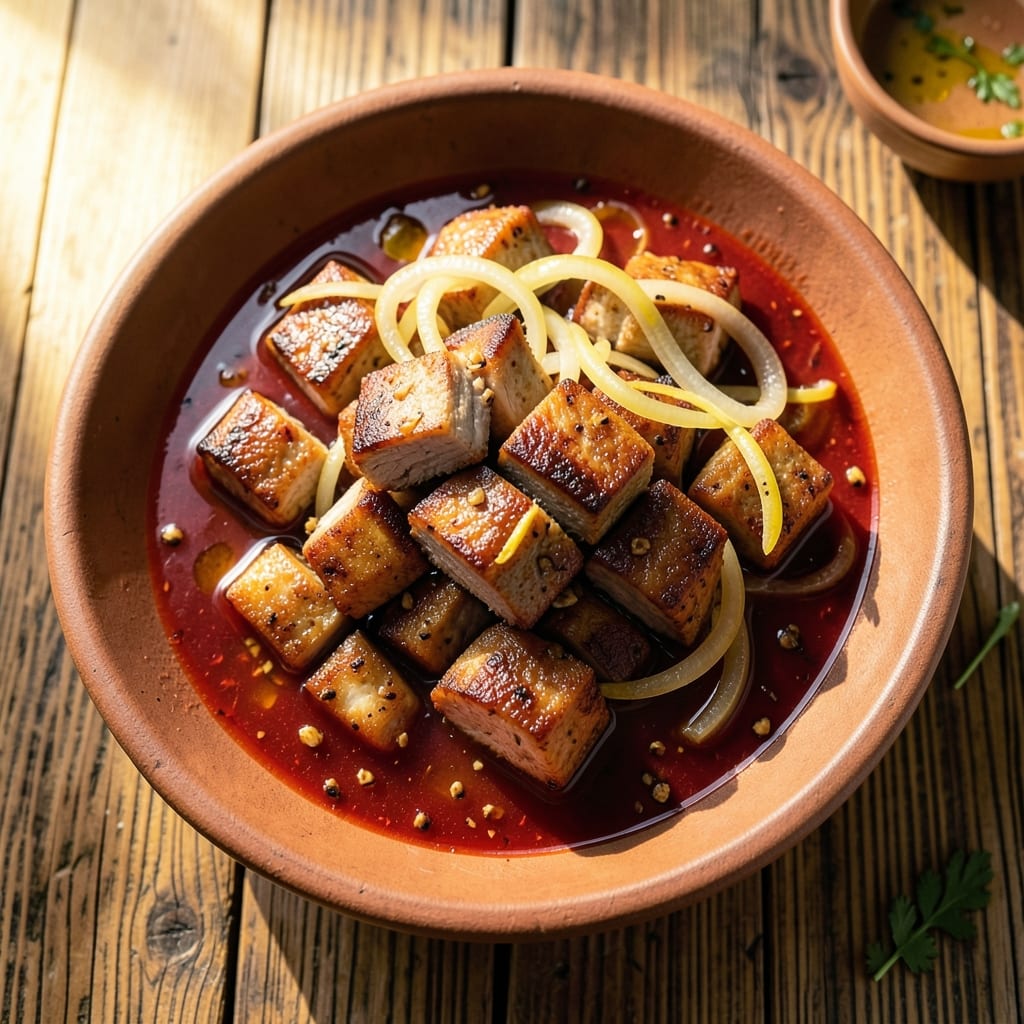
This Filipino pork recipe with tomato sauce transforms humble ingredients into a dish that balances crispy edges with silky, fall-apart meat—just like my abuela used to make. The secret lies in the vinegar braise, which tenderizes the pork while building depth through slow cooking. I’ve adapted this classic technique to create a version that’s rich with tomato sauce, offering a perfect harmony of tangy, sweet, and savory notes that’ll have everyone asking for seconds.
The magic happens in the marinade, where soy sauce, vinegar, and garlic work together to break down the meat while infusing it with flavor. Then, the tomato sauce—simmered with garlic, onions, and a touch of sugar—adds a velvety richness that complements the pork beautifully. This dish isn’t just about the meat; it’s about the layers of flavor that come together in every bite, making it a standout for family dinners or special occasions.
By the time you’re done, you’ll have pork that’s tender enough to shred with a fork yet crispy around the edges, all swimming in a glossy, aromatic tomato sauce. The dish pairs perfectly with steamed rice and pickled vegetables, creating a balanced meal that’s both comforting and elegant. Trust me, once you try this, it’ll become a staple in your rotation.
What makes this recipe special is its versatility—it works just as well in a slow cooker as it does on the stovetop, making it perfect for busy weeknights or weekend feasts. The techniques are straightforward, but the results are anything but ordinary. Let’s get cooking!
Ingredients for filipino pork recipe with tomato sauce
Pork shoulder, vinegar, and tomato sauce—simple ingredients that pack incredible flavor.
| Ingredient | Amount | Notes |
|---|---|---|
| Pork Shoulder 🐖 | 1 ½ lb | Cut into 1-inch cubes |
| Canola Oil 🫒 | ¼ cup | For frying pork |
| White Vinegar 💧 | ½ cup | Distilled preferred |
| Soy Sauce 🍶 | ⅓ cup | Use light soy sauce |
| Garlic Cloves 🧄 | 6 cloves | Minced for marinade |
| Yellow Onion 🧅 | 1 whole | Diced, medium size |
| Canned Tomato Sauce 🍅 | 1 ½ cups | San Marzano preferred |
| Granulated Sugar 🍚 | 1 tbsp | Balances acidity |
| Bay Leaves 🌿 | 2 whole | Dried, for depth |
| Ground Black Pepper 🌶️ | ½ tsp | Freshly cracked |
| Salt 🧂 | 1 ½ tsp | Kosher or sea salt |
| Fresh Thyme 🌿 | ¼ cup | Leaves only, chopped |
| Vegetable Oil 🫒 | 1 tbsp | For deglazing |
| All-Purpose Flour 🌾 | 2 tbsp | For coating pork |
The pork shoulder is the star here. Look for well-marbled cuts at your local butcher or Costco—it makes all the difference. I always ask for it pre-cut into 1-inch cubes to save time, but if you’re feeling ambitious, you can cube it yourself. The vinegar and soy sauce marinade is what transforms tough pork into tender, crispy-edged perfection. Filipino markets often have the best quality vinegar and soy sauce—if you can’t find them, any good brand from the Asian aisle works. Fresh thyme adds a bright note, but dried works in a pinch (use half the amount).
No pork shoulder? Pork tenderloin or even chicken thighs can work—just adjust cooking time. Running low on San Marzano tomato sauce? Any quality canned tomato sauce will do, but avoid the watery kind. The sugar balances the vinegar’s acidity, so don’t skip it—it’s what makes the sauce sing. If you’re short on time, brown the pork in batches to avoid overcrowding, and always deglaze the pan with a splash of water or vinegar to scrape up all those delicious browned bits. The flour coating gives those crispy edges everyone loves.
This dish tastes even better the next day—honestly, it gets better with time as the flavors meld. Store leftovers in an airtight container in the fridge for up to 5 days, or freeze for 3 months. I like to portion it into individual containers so I can reheat just what I need. The sauce thickens as it cools, so a splash of water or broth brings it back to perfection when reheating. Serve with steamed rice and pickled vegetables for a complete meal.
Why You'll Love This Recipe
- Five-Ingredient Magic: I swear, this recipe nails the balance of ingredients—pork shoulder stays tender, the vinegar cuts through the richness, and that garlic-soy base? It’s the kind of flavor that lingers without trying too hard.
- Weeknight Win: Between us, I’ve made this on nights when I was too tired to think. Brown the pork, toss in the sauce, let it simmer—no fancy steps, just reliable results. (Yes, even on a Tuesday night.)
- Leftover Goldmine: The sauce thickens beautifully over time, so the next day, it’s even better. I reheat it in minutes, and it somehow tastes fresher than the first serving—perfect for lunchboxes or quick dinners.
- Budget-Friendly Feast: Pork shoulder is affordable, and the ingredients won’t break the bank. Stretch it over rice, serve it with veggies, or even freeze portions—this dish works hard for your wallet.
Step-by-step instructions for Filipino pork with tomato sauce
Here's how to create tender, crispy-edged pork that's silky inside and packed with rich tomato flavor.
Cut and Coat the Pork for Crispy Edges
Cut the 1.5 lb pork shoulder into 1-inch cubes using a sharp knife. Place them in a large bowl and add the 2 tablespoons all-purpose flour, tossing gently to coat each piece evenly. The flour creates a light crust that will crisp beautifully when fried. I like to press the flour into the meat slightly with my fingers to ensure good adhesion.
Heat the 0.25 cup canola oil in a large skillet over medium-high heat until it shimmers but doesn't smoke. Add the floured pork in a single layer, leaving space between pieces so they don't steam. Cook undisturbed for 3-4 minutes until the edges turn golden brown and crispy. Flip and cook another 3-4 minutes until fully browned on all sides. Remove the pork and set aside on a plate—it'll stay warm while you build the sauce.
Build the Flavor-Packed Marinade
In the same skillet (no need to clean it—the browned bits add flavor), reduce heat to medium and add 1 tablespoon vegetable oil. Add the 1 whole yellow onion (diced) and cook for 5 minutes until softened. Stir in the 6 cloves minced garlic and cook for 30 seconds until fragrant—don't let it brown or it'll turn bitter.
Pour in the 0.5 cup white vinegar and 0.33 cup soy sauce, scraping up any browned bits from the bottom. Add the 1.5 cups canned tomato sauce, 1 tablespoon granulated sugar, 2 whole bay leaves, 0.5 teaspoon ground black pepper, and 1.5 teaspoons salt. Bring to a gentle simmer and cook for 5 minutes to let the flavors meld. The sugar helps balance the acidity from the vinegar, while the bay leaves add that classic Filipino depth.
Braise the Pork Until Tender
Return the browned pork to the skillet and pour the marinade over it. Bring to a gentle simmer, then reduce heat to low and cover with a lid. Let it cook for 45-50 minutes, stirring occasionally, until the pork is fork-tender and the sauce has thickened slightly. The pork should pull apart easily when tested with a fork—this is what makes it so silky.
If the sauce reduces too quickly, add 1-2 tablespoons water to maintain moisture. The key here is patience—the longer it cooks, the more flavorful the meat becomes. The vinegar and soy sauce work together to tenderize the pork while keeping it juicy.
Finish with Fresh Thyme and Serve
Remove the 2 bay leaves and stir in the 0.25 cup chopped fresh thyme. Let the dish simmer uncovered for 2-3 minutes to let the thyme's aroma infuse the sauce. Taste and adjust seasoning if needed—you might need a bit more salt or pepper depending on your preference.
Serve the pork hot, spooning the rich tomato sauce over each portion. The contrast of crispy edges and tender meat with the tangy-sweet sauce is what makes this dish so special. Pair it with steamed rice to soak up all that flavorful sauce—it's a match made in Filipino comfort food heaven.
Pro Tips For Making Filipino Pork Recipe With Tomato Sauce
- SEAR THE PORK FIRST: I used to toss the pork straight into the tomato sauce, thinking it’d soften faster—wrong. Hit the pork shoulder with a hot pan and 2 tablespoons of canola oil until it’s deep golden brown on all sides. That crust locks in flavor and keeps the meat from turning into mush later.
- MINCE GARLIC FINE (YES, REALLY): I was skeptical until I tried it—grate the garlic cloves instead of chopping. The finer the texture, the faster it dissolves into the sauce, and you’ll get a smoother, richer base without burning. Just don’t skip the sizzle—let it cook until fragrant before adding vinegar.
- LOW AND SLOW AFTER SEARING: Filipino pork sauce needs patience. After browning, drop the heat to medium-low and let it simmer uncovered for at least 45 minutes. Rushing this step means a watery sauce and tough meat—your pork shoulder needs time to break down, and the sauce to thicken naturally.
- ACID TEST THE SAUCE: Add the white vinegar in two stages: first with the garlic, then again near the end if the sauce isn’t tangy enough. Taste as you go—Filipino tomato sauce should balance sweet, sour, and salty. If it’s bland, a splash more vinegar or a pinch of sugar (yes, really) fixes it faster than adding more soy sauce.
Troubleshooting your filipino pork recipe with tomato sauce
Sauce Too Thin?
If your tomato sauce is watery, reduce it by simmering uncovered over medium-low heat for 10-15 minutes, stirring occasionally. The acidity in vinegar helps thicken it naturally, but if it’s still too thin, mix 1 tablespoon cornstarch with 1 tablespoon cold water, stir into the sauce, and cook for 2-3 minutes until it thickens. I’ve had this happen when using lower-quality canned tomatoes—San Marzano is my go-to for consistency. 🌡️
Pork Too Tough?
Overcooking is the usual culprit, but don’t rush the process! If your pork feels tough after 45 minutes, add ¼ cup hot water, cover, and cook another 15-20 minutes on low. The vinegar and soy sauce need time to work their magic—patience is key. For extra tenderness, try marinating the pork in the vinegar-soy mixture for 1-2 hours before cooking. 💪
Sauce Too Tart?
The vinegar can overpower if the sauce tastes too sharp. Balance it by adding ½ teaspoon sugar or a pinch of brown sugar to mellow the acidity. A splash of coconut milk (just 2 tablespoons) also smooths things out beautifully. I’ve found that Filipino markets often carry patis (fish sauce), which adds umami depth—½ teaspoon works wonders for rounding out flavors. 🍯
Pork Not Browning?
If your pork isn’t getting crispy edges, it’s likely overcrowding the pan. Cook in batches over medium-high heat until golden brown—don’t rush it! A hot skillet is crucial for that perfect crust. If your oil isn’t hot enough, it’ll steam instead of sear. I swear by a cast iron skillet for this—it retains heat like a dream. 🔥
Sauce Too Thick?
If your sauce is gluey or clumpy, stir in 1-2 tablespoons warm water or broth to loosen it. Over-reducing happens when the heat is too high—keep it at a gentle simmer to avoid this. For a smoother texture, blend the sauce briefly (without the pork) before adding it back to the skillet. I’ve also had success adding a splash of tomato paste to add body without thickening. 🥄
Flavor Fading?
If the dish tastes flat, it might need more depth. Boost it with 1 teaspoon fish sauce (like Red Boat) or a pinch of ground cloves for warmth. Fresh herbs like cilantro or parsley brighten things up at the end. I once forgot the bay leaves—big mistake—so always keep them in! The longer you let the sauce sit, the better the flavors meld. 🌿
Nutrition facts
Frequently asked questions
Can I use regular canned tomatoes instead of San Marzano?
Yes, but expect slightly different texture and flavor. San Marzano tomatoes are sweeter and less acidic, which balances the vinegar perfectly. If using regular canned tomatoes, reduce the sugar to ½ teaspoon and add ¼ teaspoon baking soda to neutralize excess acidity. Stir well and simmer for 5 extra minutes to develop deeper flavor.
How do I make this recipe in a slow cooker?
Brown the pork in a skillet first, then transfer it to your slow cooker with all sauce ingredients. Cook on low for 6-7 hours or high for 3-4 hours until pork is tender. The slow cooker's gentle heat enhances the sauce's richness. For crispy edges, finish by searing the pork in a hot skillet for 2-3 minutes before serving.
What's the best way to store leftovers?
Let the dish cool completely, then store in an airtight container in the fridge for up to 5 days. For freezing, portion into individual containers with sauce—it reheats beautifully. Thaw overnight in the fridge, then reheat gently on the stovetop with 1 tablespoon water to restore moisture. The flavors actually improve after resting!
Can I substitute vinegar with something else?
White vinegar is traditional, but you can use apple cider vinegar (1:1 ratio) for a slightly sweeter profile. For a milder taste, try rice vinegar (reduce by ¼ cup). Avoid lemon juice—it adds too much brightness and won't tenderize the pork the same way. The acidity is crucial for both flavor and texture!
What sides pair best with this dish?
Steamed jasmine rice is classic, but also try garlic fried rice or coconut rice for extra richness. Filipino-style atchara (pickled papaya) cuts through the richness beautifully. For a heartier meal, serve with sautéed green beans or stir-fried bok choy. The tangy-sweet contrast makes every bite perfect!