
Main Courses
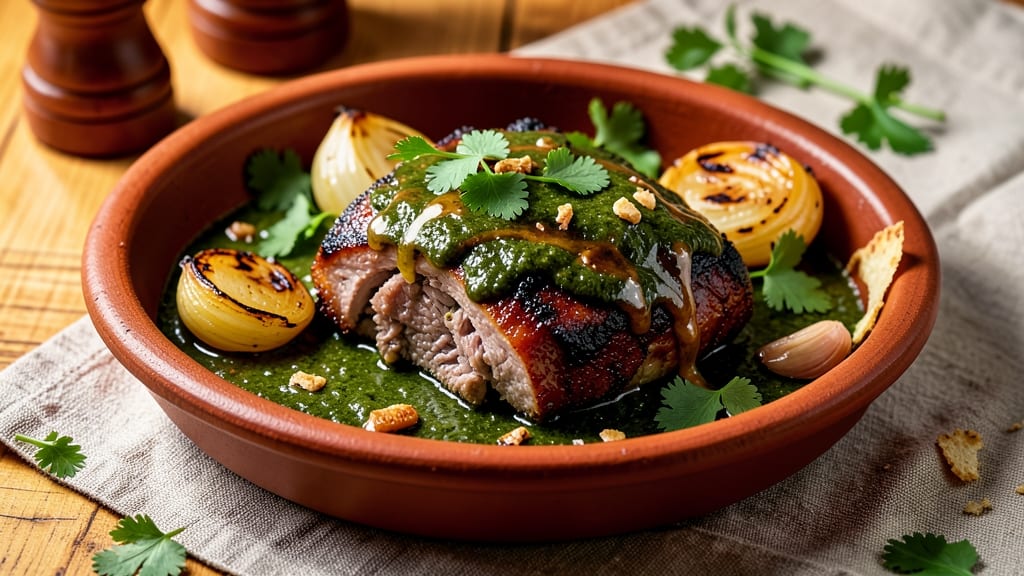
This authentic Mexican pork chile verde brings the smoky, tangy flavors of Mexico straight to your kitchen—just like my abuela used to make.
The secret lies in marinating tender pork shoulder with lime and garlic, then slow-cooking it in a vibrant green chile sauce made from tomatillos, green chiles, and fresh cilantro. Every bite delivers that perfect balance of smoky heat and bright acidity, with meat so tender it practically melts.
The recipe stays true to its roots by using traditional ingredients—no shortcuts here. We start with a quick marinade to prep the pork, then build the sauce from scratch with charred tomatillos and onions for depth.
The long simmer ensures the pork becomes fork-tender while absorbing all those bold flavors. This isn't just another chile verde; it's the kind that makes people ask for seconds.
What makes this dish truly special is how the smoky chile sauce hugs the pork, creating a rich, velvety texture that coats every bite. The sauce should be bright green with just the right kick, balancing heat and acidity perfectly.
Serve it with warm tortillas, cilantro-lime rice, and a simple salad to round out the meal—just like we do in my kitchen after a long day at the smoker.
This recipe delivers restaurant-quality results at home, with techniques I've perfected over years of cooking Mexican-inspired dishes. The slow cooking process transforms tough pork into melt-in-your-mouth perfection, while the sauce remains vibrant and full of flavor.
It's the kind of dish that tastes even better the next day, making it perfect for meal prep or feeding a crowd.
Ingredients for authentic mexican pork chile verde
Six ingredients make the sauce, four transform the pork—authentic flavors start here.
| Ingredient | Amount | Notes |
|---|---|---|
| Pork Shoulder 🍖 | 3 lb | Bone-in for best flavor |
| Tomatillos 🍅 | 1 ½ lb | Husk removed, quartered |
| Green Chile Peppers 🌶️ | 4 whole | Fresh, charred for smokiness |
| Yellow Onions 🧅 | 2 whole | Chopped, charred with peppers |
| Fresh Cilantro 🌿 | 1 cup | Stems included, chopped fine |
| Garlic Cloves 🧄 | 6 cloves | Peeled, smashed slightly |
| Lime Juice 🍋 | ½ cup | Freshly squeezed, strained |
| White Vinegar 💧 | 2 tbsp | For bright acidity |
| Ground Cumin 🌿 | 1 tbsp | Toasted for depth |
| Dried Oregano 🍃 | 1 tbsp | Mexican oregano preferred |
| Salt 🧂 | 1 ½ tsp | Kosher or sea salt |
| Black Pepper 🌶️ | ½ tsp | Freshly cracked |
| Olive Oil 🫒 | 2 tbsp | For charring veggies |
| Chicken Broth 💧 | 2 cups | Low-sodium preferred |
The pork shoulder is non-negotiable—bone-in gives the best flavor, and 3 lbs feeds a crowd with leftovers. Look for pork with good marbling at H-E-B or your local butcher shop. If you can't find bone-in, boneless shoulder works too—just add 15 minutes to the cooking time. For the tomatillos, Mexican markets often sell them fresh, but the grocery store usually has them too—just make sure they're firm and green. The green chiles? Fresh poblanos or serranos are ideal, but any green chile works in a pinch. Char them directly over a gas flame for that smoky depth—don't skip this step, it's what makes this chile verde authentic.
No tomatillos? Substitute 2 cups of green tomatoes—they're tangier but work in a bind. Fresh chiles too spicy? Remove seeds and membranes before charring. The cilantro stems are packed with flavor—don't toss them! If you hate cilantro, parsley works at half the amount. For the marinade, lime juice from 3-4 limes gives the best brightness, but bottled lime juice is fine if you're short on time. The vinegar might seem odd, but it cuts through the richness of the pork and sauce—trust me on this. If you don't have white vinegar, apple cider vinegar works too. The spices? Toast the cumin seeds whole in a dry pan for 30 seconds before grinding—game changer for flavor.
This chile verde tastes even better the next day as the flavors meld. Store in airtight containers in the fridge for 5 days or freeze for 3 months. I always make a double batch—one for dinner, one to freeze for lazy weeknights. The sauce thickens as it cools, so add a splash of broth if it gets too thick when reheating. Serve with warm corn tortillas, cilantro-lime rice, or over refried beans. The leftovers? Breakfast tacos the next morning are a family favorite.
Why You'll Love This Recipe
- One-Pot Magic: The pork shoulder and tomatillos simmer together in the same pot—no extra dishes, no fuss. I swear by this method: toss everything in, let it work its flavor, and boom, dinner’s ready. Honestly, the cleanup is just rinsing a pot and chopping board.
- Tangy-Smoky Perfection: That bright tomatillo base with green chiles? It’s the kind of flavor that makes you close your eyes. The pork gets tender while soaking up the acidity, and the cilantro at the end? Freshness that cuts through the richness like a knife.
- Weeknight to Party Star: Same recipe, different vibes. Serve it with tortillas for a quick weeknight meal, or pile it high on a platter with rice and avocado for your next dinner gathering. My in-laws asked for the recipe after one bite—no exaggeration.
- Leftovers That Don’t Suck: Between us, most chiles taste better the next day. The flavors meld even more, and reheating is a breeze—just a splash of water, a quick stir. I make double batches because it’s cheaper per serving, and the freezer version? Absolute lifesaver for lazy Mondays.
Step-by-step instructions for authentic Mexican pork chile verde
Here's how to build that smoky, vibrant chile verde that wraps around perfectly tender pork shoulder.
Char the Vegetables for Deep Flavor
Heat a large skillet over medium-high heat and add the 2 tablespoons olive oil. Once hot, add the 4 whole green chile peppers and 2 whole yellow onions, cut in half. Cook undisturbed for 5-7 minutes per side until deeply charred with blackened spots—this is where the authentic smokiness comes from. You'll see the peppers blister and the onions caramelize slightly.
Transfer the charred vegetables to a cutting board and let them cool for 5 minutes. While they cool, remove the stems and seeds from the chiles, then chop everything into ½-inch pieces. The charred skins will soften and mellow as they cool, making them easier to blend later. Don't skip this cooling step—it prevents a bitter, overpowering flavor in the sauce.
Toast the Spices and Build the Sauce Base
In the same skillet (no need to clean it—those flavorful bits matter), add the 6 cloves garlic cloves and toast over medium heat for 1-2 minutes until fragrant and just beginning to turn golden. Immediately add the 1 tablespoon ground cumin and 1 tablespoon dried oregano, stirring for 30 seconds to toast the spices and release their aromas.
Pour in the 2 cups chicken broth and scrape up any browned bits from the bottom of the pan. Add the chopped charred vegetables to the skillet and bring everything to a simmer. Let it cook for 10 minutes until the mixture reduces slightly and the flavors meld together. This is where the sauce starts to develop its complex character.
Blend the Sauce Until Silky Smooth
Transfer the vegetable mixture to a blender along with the 1.5 pounds tomatillos (husk removed and quartered), 0.5 cup lime juice, and 2 tablespoons white vinegar. Blend until completely smooth, stopping to scrape down the sides as needed. The sauce should be vibrant green with a slightly tangy brightness from the lime and vinegar.
Taste the sauce and adjust seasoning with the 1.5 teaspoons salt and 0.5 teaspoon black pepper as needed. The acidity from the lime and vinegar should balance the earthy chiles and sweet tomatillos. If the sauce is too thick, add 2-4 tablespoons water to reach your desired consistency—it should coat the back of a spoon but still be pourable.
Cook the Pork Shoulder Until Fork-Tender
While the sauce simmers on low heat, place the 3 pound pork shoulder in a Dutch oven or large pot. Cover with water by about 1 inch and bring to a boil. Once boiling, reduce heat to low and simmer uncovered for 2.5-3 hours until the pork is fork-tender and easily pulls apart.
Here's the thing—don't rush this step. The pork needs time to break down and become tender. I check for doneness by inserting a meat thermometer into the thickest part of the shoulder; it should read 200-205°F. If it's not quite there, add more water and continue cooking. The longer it cooks, the more flavorful it becomes.
Combine and Finish with Fresh Cilantro
Remove the pork from the broth and let it rest for 10 minutes before shredding it into bite-sized pieces. Pour the blended chile verde sauce into the Dutch oven with the pork cooking liquid and bring to a gentle simmer. Add the shredded pork and cook for 5-7 minutes to heat through and allow the sauce to absorb into the meat.
Stir in the 1 cup chopped fresh cilantro just before serving. The cilantro adds a bright, herbal finish that cuts through the richness of the pork and balances the smoky chiles. Serve immediately with warm tortillas or over steamed rice, and don't forget to pass extra sauce—this is the star of the dish.
Pro Tips For Making Authentic Mexican Pork Chile Verde
- CHAR THE TOMATILLOS FIRST: Roast the tomatillos whole in a dry skillet over medium-high heat until their skin blackens and blisters—about 8-10 minutes. The charring deepens their tangy flavor and makes them easier to peel later, which saves you from scrubbing off stubborn hulls by hand. (Yes, even if you’re impatient like me, resist the urge to rush this.)
- CUT PORK SHOULDER IN CHUNKS: Skip the thin slices—chunk the pork shoulder into 1.5-inch pieces before browning. Larger chunks stay juicier during the long simmer, and they’ll pull apart more easily when shredded at the end. I learned this the hard way after serving dry, stringy pork to guests.
- SAVE THE ONION WATER: When dicing the yellow onion, soak the chopped pieces in cold water for 10 minutes to mellow their sharpness. Drain and pat dry before cooking, then reserve that water—it’s perfect for thinning the sauce later if it gets too thick. (Your future self will thank you.)
- TOSS IN CILANTRO LAST: Add fresh cilantro only in the final 5 minutes of cooking, or it’ll turn bitter and lose its bright color. If you’re worried about wilting, stir in a handful of ice cubes at the end—they’ll melt instantly without watering down the chile. (Sounds weird, but it works.)
Regional styles of this recipe
Northern Mexico Style
In the northern regions like Chihuahua and Durango, chile verde often incorporates dried chiles instead of fresh, giving it a deeper, earthier flavor. I like using ancho chiles (dried poblano) for this variation—soak 4 dried ancho chiles in hot water for 10 minutes to soften before blending with the tomatillos.
Add 1 teaspoon ground cumin and ½ teaspoon cinnamon to the sauce for warmth. The pork here is often cooked with beer instead of broth—try 1 cup Mexican lager like Modelo for a lighter, crisp finish. 🌶️
Central Mexico Tradition
In central Mexico, particularly around Puebla, chile verde is often made with green tomatillos and poblano chiles, but the sauce gets a corn-based thickness. After blending, stir in 2 tablespoons masa harina (corn flour) to thicken the sauce naturally.
The pork is traditionally marinated overnight in orange juice, garlic, and oregano—I recommend 1 cup freshly squeezed orange juice and 1 tablespoon Mexican oregano for that authentic tang. Serve with handmade corn tortillas and a side of refried beans for a true Puebla-style meal. 🍯
Yucatán Twist
The Yucatán region takes chile verde in a completely different direction by adding achiote paste and citrus notes. After blending the tomatillos and chiles, stir in 1 tablespoon achiote paste (available at Latin markets) and zest of 1 lime.
The pork is often cooked with achiote-marinated onions—sauté 1 onion with 1 teaspoon achiote paste until caramelized, then add it to the pot. Finish with fresh recao (culantro) instead of cilantro for a distinct herbal kick. This version pairs beautifully with white rice and tostadas. 🍋
Texas-Mexican Fusion
In Texas, chile verde often gets a smoky, slow-cooked treatment inspired by barbecue traditions. I like to char the pork shoulder over hickory wood for 30 minutes before braising it in the sauce.
Add 1 chipotle pepper in adobo (minced) to the sauce for extra smokiness, and finish with 1 tablespoon apple cider vinegar to brighten the flavors. Serve with crusty flour tortillas and pickled red onions for a Tex-Mex twist that’s become a staple in Laredo and San Antonio. 🔥
Oaxacan Variations
Oaxaca takes chile verde to a herb-forward, slightly sweet direction. After blending, stir in 1 tablespoon epazote (a Mexican herb) and 1 teaspoon piloncillo (unrefined cane sugar) to balance the acidity. The pork is often cooked with guajillo chiles (soaked and blended) for a fruity, smoky depth.
Garnish with toasted pumpkin seeds and serve with tortillas de maíz azul (blue corn tortillas) for an authentic Oaxacan touch. This version is perfect for celebrations—it’s rich, complex, and full of regional pride. 🌱
Nutrition facts
Frequently asked questions
Can I substitute pork shoulder with another cut of pork?
For best results, use bone-in pork ribs (add 30 minutes to cooking time) or pork butt (same as shoulder). Avoid lean cuts like tenderloin—they won't become tender enough. If using boneless pork, increase cooking time by 15-20 minutes and add ½ cup extra broth to prevent drying.
What if I can't find tomatillos?
Use 2 cups green tomatoes (tangier) or 1.5 cups green bell peppers (milder). For authentic flavor, add 1 tablespoon white vinegar to compensate for the missing tang. If using bell peppers, char them longer (7-8 minutes per side) to develop smoky depth. The texture will be slightly different but still delicious.
How do I adjust the heat level?
For milder heat, remove seeds and membranes from 2 of the 4 green chiles before charring. For extra kick, add 1-2 serrano peppers (seeds in) to the sauce. Remember: the sauce mellows as it cooks, so start with less heat if you prefer subtle spice. Taste before serving and adjust with more chiles if needed.
Can I make this in a slow cooker?
Yes! Brown the pork in a skillet first, then transfer to the slow cooker with 1 cup broth. Cook on low for 8 hours or high for 5 hours. After cooking, shred the pork and blend the sauce separately, then combine. The slow cooker method works great for meal prep—just reheat gently to preserve texture.
What's the best way to reheat leftovers?
Gently reheat in a saucepan over low heat with 2-3 tablespoons broth to prevent drying. Avoid microwaving—it makes the sauce watery. For best results, reheat just until warm (5-7 minutes) and serve with fresh tortillas. Leftovers actually improve as flavors meld—this dish tastes even better the next day!