
Main Courses
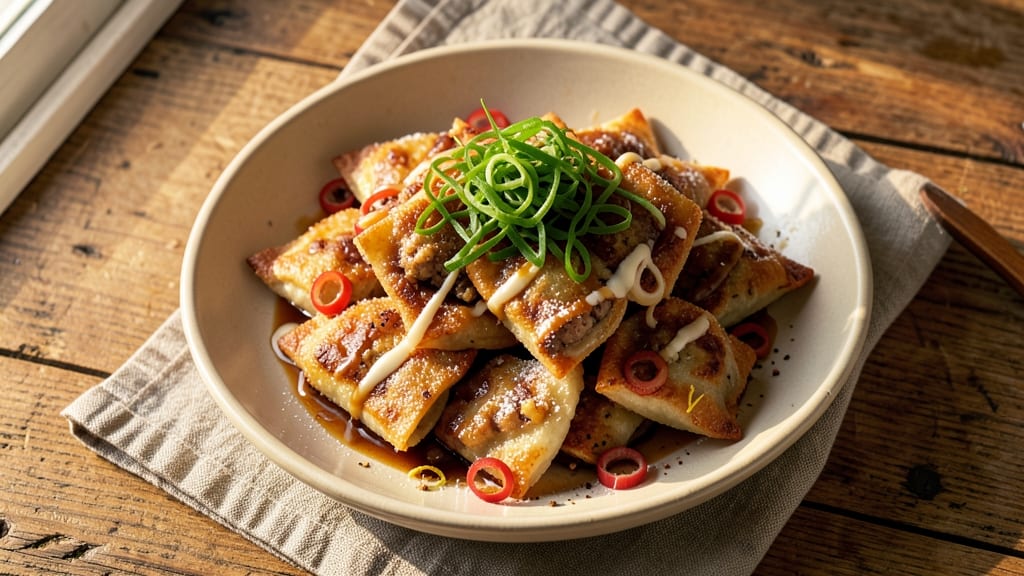
This authentic pork potsticker recipe delivers the perfect balance of wok-seared crispiness and tender, juicy centers—just like the ones I learned to make in Charleston.
The secret lies in the dough's elasticity and the filling's precise seasoning, where ginger, garlic, and scallions create layers of flavor that transform simple ground pork into something extraordinary.
After years of perfecting this technique, I can confidently say these potstickers are restaurant-quality, made with a method that ensures every bite is crisp at the edges and tender inside.
The process begins with a simple yet sturdy dough that requires only flour, water, and a pinch of salt—no yeast, no waiting. The filling combines ground pork with finely chopped ginger, garlic, and scallions, bound together with a touch of soy sauce and cornstarch for that signature chewy texture.
What sets this recipe apart is the two-step cooking method: first steaming the potstickers to cook them through, then pan-searing them in a hot wok until the edges turn golden and crispy. This technique guarantees the perfect texture every time—no soggy centers or uneven browning.
By the time you're done, you'll have a plate of potstickers that crackle with each bite, their crispy edges giving way to tender, flavorful pork filling.
Serve them with a simple soy-vinegar dipping sauce for an extra layer of umami, or stack them high for a visually impressive dish that's sure to impress. This recipe isn't just about the food—it's about the tradition, the technique, and the satisfaction of making something truly authentic at home.
Whether you're cooking for a family gathering or treating yourself to a taste of Charleston, these potstickers are a game-changer. The method is straightforward, but the results are anything but ordinary—crispy, juicy, and packed with flavor. Let's get started on creating your own batch of these beloved dumplings.
Ingredients for authentic pork potsticker
Twelve essential ingredients to craft restaurant-quality potstickers with crisp edges and tender centers.
| Ingredient | Amount | Notes |
|---|---|---|
| All-Purpose Flour 🌾 | 2 ½ cups | Unbleached, for elasticity |
| Ground Pork 🐷 | 1 ½ lb | 80% lean, finely ground |
| Fresh Ginger 🌿 | 2 tbsp | Finely minced, aromatic |
| Garlic Cloves 🧄 | 6 cloves | Minced, for depth of flavor |
| Scallions 🧅 | ½ cup | Thinly sliced, white and green |
| Light Soy Sauce 🍶 | 2 tbsp | For umami balance |
| Cornstarch 🍚 | 2 tbsp | For chewy texture |
| Sesame Oil 🫒 | 1 tbsp | Toasted, for aroma |
| Vegetable Oil 🫒 | ½ cup | High smoke point |
| Water 💧 | ¾ cup | Room temperature |
| Salt 🧂 | ½ tsp | Diamond Crystal preferred |
| White Pepper 🌶️ | ¼ tsp | Freshly ground |
| Rice Vinegar 🍶 | 1 tbsp | For dipping sauce |
| Sugar 🍚 | 1 tsp | For dipping sauce |
The ground pork is non-negotiable—look for 80% lean at Whole Foods or your local butcher for optimal texture. Fresh ginger and garlic should be vibrant and aromatic, not dried or powdered. Scallions add brightness, so choose bright white and green stems. For the dough, unbleached flour ensures elasticity without graying. Diamond Crystal kosher salt is preferred for precise seasoning, though any fine grain works. If your local market doesn’t carry sesame oil, toasted sesame oil from Trader Joe’s is a reliable alternative.
No fresh ginger? Powdered ginger at half the amount works in a pinch, but flavor will differ. Substitute garlic powder for minced garlic, though texture will change. Light soy sauce is key—dark soy sauce adds color but overpowers flavor. For the dipping sauce, rice vinegar should be mild; apple cider vinegar is a substitute. If cornstarch is unavailable, arrowroot powder works equally well. Sesame oil can be omitted if avoiding nutty flavors, but the aroma is essential for authenticity. Always toast sesame oil in a dry pan for 30 seconds before using—this intensifies its flavor.
Store uncooked dough wrapped in plastic for up to 2 days in the fridge or 1 month frozen. Filled potstickers keep 1 day refrigerated or 2 months frozen—separate with parchment paper to prevent sticking. Reheat from frozen in a steamer or pan for 4-5 minutes until crispy. Dipping sauce lasts 5 days refrigerated; double the batch for gatherings. Sesame oil should be stored in a cool, dark place to preserve its aroma—transfer to a small glass jar after opening.
Why You'll Love This Recipe
- No-Fuss Dough: I swear by this dough—just flour, water, and a pinch of salt. No kneading, no resting, no stress. The key? Rolling it thin enough so the filling peeks through just a little when steamed.
- Umami Bomb: That ginger-garlic-scallion mix? It’s the secret. The pork stays juicy while the aromatics crisp at the edges—like a little flavor explosion in every bite. Honestly, I’ve tried store-bought fillings, but this homemade version wins every time.
- Potluck Star: These are my go-to for gatherings. Pan-fry a batch for crispy edges, steam the rest for tender ones, and suddenly you’ve got a dish that feels fancy but takes zero effort. My roommates still ask for seconds, even after the third helping.
- Budget Win: Ground pork is cheap, flour is cheap, and a little fresh ginger goes a long way. I make a double batch, freeze half, and boom—weeknight dinner solved. Plus, the leftovers reheat like a dream, no soggy bits.
Step-by-step instructions for authentic pork potstickers
Master the wok technique and dough handling for restaurant-quality potstickers at home.
Prepare the Filling with Perfect Texture
In a large bowl, combine the 1.5 lb ground pork, 2 tbsp minced fresh ginger, 6 minced garlic cloves, 0.5 cup sliced scallions, 2 tbsp light soy sauce, 0.5 tsp salt, and 0.25 tsp white pepper. Using your hands, mix gently but thoroughly—overworking will make the filling dense. The mixture should be cohesive but still slightly crumbly, with visible moisture from the aromatics.
For authentic texture, I add 2 tbsp cornstarch to the pork mixture at this stage. This creates that signature chewy bite when cooked. Spread the filling on a plate and refrigerate for 30 minutes—this chilling step prevents the filling from releasing too much moisture during cooking, which would make the wrappers soggy.
Make the Dough with Proper Hydration
In a separate large bowl, whisk together the 2.5 cups all-purpose flour and 0.5 tsp salt. Gradually add the 0.75 cup room-temperature water while mixing with chopsticks or a fork. The dough should form a shaggy mass that comes together when pressed, but still feels slightly dry—this is crucial for tender wrappers.
Turn the dough onto a clean surface and knead gently for 3-4 minutes until smooth and elastic. The key here is to avoid overworking—potsticker dough should be soft but not sticky. Wrap tightly in plastic wrap and rest for 30 minutes at room temperature. This resting period allows the gluten to relax, making rolling out the wrappers much easier later.
Roll and Cut Wrappers with Precision
Divide the rested dough into 12 equal portions (about 2 oz each). Working with one piece at a time, roll it into a thin oval shape using a rolling pin. The goal is ⅛-inch thickness—thinner than dumpling wrappers but thicker than wonton skins. If the dough sticks, lightly dust with flour, but don't overdo it or the wrappers will be tough.
Place each rolled dough oval on a floured surface and cut into 4 equal circles using a 3-inch round cutter. I find using a glass as a guide works perfectly. Stack the cut wrappers between layers of parchment paper to prevent drying. Keep the remaining dough covered to maintain moisture—dry wrappers crack when cooking.
Assemble Potstickers with Even Filling Distribution
Place 1 tablespoon of chilled pork filling in the center of each wrapper. Fold in half to create a half-moon shape, then press the edges firmly with your fingers to seal completely. The key to authentic potstickers is the pleated edge—pinch the top edge into 3-4 pleats while keeping the bottom smooth. This creates that signature decorative look while ensuring a tight seal.
Arrange the assembled potstickers on a floured plate, leaving space between them. Cover with a damp towel to prevent drying. The filling should be completely enclosed—any gaps will cause leaking during cooking. I like to work in batches to maintain wrapper pliability.
Pan-Fry for Crispy Edges and Pan-Glazed Bottoms
Heat 0.5 cup vegetable oil in a 14-inch cast-iron skillet over medium-high heat until shimmering but not smoking. Add 6 potstickers (don't overcrowd) and cook for 2-3 minutes until the bottoms turn golden brown and crispy. This is where authenticity shines—you want that caramelized crust while keeping the filling juicy.
Carefully add 0.25 cup water to the pan. Cover immediately with a tight-fitting lid and reduce heat to medium-low. Steam for 5-6 minutes until the water evaporates and the potstickers are cooked through. The steam creates that signature tender interior while maintaining the crispy bottoms. Repeat with remaining batches, adding fresh oil as needed.
Finish with Sesame Oil and Serve with Dipping Sauce
Transfer cooked potstickers to a serving platter. Drizzle each with ½ teaspoon sesame oil and gently toss to coat. The oil enhances the aroma and adds that final authentic touch. For the dipping sauce, whisk together 1 tbsp rice vinegar, 1 tsp sugar, and 1 tbsp water until dissolved. Adjust to taste—it should be tangy with just a touch of sweetness.
Serve immediately with the dipping sauce on the side. The contrast between the crispy bottoms, tender filling, and glossy sauce is what makes these potstickers truly special. Each bite should deliver that perfect combination of textures and flavors that define authentic Chinese street food.
Pro Tips For Making Authentic Pork Potsticker
- STEAM THE WRAPPERS FIRST: I learned this the hard way—dry wrappers stick like glue and tear when you press them. Toss your dumpling wrappers in a steamer basket with a damp towel for 10 seconds before filling. Just enough to soften the edges so they seal cleanly without cracking when you fold.
- MINCE THE GINGER FINE: Fresh ginger’s the star, but I used to chop it too big. Grate it directly into the pork mixture until it’s almost paste-like—no visible flecks. This distributes the heat evenly and keeps the filling tender, not chewy. (Yes, even if you’re impatient like me.)
- CHILL THE FILLING 30 MINUTES: Cold pork filling is your friend. After mixing, refrigerate it for at least 30 minutes before shaping. The fat firms up, so the wrappers don’t leak when frying, and the potstickers hold their shape better. Skip this, and you’ll end up with sad, flat dumplings.
- USE A THIN LAYER OF OIL: A nonstick pan is key, but don’t drown it. Swirl in about 1 teaspoon of oil per batch—just enough to coat the bottom. Too much makes the wrappers soggy; too little risks sticking. Heat on medium-high until the oil shimmers, then add the potstickers in a single layer. Crowding is the enemy.
Flavor customization for this recipe
Spicy Sichuan Style
Transform your potstickers into fiery Sichuan-style delights by adding 1 tbsp Sichuan peppercorns (toasted and ground) and 1 tbsp chili crisp to the filling. The mala (numbing-spicy) flavor profile comes alive when you finish with a drizzle of chili oil and a sprinkle of toasted sesame seeds before serving.
I like to serve these with a side of pickled mustard greens to balance the heat. The secret is using fresh chili oil—I make mine by infusing vegetable oil with dried chili flakes and Sichuan peppercorns for 10 minutes on low heat. 🌶️
Sweet and Sour Glazed
For a sweet-sour twist, brush the assembled potstickers with a glaze made from 2 tbsp hoisin sauce, 1 tbsp rice vinegar, 1 tbsp honey, and ½ tsp grated ginger before pan-frying.
The glaze caramelizes beautifully, creating a glossy, sticky exterior that contrasts perfectly with the crispy edges. Serve with a mango-habanero dipping sauce—blend ½ cup mango puree, 1 habanero pepper, 1 tbsp lime juice, and 1 tsp sugar for a fruity kick.
This variation is a crowd-pleaser, especially for those who love bold flavors. 🍯
Herb-Infused Vegetarian
Swap the pork for a mushroom and shiitake filling—sauté 1 cup finely chopped shiitake mushrooms, ½ cup finely diced bell peppers, and 3 tbsp soy sauce until the liquid reduces. Add 1 tbsp cornstarch and 1 tbsp sesame oil for texture.
The filling stays moist and packed with umami. Garnish with thinly sliced scallions and a sprinkle of toasted nori flakes for an oceanic touch. This version keeps the crispy texture while offering a vegetarian-friendly option that’s just as satisfying. 🌱
Smoky BBQ Twist
Infuse the filling with smoky depth by adding 1 tbsp smoked paprika and 1 tbsp BBQ sauce (I recommend Sweet Baby Ray's) to the pork mixture.
After pan-frying, finish with a drizzle of chipotle aioli—mix ¼ cup mayonnaise, 1 chipotle pepper in adobo, and 1 tsp lime juice. The smoky-sweet contrast is unexpected but delicious, especially when paired with cooling cucumber ribbons on the side.
This fusion style works surprisingly well with traditional potstickers. 🔥
Classic Garlic and Chili
For a bold, no-frills variation, boost the filling with an extra 4 minced garlic cloves and 1 tbsp minced Thai bird’s eye chilies. Add 1 tsp toasted cumin for warmth and finish with a sprinkle of crushed red pepper flakes before serving.
Serve with a garlic-soy dipping sauce—mix 2 tbsp soy sauce, 1 tbsp rice vinegar, 1 tbsp minced garlic, and 1 tsp sugar. This version is my go-to for quick weeknight meals—it’s fast, flavorful, and always a hit. 💛
Nutrition facts
Frequently asked questions
Why do my potstickers turn out soggy instead of crispy?
Soggy potstickers usually happen from one of two issues: overcrowding the pan or not getting enough heat. Always cook in batches with medium-high heat and use 0.5 cup oil for 6 potstickers. The water added during steaming should evaporate completely—if it doesn't, your potstickers will steam instead of crisp. Also, make sure your wrappers are properly sealed and the filling is chilled before cooking.
Can I make potstickers ahead of time and reheat them?
Cooked potstickers freeze beautifully. Arrange them on a tray and freeze until solid, then transfer to a bag. Reheat from frozen in a steamer for 5-6 minutes or pan-fry in 0.25 cup oil for 3-4 minutes to restore crispiness. For refrigerated potstickers, steam for 3-4 minutes or pan-fry until golden. The key is high heat to revive that crispy texture!
What's the difference between potstickers and dumplings?
While both are dumpling-style dishes, potstickers have a pleated top edge and are typically pan-fried first, then steamed. Traditional dumplings (like shumai) are usually fully steamed or boiled. The pleating technique creates that signature decorative look while ensuring a tight seal. Potstickers also have a signature crispy bottom from the initial pan-fry that dumplings don't have.
How do I prevent the filling from leaking during cooking?
Proper sealing is everything! First, make sure your filling is chilled for 30 minutes before assembling. Then, when pleating the top edge, press firmly to create a tight seal. Avoid overfilling—1 tablespoon per wrapper is perfect. The cornstarch in the filling also helps bind the mixture. If you notice leaks during cooking, it's usually from improper sealing rather than the recipe itself.
Can I use store-bought wrappers instead of homemade dough?
Yes, but with some adjustments. Use wonton wrappers (they're thinner) and reduce the cooking time by 1 minute since they cook faster. However, homemade wrappers give that authentic texture and elasticity that store-bought can't match. If using store-bought, look for egg-free wrappers to keep them tender rather than chewy.