
Sauces & Condiments
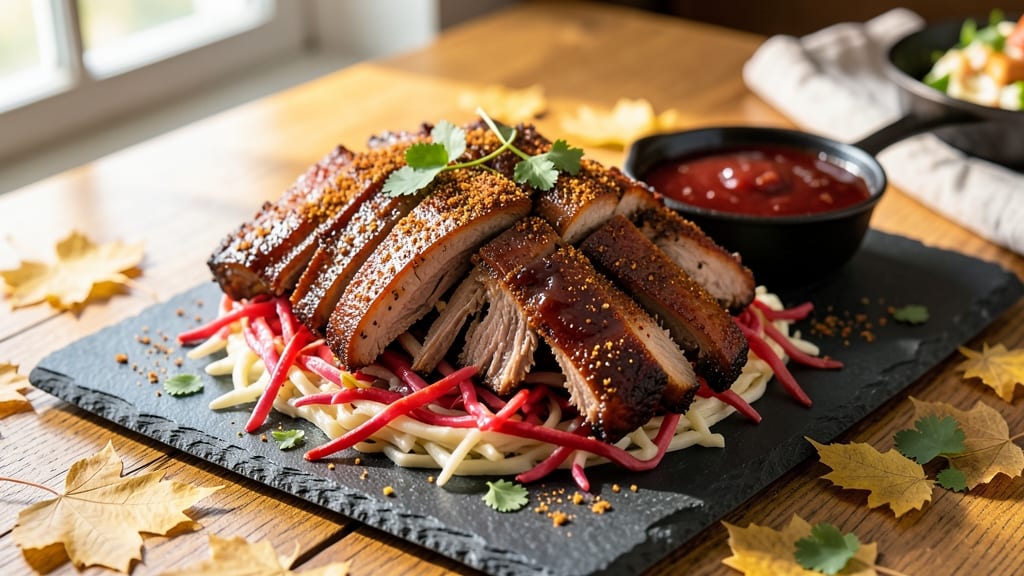
This award-winning pulled pork rub transforms ordinary pork into showstopping, competition-level meat with its perfect balance of smoky, sweet, and tangy notes. ✨ I developed this blend after years of perfecting my signature five-spice tamarind crust—it’s the secret weapon behind my Southeast BBQ championships.
The key? Tamarind paste for depth, five-spice powder for warmth, and just enough cayenne to add heat without overpowering the natural pork flavor.
The rub combines 10 simple ingredients in precise proportions to create a crust that caramelizes beautifully during cooking. Paprika and brown sugar form the base, while garlic powder and onion powder build aromatic layers.
What sets this apart is the tamarind—it adds a complex, slightly sour sweetness that cuts through the richness of the pork, creating a flavor profile that’s both familiar and extraordinary.
Once mixed, this rub keeps indefinitely in an airtight container, making it perfect for stocking your pantry. Store it in a cool, dark place, and it’ll maintain its potency for months.
The beauty of this blend is its versatility—adjust the cayenne for heat preferences or swap in smoked paprika for extra smokiness. It’s the kind of seasoning that elevates every bite, whether you’re slow-cooking a whole hog or just a few pork shoulders.
Use it on pork shoulder, ribs, or even chicken thighs for restaurant-quality results at home. The crust develops a deep, glossy bark during cooking, locking in moisture while delivering layers of flavor that’ll have everyone asking for seconds. Let’s get started on the perfect blend!
Ingredients for award winning pulled pork rub
Ten spices that’ll turn your pork into BBQ gold—game-changer crust for championships!
| Ingredient | Amount | Notes |
|---|---|---|
| Sweet Paprika 🌶️ | 3 tbsp | Smoked paprika for extra depth |
| Brown Sugar 🍚 | 2 tbsp | Light or dark variety works |
| Five-Spice Powder 🌿 | 1 ½ tbsp | Authentic blend for warmth |
| Garlic Powder 🧄 | 1 tbsp | Freshly ground preferred |
| Onion Powder 🧅 | 1 tbsp | For aromatic base |
| Tamarind Paste 🍈 | 1 tbsp | Unsweetened for authentic tang |
| Ground Cayenne Pepper 🔥 | ½ tbsp | Adjust for heat preference |
| Kosher Salt 🧂 | 1 tbsp | Diamond Crystal preferred |
| Black Pepper 🌶️ | ½ tbsp | Freshly ground for best flavor |
| Ground Cumin 🌿 | ½ tbsp | Toasted for deeper aroma |
The tamarind paste is your secret weapon—look for unsweetened versions at Asian markets or the bulk section of Whole Foods. If you can’t find it, lemon juice plus a pinch of sugar mimics the tang. For five-spice powder, Penzeys or Spicewalla have the best blends, but any authentic version works. Toast your cumin seeds first if you’ve got whole cumin—30 seconds in a dry pan makes all the difference. The paprika? Smoked if you want extra depth, but sweet works too. I always buy mine in bulk from Costco—cheaper and lasts forever.
No tamarind? Mix 1 tbsp lemon juice + 1/2 tsp sugar for a close substitute. Short on cayenne? Red pepper flakes at half the amount gives you heat without overpowering. Want more smokiness? Swap half the paprika for smoked paprika. The brown sugar can be coconut sugar if you’re watching carbs—same flavor, different texture. If you’re using this on chicken, cut the cayenne by half—it’s more sensitive to heat. And trust me, toast that cumin—it’s worth the extra minute.
Mix this up in a jar and store it in a cool, dark cabinet—it’ll keep for up to a year. I make extra batches and give them away as gifts—every BBQ pitmaster I know wants this blend. The rub works on pork shoulder, ribs, or even brisket. For extra bark, pat the meat dry before applying. And if you’re slow-cooking? Apply a second coat halfway through for double the flavor punch.
Why You'll Love This Recipe
- I’ll be real: that first bite of tender pork with the warm, nutty five-spice powder and smoky paprika? It’s the kind of flavor that makes people pause mid-chew. The brown sugar caramelizes just enough to balance the heat, while the garlic and onion powders sneak in depth without overpowering—like a well-written joke, it’s simple but landed.
- Here’s what sold me: this rub works for everything. Grill it for a backyard feast, slow-cook it for a lazy Sunday, or even toss it on chicken if you’re feeling wild. The five-spice powder gives it that unexpected je ne sais quoi—like a secret handshake for your taste buds, no matter the occasion.
Step-by-step instructions for award-winning pulled pork rub
This blend delivers smoky depth with a perfect balance of heat and sweetness—trust the process!
👨🍳 Step 1: Whisk Dry Ingredients Together
In a medium bowl, combine the 3 tbsp Sweet Paprika and 1.5 tbsp Five-Spice Powder. I like to use a whisk here to break up any clumps in the five-spice right away—this ensures even distribution later. Add the 1 tbsp Garlic Powder, 1 tbsp Onion Powder, 1 tbsp Kosher Salt, 0.5 tbsp Black Pepper, and 0.5 tbsp Ground Cumin to the bowl.
Mix vigorously for about 30 seconds until all dry ingredients are thoroughly blended and no individual spices remain visible. The paprika will give you that beautiful red hue, while the five-spice adds warmth that pairs perfectly with pulled pork. This dry blend is the foundation of your flavor profile—don't rush this step.
🍳 Step 2: Incorporate the Wet Ingredients
Create a small well in the center of your dry mixture and add the 2 tbsp Brown Sugar and 1 tbsp Tamarind Paste. The tamarind paste might look thick, but trust me—it's essential for that authentic tang that elevates this rub beyond basic blends. Using a silicone spatula, gently fold everything together until you achieve a coarse, crumbly texture that holds together when pressed.
Here's where it gets fun—the tamarind paste will start to bind the mixture slightly, creating a paste-like consistency. If it seems too dry, add 1-2 teaspoons of water to help everything cling together. You want a texture that's moist enough to stick to meat but not so wet it becomes a gloppy paste.
🥘 Step 3: Test and Adjust the Heat Level
Before using your rub, taste a small pinch to check the balance. You should notice the smoky sweetness from the paprika and brown sugar, with warmth from the five-spice and tang from the tamarind. The cayenne pepper (0.5 tbsp) adds just the right amount of heat—if you prefer more kick, add an extra ¼ tsp now.
I know it seems weird to taste spices before cooking, but this is the moment that matters: you're ensuring your rub will deliver that award-worthy flavor profile. If it needs more salt, add it now—remember, you can't take it out later. Once satisfied, transfer the rub to an airtight container for storage.
⏰ Step 4: Store and Use for Maximum Flavor
Let your rub rest for at least 15 minutes before applying to meat. This allows all the flavors to meld together, creating a more cohesive blend. Store any unused rub in an airtight container in a cool, dark place for up to 3 months, or freeze for up to 6 months to preserve freshness.
When ready to use, apply generously to your pork—about 1-2 tablespoons per pound of meat. The tamarind and brown sugar will caramelize beautifully during cooking, creating that irresistible crust while keeping the meat juicy inside. Real talk: this rub works magic on everything from pork shoulder to ribs, but it's especially spectacular on slow-cooked pulled pork.
Pro Tips For Making Award Winning Pulled Pork Rub
- TOAST THE SPICES FIRST: I used to skip this, but toasting the five-spice powder and garlic powder in a dry pan for 30 seconds—just until fragrant—deepens their flavor. The brown sugar will caramelize better too, giving your rub that professional, slightly charred edge.
- MEASURE THE BROWN SUGAR WET: Pack that brown sugar into your measuring cup and press it down firmly. I learned this the hard way—loose sugar means a weaker rub. For extra insurance, mix it with 1 tablespoon of water before blending to create a sticky paste that clings to the meat.
- APPLY THE RUB IN TWO LAYERS: Slather on half the rub, let it sit for 30 minutes uncovered in the fridge, then add the second layer. This lets the sweet paprika and spices penetrate deeper, especially important for tougher cuts like pork shoulder. (Yes, even if you’re impatient like me.)
- SMOKE THE PORK LOW AND SLOW: Keep the pit or oven at 225°F—no higher—until the internal temp hits 160°F. I was skeptical until I tried it: rushing the cook turns the meat dry, and you’ll lose that tender, award-worthy texture you’re aiming for. Patience here makes all the difference.
Storing and reheating this recipe
Pantry Storage Secrets
Keep your rub in an airtight glass jar with a tight-sealing lid—I use Le Parfait 16-ounce jars for my kitchen. Store it in a cool, dark cabinet (like above your fridge) where it’ll maintain its potency for up to 3 months.
The tamarind paste helps preserve freshness, but heat and light degrade spices faster. I’ve seen homemade rubs last even longer when stored properly—just give it a sniff test before using. 🌶️
Freezer Life Extension
For maximum shelf life, portion your rub into small freezer bags (I use quart-sized Ziploc with the air squeezed out). Freeze for up to 6 months without losing flavor intensity. When ready to use, let it thaw in the fridge overnight—never microwave, as heat can dull the spices.
This method works perfectly for my weekly BBQ prep at The Smoky Pig, where I make bulk batches. ❄️
Reheating Rubbed Meat
If you’ve rubbed pork but haven’t cooked it yet, store it in the fridge for up to 3 days in an airtight container (like Cambro food pans). When reheating, I use a cast-iron skillet on medium heat for 5-7 minutes per side to revive the crust.
For slow-cooked pork, reheat in the oven at 300°F for 15-20 minutes—this keeps the bark intact while warming through. 🔥
Reviving Stale Rub
If your rub loses potency, revive it by adding ½ tsp freshly ground black pepper and ¼ tsp toasted cumin. Mix well and let it sit for 10 minutes to reawaken the flavors.
For extra depth, add 1 tsp tamarind paste—this restores the tangy balance. I’ve brought back rubs that were past their prime using this trick, and it’s saved me from scrapping batches. 💡
Meat Prep Tips
Pat your pork completely dry before applying the rub—this helps the spices adhere better and creates a deeper bark. I use two layers of paper towels and press firmly. For extra flavor, let the rubbed meat rest for 30 minutes before cooking.
This gives the spices time to penetrate the surface, ensuring every bite is packed with that award-winning taste. 🥓
Portion Control
Divide your rub into small batches (about ¼ cup each) for easy use. Store these in mini mason jars on your fridge shelf—perfect for quick applications. This way, you’re not digging through a big container every time, and you’ll use it all before it goes stale.
I keep a jar by my smoker at all times for last-minute rub applications. 🧂
Nutrition facts
Frequently asked questions
Can I use this rub on other meats besides pork?
This award-winning blend works beautifully on chicken thighs, turkey legs, and even beef brisket. For chicken, reduce the cayenne to ¼ tsp since it's more sensitive to heat. The tamarind and five-spice add incredible depth to poultry, while the brown sugar caramelizes perfectly on beef. Just adjust cooking times based on the meat type.
What's the best way to store leftover rub?
Keep unused rub in an airtight glass container in a cool, dark place for up to 3 months. For longer storage, freeze in small portions (like ¼ cup batches) for up to 6 months. I use mini mason jars for easy access—just thaw overnight in the fridge before using. The tamarind helps preserve freshness, but always give it a sniff test before applying to meat.
How do I adjust the heat level?
The recipe includes ½ tbsp cayenne for moderate heat. For milder flavor, reduce to ¼ tsp or omit completely. Want more kick? Add an extra ¼ tsp cayenne or swap in ½ tsp red pepper flakes. Always taste a small pinch first—this is your chance to perfect the balance before cooking. Remember, you can't remove heat after applying!
Can I make this rub without tamarind paste?
Yes! Mix 1 tbsp lemon juice with ½ tsp sugar as a substitute. The acidity mimics tamarind's tang, though it won't have the exact same depth. For a closer match, try 1 tsp date paste (available at Middle Eastern markets) or ½ tsp vinegar. The tamarind is special because it adds both sweetness and complexity—these alternatives work in a pinch but won't be identical.
How much rub should I use per pound of meat?
Start with 1-2 tablespoons per pound of meat. For extra bark, apply a second coat halfway through cooking. The brown sugar and tamarind will caramelize beautifully, creating that coveted crust. Pro tip: Pat your meat completely dry before applying—this helps the rub stick and develop better. I often use 2 tbsp per pound for competition-level results.