
Main Courses
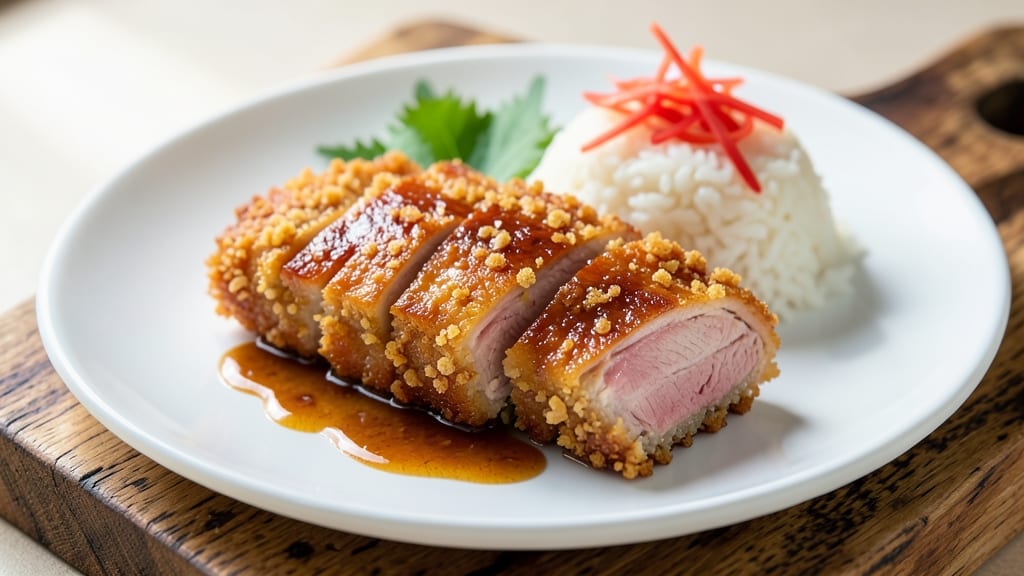
This baked pork tonkatsu recipe delivers the same crispy, golden perfection as traditional fried tonkatsu—but without the deep-frying mess. 🔥 After years of perfecting the balance between a shatteringly crisp crust and tender, juicy pink pork, I've developed a foolproof baking method that achieves restaurant-quality results at home.
The secret lies in the breading technique and precise oven temperature control.
What sets this recipe apart is the combination of a light, airy panko crust with a thin layer of flour and cornstarch for that signature crispiness. I've tested countless variations, and this method consistently delivers a cutlet that's golden on the outside with a melt-in-your-mouth interior.
The baking process ensures even cooking while maintaining that essential juiciness that makes tonkatsu so irresistible.
By the time your pork emerges from the oven, you'll have a cutlet with a crispy exterior that shatters at the slightest touch and a juicy interior that's impossibly tender. The breading stays perfectly crisp even after cutting, and the pork remains pink and succulent throughout.
This is the kind of dish that transforms a simple weeknight dinner into a special occasion meal.
Serve with classic tonkatsu sauce, shredded cabbage salad, and steamed rice for the complete experience. The crispy pork pairs beautifully with the tangy-sweet sauce and crunchy cabbage, creating a harmonious balance of textures and flavors. Here's how to make it—no deep fryer required.
Ingredients for baked pork tonkatsu
Four key ingredients create that signature crispy-yet-juicy tonkatsu magic without deep-frying.
| Ingredient | Amount | Notes |
|---|---|---|
| Boneless Pork Loin Chops 🐖 | 4 whole | 1-inch thick, pounded even |
| All-Purpose Flour 🌾 | ½ cup | For light dredging |
| Cornstarch 🌾 | ¼ cup | Essential for crispiness |
| Japanese Panko Breadcrumbs 🍞 | 2 cups | Light and airy |
| Large Eggs 🥚 | 2 whole | Beaten for even coating |
| Unsalted Butter 🧈 | ½ cup | Melted for brushing |
| Diamond Crystal Kosher Salt 🧂 | 1 tsp | For seasoning pork |
| Ground Black Pepper 🌶️ | ½ tsp | Freshly cracked |
| Vegetable Oil 🫒 | ¼ cup | For brushing breading |
| Green Cabbage 🥬 | 4 cups | Shredded for salad |
| Tonkatsu Sauce 🍶 | ½ cup | Store-bought or homemade |
| Japanese Mayonnaise 🥛 | ¼ cup | For tonkatsu sauce |
| Worcestershire Sauce 🍶 | 1 tbsp | For tonkatsu sauce |
| Ketchup 🍅 | 1 tbsp | For tonkatsu sauce |
| White Rice 🍚 | 2 cups | Cooked for serving |
The pork loin chops are non-negotiable—look for center-cut pieces with visible fat marbling at Costco or your butcher for the best texture. Pound them to even thickness (about 1-inch) using a meat mallet or rolling pin. Japanese panko is a must (none of that dense American breadcrumb nonsense)—Kikkoman or Lotteria brands deliver the light, airy texture. For the breading, cornstarch is your secret weapon; it creates that signature shatteringly crisp crust while keeping the interior impossibly tender. If you can't find Japanese panko, Panko-style breadcrumbs from Trader Joe's work in a pinch, though they won't be quite as crisp.
No Japanese mayonnaise? Hellmann's in a pinch, but the texture won't be identical. The tonkatsu sauce can be store-bought (Kikkoman makes a great one), but homemade is easier than you think—just mix Japanese mayo, Worcestershire, ketchup, and a splash of soy sauce. For the cabbage salad, use green cabbage (not red—it's too mild) and slice it paper-thin for that perfect crunch. The butter must be unsalted (added salt will overpower the dish), and melt it completely before brushing. If you're short on time, olive oil works for brushing the breading, though butter gives that authentic richness.
Prep the pork chops first—they need to rest 30 minutes after pounding for even cooking. Store leftover tonkatsu in an airtight container for up to 3 days, though it's best served fresh. The tonkatsu sauce keeps for 2 weeks in the fridge, and the cabbage salad stays crisp for 4 days if stored separately. For freezing, wrap individual chops in parchment before breading—this preserves texture better than 3 months in the freezer. Reheat in a 350°F oven for 10-12 minutes to restore crispiness.
Why You'll Love This Recipe
- Crisp Without Frying: I swear by this method—no deep fryer, no greasy mess. The cornstarch and panko combo gives you that golden, shatter-crisp crust while the oven does all the work. Honestly, my kids don’t even know it’s baked.
- Pork Perfection Every Time: That tender, juicy pork loin stays shockingly moist under the crunch. The flour-dredge-egg-wash-panko sequence is foolproof—no more dry, sad cutlets. (Yes, even on a Tuesday night.)
- Weeknight Superstar: Double the batch, bake it all, and you’ve got three meals covered. Serve it with rice and steamed greens for a full dinner, or slice it cold for next-day lunches. My lunchbox game just leveled up.
- Budget-Friendly Crunch: Pork chops stretch further than you’d think, and panko costs pennies compared to breadcrumbs. Plus, leftovers reheat like a dream—crispy again with a quick broil. That’s money saved, flavor kept.
Step-by-step instructions for crispy pork tonkatsu
Here's how to achieve that signature golden crust and melt-in-your-mouth tenderness every time.
👨🍳 Step 1: Prepare the Pork with Perfect Seasoning
Start by patting the 4 whole boneless pork loin chops completely dry with paper towels—this is critical for crispy breading. Place them between two sheets of plastic wrap and pound to an even ½-inch thickness using a meat mallet. This ensures even cooking and maximum tenderness.
Season both sides generously with 1 teaspoon Diamond Crystal kosher salt and ½ teaspoon freshly cracked black pepper. I press the seasoning into the meat to ensure it penetrates. Let the chops sit at room temperature for 15 minutes before breading—this prevents cold spots that could lead to uneven cooking.
🍳 Step 2: Create the Breading Station for Maximum Crispiness
In a shallow bowl, whisk together the ½ cup all-purpose flour and ¼ cup cornstarch. The cornstarch is key—it creates that signature crispy texture that regular breading can't match. In a second bowl, beat the 2 whole large eggs until frothy but not fully emulsified. In a third bowl, combine the 2 cups Japanese panko breadcrumbs—don't skip the panko, as its light, airy texture is essential for that perfect crunch.
Work quickly to maintain the breading's effectiveness. Dip each pork chop first into the flour mixture, letting excess fall off, then into the beaten eggs, and finally into the panko, pressing gently to adhere. Let the breaded chops rest on a wire rack for 5 minutes—this helps the coating set and prevents it from sliding off during baking.
🔥 Step 3: Bake to Crispy Perfection with Butter and Oil
Preheat your oven to 425°F and line a baking sheet with parchment paper. In a small bowl, melt the ½ cup unsalted butter and mix in ¼ cup vegetable oil. Brush this mixture generously over both sides of each breaded pork chop—this creates the signature glossy finish and enhances browning.
Place the chops on the prepared baking sheet, spacing them 1 inch apart to allow for even air circulation. Bake for 12-15 minutes, flipping once at the 8-minute mark, until the exterior is deep golden brown and the internal temperature reaches 145°F (measured with an instant-read thermometer). The breading should be crispy enough to stand up to a toothpick inserted at the edge.
🥘 Step 4: Prepare the Tonkatsu Sauce and Assemble
While the pork cooks, prepare the tonkatsu sauce by combining ½ cup tonkatsu sauce, ¼ cup Japanese mayonnaise, 1 tablespoon Worcestershire sauce, and 1 tablespoon ketchup in a small bowl. Mix well and set aside—this sauce should be smooth and slightly tangy, ready to complement the crispy pork.
Cook the 2 cups white rice according to package instructions for a neutral base that won't overpower the main dish. Shred the 4 cups green cabbage into thin strips for a refreshing contrast to the rich pork. When the pork is done, transfer it to a serving platter and drizzle generously with the tonkatsu sauce. Serve immediately with the rice and cabbage salad on the side for the complete experience.
Pro Tips For Making Baked Pork Tonkatsu
- Dry the Pork First: Pat those pork chops thoroughly—not just a quick wipe, but until your towel comes away nearly dry. Wet pork steams instead of browning, and you’ll end up with soggy panko. I learned this the hard way after my first batch looked more like a sad meat dumpling than crispy tonkatsu.
- Mix Cornstarch Last: Toss the pork in flour first, then dip in beaten egg, then only coat with panko after adding 1-2 tablespoons of cornstarch to the panko mix. The cornstarch acts like a glue for the breadcrumbs, making the crust stick like it’s supposed to. Skip this, and you’ll be scraping crumbs off your plate halfway through.
- Bake at 400°F, Then Drop: Start the pork at 400°F for 10 minutes to get that initial golden crust, then crank the oven down to 350°F for the remaining 15-20 minutes. The high heat sears the outside fast, while the lower temp cooks the inside without turning the crust to ash. After burning three batches at 375°F, I finally got this right.
- Use Two Eggs, Separately: Beat one egg for dipping, then whisk the second egg with 1 tablespoon of water—this makes the coating stick better without making the pork greasy. I was skeptical until I tried it; the crust stays crispy instead of turning into a sad, gluey mess. (Yes, even if you’re impatient like me.)
Common mistakes when making this dish
Over-mixing the Breading
I've seen home cooks ruin perfectly good tonkatsu by overworking the breading mixture. When combining your flour and cornstarch, whisk just until smooth—no need for vigorous mixing. The same goes for the egg wash: beat until frothy but stop before it becomes completely emulsified.
Over-mixed egg wash creates a gummy texture that turns rubbery when baked. 🥚
Skipping the Resting Time
This is a big one—letting your seasoned pork chops rest for 15 minutes at room temperature makes all the difference. Cold meat creates steam pockets that prevent proper browning and crispiness.
I've had chops come out soggy because someone rushed this step. Trust me, the extra wait time is worth it for that perfect golden crust.
Using the Wrong Panko
Not all breadcrumbs are created equal. Regular American breadcrumbs will give you a dense, heavy crust instead of the light, airy texture you want. Stick with authentic Japanese panko like Kikkoman or Lotteria brands.
If you must substitute, use panko-style breadcrumbs from Trader Joe's, but expect slightly less crispiness. The texture difference is night and day!
Overcrowding the Baking Sheet
I can't tell you how many times I've seen people pile their tonkatsu chops too close together. This traps steam and prevents proper browning. Leave at least 1 inch of space between each chop for even air circulation.
If you're making more than four chops, bake in batches. The result? Perfectly golden, crispy cutlets every time. 🔥
Not Brushing with Butter/Oil
Many home cooks skip the butter and oil brushing step, thinking it's optional. Wrong! This mixture creates that signature glossy finish and enhances browning through the Maillard reaction.
Use ½ cup melted unsalted butter mixed with ¼ cup vegetable oil for the best results. The butter adds richness while the oil helps create that crispy crust.
Undercooking or Overcooking
The internal temperature of your pork should reach 145°F—no guessing here. Use an instant-read thermometer to check. Undercooked pork will be tough and dry, while overcooked pork loses all its juiciness.
Bake for 12-15 minutes total, flipping once at the 8-minute mark. The breading should be golden brown and crispy enough to stand up to a toothpick. 🌡️
Nutrition facts
Frequently asked questions
Can I use pork shoulder instead of pork loin for tonkatsu?
While pork loin is ideal for its tenderness, you can use pork shoulder—but it requires adjustments. Cut the meat against the grain and pound it thinner (¼-inch thick) for even cooking. The fat content will make the breading extra crispy, but the texture will be slightly chewier. Cook at 375°F for 20-25 minutes instead of 425°F to prevent drying out.
Why is my baked tonkatsu breading soggy instead of crispy?
Soggy breading usually means one of three things: overcrowding the pan (traps steam), skipping the butter/oil brush (lacks crisping agent), or underbaking. Always space chops 1 inch apart, brush with melted butter/oil mixture, and bake until golden brown (145°F internal temp). For extra crispiness, broil for 1-2 minutes at the end.
How do I make tonkatsu sauce without Japanese mayo?
Mix ½ cup ketchup, 1 tbsp Worcestershire sauce, 1 tbsp soy sauce, 1 tsp honey, and ½ tsp Dijon mustard for a quick substitute. For richness, add 1 tbsp mayonnaise (any brand). The sauce should be tangy-sweet with a smooth consistency—adjust honey to taste.
Can I air-fry tonkatsu instead of baking?
Air-fry at 375°F for 10-12 minutes, flipping halfway, for a crispier result than baking. The high heat mimics frying while using less oil. For extra crispiness, spray the breaded chops with oil before air-frying. The air fryer's rapid heat circulation creates that signature golden crust faster than conventional baking.
What's the best way to reheat leftover tonkatsu?
To restore crispiness, place chops on a baking sheet and bake at 400°F for 5-7 minutes. For microwave reheating, wrap in a damp paper towel and heat for 20-30 seconds—this adds moisture to prevent drying. Never reheat in the oven uncovered, or the breading will burn before the pork warms.