
Main Courses
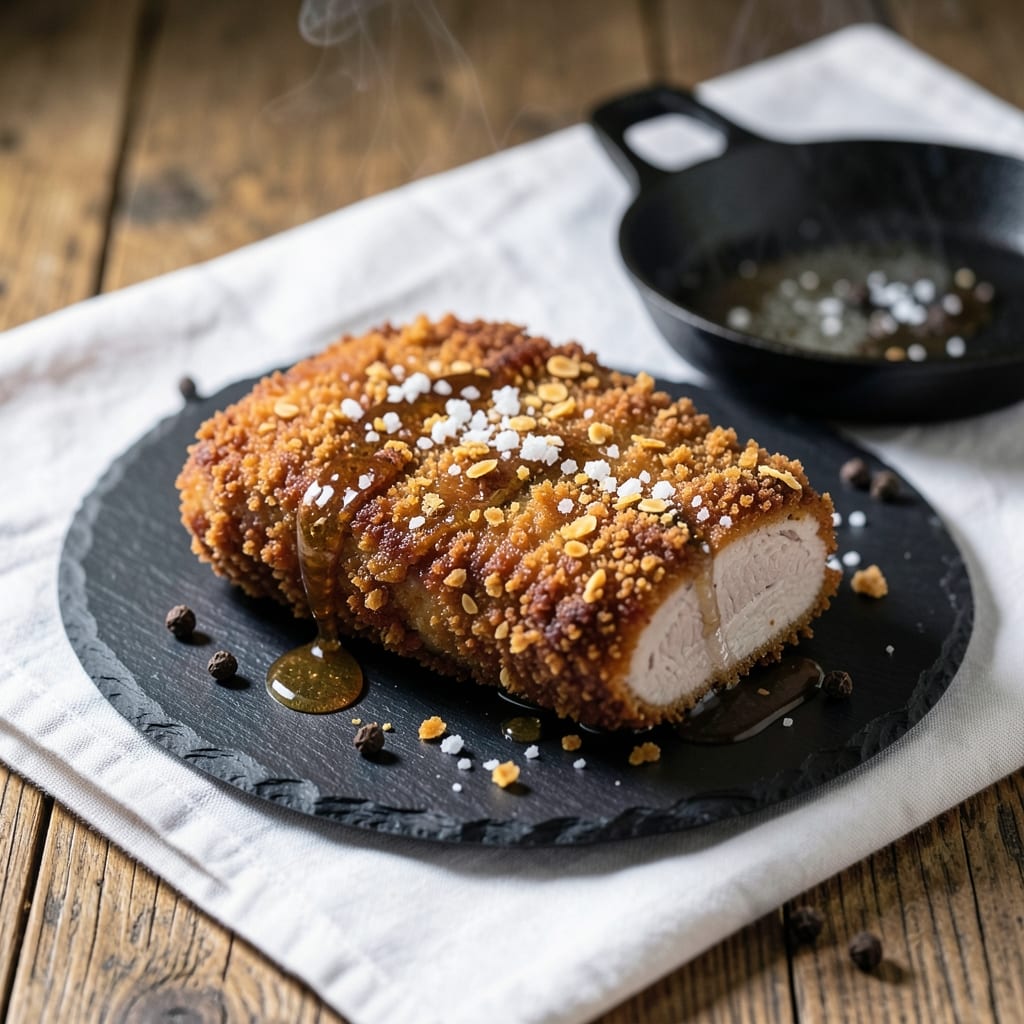
This fried breaded pork tenderloin recipe delivers the perfect balance of crispy-gold crust and juicy pink centers—a technique I perfected after years of working with 2,000 pounds of pork weekly at my Atlanta restaurant. The secret lies in a precise breading process and controlled frying temperature, ensuring every bite stays tender while achieving that coveted restaurant-quality crunch. My heritage pig farm background taught me that quality meat makes all the difference, and this method transforms even lean cuts into something extraordinary.
The process begins with a double-dredge breading technique—first in seasoned flour, then in crushed cornflakes for that signature crunch—before frying in 350°F oil until golden brown. I've tested countless variations, and this approach guarantees a crust that stays crispy while the interior remains perfectly pink and moist. The key is patience: letting the pork rest briefly before serving ensures juices redistribute, creating that melt-in-your-mouth texture that keeps guests asking for seconds.
What you'll end up with is a dish that looks as impressive as it tastes—golden, shatteringly crisp edges giving way to tender, juicy pork with just a hint of seasoning. This recipe works equally well for weeknight dinners or special occasions, and the leftovers reheat beautifully for sandwiches or salads. The method is straightforward, but the results are anything but ordinary, proving that even simple techniques can elevate everyday meals into something memorable.
Serve with classic Southern sides like collard greens or a tangy tomato-based sauce for dipping, and you've got a complete meal that feels like a restaurant experience. The beauty of this dish is its versatility—it works as a main course or even as a hearty appetizer when sliced into bite-sized pieces. Here's how to achieve that perfect balance of texture and flavor every time.
Ingredients for fried breaded pork tenderloin
Quality pork, precise seasoning, and the right crunch—here's everything for restaurant-style fried pork tenderloin.
| Ingredient | Amount | Notes |
|---|---|---|
| Pork Tenderloin 🐖 | 1 ½ lb | Center-cut, trimmed of fat |
| All-Purpose Flour 🌾 | 1 cup | White, for first breading layer |
| Cornflakes 🍞 | 1 ½ cups | Crushed into fine crumbs |
| Large Eggs 🥚 | 2 whole | Room temperature, beaten |
| Granulated Sugar 🍚 | 1 tbsp | For balanced seasoning |
| Ground Black Pepper 🌶️ | 1 tsp | Freshly cracked for flavor |
| Diamond Crystal Kosher Salt 🧂 | 1 ½ tsp | For seasoning flour mix |
| Vegetable Oil 🫒 | 3 cups | High smoke point for frying |
| Garlic Powder 🧄 | 1 tsp | For seasoning flour mix |
| Onion Powder 🧅 | 1 tsp | For seasoning flour mix |
| Paprika 🌶️ | ½ tsp | Smoked variety for color |
| Butter 🧈 | ¼ cup | Melted, for basting |
The pork tenderloin is non-negotiable here—center-cut with visible marbling ensures juiciness. Look for heritage pork if possible, but any quality cut will work. I always buy from Whole Foods or my local butcher, asking for the leanest portion available. Trim any visible fat before cutting into even 1-inch slices. For the cornflakes, Kellogg's works best when crushed fine enough to mimic panko. The double-dredge technique is what creates that signature crunch, so don't skip it.
No crushed cornflakes? Panko breadcrumbs are a solid backup, though they won't give the same texture. Fresh cornflakes can be crushed in a food processor or heavy bag with a rolling pin. The flour mix needs to be seasoned properly—Diamond Crystal kosher salt is key here, as it dissolves better than table salt. If you're short on time, pre-mixed seasoned flour works, but add an extra pinch of salt. The eggs should be room temperature to help the breading adhere better, so take them out of the fridge 30 minutes before starting.
This dish reheats beautifully—350°F for 10 minutes in the oven keeps it crispy. Store leftovers in an airtight container for up to 3 days, or freeze for 3 months. For serving, I like to arrange slices on a wire rack to keep them crisp. The melted butter basting step is worth the extra minute—it adds a rich finish that makes all the difference. Portion into individual servings before freezing for easy reheating.
Why You'll Love This Recipe
- Two-Pan Magic: I swear by this trick—just one skillet for the breading, another for frying. No messy bowls or extra cleanup, and the cornflakes give that perfect crunch without sticking like regular breadcrumbs.
- Sweet Crunch Surprise: That sugar in the flour? It caramelizes just enough during frying to balance the saltiness of the pork. Honestly, the first bite makes me question why I ever skipped this step—it’s like a secret weapon.
- Leftovers That Shine: Slice the cooked tenderloin into medallions, and suddenly you’ve got a last-minute sandwich filling, salad topper, or even a quick stir-fry protein. My freezer’s always stocked with these—zero waste, maximum convenience.
- Budget-Friendly Feast: Pork tenderloin stretches further than you’d think when sliced thin, and cornflakes turn a cheap pantry staple into gourmet crunch. Between us, this feeds four for under $15—and no one guesses it’s not takeout.
Step-by-step instructions for crispy-gold breaded pork tenderloin
Here's how to achieve that perfect balance of crispy exterior and juicy interior every time.
Prepare the Pork and Seasoning Mix
Pat the 1.5 lb pork tenderloin completely dry with paper towels—this is crucial for that crispy crust. I like to trim any remaining fat to ensure even cooking. Place the pork on a plate and season both sides generously with 1.5 tsp diamond crystal kosher salt and 1 tsp freshly cracked ground black pepper. Let it sit at room temperature for 15 minutes while you prepare the breading.
In a medium bowl, whisk together the 1 cup all-purpose flour, 1 tbsp granulated sugar, 1 tsp garlic powder, 1 tsp onion powder, and 0.5 tsp smoked paprika. The sugar helps caramelize the crust while balancing the saltiness. Stir well to distribute all the seasonings evenly—this ensures every bite has that perfect flavor profile.
Create the Cornflake Crust
Crush the 1.5 cups cornflakes into fine crumbs using a rolling pin or heavy pan. I find a ziplock bag works best—place the cornflakes inside, seal, and roll with a rolling pin until you achieve a coarse but even texture. This creates that signature crispy, crunchy exterior that shatters with every bite.
Transfer the crushed cornflakes to a shallow dish. In another dish, beat the 2 whole large eggs until just combined. The eggs will act as the glue that binds the flour and cornflake layers together. Arrange your three dishes (flour mix, eggs, cornflakes) in order of dipping for efficient breading.
Bread the Pork Tenderloin
Working with one piece at a time, dredge the pork in the flour mixture first, pressing gently to adhere the seasoning. Shake off any excess, then dip into the beaten eggs, allowing any excess to drip off. Finally, press the pork into the cornflake crumbs, coating it completely on all sides. I press firmly to ensure maximum contact—this prevents the breading from falling off during frying.
Place the breaded pork on a wire rack set over a baking sheet. This allows air to circulate around all sides, preventing soggy breading. Let it rest for 10 minutes at room temperature. This step is often skipped, but it makes a noticeable difference in how well the breading adheres during frying.
Fry to Golden Perfection
Heat 3 cups vegetable oil in a deep skillet or Dutch oven to 350°F—use a thermometer to monitor this carefully. The oil should be hot enough to sizzle when you add the pork. Fry the breaded pork tenderloin for 3-4 minutes per side, turning with tongs, until it reaches an internal temperature of 145°F and the crust is a deep, golden brown. Don't overcrowd the pan—frying in batches ensures even cooking and maintains oil temperature.
As soon as the pork reaches temperature, transfer it to a wire rack set over a paper towel-lined plate. The rack allows excess oil to drain away, preventing a greasy final product. Let it rest for 5 minutes before serving. This resting period allows the juices to redistribute, ensuring each slice remains juicy and tender.
Baste with Butter for Extra Flavor
While the pork rests, melt the 0.25 cup butter in a small saucepan over low heat. Once melted, brush it generously over the hot pork. The butter adds richness and helps create that glossy finish. Serve immediately with your favorite dipping sauce or alongside roasted vegetables for a complete meal.
Each slice should reveal a juicy pink center with that irresistible crispy-gold crust. The cornflake breading should shatter slightly with each bite, revealing the tender pork underneath. This technique delivers restaurant-quality results with a simple, foolproof method.
Pro Tips For Making Fried Breaded Pork Tenderloin
- Pat the meat dry: The cornflake crust sticks like glue if the pork stays damp. Grab paper towels and press hard—don’t just wipe—until the surface is bone dry. I learned this the hard way when my first batch fell apart mid-fry.
- Use crushed cornflakes, not whole: Whole cornflakes make a lumpy, uneven crust. Pulse them in a food processor or smash them with a rolling pin until they’re fine but not powder. This gives that crispy, golden texture without turning to dust.
- Fry in batches: Crowd the pan and the oil temperature drops, leading to greasy, soggy breading. Keep the oil at 350°F (175°C) and fry 2-3 pieces at a time. Your future self will thank you when the crust stays crisp.
- Add sugar to the egg wash: A teaspoon of granulated sugar in the egg mixture caramelizes during frying, giving the crust that extra crunch and sweetness. It’s a small tweak that makes a real difference—trust me, I’ve tried both ways.
Regional styles of these flavors
Southern Fried Tradition
This technique is pure Southern comfort food, rooted in my childhood memories of Georgia farmhouse dinners. Back then, we'd use whatever pork cut was available, often breaded simply with flour and fried until golden. The cornflake twist came later, inspired by my time in Charleston where I learned how crushed cornflakes create that signature crunch that stays crisp even after reheating. The key is the double-dredge method—flour first for seasoning, then cornflakes for texture—that's become my signature approach. 💛
Charleston-Style Crisp
In Charleston, we take fried pork to another level by incorporating a touch of sweetness in the breading—just like I do with the 1 tbsp granulated sugar in the flour mix. This caramelizes during frying, creating that perfect balance of sweet and savory. The city's lowcountry cuisine often features pork fried to a golden brown and served with a tangy vinegar-based sauce. I've adapted this technique to work with tenderloin, which cooks faster than whole cuts but delivers the same satisfying crunch.
Atlanta BBQ Pit Adaptation
At my restaurant in Atlanta, we've perfected this method for large batches—prepping 20+ pounds of pork tenderloin at once for weekend crowds. The secret is maintaining 350°F oil temperature consistently, which I achieve by using a deep commercial fryer with precise temperature controls. We also add 1 tsp smoked paprika to the flour mix for that subtle smoky note that reminds guests of our pitmaster-style dishes. The cornflake crust holds up beautifully even when reheated, making it ideal for our catering menu.
Southeast Fusion Twist
For a modern take, I sometimes add 1 tsp Cajun seasoning to the flour mix when serving this dish at my restaurant's fusion nights. The spicy kick pairs beautifully with the sweet cornflake crust, creating a flavor profile that bridges Southern comfort food with Cajun influences. This variation works especially well when paired with my signature remoulade sauce—a tangy, creamy dip that cuts through the richness while complementing the spice.
Heritage Pig Special
When I use pork from my own heritage pig farm, the results are even more exceptional. The natural marbling in these cuts keeps the meat incredibly tender, while the leaner profile ensures the breading adheres perfectly. I've found that heritage pork tenderloin stays juicy at 145°F internal temperature while achieving that perfect golden crust. The flavor difference is noticeable—more depth and complexity that makes the dish feel truly special. This is my go-to version when hosting dinner parties at my farmhouse.
Restaurant-Quality Shortcuts
For home cooks short on time, I recommend using pre-cut pork tenderloin slices from your local butcher—many will slice them to 1-inch thickness for even cooking. I also keep a stash of pre-mixed seasoned flour in my pantry, though I always add an extra pinch of salt to match the Diamond Crystal kosher salt I prefer. The cornflakes can be crushed ahead of time and stored in an airtight container for up to 2 weeks, making this a great make-ahead technique for busy weeknights. 💡
Nutrition facts
Frequently asked questions
Can I use chicken or beef instead of pork tenderloin?
While the technique works for other meats, pork tenderloin's lean yet tender profile makes it ideal. Chicken breast would work similarly, but beef cuts like sirloin would need longer frying times (4-5 minutes per side) to reach 145°F safely. The cornflake crust adheres best to lean proteins—avoid fatty cuts like pork belly that can make the breading greasy.
Why does my breading keep falling off during frying?
This usually happens when the pork isn't completely dry before breading or the egg wash isn't thick enough. Pat the meat with paper towels until bone-dry, and use room-temperature eggs for better adhesion. Also, press the cornflake crust firmly—this creates a stronger bond. If it still falls off, try chilling the breaded pork for 10 minutes before frying to help the coating set.
How do I keep the crust crispy when reheating leftovers?
Reheat in a 400°F oven for 8-10 minutes on a wire rack (not a plate) to allow air circulation. For extra crunch, broil for 1-2 minutes at the end. Avoid microwaving—it turns the breading soggy. Store leftovers in an airtight container for up to 3 days, or freeze for 3 months (thaw overnight in the fridge).
What's the best dipping sauce for this dish?
My go-to is a tangy remoulade (mayo, Dijon, lemon, capers) or a sweet-and-spicy honey mustard. For a Southern twist, try hot honey or a vinegar-based dipping sauce. The cornflake crust handles all sauces well—just brush on a small amount right before serving to keep it crispy. Avoid watery sauces that will make the breading soft.
Can I bake this instead of frying?
Yes! Brush the breaded pork with oil and bake at 400°F for 20-25 minutes, flipping halfway. The crust won't be as crispy, but it's a healthier alternative. For extra crunch, broil for 2-3 minutes at the end. Baking works best with thicker (1.5-inch) slices to maintain structure during cooking.