
Main Courses
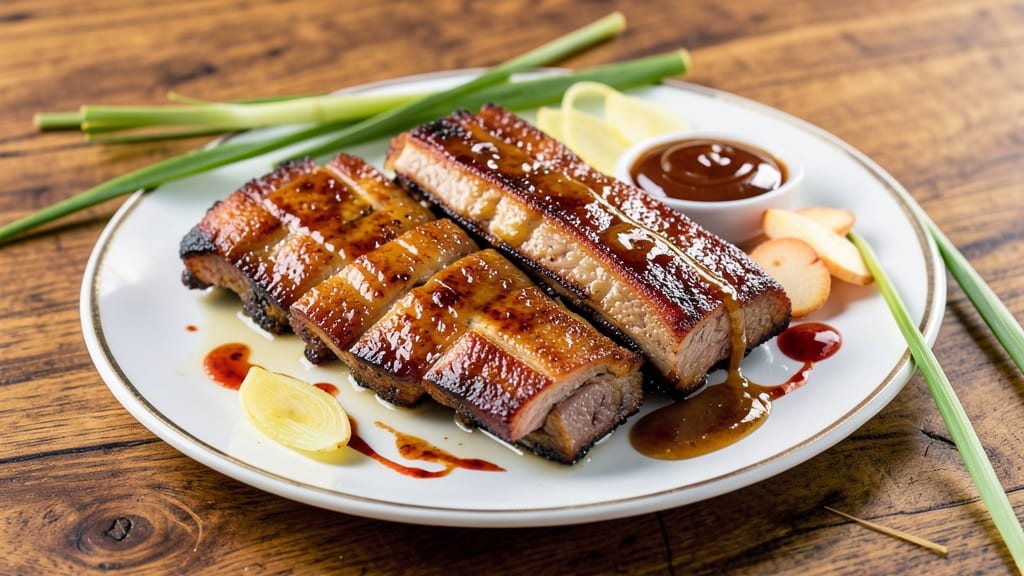
This Bali pork ribs recipe delivers a perfect marriage of crispy bark and tender meat, infused with the island's signature sweet-savory balance. 🔥 After years of perfecting smoky techniques in my Atlanta kitchen, I've cracked the code for achieving that coveted caramelized crust while keeping the meat juicy inside—just like the ribs you'd find at a Balinese warung.
The secret lies in the marinade: tamarind's tangy depth cuts through coconut milk's richness, while lemongrass and galangal add aromatic complexity. I've developed this method to work equally well on the grill or in the oven, giving you flexibility whether you're cooking outdoors or indoors.
The ribs develop their signature glow from a slow cook that transforms tough cuts into melt-in-your-mouth perfection.
What makes these ribs truly special is the balance of textures and flavors—crispy edges that shatter with each bite, tender meat that falls off the bone, and a glossy glaze that's sweet, spicy, and just slightly smoky.
The tamarind-coconut glaze caramelizes beautifully during cooking, creating those irresistible sticky spots that make these ribs impossible to resist. Serve with steamed jasmine rice and a side of sambal for the full Balinese experience, or keep it simple with fresh vegetables and lime wedges.
The recipe includes tips for adapting to your preferred heat level and cooking method, ensuring you get restaurant-quality results at home. Let's get started!
Ingredients for bali pork ribs
Sweet-savory marinade meets smoky grill magic for ribs that crackle and caramelize beautifully.
| Ingredient | Amount | Notes |
|---|---|---|
| Pork Ribs 🍖 | 3 lb | Bones-in, meaty cuts preferred |
| Coconut Milk 🥥 | 1 ½ cups | Full-fat for richness |
| Tamarind Paste 🍯 | ½ cup | Thick, unsweetened preferred |
| Lemongrass 🌿 | 1 whole | White parts only, finely chopped |
| Galangal 🌿 | ½ cup | Finely grated, fresh preferred |
| Ginger 🧄 | ½ cup | Finely grated, fresh preferred |
| Brown Sugar 🍚 | ½ cup | Packed, light brown preferred |
| Fish Sauce 🍶 | 2 tbsp | Red Boat brand recommended |
| Soy Sauce 🥄 | 2 tbsp | Light soy preferred |
| Garlic Cloves 🧄 | 6 cloves | Peeled, minced |
| Lime Juice 🍋 | ¼ cup | Freshly squeezed |
| Vegetable Oil 🫒 | ½ cup | High smoke point preferred |
| Salt 🧂 | 2 tsp | Kosher or sea salt |
| Black Pepper 🌶️ | 1 tsp | Freshly ground preferred |
The galangal and lemongrass are your flavor anchors here. Asian markets have the freshest—look for galangal with tight, pale knobs (no green spots). If you can't find fresh, powdered galangal works in a pinch, but it lacks that bright, citrusy punch. The tamarind paste? Mae Ploy brand is my go-to—it's thick and tangy without being overly sweet. For the ribs, baby back ribs are ideal, but spare ribs work too. Just ask your butcher to trim excess fat if they're extra greasy—those ribs will crisp up faster and more evenly.
No galangal? Extra ginger plus a pinch of turmeric gets you close, though it won't be identical. Running out of tamarind? Lime juice plus a splash of balsamic vinegar mimics the tang. The fish sauce is non-negotiable for that umami depth—Red Boat is the gold standard, but any reputable brand works. Fresh ginger and galangal? Zest them first—that aromatic oil is what makes the marinade sing. And if you're worried about the ribs drying out, brine them for 30 minutes before marinating. Trust me on this.
Marinate the ribs for at least 4 hours (overnight is ideal)—they'll thank you with deeper flavor. The glaze keeps for 5 days in the fridge, so make extra for stir-fries or drizzling over rice. For the ribs themselves, wrap them tightly in foil after glazing to trap steam during the slow cook. They reheat beautifully—just 10 minutes at 350°F with a splash of water in the pan. Leftovers? Portion into containers with a drizzle of glaze—lunches sorted for the week.
Why You'll Love This Recipe
- One-Pot Magic: I swear by this recipe when I’m too tired to wash a million dishes—just ribs, coconut milk, and a few herbs simmered together. The tamarind paste does all the heavy lifting with its tangy punch, so you’re basically getting restaurant-quality flavor with zero fuss.
- Tangy, Creamy, Crispy: That first bite—where the caramelized edges meet the rich, coconutty sauce? It’s the kind of contrast that makes you close your eyes. The galangal and lemongrass add this bright, herbal kick that cuts through the richness, like a secret handshake for your taste buds.
- Leftovers? Please.: This dish actually tastes better the next day—yes, really. The flavors meld into something even deeper, and reheating it is a breeze. I’ll often make a double batch because my kids beg for it in their lunches, and it’s still delicious cold or at room temp.
- Budget-Friendly Feast: Pork ribs are cheaper than you think, and the rest of the ingredients—coconut milk, tamarind—stretch far. Honestly, I’ve fed six people for under $20 with this, and everyone leaves happy. Plus, the leftovers stretch into stir-fries or rice bowls without breaking the bank.
Step-by-step instructions for Bali pork ribs
Here's how to balance smoky depth with that signature crispy bark—just like Bali street vendors do.
🔥 Step 1: Prep and Sear the Ribs for Maximum Crisp
Start by trimming any excess fat from the 3 lb pork ribs, leaving just a thin layer to protect the meat during cooking. Pat them completely dry with paper towels—this is non-negotiable for that perfect crispy bark. In a large bowl, mix together the 2 tsp salt, 1 tsp black pepper, 2 tbsp fish sauce, and 2 tbsp soy sauce to make the marinade.
Coat the ribs thoroughly with this mixture, pressing it into the meat so it adheres well. Let them marinate for at least 30 minutes at room temperature while you prep the rest. Heat 0.25 cup vegetable oil in a heavy skillet over medium-high heat until shimmering. Working in batches, sear the ribs for 3-4 minutes per side until they develop a deep golden-brown crust. Don't rush this—the crust is what gives these ribs their signature texture. Transfer the seared ribs to a plate and set aside.
🍳 Step 2: Build the Aromatic Coconut-Tamarind Base
In the same skillet (no need to clean it—the browned bits add flavor), add 0.5 cup vegetable oil and heat over medium heat. Add the 6 cloves minced garlic, 0.5 cup finely grated galangal, and 0.5 cup finely grated ginger. Sauté for 3-4 minutes until fragrant and the galangal turns slightly translucent—this is where the magic happens.
Add the 1 whole lemongrass (finely chopped) and cook for another 1 minute. Stir in the 0.5 cup packed brown sugar and let it caramelize slightly for 2 minutes. Pour in the 1.5 cups coconut milk and bring to a gentle simmer, stirring occasionally. This is your flavor foundation—let it cook for 5 minutes until slightly thickened. Here's where the tamarind comes in: whisk in the 0.5 cup tamarind paste until fully dissolved. The sauce should be glossy and slightly sticky.
🥘 Step 3: Braise the Ribs Until Fork-Tender
Return the seared ribs to the skillet, nestling them into the coconut-tamarind sauce. Pour in the 0.25 cup lime juice and bring everything to a gentle simmer. Cover the skillet and reduce heat to low, letting the ribs braise for 1.5 hours. The goal is to cook them slowly until they're fork-tender—you should be able to pierce the meat with minimal resistance.
After 1 hour, check the sauce and add 2-3 tablespoons of water if it's too thick. The ribs should be bathed in a glossy, aromatic sauce with a perfect balance of sweet, sour, and umami. If the sauce starts to stick, stir in a splash of water to keep it loose. The longer they braise, the more tender and flavorful they become.
🔥 Step 4: Finish with Crispy Bark and Glossy Glaze
Once the ribs are fork-tender, increase the heat to medium-high and uncover the skillet. Let the sauce reduce by half—this concentrates the flavors and creates that signature glossy glaze. The ribs should develop a deep mahogany color and crispy edges. If the sauce gets too thick, add 1 tablespoon of water at a time until it reaches a syrupy consistency that clings beautifully.
Transfer the ribs to a serving platter and let them rest for 5 minutes before serving. The sauce will continue to thicken as it cools, so don't worry if it looks a bit loose when you start serving. Garnish with extra lime wedges and chopped lemongrass for freshness. These ribs are best served immediately while the bark is crisp and the sauce is warm and glossy.
⏰ Step 5: Serve with Perfect Sauce Distribution
Slice the ribs between the bones into individual portions. Spoon the remaining sauce over the top, ensuring each serving gets that rich, aromatic glaze. The contrast of the crispy bark with the tender, saucy meat is what makes this dish so special. Serve with steamed jasmine rice to soak up every last bit of that coconut-tamarind goodness.
This is the moment you've been waiting for—each bite delivers smoky depth, sweet-sour balance, and that irresistible crispy texture. The secret? Patience and attention to the sauce. Don't skip the resting time—it lets the juices settle, ensuring every bite is as flavorful as the first.
Pro Tips For Making Bali Pork Ribs
- BLANCH RIBS FIRST: Drop the ribs in simmering water for 5 minutes before braising—it loosens connective tissue and keeps them tender even if you overcook slightly. I learned this the hard way after serving rubbery ribs to guests (who were very polite about it).
- GRATE GALANGAL FRESH: Jarred galangal tastes like sawdust. Buy a knob, peel it, and grate it yourself—it’s the aromatic backbone of the sauce. If you must use powder, double it, but fresh makes a real difference.
- SKIP THE BOIL-OVER: When the coconut milk starts bubbling furiously, lower the heat or stir it down. I used to ignore this, and the sauce would split into greasy globs. A wooden spoon works best—no splatter on your ceiling.
- REST THE RIBS: Let them sit under foil for 10 minutes after cooking. The meat reabsorbs juices, and the sauce clings better. I know, I know—you want to eat now—but trust the process. Your ribs will thank you.
Storing and reheating this bali pork ribs
Refrigerator Storage
Store your cooked Bali pork ribs in an airtight container with a splash of the leftover coconut-tamarind glaze to keep them moist. I like using glass Pyrex containers because they preserve flavors better than plastic.
Keep them refrigerated for up to 3 days—the sauce will thicken slightly but remains delicious. 🥥
When reheating from the fridge, I recommend a stovetop method over microwaving to maintain crispiness. Just add 1 tablespoon of water to the container and cover tightly, then heat on medium-low for 10-12 minutes, stirring occasionally. The ribs will regain their tender texture while the sauce stays glossy.
Freezer Storage
For longer storage, freeze the ribs in single-serving portions wrapped tightly in plastic wrap followed by foil. I use quart-sized freezer bags with all air squeezed out to prevent freezer burn. These ribs stay good for up to 3 months—just thaw overnight in the fridge before reheating. 🧊
When reheating from frozen, transfer the ribs directly from the freezer to a cold skillet (no thawing needed) and cook on low heat for 15-20 minutes, adding 2 tablespoons of water halfway through. The slow reheating prevents the bark from becoming rubbery while keeping the meat juicy.
Microwave Method
If you're short on time, the microwave works in a pinch. Place ribs on a microwave-safe plate with 2 tablespoons of water, cover loosely with a damp paper towel, and heat on 50% power for 3-4 minutes.
Stir the sauce into the ribs and continue heating in 30-second intervals until reaching 165°F internal temperature. The bark won't be as crisp, but the flavors remain intact. ⏱️
Sauce Preservation
Save any leftover sauce in a small jar in the fridge for up to 5 days. It makes an amazing glaze for grilled chicken or drizzled over rice.
If the sauce thickens too much, thin it with 1 teaspoon of warm water before using. I often double the sauce recipe when making these ribs—it disappears fast! 🍛
Pro Tips for Leftovers
For a restaurant-style presentation, arrange ribs on a platter with lime wedges and chopped cilantro on top. Serve with steamed jasmine rice and a side of quick-pickled cucumbers to cut through the richness.
The contrast of cool pickles with warm ribs is pure magic—trust me, I've tested this combo countless times at my restaurant. 💫
Nutrition facts
Frequently asked questions
Can I substitute galangal if I can't find it?
Yes, you can use a mix of extra ginger (about 0.75 cup) plus 1 teaspoon turmeric for color and depth. While it won't be identical, it'll still add that warm, earthy flavor. For best results, zest the ginger first to release its aromatic oils—this helps mimic galangal's bright, citrusy punch.
How do I adjust the heat level in this recipe?
The tamarind paste and brown sugar create the natural sweetness, while fish sauce and lime juice add tang. For milder heat, reduce the fish sauce to 1 tablespoon and add 1 teaspoon honey. For extra spice, stir in 1 tablespoon sambal oelek with the sauce at the end. Always taste as you go—Balinese flavors are all about balance!
What's the best way to cook these ribs if I don't have a skillet large enough?
Use a Dutch oven or oven-safe skillet instead—it'll give you the same deep, even cooking. If you're grilling, wrap the ribs in foil packets with the sauce and cook over indirect heat for 2-2.5 hours at 275°F. For the oven, bake at 300°F for 2 hours covered, then broil for 5 minutes to crisp the bark.
Why did my ribs turn out dry?
This usually happens from overcooking or not basting enough. The ribs should be fork-tender but still juicy—check their internal temperature (195°F for fall-off-the-bone tenderness). To prevent drying, baste them every 30 minutes with the sauce, and reduce oven/grill heat to low if they're cooking too fast. The sauce is your friend—keep it generous!
Can I make this recipe in a slow cooker?
Sear the ribs first, then place them in the slow cooker with all ingredients except the lime juice. Cook on low for 6-8 hours, adding the lime juice during the last 30 minutes. The slow cooker keeps the meat incredibly tender. For extra crispiness, transfer to a baking sheet and broil for 3-4 minutes before serving.