
Main Courses
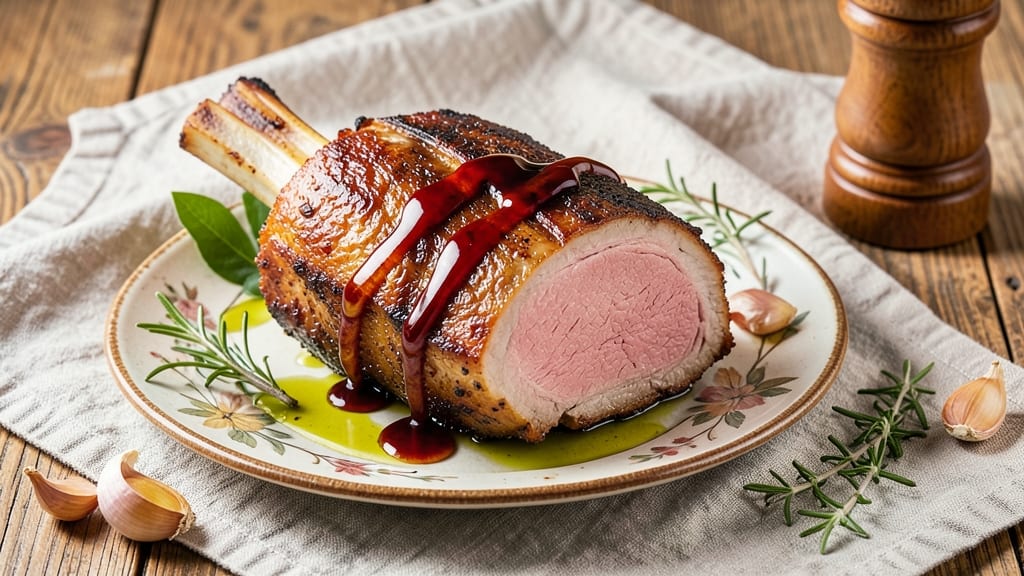
This balsamic pork roast recipe delivers restaurant-quality results with a sweet-tangy glaze that caramelizes into sticky perfection—exactly like my grandmother's Sunday dinner. The secret lies in balancing balsamic's rich depth with just enough honey and Dijon mustard to create a sauce that clings to every bite.
I've perfected this technique over years of cooking for crowds at The Smoky Pig, where we roast hundreds of pounds of pork weekly.
The process begins with a simple yet crucial step: searing the pork in a hot pan to lock in juices before roasting at a precise 325°F for even cooking.
While the meat rests, the glaze simmers on the stovetop, reducing into a glossy, concentrated sauce that becomes irresistibly sticky when brushed on the warm roast. This method ensures tender, juicy meat with a caramelized crust that's impossible to resist. The aroma alone transforms any kitchen into a home.
What makes this recipe truly special is how the flavors develop—starting with the savory crust from searing, then the sweet-tangy complexity of the balsamic glaze, and finishing with the natural richness of the pork.
The glaze doesn't just sit on top; it penetrates the meat, creating layers of flavor in every bite. This is the kind of dish that impresses guests while remaining approachable for home cooks.
Serve with roasted root vegetables or a simple green salad to balance the richness, and save any leftover glaze for drizzling over grilled vegetables or even ice cream for a sweet twist.
The versatility of this recipe makes it perfect for holidays, family dinners, or any occasion where you want to shine in the kitchen. Let's get started on creating this showstopper.
Ingredients for balsamic pork roast
Six ingredients for the roast, eight for the glaze—simple yet transformative for sticky-perfection pork.
| Ingredient | Amount | Notes |
|---|---|---|
| Bone-In Pork Loin Roast 🐖 | 4 lb | Center-cut, 1.5-inch thick |
| Extra-Virgin Olive Oil 🫒 | ¼ cup | For searing, high smoke point |
| Balsamic Vinegar 🍷 | ½ cup | Aged 25 years minimum |
| Honey 🍯 | ¼ cup | Wildflower preferred |
| Dijon Mustard 🥬 | 2 tbsp | High-quality, grainy texture |
| Garlic Cloves 🧄 | 6 cloves | Peeled, smashed for glaze |
| Fresh Thyme Leaves 🌿 | ½ cup | Stems removed, chopped |
| Salt 🧂 | 1 ½ tsp | Kosher salt, coarse grind |
| Black Peppercorns 🌶️ | 1 tsp | Freshly cracked |
| Fresh Rosemary 🌿 | ¼ cup | Needles only, chopped |
| Unsalted Butter 🧈 | 2 tbsp | Cold, cubed for basting |
| Dry White Wine 🍷 | ½ cup | Sauvignon Blanc preferred |
| Carrots 🥕 | 4 whole | Medium, peeled for roasting |
| Yellow Onion 🧅 | 1 whole | Sliced into wedges |
The pork loin is the foundation—bone-in, center-cut ensures juiciness and flavor. Costco or Whole Foods carry premium cuts; look for good marbling and even thickness. The glaze components are where magic happens: aged balsamic vinegar (25+ years) delivers depth, while Dijon mustard from Maille adds complexity. Fresh herbs like thyme and rosemary should smell vibrant—if they're wilted, toss them. For the wine, Sauvignon Blanc cuts through richness better than bold reds, though Chardonnay works too.
No aged balsamic? Red wine reduction with a splash of apple cider vinegar mimics the depth. Substitute honey with maple syrup (1:1 ratio), though it lacks floral notes. Fresh thyme unavailable? Dried at one-third the amount suffices. The butter matters—European-style has higher fat content for better basting. For the roast, pork tenderloin works but lacks bone-in flavor. If using, increase roasting time by 15 minutes. The carrots and onions are simple sides but elevate the dish with their caramelized sweetness—leave skins on for color.
Roast the pork immediately after searing for best results. The glaze keeps 3 days refrigerated in an airtight jar, though it's best used fresh. Leftovers reheat beautifully—350°F for 20 minutes covered with foil. For make-ahead prep, marinate the pork overnight in wine and herbs, then roast day-of. The glaze reduces quickly, so simmer uncovered and stir frequently. Any extra glaze freezes perfectly for up to 3 months—ideal for quick drizzling on grilled veggies or toasted bread.
Why You'll Love This Recipe
- Five-Ingredient Magic: I swear by this combo—just pork, olive oil, balsamic, honey, and mustard. That’s it. No fancy prep, no hidden ingredients, and the flavor? Ridiculously balanced.
- Crowd-Pleasing Crust: Between us, the balsamic glaze caramelizes into this sticky, sweet-savory crust that everyone grabs seconds of. My husband’s a meat-and-potatoes guy, and even he licks his plate.
- Sunday Supper Ready: This roast feels special enough for company but unfussy enough for a lazy Sunday. Serve it with crusty bread and a simple salad, and you’ve got a meal that looks like you slaved over it.
- Leftovers That Don’t Suck: Cold slices the next day? Still tender, still packed with flavor—way better than most takeout. I meal prep this all the time, and it keeps its charm for days.
Step-by-step instructions for balsamic pork roast
Master this technique and you'll achieve a perfectly caramelized glaze with tender, juicy pork every time.
Prepare the Pork and Seasoning
Remove the pork loin roast from the refrigerator and let it sit at room temperature for 30 minutes before cooking. This ensures even cooking throughout. Pat the roast dry with paper towels—this is critical for achieving a crispy exterior and good glaze adhesion.
In a small bowl, combine the 1.5 teaspoons salt, 1 teaspoon black peppercorns, 0.5 cup fresh thyme leaves, and 0.25 cup fresh rosemary. Rub this mixture all over the pork, pressing firmly so the seasoning adheres to the meat. Let the seasoned roast sit uncovered in the refrigerator for 1 hour—this allows the salt to penetrate and the flavors to meld.
Sear the Pork for Maximum Flavor
Preheat your oven to 375°F. Heat the 0.25 cup extra-virgin olive oil in a large oven-safe skillet over medium-high heat until shimmering. Place the pork loin roast in the skillet and sear on all sides for 4-5 minutes per side until deeply golden brown.
Here's the thing—don't rush this step. You want that beautiful Maillard reaction creating flavor. Once the pork is well-seared, transfer the skillet to the preheated oven. Roast the pork for 25-30 minutes or until the internal temperature reaches 145°F when measured with a meat thermometer in the thickest part of the roast.
Prepare the Balsamic Glaze
While the pork roasts, prepare the glaze by combining the 0.5 cup balsamic vinegar, 0.25 cup honey, 2 tablespoons Dijon mustard, 6 smashed garlic cloves, and 0.5 cup dry white wine in a saucepan. Place over medium heat and bring to a simmer, stirring occasionally.
Simmer for 8-10 minutes until the mixture reduces by about half and becomes syrupy. The glaze should coat the back of a spoon and have a rich, caramelized color. Remove from heat and stir in the 2 tablespoons cold unsalted butter, allowing it to melt into the glaze. This step creates the signature sweet-tangy flavor that makes this dish special.
Caramelize the Glaze and Finish the Roast
Remove the pork from the oven and carefully pour the prepared glaze over the roast, coating it evenly. Return the skillet to the oven and continue roasting for an additional 10-15 minutes until the glaze thickens and caramelizes to a sticky, glossy finish.
To achieve that perfect caramelization, I recommend broiling the pork for the last 2-3 minutes. Watch closely—the glaze should be dark and sticky, almost like a thick syrup. Remove the pork from the oven and let it rest for 10 minutes before slicing. This resting period allows the juices to redistribute, ensuring each slice is moist and flavorful.
Roast Vegetables and Serve
While the pork rests, toss the 4 whole carrots and 1 whole yellow onion with a little olive oil, salt, and pepper. Roast them in the same oven at 400°F for 20-25 minutes until tender and caramelized. These roasted vegetables pair beautifully with the rich pork.
Slice the pork loin against the grain into ½-inch thick slices and serve with the roasted vegetables and any remaining glaze spooned over the top. The result is a perfectly balanced dish with tender, juicy pork, a sweet-tangy glaze, and complementary roasted vegetables. Enjoy immediately while the glaze is still warm and sticky!
Pro Tips For Making Balsamic Pork Roast
- SEAR THE LOIN FIRST: Don’t skip the initial sear—heat your pan until it’s smoking hot, then crisp the pork for 3-4 minutes per side before adding anything else. I learned this the hard way; skipping it means your roast will taste bland and underwhelming, no matter how good the glaze.
- USE AGED BALSAMIC: Grab the dark, aged balsamic—not the cheap cooking kind—it’s sweeter, richer, and won’t taste like vinegar. A splash of this (about ¼ cup) in your glaze makes all the difference, especially when reduced with honey and mustard.
- DON’T OVERCOOK THE CRUST: Once the roast hits 145°F internally, pull it out immediately—even if it looks underdone. Pork keeps cooking while resting, and overdoing it turns the crust rubbery. Tent it with foil for 5-10 minutes, then slice against the grain.
- MAKE THE GLAZE AHEAD: Mix honey, balsamic, and Dijon in a small saucepan and reduce it to a thick, syrupy consistency before roasting. It takes 10 minutes but saves you from babysitting the pan later—plus, the flavors meld better overnight in the fridge.
Flavor customization for this recipe
Sweet-Tangy Variations
For a deeper sweetness, add 1 tablespoon orange zest to the glaze while simmering—it brightens the balsamic's richness beautifully. I've also found that ½ cup apricot jam (simmered with the balsamic) creates a fruity depth that pairs wonderfully with the pork's savory notes. 🍊
Herb-Infused Twists
Swap the thyme and rosemary for fresh sage leaves (about ½ cup chopped) and 1 tablespoon crushed juniper berries for a Nordic-inspired twist. The juniper adds an earthy pine note that complements the balsamic's acidity.
For a Mediterranean touch, use 1 tablespoon dried oregano and ½ cup chopped mint in the glaze.
Spicy Heat Options
Add 1 teaspoon chili flakes or ½ teaspoon cayenne pepper to the glaze for a subtle kick. For more heat, stir in 2 tablespoons hot honey (like Chimay Red) during the final reduction.
I've even experimented with ½ cup roasted red pepper purée for smoky depth—it transforms the glaze into a vibrant, slightly spicy sauce.
Rich Umami Boosts
For deeper umami, add 1 tablespoon soy sauce or ½ cup beef broth to the glaze. I've also found that 1 tablespoon fish sauce (just a splash!) enhances the savory complexity without overpowering. For a vegetarian-friendly version, use 2 tablespoons mushroom powder mixed into the glaze while simmering.
Seasonal Adaptations
In fall, swap honey for maple syrup and add ½ cup apple cider to the glaze for a cozy, autumnal flavor. For summer, use peach jam instead of honey and garnish with fresh basil leaves.
Winter calls for 1 teaspoon cinnamon in the glaze—it sounds unusual, but the warmth pairs surprisingly well with the pork's richness. 🌰
Nutrition facts
Frequently asked questions
Can I use a different cut of pork for this recipe?
While this recipe is designed for bone-in pork loin roast (the ideal balance of tenderness and flavor), you can adapt it. For pork tenderloin, reduce roasting time by 15 minutes and increase the glaze by 2 tablespoons to compensate for its leaner nature. Avoid fatty cuts like pork shoulder—they'll render too much fat and overpower the delicate balsamic glaze.
What's the secret to getting that perfect sticky glaze?
The magic happens in two steps: reducing the glaze properly (simmer until syrupy, not watery) and broiling at the end for 2-3 minutes. This caramelizes the sugars in the balsamic and honey, creating that irresistible stickiness. Don't rush it—watch for deep golden color and a glossy finish.
Can I make this recipe ahead of time?
Marinate the pork overnight in white wine and herbs for extra flavor. For the glaze, make it up to 3 days ahead and store in an airtight jar. Reheat gently before using. The roast itself is best served fresh, but you can cook it 2 days ahead, slice thinly, and reheat in the oven at 300°F for 15 minutes.
Why did my glaze turn out too thin?
This usually happens from one of two issues: not reducing long enough or adding too much liquid. For the perfect consistency, simmer uncovered until the mixture reduces by about half (about 8-10 minutes) and coats the back of a spoon. If yours is too thin, return it to low heat and reduce further, stirring constantly.
What's the best way to serve the leftovers?
Slice the pork thinly and use it for sandwiches, tacos, or pasta dishes. The glaze makes an amazing drizzle for roasted vegetables, grilled chicken, or even vanilla ice cream (trust me!). Store leftovers in the fridge for 3 days or freeze the glaze separately for up to 3 months.