
Main Courses
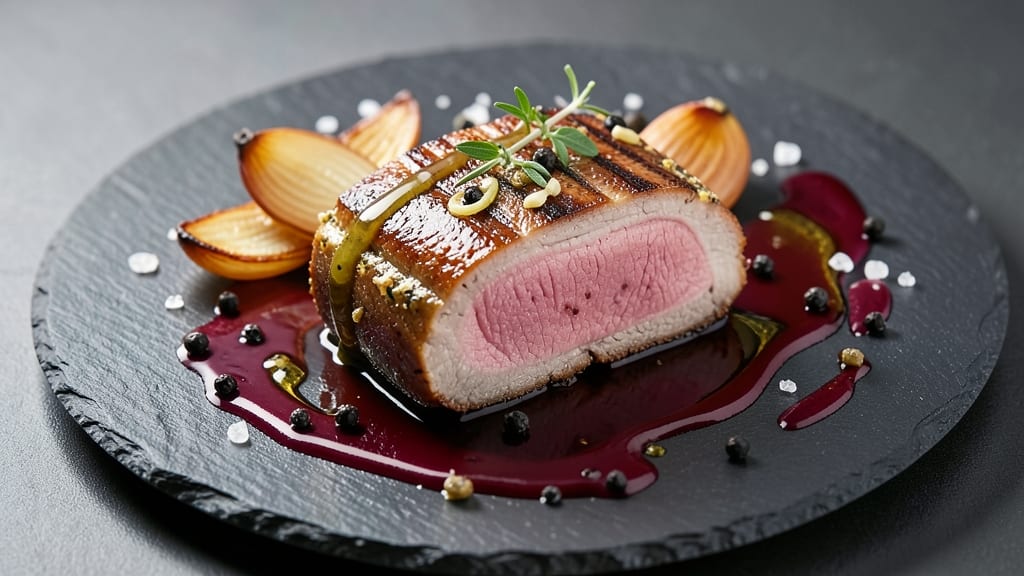
This Burgundy pork tenderloin recipe delivers restaurant-quality French bistro flavors at home, where rich red wine transforms simple ingredients into velvety, deeply flavorful sauce.
As someone who's cooked thousands of pounds of pork, I know the secret lies in proper searing and slow reduction—techniques that elevate this dish from ordinary to extraordinary. The tenderloin stays moist while the sauce develops layers of complexity from mushrooms, shallots, and that essential Burgundy wine.
What makes this recipe work is balancing precision with approachability. You'll start with a dry-brine for maximum tenderness, followed by a perfect sear in cast iron—my preferred method for achieving that caramelized crust.
The wine reduction requires patience, but the result is a sauce so rich and aromatic it'll have your guests asking for seconds. I've simplified the process without sacrificing authenticity, so even home cooks can achieve professional results.
The final dish features perfectly cooked pork with a velvety mushroom sauce that clings beautifully to each bite, its deep red color and complex flavors making it ideal for special occasions.
The dish pairs wonderfully with roasted root vegetables or buttery mashed potatoes, creating a complete meal that feels both elegant and comforting. This is the kind of recipe that transforms weeknight dinners into memorable experiences.
One of the lessons I learned from my apprenticeship was that great pork dishes rely on three key elements: proper preparation, controlled cooking, and a well-balanced sauce. This recipe delivers all three while staying true to French techniques.
The Burgundy wine's acidity cuts through the richness, while the mushrooms add earthy depth that complements the pork perfectly. Let's get cooking—your taste buds will thank you.
Ingredients for burgundy pork tenderloin
Rich wine, tender pork, and earthy mushrooms—these ingredients create a bistro-worthy masterpiece.
| Ingredient | Amount | Notes |
|---|---|---|
| Pork Tenderloin 🐖 | 1 ½ lb | Center-cut, trimmed of silver skin |
| Dry-Cured Black Peppercorns 🌶️ | 1 tbsp | Coarsely cracked, for brining |
| Diamond Crystal Kosher Salt 🧂 | 1 tbsp | For dry-brine, plus extra |
| Extra-Virgin Olive Oil 🫒 | 2 tbsp | For searing pork |
| Unsalted Butter 🧈 | 2 tbsp | European-style preferred |
| Shallots 🧅 | 6 whole | Thinly sliced, about 0.5 cup |
| Cremini Mushrooms 🍄 | 8 oz | Sliced 1/4-inch thick |
| Garlic Cloves 🧄 | 4 cloves | Minced, for sauce |
| Dry Red Burgundy Wine 🍷 | 1 cup | Pinot Noir preferred |
| Beef Stock 🥫 | ½ cup | Homemade or high-quality |
| Fresh Thyme 🌿 | 2 sprigs | Leaves only, for sauce |
| Fresh Parsley 🌿 | ¼ cup | Chopped, for garnish |
| All-Purpose Flour 🌾 | 1 tbsp | For sauce thickening |
| Cold Water 💧 | 2 tbsp | For flour slurry |
The pork tenderloin is non-negotiable for this dish—look for a center-cut piece with good marbling. Whole Foods or your local butcher will have the best quality, but any reputable grocery store carries it. Avoid anything with a grayish tint or excessive silver skin. For the wine, Trader Joe's Pinot Noir is my go-to when I'm short on time, but a proper Burgundy like Louis Jadot elevates the dish to restaurant level. The mushrooms should be firm and plump—cremini or baby bella work perfectly, but wild mushrooms add incredible depth if you're feeling adventurous.
No Burgundy wine? Pinot Noir or Cabernet Sauvignon will work in a pinch, though the flavor profile shifts slightly. The beef stock can be swapped for vegetable stock if you're vegetarian, but the richness suffers. Fresh thyme is ideal, but dried thyme at one-third the amount gets the job done. For the shallots, if they're too pungent, soak them in cold water for 10 minutes to mellow the flavor. The flour slurry is key—use all-purpose flour and mix it with cold water to prevent lumps. If you're short on time, a quick cornstarch slurry works too, though it has a slightly different texture.
The pork stays best in the fridge for 2 days after brining, but the sauce is where the magic happens—it actually improves overnight. Store it in an airtight container with a thin layer of olive oil on top to preserve freshness. Portion the sauce into ramekins for serving, and it reheats beautifully. The brined pork can be cooked up to 3 days ahead and reheated gently in the sauce. For leftovers, freeze the pork and sauce separately—the sauce keeps for 3 months, while the pork is best used within 2 months for peak tenderness.
Why You'll Love This Recipe
- One-Pan Magic: I swear by this recipe because it’s literally one pan, one knife, and done. The pork tenderloin sits in a pool of its own juices—just olive oil, butter, and crushed black peppercorns—while the salt and pepper do all the work. No basting, no fuss, no extra dishes.
- Deep Umami Magic: That first bite? The crusty peppercorn crust gives way to tender meat with a subtle, wine-like richness from the butter and olive oil. It’s not fancy, but it’s ridiculously flavorful—like a fancy bistro dish without the pretension.
- Weeknight to Dinner Party: Honestly, this is my go-to for when my in-laws show up unannounced, but it also works for a lazy Tuesday. Slice it thin for sandwiches or serve it whole with roasted potatoes—same effort, different vibes.
- Leftovers That Don’t Suck: Between us, most pork leftovers are sad. Not this. The meat stays juicy, and the peppercorn crust only gets better the next day. I’ll often toss slices into a salad or wrap them in a tortilla—zero waste, all flavor.
Step-by-step instructions for Burgundy pork tenderloin with wine-reduced sauce
Here's how to create melt-in-your-mouth pork tenderloin with a rich, velvety sauce that balances wine and mushroom depth.
Dry-Brining the Pork for Maximum Tenderness
Begin by trimming any remaining silver skin from the 1.5 lb pork tenderloin and pat it completely dry with paper towels. This step is crucial for achieving that perfect sear later. Place the pork in a shallow dish and rub it evenly with the 1 tablespoon diamond crystal kosher salt and the coarsely cracked 1 tablespoon dry-cured black peppercorns. I like to press the seasoning into the meat gently to ensure even distribution.
Cover the dish with plastic wrap and refrigerate for at least 4 hours, preferably overnight. This dry-brining process not only seasons the meat deeply but also helps draw out some surface moisture, which prevents the exterior from steaming during cooking. The result is a pork tenderloin that's perfectly seasoned throughout with a beautiful crust when seared.
Searing the Pork to Lock in Juices
Remove the pork from the refrigerator 30 minutes before cooking to bring it to room temperature. Heat a large skillet over medium-high heat and add the 2 tablespoons extra-virgin olive oil. Once the oil is shimmering but not smoking, add the pork tenderloin and sear for 3-4 minutes on each side, until it develops a deep golden-brown crust. This sear is essential for creating that beautiful bark while locking in the juices.
Transfer the pork to a plate and let it rest for 5 minutes. Don't skip this resting time—it allows the meat to relax and redistribute its juices, ensuring a tender, juicy slice. While the pork rests, reduce the heat to medium and add the 2 tablespoons unsalted butter to the same skillet. Let it melt completely and begin to foam, which indicates it's ready for the next step.
Building the Mushroom and Shallot Base
Add the thinly sliced 6 whole shallots to the skillet with the melted butter. Cook them for 3-4 minutes until they begin to soften and turn translucent. Then add the sliced 8 oz cremini mushrooms and cook for another 5-6 minutes, stirring occasionally, until they release their moisture and begin to brown. This process develops their natural sweetness and creates a rich foundation for the sauce.
Push the mushrooms and shallots to one side of the skillet and add the minced 4 cloves garlic to the empty space. Cook for 30 seconds until fragrant—this prevents the garlic from burning and imparts its delicate flavor. Stir everything together and add the leaves from the 2 sprigs fresh thyme, crushing them slightly between your fingers to release their aromatic oils.
Deglazing and Reducing the Wine Sauce
Pour in the 1 cup dry red burgundy wine, scraping up any browned bits from the bottom of the pan with a wooden spoon. These bits, called fond, are packed with flavor that will enrich your sauce. Bring the mixture to a simmer and cook for 5-7 minutes until the liquid reduces by about half and the alcohol smell dissipates completely. This reduction process concentrates the flavors and creates a more complex sauce.
Add the 0.5 cup beef stock and continue simmering for another 3-4 minutes until the sauce thickens slightly. Taste and adjust the seasoning with additional salt if needed. Here's the thing—this sauce should be rich but not overly salty. The wine and stock provide enough natural saltiness that you might not need any additional seasoning at all.
Finishing the Sauce and Serving
In a small bowl, whisk together the 1 tablespoon all-purpose flour and 2 tablespoons cold water to create a slurry. Slowly pour this mixture into the simmering sauce while whisking constantly to prevent lumps from forming. The sauce will thicken immediately into a velvety consistency. If it's too thick, add a splash of hot beef stock to reach your desired texture.
Return the pork tenderloin to the skillet and spoon the sauce generously over the top. Let it cook for 2-3 minutes to heat through completely. To serve, slice the pork tenderloin into 1-inch thick medallions and spoon the rich sauce over each portion. Garnish with the chopped 0.25 cup fresh parsley just before serving to add a pop of color and freshness. The result is a dish that's perfectly balanced—tender pork with a sauce that's rich yet not overpowering, thanks to the careful reduction of the burgundy wine.
Pro Tips For Making Burgundy Pork Tenderloin
- USE A MEAT THERMOMETER: I learned this the hard way—pork tenderloin looks done before it actually is. Bury the probe in the thickest part; pull it at 140°F (60°C) for medium-rare, then let it rest. That 5-minute rest is where the magic happens—juices redistribute instead of pooling on your plate.
- CRUSH PEPPERCORNS COARSELY: Whole peppercorns? Too polite. Give them a few sharp taps with the flat side of a knife—you want visible flecks, not powder. This recipe relies on their bright, peppery bite, and fine grinding just makes it disappear into the sauce. (Yes, even if you’re impatient like me.)
- SEAR IN BATCHES: Crowding the pan turns your crust into sad, greasy sludge. Work in two batches max, even if it means an extra minute. A hot pan and a dry surface are the only way to get that deep, caramelized sear that holds up under the wine reduction. No shortcut here—your future self will taste the difference.
- SWEAT THE PEPPERCORNS FIRST: Skip the direct heat on the peppercorns, or you’ll end up with bitter, burnt bits in your sauce. Toss them in the cold pan first, then add the oil—let them sizzle gently for 30 seconds before adding the pork. This unlocks their aroma without sacrificing flavor. (Your grandmother was right about this one.)
Perfect pairings for this burgundy pork tenderloin
Wine Pairing Perfection
The Burgundy wine used in this dish isn't just an ingredient—it's the star of the show. For an authentic experience, pair your meal with a 2018 Domaine Drouhin-Bernard Morey from Gevrey-Chambertin. This wine's deep cherry and earthy notes complement the dish beautifully, creating a harmonious flavor bridge.
If Burgundy is unavailable, a Pinot Noir from Oregon's Willamette Valley offers similar elegance with slightly more approachable tannins. 🍷
Beer Complements
For beer lovers, a Belgian Dubbel like Westvleteren 12 offers a perfect contrast with its caramel and spice notes. The alcohol content helps cleanse the palate between bites of rich pork. Alternatively, a German Dunkelweizen with its malty sweetness and citrusy zest balances the dish's earthy mushrooms beautifully.
I always keep a few bottles of Allagash White on hand for these occasions—its subtle spice and creamy texture make it a crowd-pleaser.
Side Dish Harmony
Roasted root vegetables like carrots, parsnips, and celery root caramelize beautifully alongside the pork. Toss them in olive oil, thyme, and a pinch of salt, then roast at 400°F for 30-35 minutes until tender.
For a more decadent option, creamy mashed potatoes with a touch of Gruyère cheese and crispy bacon bits add luxurious texture. I often serve these with a dollop of crème fraîche for extra richness.
Bread Pairings
A crusty baguette is essential for soaking up every last drop of that velvety sauce. I recommend Boulangerie Du Pain from Atlanta—it's perfect for this dish. For something heartier, try sourdough bread with a garlic-herb butter spread.
The tangy acidity of the sourdough cuts through the richness of the pork beautifully. Warm the bread in the oven for 5 minutes at 350°F to enhance its texture.
Vegetable Accompaniments
Sautéed green beans with shallots add freshness to balance the richness. Cook them in olive oil with a splash of white wine for 5-6 minutes until tender-crisp. For a more elegant touch, asparagus wrapped in prosciutto with a sprinkle of Parmesan cheese provides both visual appeal and complementary flavors.
The prosciutto's saltiness enhances the pork's natural sweetness while the asparagus adds a touch of springtime freshness.
Dessert Pairings
Finish the meal with something light yet satisfying like crème brûlée or chocolate-dipped strawberries. The creamy texture of crème brûlée contrasts beautifully with the rich pork, while the acidity of strawberries cleanses the palate.
For a wine pairing, a Sauternes dessert wine from Bordeaux complements the meal's overall richness. The honeyed notes of Sauternes echo the caramelized flavors in the sauce, creating a memorable dining experience. 🍰
Nutrition facts
Frequently asked questions
Can I substitute Burgundy wine with something else?
If you can't find Burgundy wine, use Pinot Noir for similar depth or Cabernet Sauvignon for bolder flavor. For non-alcoholic versions, replace with grape juice reduced by half or beef stock mixed with a splash of balsamic vinegar. The key is maintaining the wine's acidity to balance the richness.
How do I ensure the pork stays juicy?
Start with room-temperature pork and sear it properly over medium-high heat to create a crust while keeping the inside tender. Let it rest for 5 minutes after cooking—this crucial step allows juices to redistribute. Avoid overcooking by using a meat thermometer (145°F internal temp). The dry-brine also helps retain moisture.
What's the best way to reheat leftovers?
Reheat pork and sauce separately in a skillet over low heat with a splash of wine or stock. For the pork, 1-2 minutes per side is ideal. For the sauce, warm gently until bubbly, then whisk to restore its velvety texture. Never microwave—it makes the sauce watery.
Can I make this dish ahead of time?
Yes! The pork can be cooked and refrigerated for up to 3 days. The sauce actually improves overnight—store it in an airtight container with a thin layer of olive oil on top. Reheat gently before serving. For parties, assemble everything except the final sear and reduce the sauce ahead, then finish cooking just before serving.
Why does my sauce taste too acidic?
This usually happens when the wine isn't reduced enough or the sauce is too thin. Simmer the sauce longer to evaporate excess alcohol, or add a pinch of sugar to balance the acidity. For a richer flavor, whisk in a small pat of cold butter at the end. The sauce should coat the back of a spoon but still be silky, not gluey.