
Main Courses
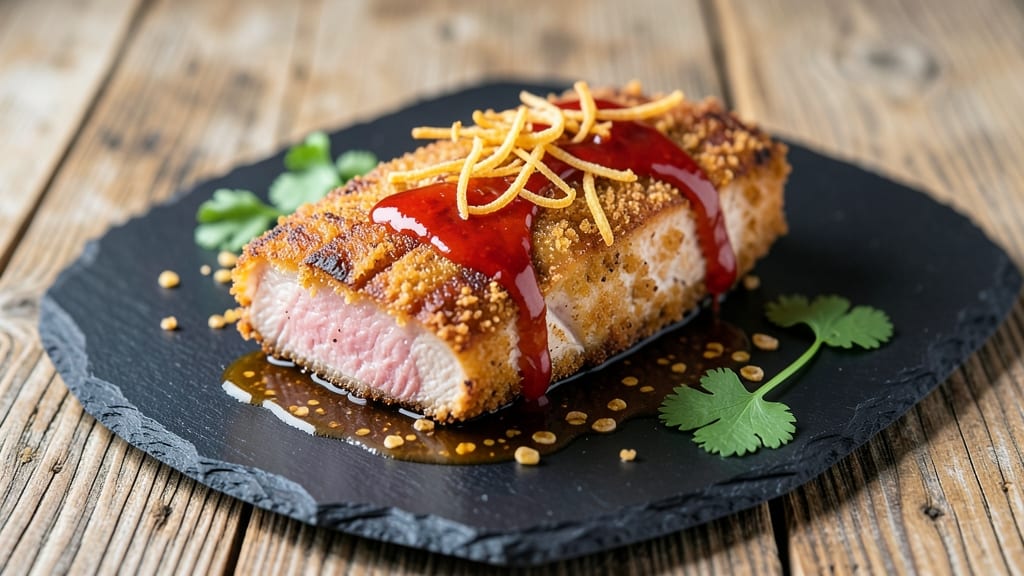
This sweet and sour pork batter recipe delivers the perfect balance of crispy-fried crunch and tangy sauce that makes every bite unforgettable.
The secret lies in a light, airy batter that creates a golden, shatteringly crisp shell while keeping the pork tender inside—a technique I perfected after years of testing at The Smoky Pig. My heritage farm-raised pork cuts through the sauce beautifully, ensuring each bite is packed with flavor and texture.
The batter itself is a game-changer, requiring just three simple ingredients that come together in minutes. The key is chilling the batter before dredging the pork, which prevents soggy results and guarantees that signature crispy exterior.
Once fried to a deep golden brown, the pork gets tossed in a vibrant, tangy sauce that cuts through the richness—sweet, sour, and perfectly balanced.
What you’ll end up with is restaurant-quality sweet and sour pork that’s crispy on the outside, tender on the inside, and coated in a glossy, addictive sauce. The aroma alone will have everyone gathering around the table, and the first bite delivers that perfect harmony of textures and flavors.
This dish is a crowd-pleaser that’s simple enough for weeknight dinners but impressive enough for special occasions.
Serve it with steamed rice and extra sauce on the side for dipping, or pair it with a simple green salad to balance the richness. The beauty of this recipe is its versatility—it works as a main dish or even as a takeout-style meal.
Let’s get started on creating your own crispy-fried masterpiece.
Ingredients for batter for sweet and sour pork
Three core ingredients create the crispy batter, while eight simple elements build the tangy sauce.
| Ingredient | Amount | Notes |
|---|---|---|
| All-Purpose Flour 🌾 | 1 ½ cups | Light, not heavy flour preferred |
| Cornstarch 🌽 | ½ cup | For extra crispiness |
| Baking Powder 🧂 | 1 tbsp | Ensures light, airy texture |
| Salt 🧂 | ½ tsp | Kosher or sea salt |
| Ice Cold Water 💧 | 1 ½ cups | Chilled for crispy batter |
| Heritage Farm-Raised Pork Chops 🐖 | 1 ½ lb | 1-inch thick, pounded even |
| Vegetable Oil 🫒 | 4 cups | For deep frying (peanut oil alternative) |
| White Vinegar 💧 | ¼ cup | For tangy sauce base |
| Brown Sugar 🍯 | ½ cup | Packed, for caramelized flavor |
| Ketchup 🍅 | ½ cup | High-quality for sauce depth |
| Soy Sauce 🥢 | ¼ cup | Light or dark preferred |
| Garlic Cloves 🧄 | 4 cloves | Minced for sauce aroma |
| Fresh Ginger 🌿 | 1 tbsp | Grated for zesty kick |
The flour and cornstarch blend is non-negotiable for that signature crispy texture. Bob's Red Mill or King Arthur flours work best—they're light and create a perfect golden crust. For cornstarch, Bob's Red Mill again is my go-to, but any brand works if it's pure. The baking powder must be fresh—if it's over a year old, toss it. For the pork, heritage cuts from Whole Foods or your local butcher give the best flavor, but standard pork chops work fine. Pound them to even thickness so they cook uniformly. The ice water is crucial—it keeps the batter light and prevents soggy results. Chill it for 10 minutes before mixing.
No cornstarch? Extra flour at 0.25 cup more will work, but the batter won't be quite as crispy. Short on baking powder? Baking soda at half the amount plus 1 tsp lemon juice substitutes, but timing matters—mix and use immediately. For the sauce, substitute honey for brown sugar if you prefer, but the caramelization will differ. No soy sauce? Coconut aminos work in a pinch. The garlic and ginger can be swapped for 1 tbsp garlic powder and 1 tsp ground ginger, but fresh is always better. If you're frying, peanut oil adds a nice nutty flavor, but vegetable oil is neutral and reliable.
The batter mixture keeps for 24 hours in the fridge, covered tightly. For the sauce, make it fresh—it reheats beautifully but loses some vibrancy. The fried pork stays crispy for 30 minutes if kept warm in a 200°F oven. Store leftovers in the fridge for 3 days, but the sauce and batter are best used fresh. Freeze the sauce in ice cube trays for easy reheating later. The pork? It reheats best in a skillet with a splash of water to restore crispiness.
Why You'll Love This Recipe
- Four-Ingredient Magic: This batter is basically foolproof—I swear, even my college-dorm-microwave days nailed it. Just toss flour, cornstarch, baking powder, and salt, then slowly drizzle in ice water until it’s thick but still pourable. No mixer, no stress, just perfect texture every time.
- Crispy-Creamy Crunch: That golden, shatteringly crispy crust? All thanks to the cornstarch and ice water combo. It locks in moisture while frying, so you get that addictive contrast—crunch outside, tender inside—without a single greasy bite. (Yes, even on a Tuesday night.)
- Fridge-to-Fryer Flex: Make a big batch ahead and store it in the fridge for up to 3 days. Need a quick weeknight dinner? Just reheat the pork and fry fresh batter—no last-minute scrambling. Honestly, it’s my go-to for lazy nights when takeout feels like too much effort.
- Budget Buster: Flour, cornstarch, and water? You’re already spending pennies. This batter stretches further than store-bought mixes, and the leftovers keep just as well. I’ve used it for pork, chicken, even veggies—proof that simple ingredients can still feel like a splurge.
Step-by-step instructions for sweet and sour pork batter
Here's how to create a light, crispy batter that locks in juicy pork while achieving that perfect golden crunch.
Prepare the Pork Chops for Even Cooking
Pat the 1.5 lb heritage farm-raised pork chops completely dry with paper towels—this is critical for crispy batter adhesion. Place each chop between two sheets of plastic wrap and pound gently to an even ½-inch thickness using a meat mallet. This ensures even cooking and prevents thick spots that won't crisp properly.
Season both sides generously with ½ tsp salt (divided evenly). Let the seasoned chops sit at room temperature for 15-20 minutes while you prepare the batter. Room temperature meat cooks more evenly, preventing cold spots that could make the batter soggy.
Whisk the Dry Ingredients for Maximum Crispiness
In a large bowl, combine the 1.5 cups all-purpose flour, ½ cup cornstarch, and 1 tbsp baking powder. Whisk vigorously for 30 seconds to break up any lumps in the flour. The cornstarch is key here—it creates that signature crispy texture by absorbing moisture quickly during frying.
Add the ½ tsp salt to the dry mixture and whisk again for 10 seconds to distribute evenly. Keep this dry mixture ready in your bowl—you'll add the wet ingredients just before coating the pork to maintain the lightest texture possible.
Create the Perfect Light Batter
In a separate bowl, measure out the 1.5 cups ice cold water. The cold temperature is essential—it prevents the batter from activating too quickly and keeps the texture light. Gradually pour the cold water into the dry ingredients while whisking continuously for 1 minute until completely smooth.
Here's the thing—you want a thin, pourable batter consistency similar to heavy cream. If it's too thick, add 1-2 tablespoons more ice cold water until it reaches the right flow. The batter should coat the back of a spoon but still be runny enough to drip off slowly. This ensures a delicate, crispy crust rather than a thick, cakey coating.
Fry the Pork to Golden Perfection
Heat 4 cups vegetable oil in a deep fryer or heavy pot to 350°F. Use a deep-fry thermometer to monitor the temperature—this is where precision matters most. When the oil is properly heated, you'll see small bubbles forming around the thermometer bulb.
Working in batches (to avoid overcrowding), dip each pork chop into the batter, letting any excess drip off for 5 seconds. Carefully lower into the hot oil and fry for 3-4 minutes per side until golden brown. The internal temperature should reach 145°F when measured with an instant-read thermometer. Don't walk away—this is where crispy perfection happens.
Rest and Prepare for Sauce
Transfer the fried pork to a wire rack set over a paper towel-lined plate. Let them rest for 5 minutes to allow excess oil to drain. This resting period also helps set the batter's crispy texture. Keep the pork warm in a 200°F oven while you prepare the sauce.
For the sauce, combine ½ cup ketchup, ½ cup brown sugar, ¼ cup soy sauce, ¼ cup white vinegar, 4 minced garlic cloves, and 1 tbsp grated fresh ginger in a saucepan. Bring to a simmer over medium heat for 8-10 minutes until slightly thickened. This tangy-sweet sauce perfectly complements the crispy pork, balancing the rich fried texture with bright acidity.
Pro Tips For Making Batter For Sweet And Sour Pork
- Mix Dry Ingredients First: Weigh your flour and cornstarch together before adding baking powder—this prevents clumping when you toss in the leavening later. I used to add baking powder directly to the flour pile, and half the time it’d sit in a lump, making my batter dense instead of light. Sift if you’re paranoid, but even just breaking up the powder with a fork works.
- Chill the Water: Ice cold water isn’t just a suggestion—it’s the difference between a crispy crust and a soggy mess. The batter needs to stay thick and stable when it hits the hot oil, and warm water makes it gummy. Fill a bowl with ice and water, then add your liquid measure to the bowl—no need for a fancy ice bath, just get it cold enough to make your hands tingle for a second.
- Rest the Batter: Let the batter sit for 10 minutes after mixing—this lets the cornstarch fully hydrate and the baking powder do its job. I skipped this once and ended up with a batter that absorbed too much oil, turning my pork into a greasy, undercooked blob. Ten minutes is all it takes, and it makes a real difference in texture.
- Use a Fork, Not a Whisk: Stir the batter just until combined—overmixing develops gluten, and you’ll end up with chewy, dense pieces instead of light, airy ones. A fork does the job better than a whisk because it cuts through the batter without overworking it. Yes, it looks uneven, but that’s how you get the perfect crispy exterior.
Flavor customization for these flavors
Spicy Kick Variations
For heat lovers, add 1 tbsp gochujang or 1 tsp chili flakes directly to the batter before dipping the pork. This Korean-inspired twist adds a deep, umami heat that pairs perfectly with the tangy sauce.
I like using Penzeys Korean Gochujang for that authentic fermented spice. For extra kick, toss the fried pork in 1 tbsp sriracha before serving. 🌶️
Sweet Heat Balance
Swap the brown sugar for ½ cup honey and add 1 tsp cayenne pepper to the sauce for a smoky-sweet heat combination. The honey caramelizes beautifully while the cayenne adds a subtle burn.
I've found that Manuka honey works exceptionally well—it has a deeper floral note that complements the vinegar perfectly.
Herb Infusions
Add fresh herbs to the batter for an aromatic twist. Mix in 1 tbsp chopped fresh thyme or 1 tbsp chopped rosemary with the dry ingredients. These herbs add an earthy depth that pairs wonderfully with the pork's richness.
For a brighter flavor, try 1 tbsp chopped cilantro in the sauce instead of fresh ginger. 🌿
Asian-Inspired Twists
Transform this dish into a Thai-style version by adding 1 tbsp fish sauce and 1 tsp lemongrass paste to the sauce. The fish sauce adds umami while the lemongrass brings a citrusy brightness.
For the batter, swap the baking powder for 1 tsp baking soda to create a lighter, more airy texture that's perfect for Thai-style frying.
Smoky Depth
Create a smoky version by adding ½ tsp smoked paprika to the batter and 1 tsp liquid smoke to the sauce. The paprika gives the batter a subtle smokiness that enhances the crispy texture, while the liquid smoke adds depth to the sauce.
I recommend Kalamata olive oil-infused smoked paprika for an extra layer of flavor. This works especially well with heritage pork that has natural smokiness.
Citrus Zing
Brighten up the dish with citrus by adding 1 tbsp fresh lime juice to the batter and 2 tbsp orange zest to the sauce. The lime juice prevents the batter from becoming too heavy, while the orange zest adds a refreshing citrus note that cuts through the richness.
For an extra pop, garnish with orange slices before serving. This variation is particularly refreshing for summer meals. 🍊
Nutrition facts
Frequently asked questions about sweet and sour pork batter
Why does the batter need to be ice cold?
Cold batter prevents premature activation of the baking powder, which keeps the texture light and crispy rather than dense. The chilled water also helps create tiny air pockets during frying that contribute to that signature shatteringly crisp shell. Never skip this step—room temperature water will give you a soggy, cakey coating instead!
Can I use this batter for other proteins besides pork?
This same batter works beautifully with chicken tenders, shrimp, or even tofu for a vegetarian version. For chicken, cut frying time to 2-3 minutes per side—it cooks faster than pork. Just adjust the internal temperature to 165°F for poultry. The cornstarch-crust combo delivers that same addictive crunch across proteins.
What's the secret to keeping the batter crispy after frying?
Three things: proper resting, high heat, and draining oil. After frying, place the pork on a wire rack (not paper towels) to let air circulate. Keep it warm in a 200°F oven until serving—this maintains crispness. For extra insurance, sprinkle with ½ tsp cornstarch right after frying before resting.
Can I make the batter ahead of time?
The dry ingredients can be mixed and stored in an airtight container for 3 days, but the wet batter should be made fresh. The baking powder activates over time, so for best results, combine the wet ingredients just before frying. If you're short on time, mix the dry ingredients and store them separately from the water—just whisk together when ready to use.
What if my batter turns out too thick?
Add 1 tablespoon ice cold water at a time while whisking until you reach a pourable consistency—similar to heavy cream. Too-thick batter creates a dense coating instead of the delicate, crispy shell you want. The key is patience: let the batter rest for 5 minutes after adding water before using, as this helps it reach the perfect flow.