
Main Courses
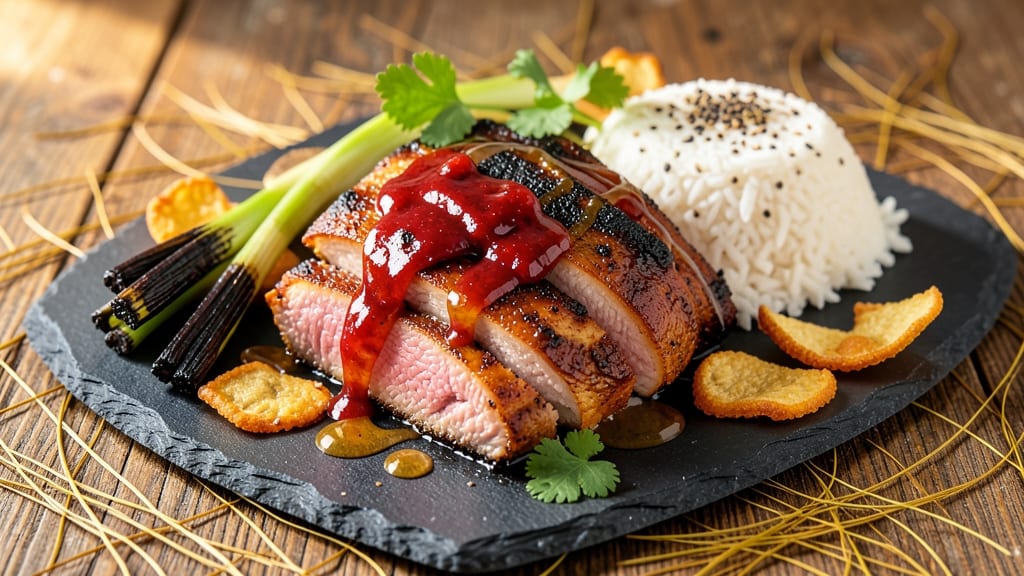
This BBQ jerk pork recipe transforms simple pork shoulder into a restaurant-worthy centerpiece with a five-spice crust and tamarind heat that lingers. 🔥 As a pitmaster who grew up on slow-smoked ribs, I’ve perfected this balance of smoky depth and fiery Caribbean warmth—where the crust cracks with every bite, revealing tender meat beneath.
The secret lies in the marinade: tamarind’s tang cuts through the richness while allspice and cinnamon build layers of warmth that develop over hours of cooking.
The magic happens when you let the pork rest in the marinade overnight, allowing the spices to penetrate deeply before searing over indirect heat. Whether you’re grilling, smoking, or roasting, the result is juicy, caramelized pork with a bark so flavorful it’ll have your guests asking for seconds.
I’ve tested this recipe countless times—from backyard cookouts to competition pits—and it never fails to impress, even with picky eaters.
What makes this dish truly special is how the five-spice crust (ground coriander, cumin, cloves, black pepper, and cinnamon) creates a fragrant, slightly sweet contrast to the tamarind’s sharpness. The slow cook transforms tough pork into melt-in-your-mouth perfection, while the final glaze ties everything together with a glossy, sticky finish.
Serve it sliced thick over rice and peas, or as tacos with pickled onions—either way, it’s a showstopper.
For those who love to experiment, I’ve included variations for different cooking methods and heat levels, so you can adapt it to your preferred style. The key is patience: let the spices work their magic, and the results will be worth every minute.
Let’s get cooking—your taste buds are about to experience a flavor explosion.
Ingredients for bbq jerk pork
Six pounds of pork shoulder and bold Caribbean spices transform into restaurant-quality jerk pork with a five-spice crust.
| Ingredient | Amount | Notes |
|---|---|---|
| Pork Shoulder 🥩 | 4 lb | Bone-in for best flavor, cut into 2-inch chunks |
| Tamarind Paste 🍯 | ½ cup | Unadulterated, thick consistency preferred |
| Brown Sugar 🍚 | ¾ cup | Dark brown for deeper molasses flavor |
| Scotch Bonnet Peppers 🌶️ | 2 whole | Seeds removed for less heat, or keep for fire |
| Garlic Cloves 🧄 | 8 cloves | Freshly minced, not pre-minced jar |
| Ground Coriander 🌿 | 2 tbsp | Freshly ground for bright citrus notes |
| Ground Cumin 🌿 | 1 ½ tbsp | Toasted for deeper earthiness |
| Ground Allspice 🌶️ | 1 ½ tbsp | Warm, peppery depth essential |
| Ground Cinnamon 🍃 | 1 tbsp | Ceylon preferred for subtle sweetness |
| Ground Black Pepper 🌶️ | 1 ½ tbsp | Freshly cracked for maximum heat |
| Ground Cloves 🌿 | 1 tsp | Whole cloves toasted and ground |
| Apple Cider Vinegar 🍎 | ¼ cup | Raw, unfiltered for tang |
| Soy Sauce 🥢 | ¼ cup | Kosher-style, low-sodium preferred |
| Olive Oil 🫒 | ¼ cup | Extra-virgin for richness |
| Fresh Ginger 🌿 | 2 tbsp | Finely grated, not powdered |
| Thyme Leaves 🌿 | 1 tbsp | Fresh, stems removed |
| Bay Leaves 🍃 | 2 whole | Dried, one per pound of pork |
| Salt 🧂 | 2 tbsp | Diamond Crystal preferred |
| Lime Juice 🍋 | ¼ cup | Freshly squeezed, seeds strained |
The pork shoulder is non-negotiable—bone-in cuts develop deeper flavor during the long cook. Costco or Whole Foods carry excellent bone-in pork shoulders, but any butcher will cut one for you. Look for good marbling and avoid overly lean cuts, which dry out. The tamarind paste should be thick and unadulterated—Trader Joe's or Latin markets carry the best quality. If you can't find it, tamarind concentrate works, but add a splash of lime to brighten the flavor. The Scotch bonnet peppers are the heat carriers, so adjust seeds based on your tolerance—whole seeds for mild, some seeds for medium, all seeds for fiery results.
No tamarind? Lime juice plus a pinch of sugar mimics the tang, though it won't be identical. Fresh ginger is ideal, but if you're in a pinch, powdered ginger at half the amount works. The five-spice crust relies on freshly ground spices—Penzeys or bulk bins at Whole Foods are your friends here. Pre-ground spices lose potency fast. For the marinade, soy sauce adds umami depth, while the apple cider vinegar cuts through the richness. If you're short on time, marinate for at least 4 hours instead of overnight—just know the flavors won't penetrate as deeply.
The marinade keeps for 5 days in the fridge, but the pork should go straight into the oven or smoker after marinating. For leftovers, store in an airtight container with a thin layer of olive oil on top to preserve moisture. It reheats beautifully—slow oven at 300°F for 20 minutes is ideal. The crust gets crispy when reheated, so cover loosely with foil. Freeze cooked pork for up to 3 months—thaw overnight in the fridge before reheating. I always make extra because it disappears fast at cookouts.
Why You'll Love This Recipe
- One-Pot Magic: I swear by this—just toss the pork shoulder in a deep pan, dump in the tamarind paste and brown sugar, and let the oven do the work. No flipping, no fussing, not even a colander in sight.
- Sweet Heat Payoff: That Scotch bonnet and garlic combo? It’s dangerously good—tangy, smoky, with just enough kick to make your taste buds dance. The tamarind ties it all together like a flavor hug.
- Budget Stretch King: Pork shoulder is cheap, and this marinade stretches like crazy. Feed a crowd for under $10? Done. Honestly, I’ve made this for game nights, potlucks, and even my picky teen’s lunchbox.
Step-by-step instructions for jerk pork shoulder with tamarind heat
Here's how to transform tough pork into fall-apart tender jerk pork with a sticky, spiced crust.
👨🍳 Step 1: Build the Jerk Marinade with Tamarind Depth
In a large bowl, combine the 0.5 cup tamarind paste, 0.75 cup brown sugar, 0.25 cup apple cider vinegar, 0.25 cup soy sauce, 0.25 cup olive oil, 2 tbsp fresh ginger, 1 tbsp thyme leaves, and 2 whole bay leaves. Stir until the tamarind paste dissolves completely—this creates the base for that signature tangy-sweet jerk profile.
Add the 2 whole Scotch bonnet peppers (seeds removed if you prefer less heat), 8 cloves garlic cloves, and all the spices: 2 tbsp ground coriander, 1.5 tbsp ground cumin, 1.5 tbsp ground allspice, 1 tbsp ground cinnamon, 1.5 tbsp ground black pepper, and 1 tsp ground cloves. Mix thoroughly until you see a fine, even distribution of spices throughout the marinade. The mixture should smell complex—sweet, smoky, with a hint of citrusy heat.
👨🍳 Step 2: Coat and Rest the Pork Shoulder
Cut the 4 lb pork shoulder into 2-inch chunks (bone-in for best flavor) and place them in a large resealable plastic bag. Pour the marinade over the pork, sealing the bag completely. Massage the marinade into the meat, ensuring every piece is coated—this helps the spices penetrate deeply. Real talk: don't skip this step, or you'll miss out on that signature jerk crust.
Refrigerate the bagged pork for at least 4 hours (overnight is even better). This resting period allows the pork to absorb the marinade and the acid in the tamarind and vinegar to begin tenderizing the meat. The pork should be fully coated and the marinade should be mostly absorbed by the end of the resting time.
🔥 Step 3: Sear the Pork for Maximum Flavor
Preheat your oven to 300°F. Heat a large, heavy-bottomed skillet (like cast iron) over medium-high heat and add the pork chunks in a single layer, leaving space between them. Let them sear undisturbed for 3-4 minutes until they develop a deep golden-brown crust—this is where all the flavor happens.
Flip the pork and sear the other sides for another 2-3 minutes. Transfer the seared pork to a Dutch oven or oven-safe skillet. Here's the thing—those browned bits on the bottom of the pan are pure flavor, so don't scrape them off. Instead, pour 0.25 cup lime juice over the pork and scatter any remaining marinade from the bag over the top. This will create a sticky, flavorful crust as it roasts.
⏰ Step 4: Slow-Roast Until Fork-Tender
Cover the Dutch oven and transfer it to the preheated 300°F oven. Roast for 3-4 hours until the pork is fork-tender. You'll know it's ready when a knife slides in easily and the internal temperature reaches 195-203°F—this is the "pull" temperature where the collagen breaks down and the meat becomes melt-in-your-mouth tender.
If the liquid reduces too much before the pork is tender, add 2-4 tablespoons of water to the pan to keep the pork moist. The pork should be bathed in a sticky, spiced sauce by the end of cooking. This sauce is what makes jerk pork so special—it's packed with all those complex flavors you've built into the marinade.
🍽️ Step 5: Rest and Serve with Confidence
Once the pork reaches the perfect temperature, remove it from the oven and tent loosely with foil. Let it rest for 15-20 minutes before serving. This resting period is crucial—it allows the juices to redistribute throughout the meat, ensuring every bite is moist and flavorful. If you skip this step, you'll end up with dry, tough meat.
Shred the pork using two forks, discarding any large fat pieces or bones. Serve the shredded pork with the sticky sauce spooned over the top. The result should be tender, flavorful pork with a perfect balance of sweet, spicy, and tangy notes. Pair it with rice and peas, or serve it in jerk pork sandwiches for a true Caribbean feast.
Pro Tips For Making Bbq Jerk Pork
- Char Before You Marinate: Throw that pork shoulder in a screaming-hot pan for 3-4 minutes per side first—yes, even if it looks raw inside. This seals the surface so the jerk marinade sticks like glue and caramelizes properly instead of turning into a sad, watery glaze. I used to skip this, and my pork always ended up tasting like it was swimming in its own juices.
- Toast the Garlic: Bloom your minced garlic in oil for 30 seconds until it’s golden and smells like heaven before adding it to the marinade. Raw garlic burns easily in jerk heat, and toasted garlic adds a nutty depth that cuts through the sweetness of the brown sugar. (Pro move: Add a pinch of salt here—it draws out moisture and makes the garlic even more flavorful.)
- Blend the Scotch Bonnet: Puree the Scotch Bonnet with the tamarind paste and brown sugar first—don’t just chop it. A smooth paste ensures even heat distribution, so your pork doesn’t end up with random hot spots that’ll make people wince. I learned this after one bite of a piece that could’ve been a chili pepper itself.
- Wrap It Tight: Use heavy-duty foil or butcher paper to wrap the pork after marinating, then let it sit at room temp for 30 minutes before cooking. This guarantees even cooking and keeps the meat from drying out when you finally hit it with the smoker or grill. (Yes, even if you’re impatient like me—trust the process.)
Perfect pairings for this bbq jerk pork
Caribbean Side Dishes
Start with rice and peas—Jamaican-style, cooked with coconut milk and thyme. I use 1 cup long-grain rice per 1.5 cups coconut milk, simmered with 1 tsp thyme and ½ tsp garlic powder until fluffy.
The creamy texture balances the jerk pork’s heat perfectly. 🌶️ For extra authenticity, stir in ½ cup kidney beans during the last 5 minutes of cooking.
Fried plantains add a sweet contrast—slice 2 ripe plantains into ½-inch rounds, fry in 2 tbsp olive oil at 350°F for 3-4 minutes per side until caramelized. Sprinkle with flaky sea salt right after frying. Trust me, the smoky-sweet combo with jerk pork is unbeatable.
Tropical Beverage Pairings
A rum punch is non-negotiable for jerk pork nights. Mix 1.5 oz dark rum (like Appleton Estate), 1 oz lime juice, ½ oz grenadine, and 2 oz pineapple juice over ice.
Garnish with a lime wheel and mint sprig. The rum’s warmth complements the tamarind’s tang, while the pineapple’s brightness cuts through the spice. 🍹
For non-alcoholic options, try hibiscus iced tea—brew 4 hibiscus flowers in 2 cups boiling water for 10 minutes, then chill. Sweeten with 1 tbsp honey and serve over ice. The tartness echoes the jerk marinade’s acidity without overpowering it.
Spicy Heat Adjustments
If your guests crave more heat, serve Scotch bonnet pepper jelly on the side. Simmer 4 chopped Scotch bonnets with 1 cup sugar and 1 cup apple cider vinegar for 20 minutes, then strain.
The jelly’s sweet-spicy punch elevates every bite. 🌶️ For a milder option, offer mango-habanero salsa—blend 2 cups diced mango, 1 habanero, and ¼ cup cilantro—it adds tropical sweetness without overwhelming the jerk flavors.
Global Fusion Twists
Swap Caribbean sides for Mexican street corn—grill 4 ears of corn, brush with 2 tbsp mayo, sprinkle with chili powder and cotija cheese. The smoky, creamy contrast is unexpected but genius.
For a Korean-inspired twist, serve with kimchi (the tangy fermented cabbage mirrors tamarind’s acidity) and steamed white rice. 🌎
Try jerk pork tacos with corn tortillas, pickled red onions, and avocado crema (blend 1 avocado, ¼ cup sour cream, 1 tbsp lime juice).
The creamy avocado cools the heat while the pickled onions add a bright crunch. This fusion works especially well for game-day gatherings.
Nutrition facts
Frequently asked questions
Can I use chicken or beef instead of pork for this jerk recipe?
This marinade works beautifully with chicken thighs (cook for 45-50 minutes at 375°F) or beef chuck roast (slow-cook for 4-5 hours at 275°F). The key is adjusting cook times—pork's fat content renders differently than beef or chicken. For chicken, marinate 6-8 hours since it's leaner, and for beef, increase marinating to 24 hours to maximize tenderness.
How do I adjust the heat level for sensitive eaters?
For milder heat, remove all seeds from the Scotch bonnet peppers and reduce the amount to 1 pepper instead of 2. You can also swap out the Scotch bonnet for jalapeños (remove seeds) or bell peppers for a completely mild version. The tamarind and lime juice will still provide that signature tang without the fire.
Can I make this jerk pork in a slow cooker? Yes! After searing the pork, transfer it to a 6-quart slow cooker with the marinade and 0.5 cup water. Cook on low for 8 hours or high for 5 hours. The slow cooker method works especially well if you're short on oven space. Just
What's the best way to reheat leftovers?
Reheat in a 300°F oven for 20-25 minutes covered loosely with foil to preserve moisture. For stovetop, use low heat with 2 tbsp of the cooking sauce to prevent drying. Never microwave—it turns the pork rubbery. The oven method keeps the crust intact and maintains that sticky, flavorful glaze.
How can I make this recipe gluten-free?
Simply swap the soy sauce for tamari (gluten-free soy sauce) or coconut aminos. Also check your spices for gluten additives—stick to certified gluten-free brands. The rest of the recipe remains unchanged, and you'll still get that amazing five-spice crust and tamarind heat.