
Main Courses
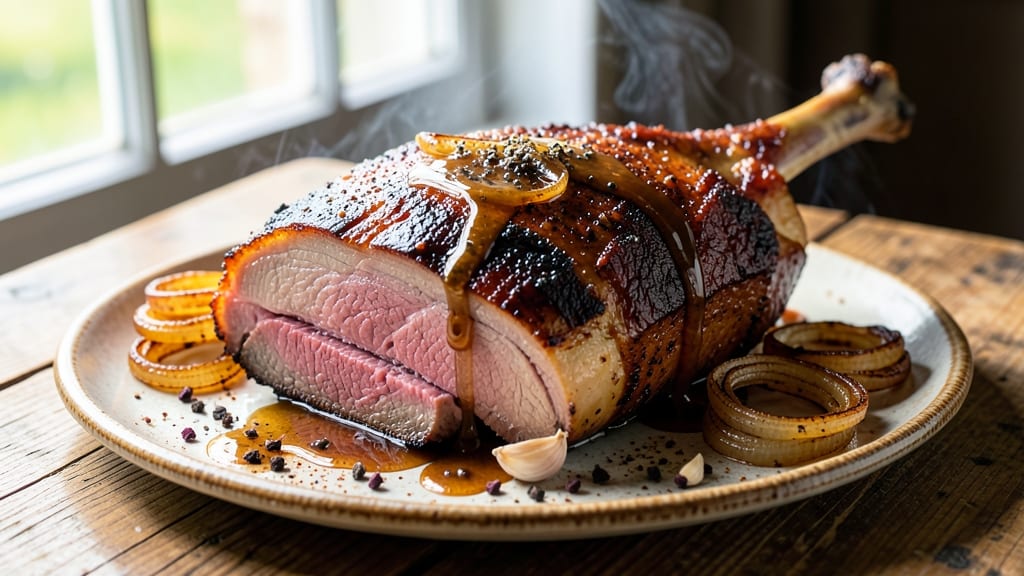
This BBQ pork smoker recipe delivers the perfect balance of juicy meat and irresistible smoky crust—no guesswork, just proven technique. After years of perfecting my approach to low-and-slow cooking, I’ve cracked the code for tender, flavorful pork that falls apart with every bite.
The secret lies in temperature control, proper wood selection, and a rub that creates that coveted bark without drying out the meat.
What sets this recipe apart is its ability to transform tough cuts like pork shoulder into melt-in-your-mouth perfection.
We’re talking crispy edges, tender centers, and a flavor profile that’s smoky, sweet, and just a hint of spice—all achieved with a simple yet effective rub and careful monitoring of the smoker. Whether you’re a seasoned pitmaster or just starting out, this method ensures consistent results every time.
The magic happens when you let the pork rest after smoking, allowing the juices to redistribute for maximum tenderness. The bark develops a deep, caramelized crust that’s packed with flavor, while the interior remains succulent and pink—just the way it should be.
This isn’t just another BBQ recipe; it’s a foolproof technique that will elevate your smoking game and impress even the most discerning guests.
Pair it with classic sides like coleslaw, cornbread, or baked beans for a full spread that’s perfect for gatherings or a cozy night in. The best part? This recipe scales effortlessly, so you can smoke a small shoulder for two or a massive slab for a crowd.
Let’s get started on creating pork that tastes like it came straight from a pitmaster’s competition-winning smoker.
Ingredients for bbq pork smoker
Six pounds of pork shoulder and a smoker’s worth of magic—this rub delivers the perfect smoky crust and juicy pink magic.
| Ingredient | Amount | Notes |
|---|---|---|
| Pork Shoulder (Bone-In) 🥓 | 4 lb | Tough cut, full of flavor |
| Yellow Onion 🧅 | 1 whole | Large, sliced into rings |
| Garlic Cloves 🧄 | 8 cloves | Fresh, peeled and minced |
| Brown Sugar 🍬 | ½ cup | Light or dark variety |
| Smoked Paprika 🌶️ | 2 tbsp | For deep smoky flavor |
| Ground Black Pepper 🌶️ | 1 ½ tbsp | Freshly cracked preferred |
| Kosher Salt 🧂 | 1 ½ tbsp | Diamond Crystal preferred |
| Apple Cider Vinegar 🍎 | ¼ cup | For tangy balance |
| Hickory Wood Chips 🌳 | 1 package | For authentic BBQ smoke |
| Cherry Wood Chips (Optional) 🍒 | ½ package | Adds subtle sweetness |
| Yellow Mustard 🥬 | 2 tbsp | For rub adhesion |
| Olive Oil 🫒 | 2 tbsp | For rub moisture |
| Fresh Thyme Leaves 🌿 | ¼ cup | Or 1 tbsp dried thyme |
| Fresh Rosemary 🌿 | ¼ cup | Chopped, for herbaceous depth |
| Beef Broth (Optional) 🍲 | ½ cup | For spritzing during smoke |
The pork shoulder is where it all begins—look for a cut with good marbling and a pale pink color. Costco and local butchers often carry the best bone-in shoulders, which stay juicier than boneless. If you're using a pre-cut shoulder, trim any excess fat to about 1/4-inch thickness—this helps the bark form without making it greasy. The wood chips are non-negotiable: hickory gives that classic BBQ flavor, while cherry adds a subtle sweetness that pairs perfectly. Grab them from Traeger or Weber if you want consistency, or check the wood section at your local hardware store. Fresh herbs make all the difference—Trader Joe's usually has great thyme and rosemary bundles that stay fresh longer than grocery store options.
No smoked paprika? Regular paprika plus a pinch of liquid smoke works in a pinch, though it won’t be quite the same. Running short on hickory chips? Mesquite gives a stronger flavor, while alder adds a milder, almost campfire-like taste. The apple cider vinegar can be swapped for red wine vinegar if that’s what you’ve got, but don’t skip it—it’s what keeps the rub from being too sweet. For the rub itself, mix everything in a bowl and rub it all over the pork at least 2 hours before smoking (overnight is even better). The mustard and olive oil help the rub stick like glue, so don’t skip those. If you’re worried about the pork drying out, spritz it with beef broth every hour during the smoke—keeps it moist without ruining the bark.
This pork is best smoked low and slow—225°F for 6-8 hours—so plan ahead. Once it’s done, let it rest for at least 1 hour before slicing (trust me, it’s worth the wait). The leftovers? Reheat in a 300°F oven for 15 minutes with a splash of broth to keep them juicy. Store in the fridge for 4-5 days or freeze for up to 3 months. I always make extra—it’s perfect for sandwiches, tacos, or just reheated slices with a side of pickles. The bark gets crispier the next day, so save some for breakfast if you’re feeling adventurous.
Why You'll Love This Recipe
- Foolproof Prep: I swear by this—just rub the pork shoulder with brown sugar, smoked paprika, and whole garlic cloves (no mincing needed). Toss in sliced onions, slap it on the smoker, and walk away. That’s it.
- Smoky-Sweet Magic: The bone-in pork shoulder stays juicy while the skin gets this irresistible bark, and the brown sugar caramelizes into a sticky, tangy glaze. Honestly, the first bite makes me forget I’m not at a BBQ joint.
- Budget BBQ Win: Pork shoulder is cheap, and this method turns it into something restaurant-worthy without fancy ingredients. Smoked paprika and onions add depth for pennies, and you’ll feed a crowd without breaking the bank. (Yes, even on a Tuesday night.)
Step-by-step instructions for smoky crust and juicy pork shoulder
Here's how to transform that tough pork shoulder into fall-apart tender, smoky perfection with a crispy bark.
Prep the Pork and Create the Rub
Start by trimming any excess fat from the pork shoulder, leaving about ¼-inch thickness on the fat cap. This helps the rub stick better and prevents the meat from steaming instead of smoking. Pat the entire surface dry with paper towels—this is crucial for that perfect smoky crust.
In a medium bowl, combine the 0.5 cup brown sugar, 2 tbsp smoked paprika, 1.5 tbsp ground black pepper, 1.5 tbsp kosher salt, 0.25 cup apple cider vinegar, 2 tbsp yellow mustard, 2 tbsp olive oil, 0.25 cup fresh thyme leaves, and 0.25 cup fresh rosemary. Mix until the ingredients form a thick, sticky paste—this is your rub. The mustard and vinegar help it cling to the meat like glue.
Generously coat the pork shoulder with the rub, pressing it into every nook and cranny. Let it sit at room temperature for 1 hour before smoking. This resting period allows the rub to penetrate the meat, ensuring maximum flavor in every bite.
Set Up the Smoker for Low and Slow Cooking
Fill your smoker with the 1 package hickory wood chips and, if using, 0.5 package cherry wood chips. Soak them in water for 30 minutes before adding to the smoker—this prevents flare-ups and ensures steady smoke. Light the chips and let the smoker preheat to 225°F. You'll know it's ready when you see thin, blue smoke (not thick white steam).
Place the pork shoulder fat-side up on the smoker grate. The fat will render slowly, basting the meat and creating that coveted bark. Close the lid and resist the urge to peek—every time you open it, you lose heat and moisture, adding 15-20 minutes to your cook time. This is where patience pays off.
Spritz the pork every hour with 0.5 cup beef broth (if using) or a mix of water and apple cider vinegar. This keeps the meat moist and helps break down the collagen for that melt-in-your-mouth tenderness. The smoke should infuse the pork evenly, giving it that deep, smoky aroma.
Monitor the Stall and Wrap for Maximum Tenderness
Smoke the pork for 6-8 hours until the internal temperature reaches 165-170°F. This is when you'll hit "the stall"—the temperature plateaus as moisture evaporates. Don't panic; this is normal. At this point, wrap the pork tightly in butcher paper (not foil—it breathes better and preserves the bark).
Return the wrapped pork to the smoker and continue cooking until the internal temperature hits 200-205°F and a probe slides in like butter. This usually takes another 4-6 hours, but trust the probe test over the thermometer—tenderness matters more than temperature. The bark should be dark and crispy, while the meat inside is juicy and pink.
Rest and Slice for Juicy Perfection
Remove the pork from the smoker and let it rest for 1 hour (or up to 2 hours in a cooler) before slicing. This resting period allows the juices to redistribute, ensuring every slice is moist and flavorful. Tent loosely with foil to keep it warm but let it breathe.
Slice the pork against the grain into ¼-inch thick pieces. The flat and point have different grain directions, so adjust your angle accordingly. Serve immediately with your favorite BBQ sauce or a simple spritz of apple cider vinegar for a tangy kick. Each bite should deliver a perfect balance of smoky, sweet, and savory flavors with that irresistible juicy texture.
Pro Tips For Making Bbq Pork Smoker
- USE A MEAT THERMOMETER: Pork shoulder is forgiving, but not that forgiving. Pull it at 195–203°F—the stall will drop it to 190°F, and you want wiggle room. I learned this the hard way after serving a shoulder that was still tough at 190°F because I trusted the "look" over the temp.
- MINCE THE ONIONS FINE: Skip the rough chop—this isn’t a stir-fry. Grate or pulse the yellow onions in a food processor until they’re almost paste-like. That way, they melt into the rub and crisp up on the bark without clumping. (Yes, it looks weird, but it works.)
- WRAP IT AT 165°F: Don’t wait for the stall to hit 170°F—wrap the pork in butcher paper or foil at 165°F to speed through the stall. I used to let it drag on, and the bark would turn to sad, chewy leather. Wrapping early keeps the crust crisp while locking in moisture.
- SKIP THE GARLIC PEELING: Crush the whole cloves with the flat of your knife—peels and all—before mixing into the rub. The skins soften during smoking and add a subtle depth without bitterness. (I was skeptical until I tried it, and now I’d never go back.)
Common mistakes when making this recipe
Overlooking the Stall
I’ve seen so many new pitmasters get frustrated when their pork’s internal temperature hits 165°F and just sits there—this is called the stall, and it’s completely normal. The moisture evaporating from the meat temporarily halts cooking.
The fix? Wrap it in butcher paper (not foil) when you hit 165°F and return it to the smoker. This technique, known as the Texas Crutch, helps power through the stall and keeps that precious bark intact. 🌡️
Peeking Too Often
Every time you open your smoker lid, you lose 25-30°F of heat and introduce cold air, which extends cook time by 15-20 minutes. I know it’s tempting to check on your pork, but resist!
Set a timer and only open the lid when absolutely necessary—like when you’re spritzing with broth. Trust the process, and your patience will be rewarded with perfectly smoked pork.
Skipping the Rest
This is a big one—I can’t stress it enough. Skipping the 1-2 hour rest after smoking is like serving a juicy steak that’s still bleeding—it’s a crime against tenderness. The rest allows the juices to redistribute, so when you slice, every bite stays moist and flavorful.
Pro tip: Tent the pork loosely with foil while it rests to keep it warm without steaming.
Ignoring Wood Selection
Not all wood chips are created equal. Using the wrong type can ruin your pork’s flavor profile. Hickory is classic for BBQ, but if you want a sweeter note, add cherry or apple wood.
Avoid softwoods like pine—they burn too hot and can make your meat taste bitter. Always soak your chips for 30 minutes before using to prevent flare-ups and ensure steady smoke.
Uneven Rub Application
A thick, uneven rub leads to patchy bark and inconsistent flavor.
Wrong Internal Temp Target
Aiming for 165°F and calling it done is a rookie mistake. Pork shoulder needs to reach 200-205°F for maximum tenderness—this is when collagen breaks down and the meat becomes fork-tender. Use a meat probe thermometer to check the thickest part of the shoulder, and don’t be afraid to let it cook until it’s probe-tender. The bark will be dark and crispy, while the inside will be juicy and pink. 💪
Nutrition facts
Frequently asked questions
What's the best wood choice for smoking pork?
Hickory is the classic choice for that authentic BBQ flavor, but cherry adds subtle sweetness that pairs beautifully. Avoid softwoods like pine—they burn too hot and can make your meat taste bitter. For a balanced flavor, try a 3:1 ratio of hickory to cherry chips. Always soak your wood chips for 30 minutes before using to prevent flare-ups and ensure steady smoke.
Can I use boneless pork shoulder instead of bone-in?
Yes, but expect slightly faster cooking times since boneless cuts lose moisture quicker. If using boneless, trim excess fat to 1/8-inch thickness and consider wrapping in butcher paper at 165°F to retain juices. Bone-in pork stays moister longer due to the bone's natural insulating effect. For best results, stick with bone-in when possible.
How do I know when the pork is done?
Use a meat probe thermometer to check the thickest part of the shoulder—it should read 200-205°F and feel tender when probed. The bark will be dark and crispy, while the inside remains juicy and pink. Never rely on external color alone; always trust the internal temperature. The stall (where temp plateaus at 165°F) is normal—wrap it in butcher paper to push through.
Can I make this recipe in an electric smoker?
Electric smokers work perfectly—just follow the same 225°F temperature and 6-8 hour initial cook time. The key is maintaining steady heat and avoiding temperature swings. Spritz every hour with beef broth to keep moisture in, and use the same wood chips as specified. Electric smokers are great for beginners because they're easier to control than charcoal or pellet smokers.
What's the best way to reheat leftovers?
Reheat slices in a 300°F oven for 15 minutes with a splash of beef broth or apple cider vinegar to maintain moisture. For sandwiches, warm gently in a skillet over medium-low heat for 3-4 minutes per side. Never microwave—it makes the bark soggy and the meat dry. The bark actually gets more flavorful the next day, so leftovers taste even better!