
Main Courses
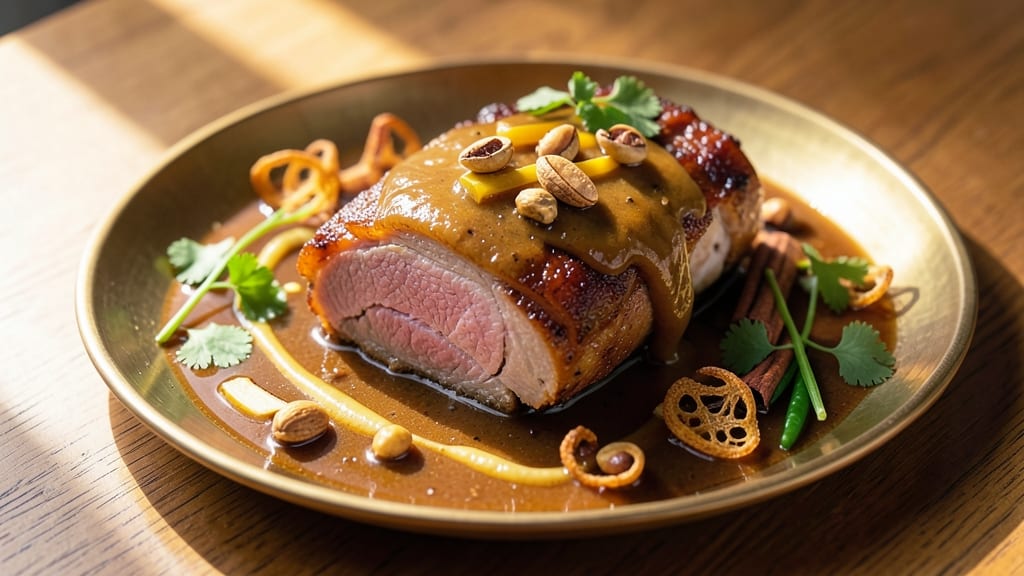
This Bengali pork recipe brings the rich, aromatic flavors of West Bengal to your kitchen with a perfect balance of five-spice and tangy tamarind. 🔥 I first discovered this dish while researching regional Bengali cuisine, and it quickly became a staple in my home—especially when I wanted to recreate that deep, complex flavor profile that feels both comforting and celebratory.
The secret lies in slow-braising the pork with whole spices until the meat is fork-tender and infused with layers of warmth.
The dish starts with a fragrant base of cumin, cardamom, and cinnamon, which are toasted until their oils release, creating an irresistible aroma. Tamarind adds a bright, tangy contrast that cuts through the richness of the pork, while a touch of yogurt keeps the sauce silky smooth.
Unlike many traditional recipes that rely on hours of simmering, this version delivers restaurant-quality results in just under 2 hours, making it perfect for weeknight dinners without sacrificing depth of flavor.
What makes this recipe truly special is how the spices meld together over time, transforming simple ingredients into something extraordinary. The pork emerges tender and deeply flavorful, with a sauce that clings to every bite—ideal for serving over steamed basmati rice or alongside fluffy luchi (Bengali fried bread).
The aroma alone will have everyone gathering around the table, while the taste delivers that unmistakable Bengali warmth.
While this recipe stays true to its roots, I’ve included a few modern adaptations, like using a pressure cooker to cut down on active cooking time, without compromising the dish’s soul.
Whether you’re cooking for a family gathering or a cozy night in, this fragrant, five-spice pork curry is sure to impress. Let’s get started!
Ingredients for bengali pork
Pantry spices and fresh aromatics create this fragrant Bengali pork masterpiece.
| Ingredient | Amount | Notes |
|---|---|---|
| Pork Shoulder 🥩 | 1 ½ lb | Bone-in for flavor, cut into 2-inch chunks |
| Whole Green Cardamom Pods 🌿 | 8 whole | Lightly crushed for aroma |
| Cinnamon Sticks 🍃 | 2 whole | 2-inch pieces for infusion |
| Fresh Ginger 🧄 | ½ cup | Finely chopped, peeled |
| Ground Cumin Seeds 🌶️ | 1 tbsp | Toasted for depth |
| Tamarind Paste 🍈 | ¼ cup | Unsweetened, dissolved in water |
| Plain Yogurt 🥛 | ½ cup | Full-fat for creaminess |
| Onion 🧅 | 1 whole | Medium, thinly sliced |
| Garlic Cloves 🧄 | 6 cloves | Minced, fresh preferred |
| Tomatoes 🍅 | 2 whole | Medium, diced |
| Bay Leaves 🌿 | 2 whole | Fresh or dried |
| Salt 🧂 | 1 ½ tsp | Kosher or sea salt |
| Black Peppercorns 🌶️ | ½ tsp | Crushed, freshly ground |
| Ghee or Vegetable Oil 🫒 | 2 tbsp | For sautéing spices |
| Water 💧 | 1 ½ cups | For dissolving tamarind |
The pork shoulder is the star—look for well-marbled cuts at Whole Foods or your local butcher. Bone-in pieces stay juicier, and the marrow adds richness. For spices, Penzeys or Indian grocery stores have the best whole cardamom and cinnamon sticks. If you can't find tamarind paste, Trader Joe's carries it in the international aisle, or use 2 tbsp lemon juice plus 1 tsp sugar as a substitute. The yogurt should be full-fat for that creamy texture—Greek yogurt works if you're in a pinch, but it's thicker so thin it with a splash of water.
No fresh ginger? Substitute 1 tbsp ground ginger, but toast it first in a dry pan to mellow the heat. Running short on cardamom? Double the cinnamon and add 1 tsp nutmeg for a similar warmth. The tomatoes can be canned (drained) if fresh aren't available, but San Marzano if you want that authentic sweetness. For the onions, yellow or red both work—just make sure they're crisp and fresh. The bay leaves? Fresh ones have more punch, but dried are fine if that's what you've got. If you're using a pressure cooker, reduce the water by half since it won't evaporate as much.
This curry tastes even better the next day as flavors meld. Store leftovers in an airtight container for up to 5 days in the fridge, or freeze for 3 months. I like to portion it into containers with rice so I can grab and reheat for quick lunches. The sauce thickens as it cools, so add a splash of water when reheating. For serving, a sprinkle of fresh cilantro brightens it up—garnish just before eating so it stays vibrant. The spices keep for months in a cool, dark place, but the ginger and yogurt should be used within 2 weeks for peak freshness.
Why You'll Love This Recipe
- One-Pot Magic: I swear by this recipe when I’m too tired to wash pots. The pork shoulder simmers right in the same pan with the cardamom and cinnamon—no extra bowls, no fuss. Just toss everything in, let it slow-cook, and boom, dinner’s ready.
- Warm Spice Hug: That first bite? It’s like a hug for your taste buds. The cardamom and cinnamon give it this cozy, aromatic depth, while the ginger adds a little kick. Honestly, it’s the kind of flavor that sticks with you long after you finish.
- Budget Meal for Big Crowds: Pork shoulder is cheap, but it feeds a family (or a hungry college student). Between us, this is my go-to for gatherings—everyone clears their plates, and I don’t break the bank. Plus, the spices cost pennies.
Step-by-step instructions for Bengali pork with tamarind and spices
This aromatic braise transforms tough pork into melt-in-your-mouth perfection through slow cooking and bold flavors.
🔥 Step 1: Toast the Spices and Brown the Pork
Heat a heavy pot over medium heat and add the 2 tablespoons ghee or vegetable oil. Once shimmering, add the 8 whole green cardamom pods and 2 whole cinnamon sticks, letting them sizzle for 30 seconds until fragrant. Remove and set aside.
In the same pot, add the 1.5 lb pork shoulder cut into 2-inch chunks and sear on all sides until deep golden brown (about 5-6 minutes total). This step builds deep flavor through the Maillard reaction. Don't crowd the pan—work in batches if needed. Remove pork and set aside with the spices.
🍳 Step 2: Build the Aromatic Base
In the same pot, add the 1 whole onion sliced and cook for 4-5 minutes until softened and golden. Add the 6 cloves garlic and 0.5 cup fresh ginger (finely chopped), cooking for 1 minute until fragrant.
Stir in the 1 tablespoon ground cumin seeds and toast for 30 seconds until aromatic. Add the 2 whole bay leaves and 2 whole tomatoes (diced), cooking for 3 minutes until tomatoes break down. You're creating the flavor foundation that will infuse the pork.
🥘 Step 3: Create the Tamarind-Yogurt Sauce
In a small bowl, whisk together the 0.25 cup tamarind paste and 1.5 cups water until completely dissolved. The mixture should be smooth with no lumps. Add this to the pot along with the 0.5 cup plain yogurt.
Return the pork and reserved spices to the pot. Bring to a gentle simmer, then reduce heat to low. Add the 1.5 teaspoons salt and 0.5 teaspoon black peppercorns (crushed). The sauce should coat the pork pieces—add a splash of water if needed. This is where the magic happens.
⏰ Step 4: Braise Until Fork-Tender
Cover the pot and simmer for 1 hour 15 minutes, stirring occasionally to prevent sticking. The pork should be 90% cooked through but still slightly firm to the touch. Here's the thing—don't peek or stir too often, or you'll break the sauce and lose moisture.
After 1 hour 15 minutes, check for doneness. The pork should be fork-tender with just a slight resistance. If it's not quite there, continue cooking for another 15-20 minutes. The sauce should have thickened into a glossy, aromatic coating. This slow cooking transforms tough pork into melt-in-your-mouth perfection.
🍽️ Step 5: Finish and Serve
Once the pork is fork-tender, remove it from the pot and set aside. Strain the sauce through a fine-mesh sieve to remove any spices or bay leaves, then return it to the pot. Simmer uncovered for 5-7 minutes to reduce slightly and intensify the flavors.
Slice the pork against the grain into ½-inch thick pieces and return to the sauce. Taste and adjust seasoning if needed—you might want to add a pinch more salt or a splash of water to reach your preferred consistency. Serve immediately with steamed basmati rice or warm naan bread to soak up that delicious sauce.
Pro Tips For Making Bengali Pork
- CRUSH THE CARDAMOM: Don’t just toss those whole pods in—lightly smash them with the flat side of a knife first. This releases their oils and aroma without turning your dish into a spice sieve. I used to skip this, and the flavor felt half as strong.
- BROWN THE PORK FIRST: Get that pork shoulder sizzling over medium-high heat until deep golden before adding liquids. The Maillard reaction here builds the base flavor—no, it won’t caramelize like a steak, but it’ll make the final dish taste richer. (Yes, even if you’re impatient like me.)
- GINGER: PEEL AND GRATE FINE: Skip the chopping—peel the ginger, then grate it directly into the pan while the pork browns. The finer the texture, the more it blends into the sauce without chunks. My grandmother swore by this, and she was right: it disappears but leaves a punch.
- LOW AND SLOW WITH LID: After adding the spices and liquid, drop the heat to low and cover. Let it simmer for at least 2 hours—no, you can’t rush this. The pork needs time to fall apart, and the spices need to meld. (Your future self will thank you.)
Storing and reheating your bengali pork
Refrigerator Storage
Let your fragrant Bengali pork curry cool to room temperature before storing—this takes about 1-2 hours. Transfer to an airtight container with a tight-sealing lid, leaving about ½ inch headspace for expansion. Store in the fridge at 40°F or below for up to 5 days.
The flavors actually deepen overnight as the spices meld together more completely. I always double-check the seal to prevent any tamarind or yogurt flavors from absorbing fridge odors. 💫
Freezer Storage
For longer storage, freeze the curry in portion-sized containers or heavy-duty freezer bags. I recommend using quart-sized containers for family meals or pint-sized for individual servings. Leave 1 inch headspace since liquids expand when frozen. Label with the date—this curry stays delicious for up to 3 months.
When ready to eat, thaw overnight in the fridge for best texture. The sauce might thicken slightly after freezing, so add a splash of water when reheating.
Stovetop Reheating
My preferred method is stovetop reheating because it preserves the sauce's silky texture. Transfer the chilled curry to a heavy-bottomed pot and add ¼ cup water or broth to prevent sticking. Heat over medium-low heat for 10-12 minutes, stirring occasionally.
The low heat prevents the yogurt from curdling. Taste and adjust seasoning—you might need ½ teaspoon extra salt or a squeeze of lemon juice to brighten flavors. The aroma alone will remind you why you love this dish. 🔥
Microwave Reheating
For quick meals, use the microwave with caution. Transfer the curry to a microwave-safe bowl and cover with a damp paper towel. Heat on 50% power for 2-3 minutes, then stir. Continue in 30-second intervals until heated through (about 4-5 minutes total).
The key is low power to prevent the yogurt from separating. If the sauce looks too thick, add 1-2 tablespoons water while reheating. Garnish with fresh cilantro right before serving to keep it vibrant.
Make-Ahead Tips
This curry is perfect for meal prep—cook a double batch and store half for later. I like to portion it into individual containers with rice so I can grab and reheat quickly.
The spices in the curry actually improve over time, so leftovers often taste even better than the first serving. For best results, reheat gently and add a splash of water if the sauce has thickened.
The tamarind's tang and yogurt's creaminess make this dish taste like a restaurant-quality meal every time. 💡
Serving Suggestions
Serve the reheated curry with steamed basmati rice or warm naan bread to soak up the rich sauce. For extra authenticity, add a side of cucumber raita or pickled onions to cut through the richness. The leftovers make great lunches—just reheat and pair with a simple salad.
I often bring this to potlucks because it's hearty enough to stand alone but still feels special enough for company. The aroma alone will have everyone asking for seconds. ✨
Nutrition facts
Frequently asked questions
Can I substitute chicken or beef for the pork in this recipe?
While pork is traditional, you can absolutely use chicken thighs or beef chuck—both work well with the same spices. For chicken, reduce cooking time to 45-50 minutes (it cooks faster than pork). For beef, increase to 2 hours to ensure tenderness. Just remember: bone-in pieces stay juicier, so trim excess fat if needed.
What makes the tamarind-yogurt sauce different from other curries?
The tamarind adds a bright, tangy contrast that balances the richness of the pork and spices, while yogurt keeps the sauce silky smooth. Unlike creamy curries that use coconut milk, this version stays lighter but deeply flavorful. The slow simmer allows the tamarind's acidity to mellow, creating a complex, layered taste that's uniquely Bengali.
How do I know when the pork is fully cooked?
Use the fork-tender test: The pork should easily shred with a fork but still have a slight resistance (not mushy). For pork shoulder, this usually takes 1 hour 15-30 minutes of braising. If unsure, check the internal temperature—it should reach 195°F for fall-apart tenderness. Overcooking can dry it out, so monitor closely in the last 15 minutes.
Can I make this in an Instant Pot or pressure cooker?
Yes! Sauté the spices and pork as directed, then add all remaining ingredients (including 1 cup water instead of 1.5 cups). Pressure cook on high for 40 minutes, then do a natural release for 15 minutes. The pork will be tender, but the sauce may be thinner—reduce it on the stovetop afterward. This cuts cooking time to about 1 hour total.
What if I don’t have tamarind paste? Can I substitute?
Mix 2 tablespoons lemon juice with 1 teaspoon sugar for a similar tang. For extra depth, add ½ teaspoon amchur (dried mango powder) if available. The sauce will be slightly less complex, but the dish will still be delicious. If using vinegar, reduce to 1 tablespoon to avoid over-acidity.