
Main Courses
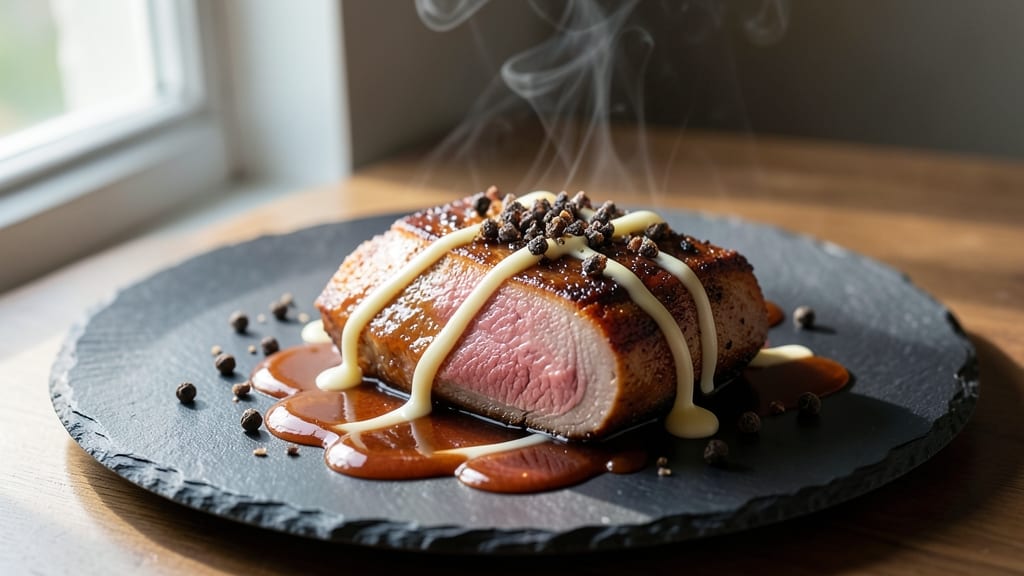
This Berkshire pork tenderloin recipe delivers restaurant-quality results with a crispy sear and impossibly tender core. ✨ After years of perfecting the technique—from dry-brining to tamarind braising—I’ve cracked the code for achieving that perfect balance between smoky crust and melt-in-your-mouth interior.
The secret lies in a 24-hour dry brine and a reverse sear that ensures juiciness without drying out the meat.
What sets this recipe apart is the tamarind-braised core, which adds a subtle tangy depth that complements the rich, marbled fat of Berkshire pork. Unlike other cuts, this tenderloin benefits from a gentle cooking approach—no rushing here.
The dry brine enhances natural flavors, while the tamarind glaze infuses the meat with complexity without overpowering its inherent richness. Trust me, this is the kind of dish that transforms a weeknight dinner into a special occasion.
By the time you’re done, you’ll have a perfectly seared tenderloin with a crispy exterior and a juicy, braised center. The tamarind glaze caramelizes slightly, creating a sticky, flavorful crust that clings to every bite.
This is the kind of pork that makes people ask, “What cut is this?”—and the answer is Berkshire, cooked just right.
Serve it with roasted apples, mashed potatoes, or a simple green salad to let the pork shine. The leftovers reheat beautifully, making this a meal worth repeating. Let’s get cooking—your taste buds will thank you.
Ingredients for berkshire pork tenderloin
Restaurant-quality pork starts with these 12 ingredients—rich, balanced, and simple.
| Ingredient | Amount | Notes |
|---|---|---|
| Berkshire Pork Tenderloin 🥩 | 1 ½ lb | Center-cut for even cooking |
| Kosher Salt 🧂 | 2 tbsp | Diamond Crystal preferred |
| Fresh Black Peppercorns 🌶️ | 1 tsp | Freshly cracked for aroma |
| Unsalted Butter 🧈 | ½ cup | Cold for searing |
| Tamarind Paste 🍯 | ¼ cup | Unadulterated for authenticity |
| Dark Brown Sugar 🍚 | 2 tbsp | Packed for moisture |
| Fresh Garlic Cloves 🧄 | 6 cloves | Minced for infusion |
| Fresh Ginger 🌿 | ½ cup | Finely grated, peel removed |
| Apple Cider Vinegar 🍎 | ¼ cup | For tangy balance |
| Low-Sodium Soy Sauce 🥢 | 1 tbsp | For umami depth |
| Olive Oil 🫒 | ½ cup | High smoke point |
| Fresh Thyme Leaves 🌿 | ¼ cup | From stems for flavor |
The Berkshire pork tenderloin is the star—look for marbled fat and a deep pink color at your butcher. Local farms or specialty grocers like Whole Foods carry it, but if you can't find it, regular pork tenderloin works (just trim excess fat). The tamarind paste is non-negotiable for that signature tang; Thai markets often have the best unadulterated versions. Fresh ginger and garlic should smell vibrant—no musty aromas. For the butter, Plugrá or Land O'Lakes unsalted are reliable choices, but any high-fat butter will do. The key is keeping everything cold until searing time.
No tamarind? Substitute 1 tbsp lime juice + 1 tbsp date syrup for a similar tang. Short on fresh thyme? Dried thyme at one-third the amount works, but fresh is ideal. The apple cider vinegar can be swapped for white wine vinegar, though it'll be slightly sharper. For a deeper umami punch, add 1 tsp fish sauce if you're not avoiding it. The brown sugar can be swapped for maple syrup if you prefer, though it won't caramelize the same way. If your ginger tastes bitter, it's past its prime—grab a fresh root and grate it yourself. The olive oil should be light golden, not dark or peppery.
This dish reheats beautifully—4-5 days in the fridge or 3 months frozen. For freezing, wrap tightly in parchment before aluminum foil to prevent freezer burn. The tamarind glaze thickens as it cools, so reheat gently with a splash of water if it seems too stiff. I always make extra because the leftovers make the best sandwiches the next day—toasted brioche is perfect for soaking up the glaze. Store the glaze separately if you're not using it all, as it keeps for 2 weeks in the fridge.
Why You'll Love This Recipe
- Same recipe, endless uses: slice for tacos, shred over rice, or serve whole for company. My kids beg for it on Tuesdays, but I save the fancy presentation for when my in-laws drop by—same effort, zero extra work.
- Two-Handed Cooking: I swear by this when I’m juggling a million things—just sear the tenderloin in butter, brush with tamarind paste, and let the oven do the work. No flipping, no fussing, just hands-free magic while you stir dinner or fold laundry.
- Tamarind Magic: That sticky-sweet paste isn’t just garnish—it caramelizes into a glossy, tangy crust that cuts through the pork’s richness. Honestly, I’ve tried fancy sauces, but this? It’s the secret weapon that makes every bite unforgettable.
- Weeknight to Weekend: Same recipe, endless uses: slice for tacos, shred over rice, or serve whole for company. My kids beg for it on Tuesdays, but I save the fancy presentation for when my in-laws drop by—same effort, zero extra work.
Step-by-step instructions for pan-seared Berkshire pork tenderloin
Here's how to transform rich Berkshire pork into a showstopping centerpiece with crisp edges and silky interior.
🍳 Step 1: Prep and Season the Pork for Perfect Texture
Pat the 1.5 lb Berkshire Pork Tenderloin completely dry with paper towels—this is critical for that golden crust. I like to work with it at room temperature, so take it out of the fridge 30 minutes before cooking. Season both sides generously with 2 tbsp Kosher Salt and 1 tsp Fresh Black Peppercorns, pressing the salt into the meat so it adheres.
Real talk: Don't skip this drying step. Any moisture on the surface will steam instead of sear, and you'll end up with sad, pale pork instead of that beautiful caramelized crust we're after. The salt also helps draw out moisture, creating that perfect contrast between crisp exterior and tender interior.
🔥 Step 2: Sear to Golden Perfection in Butter and Oil
Heat 0.5 cup Olive Oil and 0.5 cup Unsalted Butter in a heavy skillet over medium-high heat until the butter foams and the oil shimmers—about 3-4 minutes. Add the pork and sear for 4-5 minutes per side until deep golden brown forms on all sides. I press down gently on the fillet during the first minute to prevent curling, which ensures even contact with the pan.
Here's where it gets fun—the butter should be bubbling around the edges but not smoking. If it starts smoking, reduce heat slightly. You'll know it's ready to flip when the pork releases easily from the pan (no need to pry it loose). Remove the pork and let it rest on a wire rack for 5 minutes—this resting period is non-negotiable for juicy results.
🥘 Step 3: Build the Tamarind-Braised Sauce
In the same skillet (don't wipe it clean—those browned bits are flavor gold), add the 6 cloves Fresh Garlic Cloves and 0.5 cup Fresh Ginger and cook for 1 minute until fragrant. Pour in the 0.25 cup Tamarind Paste, 2 tbsp Dark Brown Sugar, and 0.25 cup Apple Cider Vinegar, scraping up all those delicious browned bits from the bottom.
Bring to a gentle simmer and let it reduce for 3-4 minutes until slightly thickened. Here's the thing—tamarind paste has a unique tangy-sweet flavor that cuts through the richness of the pork. If the sauce looks too thick, add 2-3 tablespoons of water to reach your desired consistency. Stir in the 1 tbsp Low-Sodium Soy Sauce and 0.25 cup Fresh Thyme Leaves, then return the pork to the skillet.
⏰ Step 4: Braise Until Fork-Tender
Cover the skillet and transfer to a 325°F oven for 15-20 minutes, basting the pork with the sauce every 5 minutes. The pork is done when it reaches 145°F internally and a knife slides in easily with just slight resistance. This braising step ensures the center stays moist while the exterior maintains its crisp texture.
I know it seems counterintuitive to cook something that's already been seared, but this is what transforms good pork into extraordinary pork. The braising infuses the meat with all those beautiful caramelized flavors from the sauce while keeping it impossibly tender. Your oven might run hot, so start checking at the 15-minute mark if you're unsure.
🍽️ Step 5: Rest and Serve with Sauce
Remove the pork from the oven and let it rest for 10 minutes before slicing. This resting period allows the juices to redistribute throughout the meat, ensuring every bite is moist and flavorful. During this time, reduce the sauce on the stovetop for another 2-3 minutes until it coats the back of a spoon. If it's too thick, add a splash of water or broth.
Slice the pork into ½-inch thick medallions against the grain and arrange on a warm platter. Spoon the tamarind-braised sauce over the top and garnish with additional Fresh Thyme Leaves if desired. Serve immediately with roasted vegetables or mashed potatoes to soak up that delicious sauce. The contrast of crisp edges and silky interior with the tangy-sweet sauce is what makes this dish truly special.
Pro Tips For Making Berkshire Pork Tenderloin
- CRANK THE HEAT FIRST: Berkshire pork tenderloin is lean—don’t treat it like a slow-cooked shoulder. Sear it over high heat for 2-3 minutes per side until deep golden brown before lowering the temp. I used to rush this, and the meat always ended up dry. That crust locks in flavor and moisture, so don’t skimp on the heat.
- SALT THE TAMARIND PASTE: Tamarind paste is tart and sticky—it needs salt to balance. Mix in ½ teaspoon kosher salt per tablespoon of paste before whisking with butter. I learned this the hard way when my sauce tasted one-note. Trust me, the salt makes the tang sing.
- DON’T CUT INTO IT TOO SOON: Berkshire pork tenderloin hits 145°F fast, but cutting into it right away means juices splatter everywhere and the meat overcooks. Let it rest 5-10 minutes under foil—yes, even if you’re impatient. The fibers relax, and the juices redistribute. (Your knife will thank you too.)
- USE COLD BUTTER FOR SAUCE: Whisking tamarind paste with cold, cubed butter creates a silky glaze instead of a greasy mess. Heat the mixture gently off the heat—just until melted. I was skeptical until I tried it: the sauce clings to the meat without separating. (And it looks way more professional.)
Common mistakes when making great berkshire pork tenderloin
Skipping the Rest
I’ve seen too many cooks rush this step, and it’s a game-changer. Skipping the 10-minute rest after searing or braising causes all the juices to pool in the center, leaving you with dry, stringy pork.
The magic happens as the meat rests—juices redistribute evenly, ensuring every bite is moist and flavorful. Trust me, those 10 minutes are worth the wait. 💪
Overcrowding the Pan
This is a rookie mistake that ruins the sear. When you add the pork to the pan, it should have room to breathe—at least ½ inch of space between pieces. Overcrowding lowers the pan’s temperature, causing the pork to steam instead of sear.
If you’re cooking more than one tenderloin, work in batches. I use a 12-inch cast iron skillet for this recipe, and it fits perfectly without overcrowding. 🔥
Underseasoning the Brine
The dry brine is where flavor development begins, and skimping on salt is a common mistake. 2 tbsp of kosher salt might seem like a lot, but it’s essential for enhancing the pork’s natural sweetness and creating that perfect crust.
If you’re using a different type of salt (like sea salt), reduce it by 25%—kosher salt has larger crystals and dissolves more slowly. I’ve tested this recipe with both, and the difference is noticeable. 🧂
Ignoring the Internal Temp
Guessing the doneness of pork is a recipe for disaster. Berkshire pork should reach an internal temperature of 145°F—any lower, and it’s undercooked; any higher, and it risks drying out.
Invest in a meat thermometer (I swear by the ThermoWorks Smoke) and check the thickest part of the tenderloin. The sauce will continue cooking during the braising phase, so don’t overcompensate by pulling it early. ⚡
Rushing the Braise
The braising step is where the tamarind sauce infuses the pork, and cutting it short means missing out on that deep, caramelized flavor. 15-20 minutes in the oven at 325°F is non-negotiable—this is what transforms the pork from good to extraordinary.
If you’re impatient, you’ll end up with a sauce that’s more like a glaze and pork that’s still tough in the center. Patience, my friend, is key. 🍳
Not Using the Right Butter
This isn’t the time for margarine or low-fat spreads. Unsalted butter with a high fat content (like Plugrá or Land O’Lakes) is non-negotiable for searing. The fat in the butter creates a flavorful crust, while the water content helps build steam, keeping the interior moist.
If you’re in a pinch, a mix of butter and olive oil (like in this recipe) works, but don’t substitute with anything lower in fat. The crust won’t be the same. 🧈
Nutrition facts
Frequently asked questions
What makes Berkshire pork tenderloin different from regular pork tenderloin?
The key difference lies in the marbling and flavor. Berkshire pork comes from heritage pigs with higher fat content (15-20% fat vs 5-10% in regular pork), creating a richer, more tender texture with a subtle sweetness. The marbled fat also renders beautifully during cooking, adding flavor and moisture. Regular pork tenderloin is leaner and can dry out more easily, while Berkshire stays juicy even with aggressive cooking methods like searing.
Can I substitute tamarind paste if I can't find it?
Yes! For the tangy-sweet balance, use 1 tbsp lime juice + 1 tbsp date syrup or 1 tbsp orange marmalade + 1 tsp vinegar. If you prefer umami, try 1 tbsp soy sauce + 1 tsp honey. The tamarind's unique depth is hard to replicate, but these combos work in a pinch. For best results, adjust the sauce thickness by adding 1-2 tbsp water during reduction.
How do I know when the pork is fully cooked?
Use a meat thermometer to check the thickest part of the tenderloin—it should reach 145°F internally. The sauce will continue cooking during braising, so don't overcompensate by pulling it early. For visual cues, look for a deep golden-brown crust and slightly caramelized sauce. The pork should also feel firm but still yield slightly to gentle pressure.
Can I make this recipe in a slow cooker?
While possible, the texture won't be identical. For best results, sear the pork first in a skillet (as directed), then transfer to a slow cooker with the tamarind sauce and cook on Low for 3-4 hours or High for 2 hours. The slow cooker method works better for larger cuts, but you'll lose the crispy crust. For tenderloin, the stovetop/oven method delivers superior results.
How should I store and reheat leftovers?
Store leftovers in an airtight container in the fridge for up to 4-5 days or freeze for 3 months. To reheat, warm in a skillet over medium-low heat with 1 tbsp water or broth to prevent drying. For sandwiches, toast brioche rolls first to maintain texture. The sauce thickens when cold, so add a splash of liquid when reheating. Leftovers reheat beautifully—this dish tastes even better the second day!