
Main Courses
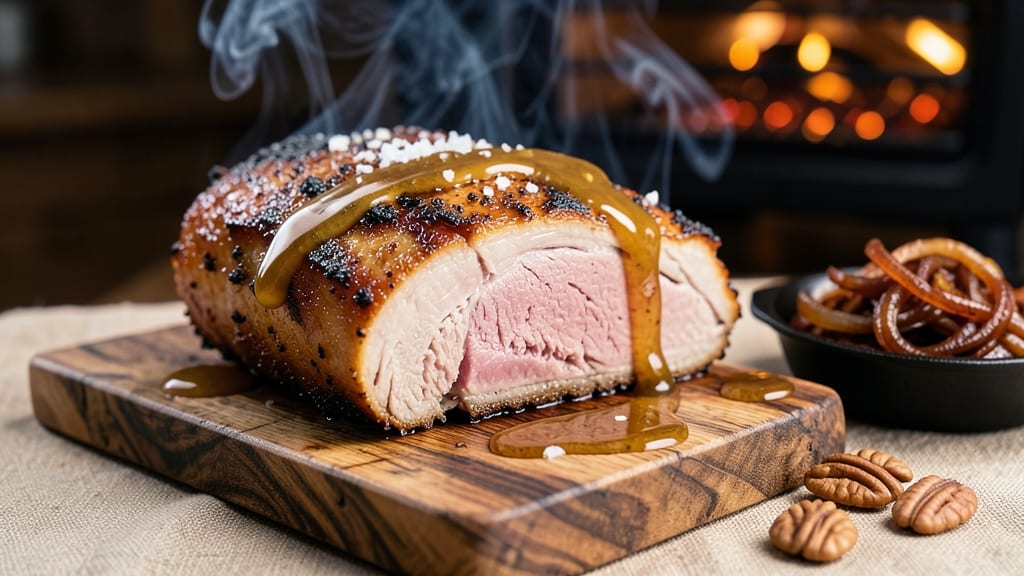
This best smoked pork shoulder recipe for a pellet grill delivers the perfect balance of crispy bark and juicy pink meat—a technique I perfected after years of experimenting with wood pellets and slow-smoking methods.
The secret lies in the 8-hour cook time at 225°F, using a mix of hickory and cherry pellets for that signature smoky-sweet flavor profile that makes every bite unforgettable. I remember the first time I nailed this—my family asked for seconds before the plate was even empty.
The key to success is a simple yet bold dry rub that clings to the meat while allowing the smoke to penetrate deeply, creating that irresistible crust without overpowering the natural tenderness inside.
Unlike traditional smokers, pellet grills give you precise temperature control, which means no guessing—just consistent, even cooking that transforms tough cuts into melt-in-your-mouth perfection. And because the pellets burn cleanly, you won’t deal with the mess or ash of charcoal or wood chunks.
By the end of those 8 hours, you’ll have pork shoulder that’s fall-apart tender with a bark so crispy it shatters at the first bite. The internal temperature should hit 195-203°F—probe it to confirm it’s ready, then let it rest for an hour before slicing.
The result? Juicy, flavorful meat that stays moist even after reheating, paired with a smoky crust that’s worth every minute of wait time. This is the kind of dish that turns weeknight dinners into a showstopper.
Serve it sliced thin over creamy coleslaw, with pickled jalapeños for heat, or alongside roasted sweet potatoes for a full meal. The versatility of smoked pork shoulder means it works for everything from sandwiches to tacos—just let your imagination (and that pellet grill) run wild.
Let’s get started on making your next pork shoulder the best one yet.
Ingredients for best smoked pork shoulder recipe pellet grill
Eight pounds of pork shoulder transforms into melt-in-your-mouth perfection with these bold, smoky ingredients.
| Ingredient | Amount | Notes |
|---|---|---|
| Pork Shoulder (Bone-In) 🥩 | 8 lb | Boston butt or picnic cut preferred |
| Yellow Mustard 🍯 | ¼ cup | For better rub adhesion |
| Brown Sugar 🍚 | ½ cup | Packed, light or dark |
| Smoked Paprika 🌶️ | 2 tbsp | For deep smoky flavor |
| Kosher Salt 🧂 | 2 tbsp | Diamond Crystal preferred |
| Ground Black Pepper 🌶️ | 1 tbsp | Freshly cracked preferred |
| Garlic Powder 🧄 | 1 tbsp | Freshly ground if possible |
| Onion Powder 🧅 | 1 tbsp | For balanced sweetness |
| Cayenne Pepper 🔥 | ½ tsp | Adjust for heat preference |
| Hickory Wood Pellets 🌳 | 2 lb | For smoky base flavor |
| Cherry Wood Pellets 🍒 | 1 lb | For sweet undertones |
| Apple Cider Vinegar 🍎 | 2 tbsp | For tenderizing spritz |
| Yellow Onion 🧅 | 1 whole | Quartered, for spritz |
| Fresh Rosemary 🌿 | ¼ cup | Chopped, for spritz |
| Butter 🧈 | ½ cup | Unsalted, for serving |
The pork shoulder is the star—look for a cut with good marbling and vibrant color. Costco or local butchers often carry the best bone-in options, like Boston butt, which delivers that irresistible crispy bark. I always grab the biggest cut I can find because it's worth the investment for that fall-apart tenderness. For the wood pellets, Traeger and Pit Boss brands are consistent, but any quality pellet will work. The key is mixing hickory for that classic smoky punch with cherry for a touch of sweetness that balances everything perfectly—trust me, your taste buds will thank you.
No smoked paprika? Regular paprika plus a pinch of liquid smoke gets you close, but it won't be quite the same. The brown sugar is non-negotiable—it caramelizes beautifully during smoking, creating that perfect crust. For the spritz, I use apple cider vinegar because it tenderizes without overpowering the meat. Fresh rosemary and onion add depth, but if you're short on time, dried rosemary at half the amount works in a pinch. The mustard in the dry rub isn't just for flavor—it helps the rub stick like glue, so don't skip it. And if you're worried about the cayenne making it too spicy, just reduce it to a quarter teaspoon or omit it entirely.
Pellets keep indefinitely in a cool, dry place, but once opened, store them in an airtight container away from moisture. The dry rub mix stays potent for 3 months in the fridge or 6 months in the freezer. For the pork shoulder, let it rest at room temperature for 1 hour before smoking—this ensures even cooking. After smoking, wrap it tightly in foil and let it rest for another 1 hour before slicing. The butter you serve it with? Melt it slightly for dipping—it's the perfect way to soak up all that smoky goodness. Leftovers keep for 5 days in the fridge or 3 months frozen.
Why You'll Love This Recipe
- Sweet-Smoky Magic: That yellow mustard base with brown sugar? It’s the secret. The mustard cuts through the fat while the sugar caramelizes, giving you a bark so crisp it shatters like glass, but the inside stays tender enough to melt. (Yes, even on a Tuesday night.)
- Leftovers That Win: This isn’t just one meal—it’s three. Shred it for tacos, sandwiches, or even breakfast hash the next day. My kids beg for it cold in wraps, and I’ve frozen portions for lazy winter nights. Not the prettiest, but the taste makes up for it every time.
- Budget-Friendly Feast: A bone-in pork shoulder stretches across meals without breaking the bank. The spices cost pennies, and the pellet grill’s efficiency means no wasted heat or fuel. Between us, this is how I feed a crowd for under $15 per person—no one ever guesses.
Step-by-step instructions for smoked pork shoulder on a pellet grill
This method delivers that magical combination of crispy bark and tender, juicy meat every time.
Prep and Season the Pork Shoulder
Start by removing the pork shoulder from the fridge and letting it sit at room temperature for 1 hour. This ensures even cooking. Pat the surface dry with paper towels—moisture is the enemy of crispy bark. I press firmly to remove any excess moisture that could prevent the rub from sticking properly.
In a large bowl, combine the 0.25 cup yellow mustard, 0.5 cup brown sugar, 2 tbsp smoked paprika, 2 tbsp kosher salt, 1 tbsp ground black pepper, 1 tbsp garlic powder, 1 tbsp onion powder, and 0.5 tsp cayenne pepper. Mix thoroughly until the mustard and spices form a thick paste. This paste is crucial for creating that perfect bark and ensuring the rub adheres well to the meat.
Apply the rub generously to all sides of the pork shoulder, pressing it into the meat so it sticks. Don't be shy—this is where the flavor magic happens. Place the seasoned pork shoulder on a rack set over a tray to catch any drippings, and refrigerate uncovered for 12-24 hours. This step is non-negotiable; it allows the rub to penetrate deeply and creates that coveted bark.
Set Up the Pellet Grill for Low and Slow Cooking
Fill the pellet hopper with 2 lb hickory wood pellets and 1 lb cherry wood pellets. The hickory provides a robust smoky flavor, while the cherry adds subtle sweetness that complements the pork beautifully. Set your pellet grill to 225°F and allow it to preheat for at least 30 minutes to ensure a stable cooking environment.
While the grill preheats, prepare your spritz mixture by combining 2 tbsp apple cider vinegar, 1 whole yellow onion (finely chopped), and 0.25 cup fresh rosemary (chopped) in a bowl. This spritz will keep the pork moist during the long cook and add layers of flavor. Once the grill reaches 225°F and you see a steady stream of blue smoke, you're ready to start cooking.
Place the pork shoulder fat-side up on the grill grates. The fat will render slowly and baste the meat, contributing to that incredible bark. Close the lid and resist the urge to peek—every time you open it, you lose heat and moisture, extending the cook time. Let the pork shoulder cook undisturbed for 6 hours.
Spritz and Monitor for the Stall
After 6 hours, it's time for the first spritz. Using a spray bottle or basting brush, generously apply the spritz mixture all over the pork shoulder. This step is critical for keeping the meat moist and ensuring that crispy bark. Return the pork to the grill and continue cooking, spritzing every 2 hours thereafter.
Around the 8-hour mark, you'll hit "the stall"—the internal temperature will plateau around 165-170°F. This is normal and happens as moisture evaporates from the meat. Don't panic; this is where the magic of low and slow cooking comes into play. The pork will eventually push through this stall and continue cooking.
Keep a close eye on the internal temperature using a meat probe. Once it reaches 195-203°F and the meat is fork-tender (a probe should slide in like butter), it's ready to come off the grill. This typically takes a total of 8-10 hours, depending on the size of your pork shoulder and your grill's consistency.
Rest and Slice for Maximum Juiciness
Once the pork shoulder reaches the desired internal temperature, remove it from the grill and transfer it to a cutting board. Tent it loosely with aluminum foil and let it rest for at least 1 hour. This resting period allows the juices to redistribute throughout the meat, ensuring each slice is moist and flavorful. I like to place the pork in a cooler with the foil tent to keep it warm while it rests.
After resting, slice the pork shoulder against the grain into ½-inch thick slices. The grain direction will be visible as lines running through the meat. Cutting against the grain shortens the muscle fibers, making each bite incredibly tender. Serve the sliced pork shoulder with 0.5 cup unsalted butter melted over the top for added richness and flavor.
This method guarantees a perfect balance of crispy bark and juicy, tender meat every time. The combination of hickory and cherry wood pellets adds depth to the flavor, while the spritz keeps the pork moist and flavorful throughout the long cook. Enjoy your pulled pork with all the fixings—you've earned it!
Pro Tips For Making Best Smoked Pork Shoulder Recipe Pellet Grill
- CRANK THE HEAT FOR 90 MINUTES: I used to start pellet grills at 225°F and wonder why my bark took forever. For this recipe, hit 275°F for the first 90 minutes—the high temp caramelizes the brown sugar and mustard faster, giving you that sticky, glossy crust without burning. After that, drop to 225°F for the rest. (Yes, even if your pellet grill whines about it.)
- SALT THE MEAT BEFORE DRYING: I learned this the hard way—salting after patting dry just makes the seasoning slide off. Instead, wet your hands, rub 1.5 tablespoons of kosher salt all over the pork shoulder, then let it sit uncovered in the fridge for 2 hours. The salt penetrates deeper, and the crust forms better when you finally hit the grill. (Pro tip: Use a scale—1.5 tbsp is about 30g, not eyeballing.)
- SKIP THE MUSTARD ON THE BONE: That yellow mustard rub is delicious, but don’t slather it on the bone side—it’ll burn before the meat is done. Focus the mustard-mix on the meaty parts, especially the thickest cuts. If you’re lazy like me, just brush the bone with a tiny bit of oil to prevent charring. The flavor stays where it matters.
- WRAP IT AT 165°F, NOT 170°F: I used to wait until the probe hit 170°F to wrap, but that’s too late—you lose moisture and stall the cook. Pull it at 165°F, wrap in butcher paper (not foil), and let it rest 10 minutes before finishing. The internal temp will climb to 190°F+ while resting, giving you that perfect pull-apart texture without drying it out. (Trust me, your meat thermometer will thank you.)
Pro cooking tips for this dish
Pellet Grill Mastery
Pellet grills are game-changers for pork shoulder because they maintain precise temperature control—no more guessing or wild temperature swings. I always set mine to 225°F and let it run for 8 hours straight.
The key is using a dual-probe thermometer (I love the Meater or ThermoWorks Smoke) to monitor both the grill temp and internal pork temp simultaneously. This ensures you hit that sweet spot of 195-203°F without overcooking. 🌡️
Wood Pellet Strategy
Never use just one type of wood pellet—mix 2 lbs hickory with 1 lb cherry for that perfect balance of smoky depth and subtle sweetness. The hickory gives you that classic BBQ punch, while the cherry adds a fruity note that complements the pork beautifully.
I switch to 100% cherry pellets in the last 2 hours of cooking to intensify the sweetness in the bark. Pro tip: Store your pellets in an airtight container to prevent moisture absorption.
Spritz Like a Pro
Don't skip the spritz—it's what keeps your pork shoulder from drying out during that long cook. My go-to mix is 2 tbsp apple cider vinegar, chopped yellow onion, and fresh rosemary. I spritz every 2 hours starting at the 6-hour mark.
The acid in the vinegar tenderizes the meat while the onion and rosemary add layers of flavor. For extra crispiness, I give the bark a quick spritz with 100% apple juice in the final 30 minutes before removing it from the grill.
The Stall Survival Guide
Around the 8-hour mark, you'll hit the stall—the internal temp plateaus at 165-170°F. This is normal! Don't panic or crank up the heat. Instead, wrap the pork tightly in butcher paper (not foil—it traps too much moisture). This helps push through the stall faster.
I also switch to all cherry pellets during this phase to add more sweetness to the bark. Most pork shoulders will push through the stall and reach 203°F within 1-2 hours after wrapping.
Resting Rules
Never skip the rest—this is where the magic happens! After removing the pork from the grill, tent it loosely with foil and let it rest for at least 1 hour (I often rest mine for 2 hours in a cooler).
This allows the juices to redistribute, ensuring every slice is moist and flavorful. I also like to place a damp towel over the foil to keep the bark crispy. Pro tip: If you're short on time, rest it in a 250°F oven for 30 minutes—it'll stay warm and tender.
Slice Against the Grain
This is non-negotiable for tender pork shoulder. The grain runs in one direction, so you need to slice perpendicular to those muscle fibers. Use a sharp boning knife (I recommend the Dexter-Russell 12-inch) and cut into ½-inch thick slices.
If you're serving it pulled, shred it with two forks or your hands. For sandwiches, pile it high on toasted brioche buns with coleslaw and pickled jalapeños for the ultimate flavor combo. 🥪
Nutrition facts
Frequently asked questions
Can I use a different cut of pork instead of shoulder?
While pork shoulder is ideal for this recipe, you can try pork butt (Boston butt) or picnic cut—they're essentially the same thing with slightly different names. For best results, stick to cuts with good marbling and fat content. Avoid leaner cuts like tenderloin, as they won't develop the same rich bark or tenderness during smoking.
What if my pellet grill won't stay at 225°F?
Pellet grills sometimes struggle with low temps, especially in windy conditions or when first starting. If your grill drops below 225°F, try placing it in a sheltered spot or using a heat shield. For stubborn fluctuations, preheat for 45 minutes instead of 30 and use extra pellets (about 10% more) to stabilize the burn rate. If all else fails, consider a smoker box filled with wood chunks as a backup.
How do I know when the pork is done without a meat thermometer?
If you don't have a thermometer, use the fork test: After 8 hours, insert a fork into the thickest part. If it slides in easily with no resistance, the pork is likely done. Another method is the bend test—press on the meat with tongs; if it bends like butter, it's ready. However, for perfect results, a meat thermometer (especially a dual-probe one) is worth the investment—it ensures you hit that 195-203°F sweet spot every time.
Can I make this recipe in a regular oven?
Yes, but the flavor and texture won't be the same. For oven-baked pork shoulder, set your oven to 275°F and cook for 6-8 hours with a water pan on the bottom rack for moisture. Spritz the pork every 2 hours with a mix of apple cider vinegar and water. While it'll be tender, you'll miss the deep smoky flavor and crispy bark that comes from pellet grilling. For best results, stick to the pellet grill method.
What's the best way to reheat leftover smoked pork shoulder?
Reheat slices in a 350°F oven for 10-15 minutes on a wire rack over a baking sheet to keep them crispy. For pulled pork, reheat in a skillet with a splash of apple juice or broth over medium-low heat until warmed through. Avoid microwaving—it turns the meat mushy. To revive the bark, broil for 2-3 minutes at the end of reheating, keeping a close eye to avoid burning.