
Main Courses
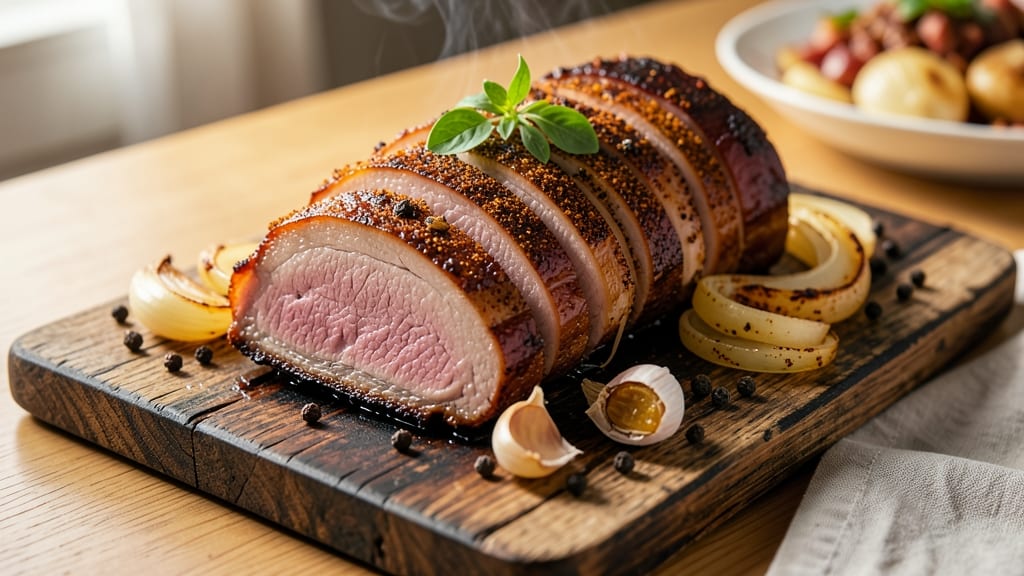
This Boston butt pork roast smoker recipe delivers melt-in-your-mouth tenderness that falls apart at the touch of a fork—exactly what makes low-and-slow smoking worth the wait. 🔥 As someone who grew up surrounded by the rich aromas of hickory smoke, I know the difference between good pulled pork and something truly extraordinary.
The secret lies in patience, the right wood, and letting the smoke work its magic over hours.
What sets this recipe apart is the balance of tradition and technique—starting with a dry rub that forms a flavorful bark while the meat stays juicy inside.
We'll use applewood for a touch of sweetness that pairs perfectly with the savory rub, but don't be afraid to experiment with cherry or pecan woods for different depth. The key is maintaining a steady 225°F temperature, which transforms tough pork into tender, smoky perfection.
By the time you reach that 203°F internal temperature (yes, you'll need a good meat thermometer), your pork will be so tender it practically shreds itself. The resting period is just as crucial—letting it rest for 30 minutes ensures every bite stays juicy, not dry.
This isn't just pulled pork; it's a centerpiece that commands attention at any gathering.
Serve it with classic BBQ sides like tangy coleslaw or buttery cornbread, and you've got a meal that's equal parts comforting and impressive. The beauty of this recipe is its flexibility—whether you're feeding a crowd or just treating yourself, the results are consistently restaurant-quality. Let's get that smoker fired up!
Ingredients for boston butt pork roast smoker
The heart of perfect smoked Boston butt: bold flavors and slow-cooked tenderness.
| Ingredient | Amount | Notes |
|---|---|---|
| Boston Butt Pork Roast 🐖 | 8 lb | Fresh-cut, bone-in preferred |
| Yellow Onion 🧅 | 2 whole | Yellow or red, sliced |
| Garlic Cloves 🧄 | 10 cloves | Fresh, peeled and minced |
| Brown Sugar 🍚 | ½ cup | Packed, light or dark |
| Smoked Paprika 🌶️ | 2 tbsp | High-quality for smoky depth |
| Ground Black Pepper 🌶️ | 1 tbsp | Freshly cracked preferred |
| Kosher Salt 🧂 | 2 tbsp | Diamond Crystal preferred |
| Ground Cumin 🌿 | 1 tbsp | Toasted for deeper flavor |
| Applewood Chips 🌳 | 2 lb | Or chunks for smoker fuel |
| Apple Cider Vinegar 🍎 | ¼ cup | For bark development |
| Blackstrap Molasses 🍯 | ¼ cup | For rich, deep flavor |
| Butter 🧈 | ¼ cup | Unsalted, softened for finishing |
| Fresh Thyme Leaves 🌿 | ¼ cup | Or 1 tbsp dried thyme |
The pork butt is non-negotiable here—look for a fresh-cut roast with good marbling from Costco or your butcher. If you're buying a whole packer, trim off the fat cap to 1/4-inch thickness for even bark. Trader Joe's often carries pre-cut roasts that save time, but nothing beats the quality of a whole roast you trim yourself. Applewood chips add that signature sweetness, but cherry or pecan work beautifully too if you want to experiment. The key is keeping them damp in a sealed container—they'll last weeks in the fridge.
No smoked paprika? Regular paprika plus a pinch of liquid smoke gets you close, though the flavor won't be quite the same. Running short on molasses? Maple syrup at half the amount works in a pinch, but you'll lose that deep, almost coffee-like richness. Fresh thyme is ideal, but dried works at one-third the amount. For the rub, I like to mix everything in a bowl first—it distributes evenly and sticks better. Pro tip: Microwave the butter 40 seconds before adding it to the rub for a smoother texture that clings perfectly to the meat.
This roast reheats like a dream—225°F in the oven with a splash of apple juice keeps it moist. Store leftovers in the fridge for up to 5 days or freeze for 3 months (portion into meal-sized containers). The bark gets crispier over time, so if you're saving for later, reheat uncovered at 350°F for 10 minutes. For serving, I always keep a small bowl of extra butter on the table—it's the perfect finishing touch for those last bites.
Why You'll Love This Recipe
- Smoker’s Secret Weapon: I’ll admit—this recipe feels like cheating. Toss the pork with sliced onions, minced garlic, a sprinkle of brown sugar, and smoked paprika, then let the smoker do the rest. No fancy techniques, just pure, hands-off magic.
- Sweet-Smoky Magic: That caramelized brown sugar crust? It’s the star. The smoked paprika gives it depth, while the onions and garlic melt into the meat, creating layers of flavor that’ll have you licking your fingers. (Yes, even on a Tuesday night.)
- Leftovers That Shine: Between us, the first time I made this, I panicked about leftovers. Then I realized pulled pork sandwiches for lunch? Smoked pork tacos for dinner? This roast stretches into three meals without a single complaint from my family.
- Budget-Friendly Crowd-Pleaser: A whole Boston butt feeds 10, costs less than takeout, and tastes like you spent hours in the kitchen. Honestly, I’ve served this at BBQs, game days, and even my in-laws’ house—no one ever asks what’s in it, just when they can have more.
Step-by-step instructions for smoked Boston butt pork roast
Master this low-and-slow technique for melt-in-your-mouth pork that falls apart effortlessly.
🔥 Step 1: Prepare the Rub and Season the Roast
In a medium bowl, combine the 0.5 cup brown sugar, 2 tbsp smoked paprika, 1 tbsp ground black pepper, 2 tbsp kosher salt, and 1 tbsp ground cumin. Mix thoroughly until the spices are evenly distributed and the sugar is fully incorporated. This blend creates a perfect balance of sweetness, heat, and depth that penetrates the meat beautifully.
Pat the 8 lb Boston Butt Pork Roast completely dry with paper towels—this is critical for developing that coveted bark. Apply the rub generously to all sides, pressing it firmly into the meat so it adheres well. Don't be shy with the seasoning; you want a thick, flavorful crust. Let the roast sit at room temperature for 1 hour before smoking—this ensures even cooking from edge to center.
🔥 Step 2: Set Up the Smoker for Low-and-Slow Cooking
Fill your smoker with 2 lb applewood chips and preheat to 225°F. Applewood complements pork perfectly with its subtle sweetness. Let the smoker run for 15 minutes to establish a steady stream of thin, blue smoke—this is your signal that it's ready. Place a water pan in the smoker to maintain moisture throughout the long cook.
Position the roast fat-side up on the smoker grate. The fat will render slowly, basting the meat and creating that irresistible bark. Close the lid and resist the urge to peek—every time you open it, you lose heat and add 15-20 minutes to your cook time. This is where patience pays off; trust the process and let the smoker do its magic.
⏰ Step 3: Smoke Until Probe-Tender (12-16 Hours)
Smoke the roast undisturbed for 12-16 hours, maintaining a consistent 225°F temperature. You'll hit "the stall" around 165-170°F internal temperature—this is when the meat's moisture evaporates and the temperature plateaus. Don't panic; this is normal and expected. The stall typically lasts 1-2 hours, during which the roast may not show significant temperature rise.
Once the internal temperature reaches 200-203°F and a meat probe slides in like butter, it's time to wrap. Remove the roast from the smoker and wrap it tightly in butcher paper (not foil), then return it to the smoker. This "Texas crutch" technique helps push through the stall while preserving that precious bark. Continue smoking until the internal temperature hits 205-208°F—this ensures pull-apart tenderness every time.
🍳 Step 4: Rest and Prepare for Serving
Remove the roast from the smoker and transfer it to a cutting board. Let it rest for 1-2 hours wrapped in the butcher paper. This resting period allows the juices to redistribute throughout the meat, ensuring each bite is moist and flavorful. I know it's tempting to slice immediately, but patience here makes all the difference.
While the roast rests, prepare your finishing touch. In a small saucepan, combine the 0.25 cup blackstrap molasses, 0.25 cup apple cider vinegar, and 0.25 cup softened butter. Simmer over low heat for 5 minutes until the butter melts and the mixture thickens slightly. Stir in the 0.25 cup fresh thyme leaves and remove from heat. This glaze adds a beautiful contrast of sweet, tangy, and herby notes to the rich pork.
🔪 Step 5: Slice Against the Grain and Serve
Unwrap the roast and locate the grain direction—you'll see lines running through the meat. Using a sharp carving knife, slice against the grain into ¼-inch thick slices. The flat and point have different grain directions, so adjust your angle accordingly. This slicing technique ensures each bite has that perfect texture—tender and easy to pull apart.
Arrange the sliced pork on a serving platter and drizzle generously with the molasses-thyme glaze. Garnish with thinly sliced 2 whole yellow onion and 10 cloves minced garlic for added freshness and aroma. Serve immediately with your favorite sides—mashed potatoes, coleslaw, or crusty bread. Each bite should deliver that perfect balance of smoky, sweet, and savory flavors that make this dish unforgettable.
Pro Tips For Making Boston Butt Pork Roast Smoker
- CRANK THE SMOKER HIGH: Start with 250°F for the first 30 minutes—this helps render fat fast and kickstart that crust. I used to skip this and ended up with a soggy exterior, no matter how long I smoked it.
- CHOP ONIONS LIKE IT’S 1999: Slice your yellow onions into ¼-inch rings and sear them in a dry skillet for 5 minutes before mixing with the rub. The caramelized bits stick to the pork better than raw chunks ever could.
- DON’T PEEK UNTIL 2 HOURS IN: Every time I cracked the lid before then, the internal temp dropped like a rock, and I lost hours of smoke flavor. Trust the gauge, not your eyes.
- USE WET BROWN SUGAR: Dissolve 1 tablespoon of brown sugar in 2 teaspoons of water before mixing it into the rub—it creates a sticky, flavorful glaze that clings to the meat. Dry sugar just turns to ash.
Common mistakes when making your boston butt pork roast smoker
Skipping the Rest
I've seen too many cooks rush this step after hours of smoking, only to end up with dry, stringy pork. That 1-2 hour rest lets the juices redistribute—skipping it means losing all that hard work.
I once forgot and sliced into a beautiful roast, only to find it dry as a bone. Trust me, the wait is worth it for that first pull-apart bite. 💫
Overlooking the Stall
When the internal temp hits 165-170°F, you'll notice the temperature plateauing—that's the stall. Many beginners panic and crank up the heat, but this is normal physics. The meat releases moisture, creating steam that cools the surface.
Instead, wrap it in butcher paper (not foil!) and let it work through naturally. This technique adds 2-3 hours to your cook time but makes all the difference in tenderness.
Using Wrong Wood
Applewood is my go-to for pork, but I've seen people use hickory or mesquite without understanding the flavor impact. Hickory can overpower with its strong bitterness, while mesquite's earthy notes don't complement pork as well.
Stick to fruit woods like apple, cherry, or pecan for that perfect sweet-smoky balance. If you're experimenting, start with 20% wood blend to avoid flavor dominance.
Peeking Too Often
Every time you open that smoker door, you lose 15-20 minutes of cook time and disrupt the temperature. I know it's tempting to check on your progress, but resist! Set up a secondary probe thermometer outside the smoker so you can monitor without opening.
This small change can shave 1-2 hours off your total cook time. Remember, patience is key in low-and-slow cooking.
Ignoring the Fat Cap
The fat cap on your Boston butt isn't just decoration—it's what creates that incredible bark while basting the meat. Many people trim it too aggressively, losing that natural basting mechanism.
Leave at least ¼-inch of fat, and position the roast fat-side up on the smoker grate. This simple adjustment makes all the difference in moisture retention and flavor development.
Wrong Internal Temp
Some recipes stop at 195°F, but that's not quite pull-apart tender for Boston butt. Aim for 203-208°F using a meat probe in the thickest part. I've seen people pull pork at 190°F only to find it tough.
The extra 10-15°F might seem insignificant, but it transforms the texture completely. Use a ThermoWorks Smoke thermometer for precision—it's worth the investment.
Nutrition facts
Frequently asked questions about smoked Boston butt pork roast
How long does it take to smoke an 8 lb Boston butt?
With a steady 225°F temperature, you're looking at 12-16 hours total cook time. The first 8-10 hours will get you to the stall, then another 4-6 hours after wrapping in butcher paper. Timing varies based on your smoker's consistency—some electric smokers finish faster than charcoal setups.
Can I use a different wood besides applewood?
While applewood is classic, try cherry for fruity notes or pecan for nuttiness. Avoid hickory (too strong) and mesquite (earthy). For variety, blend woods—like 60% apple and 40% cherry—to balance sweetness. Just keep the wood damp in a sealed container to prevent burning.
What's the best way to slice the pork for serving?
Always slice against the grain into ¼-inch thick pieces. The flat and point have different grain directions—adjust your knife angle accordingly. For easy serving, pull the meat apart with two forks instead of slicing. Pro tip: Keep the roast wrapped in butcher paper while slicing to maintain moisture.
How do I reheat leftovers without drying them out?
Wrap leftovers in butcher paper and reheat at 225°F in the oven with a splash of apple juice or broth. This method keeps them moist and tender. For quick reheating, use a skillet on medium-low heat with a splash of water, covering the pan. Leftovers stay fresh for 5 days in the fridge or 3 months frozen.
Why does my pork sometimes come out dry?
Dry pork usually means one of three things: overcooking past 208°F, skipping the rest, or not using a water pan in the smoker. Always aim for 203-208°F internal temp, rest for 1-2 hours, and keep a water pan in the smoker. The fat cap should be ¼-inch thick—trim too much and you lose natural basting.