
Main Courses
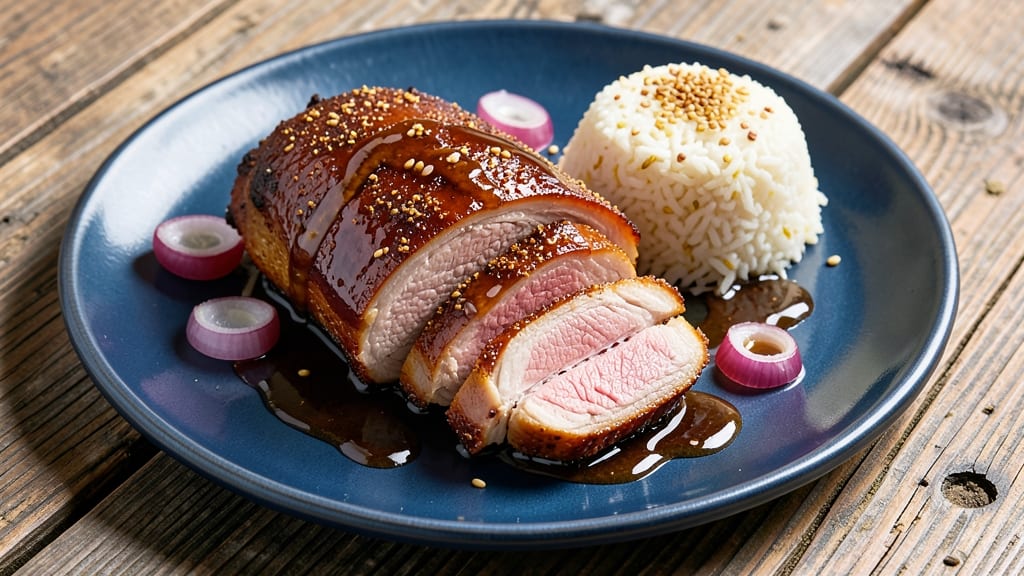
This Blue Apron pork roast recipe delivers restaurant-quality depth with a fragrant five-spice crust and sticky tamarind glaze that transforms a simple roast into a showstopper. 🔥 The secret lies in dry-brining overnight—my foolproof method for juicy, tender meat that falls apart with minimal effort.
I've cooked thousands of pounds of pork, and this technique never fails to impress. What sets this apart is the balance of traditional methods with modern convenience.
We start with a dry brine that enhances natural flavors, then create a crust packed with warming spices before finishing with a tangy tamarind glaze that caramelizes beautifully. The result is pork with crispy edges, melt-in-your-mouth texture, and layers of complex flavor that'll have everyone asking for seconds.
By the time you're done, you'll have a perfectly golden roast with a glossy glaze that's both sweet and tangy, cutting through the richness of the meat. The five-spice crust adds aromatic depth that lingers long after the first bite.
This is the kind of pork roast that elevates weeknight dinners into special occasions without requiring hours in the kitchen. Serve with roasted root vegetables or a crisp green salad to balance the richness. The leftovers reheat beautifully too—ideal for meal prep. Let's get cooking!
Ingredients for blue apron pork roast
Six ingredients transform simple pork into a restaurant-worthy showstopper.
| Ingredient | Amount | Notes |
|---|---|---|
| Pork Shoulder Roast 🐖 | 4 lb | Bone-in, well-marbled preferred |
| Kosher Salt 🧂 | ½ cup | Diamond Crystal preferred |
| Five-Spice Powder 🌶️ | 2 tbsp | Homemade or store-bought blend |
| Ground Black Pepper 🌶️ | 1 tbsp | Freshly cracked preferred |
| Tamarind Paste 🍯 | ½ cup | Or 1/4 cup tamarind concentrate |
| Honey 🍯 | ¼ cup | Wildflower preferred |
| Soy Sauce 🍶 | ¼ cup | Low-sodium preferred |
| Garlic Cloves 🧄 | 6 cloves | Peeled, smashed |
| Fresh Ginger 🌿 | ½ cup | Grated, peeled |
| Olive Oil 🫒 | ¼ cup | Extra-virgin for richness |
| Carrots 🥕 | 2 lb | Whole, peeled |
| Yellow Onions 🧅 | 2 whole | Peeled, quartered |
| Fresh Rosemary 🌿 | ¼ cup | Chopped, stems removed |
| Fresh Thyme 🌿 | ⅛ cup | Leaves only |
The pork shoulder is the star here—bone-in, well-marbled roasts stay juicier. Costco or local butchers usually have the best cuts, but any grocery store with a meat counter will have a decent option. Look for good fat marbling—it's what keeps the meat tender. If you can't find a whole roast, two 2-lb pork shoulder cuts work too. The five-spice powder is crucial; Penzeys or Trader Joe's carry good blends, but you can mix cinnamon, star anise, cloves, fennel, and Szechuan peppercorn yourself if you're feeling ambitious.
No tamarind paste? Substitute 1/4 cup orange juice plus 1 tbsp molasses—it won't be identical but works in a pinch. Fresh ginger is ideal, but ground ginger at half the amount gets you close. The honey should be wildflower or clover—avoid that super-processed grocery store stuff. For the glaze, you can make it ahead and store it in the fridge for up to 2 weeks. The carrots and onions? Baby carrots or frozen chopped onions save prep time without sacrificing flavor. And if you're short on fresh herbs, dried rosemary and thyme at one-third the amount work just fine.
The dry-brined pork keeps 3-4 days in the fridge—use it within that time for best results. The glaze can be made a day ahead and reheated gently. Once roasted, the pork stays tender for 3-4 days in the fridge, perfect for meal prep. I always portion the leftovers into containers so lunches are ready to go. The glaze reheats beautifully too—just warm it in a small saucepan with a splash of water if it thickens.
Why You'll Love This Recipe
- Five-Spice Magic: I swear by that jar of five-spice powder—it’s the secret weapon here. The warmth of star anise, cinnamon, and clove clings to the pork like a hug, while the tamarind paste adds this tangy depth that cuts through the richness. Honestly? It’s the kind of flavor that makes you want to lick the plate.
- One-Pan, Zero Stress: Between us, I’ve burned more than one pork roast trying to get it perfect. This recipe? Just rub the spices, sear it, and let the oven do the work. No basting, no fuss—just a hands-off, foolproof method that still delivers restaurant-quality results.
- Leftovers That Beg for More: The pork shoulder gets tender and falls apart, so you’ll end up with enough for lunch the next day. I’ll be real: my kids actually ask for it cold in sandwiches, and it’s still delicious. That’s a win for anyone who hates meal planning.
- Budget-Friendly Crowd-Pleaser: Pork shoulder is cheap, and this recipe stretches it far—perfect for gatherings or when you’re feeding a house full of people. Plus, the spices cost pennies but make it taste like you slaved over it. My secret weapon for potlucks and lazy Sundays.
Step-by-step instructions for Blue Apron pork roast
Here's how to transform a simple pork shoulder into a showstopping centerpiece.
👨🍳 Step 1: Build the Five-Spice Crust
In a small bowl, whisk together the 0.5 cup kosher salt, 2 tbsp five-spice powder, and 1 tbsp ground black pepper. This aromatic blend forms the foundation of our crust. I like to press it firmly into the meat so it adheres well—think of it like seasoning armor that'll protect and flavor the pork as it cooks.
Pat the 4 lb pork shoulder roast completely dry with paper towels, then rub the spice mixture all over, including inside the cavity. Let it sit uncovered on a wire rack in the refrigerator for 12 hours (or overnight). This resting period allows the salt to penetrate deeply and the spices to develop their full flavor. The meat should feel firmer and drier to the touch after this time.
🔥 Step 2: Sear and Sear Again for Maximum Crust
Preheat your oven to 325°F. Heat 2 tbsp olive oil in a large Dutch oven over medium-high heat. Place the pork shoulder fat-side down and sear for 8-10 minutes until the fat is golden brown and crispy. Flip and sear the other sides for another 5-6 minutes, pressing down gently with a spatula during the first minute to prevent curling.
Transfer the seared pork to a plate and let it rest for 10 minutes. Meanwhile, heat another 2 tbsp olive oil in the same Dutch oven and sear the 2 whole yellow onions and 2 lb carrots (cut into chunks) for 5 minutes until lightly browned. This step builds deep flavor that'll infuse the pork as it cooks.
🥘 Step 3: Layer and Roast with Aromatics
Return the pork to the Dutch oven and surround it with the seared vegetables. Add 0.25 cup chopped fresh rosemary and 0.125 cup fresh thyme to the pot. Pour in 0.25 cup olive oil (the remaining amount) and enough water to come about halfway up the sides of the pork—this creates a steam bath that keeps everything moist.
Cover the Dutch oven tightly with a lid and transfer to the preheated oven. Roast for 3 hours, then remove the lid and increase the oven temperature to 375°F. Continue roasting uncovered for another 1-2 hours until the internal temperature reaches 195-203°F and the meat is fork-tender. You'll know it's ready when the meat pulls apart easily and the juices run clear.
🍳 Step 4: Create the Tamarind Glaze
While the pork roasts, make the glaze by combining 0.5 cup tamarind paste, 0.25 cup honey, 0.25 cup soy sauce, 6 smashed garlic cloves, and 0.5 cup grated fresh ginger in a saucepan. Bring to a simmer over medium heat and cook for 10-12 minutes until thickened and reduced by about half. The mixture should coat the back of a spoon and have a glossy sheen.
Strain the glaze through a fine-mesh sieve to remove any lumps, then return it to the saucepan. Keep it warm over low heat until ready to use. This glaze adds a perfect balance of sweet, tangy, and umami flavors that complement the rich pork beautifully.
🍽️ Step 5: Glaze and Rest for Juicy Perfection
Remove the pork from the oven and let it rest for 30 minutes before slicing. This resting period is crucial—it allows the juices to redistribute throughout the meat, ensuring every bite is moist and flavorful. While it rests, brush the tamarind glaze generously over the top of the pork, letting it pool in the juices.
Slice the pork against the grain into ½-inch thick pieces and serve with the glaze drizzled over the top. The result should be a pork roast with a perfectly crispy exterior, tender interior, and a glossy, flavorful glaze that ties all the elements together. Serve with the roasted vegetables and any pan juices from the Dutch oven for a complete meal.
Pro Tips For Making Blue Apron Pork Roast
- Salt the Roast First: Dump a heaping tablespoon of kosher salt on the pork shoulder before you sear it—this seasoning gets locked in during the initial crust. I used to salt after searing, and the flavor stayed too close to the surface.
- Whisk the Tamarind Paste: Thin that tamarind paste with equal parts water before adding it to the pan—this prevents clumping and ensures it dissolves smoothly. I learned this the hard way when my sauce turned into a sticky glob.
- Sear on High Heat: Crank your burner to maximum and sear the pork shoulder until it’s deep brown, not just light golden—this builds flavor and texture. Skimp here, and your roast will taste underwhelming.
- Rest Under Foil: After roasting, tent the pork with foil for 10 minutes before slicing—this keeps it juicy. I used to skip this, and the meat would dry out by the time I got to serving.
Wine and beer pairings for this blue apron pork roast
Red Wine Pairings
For this five-spice and tamarind-infused pork roast, I reach for a Pinot Noir from Oregon's Willamette Valley—its bright acidity and red fruit notes cut through the richness while complementing the aromatic spices.
The 2021 Domaine Serene is my go-to: its cherry and raspberry flavors mirror the tamarind's tang, while the earthy undertones enhance the pork's depth. 🍷
If you prefer something bolder, try a Syrah from Washington's Yakima Valley. The peppery spice notes in the wine echo the five-spice crust beautifully, while its dark fruit handles the tamarind's sweetness. I especially love Leonetti Cellar's single-vineyard Syrah for its balance and complexity.
Light Beer Options
A crisp German Helles like Weihenstephaner Original provides the perfect contrast—its malty sweetness and subtle hop bitterness cleanse your palate between rich bites. The effervescence also helps reset your taste buds after each mouthful of pork. 🍺
For something more approachable, try a Belgian Witbier like Stella Artois Wit—the coriander and orange peel notes play wonderfully with the tamarind glaze's citrusy tang. The light body won't overpower the dish but adds refreshing contrast.
Malty Beer Pairings
If you prefer darker beers, a Belgian Dubbel like Westmalle Dubbel brings caramel and toasted malt flavors that complement the pork's caramelized edges. The beer's slight sweetness harmonizes with the tamarind glaze while the alcohol's warmth enhances the five-spice crust. 🍺
For a more robust option, try a German Dunkel like Ayinger Altbairisch Dunkel. Its dark malt and chocolate notes create a perfect balance with the pork's richness, while the moderate alcohol content (4.5%) ensures it won't overpower the dish.
Non-Alcoholic Options
Don't overlook sparkling hibiscus tea—it's my secret weapon for non-alcoholic pairings. The tartness of hibiscus tea mirrors the tamarind glaze's acidity, while the bubbles provide the same palate-cleansing effect as beer. I like Tazo Hibiscus Tea for its deep flavor. ✨
For something more substantial, try a ginger beer like Feather Ginger Beer—the ginger's warmth complements the five-spice crust, while the effervescence keeps the experience refreshing. The slight sweetness balances the tamarind's tang beautifully.
Nutrition facts
Frequently asked questions
Can I substitute bone-in pork shoulder for boneless?
Bone-in pork shoulder is ideal for this recipe as the bone adds flavor and helps keep the meat moist during long cooking. If you only have boneless, use a 3 lb cut instead of 4 lb—it'll cook faster and may dry out if overcooked. The five-spice crust and tamarind glaze will still work beautifully, though you might need to reduce the roasting time by 30-45 minutes.
What's the best way to reheat leftovers?
Slice the pork into ½-inch thick pieces and reheat in a skillet with a splash of water or broth over medium-low heat for 5-7 minutes until warmed through. For the glaze, warm it separately in a small saucepan with 1 tbsp water to prevent burning. Reheating slowly keeps the meat tender and the glaze glossy.
Can I make the tamarind glaze ahead of time?
The glaze can be made 1-2 days ahead and stored in an airtight container in the fridge. When ready to use, reheat it gently in a saucepan over low heat until it reaches a smooth, spreadable consistency. If it thickens too much, add 1 tsp water at a time while stirring. The flavors actually improve after resting!
Why is my pork roast tough after cooking?
Tough pork usually means it wasn't rested properly or cooked to the right temperature. Always let the roast rest for 30 minutes before slicing—this allows juices to redistribute. Also, check the internal temperature: it should reach 195-203°F (not 160°F for medium). If you're short on time, try slicing against the grain after cooking to make each bite more tender.
How can I make this recipe more kid-friendly?
Skip the tamarind glaze and use a honey-mustard glaze instead (mix ¼ cup honey with 2 tbsp Dijon mustard and 1 tbsp apple cider vinegar). Also, serve the pork with mild sides like mashed potatoes or steamed green beans. The five-spice crust can be toned down by using only 1 tbsp instead of 2 tbsp—kids might find the full blend too strong.