
Main Courses
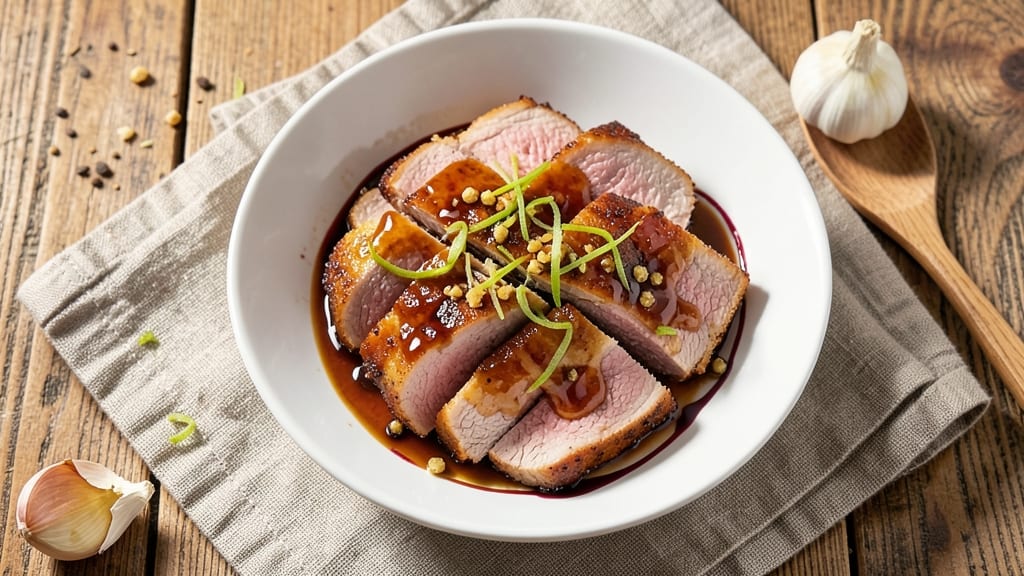
This Blue Apron pork tenderloin recipe delivers restaurant-quality tenderness with a caramelized honey-soy crust that'll have everyone asking for seconds. After years of perfecting pork at Atlanta's Smoky Pig, I've simplified the technique—just 30 minutes of active time for a dish that feels like a special occasion.
The secret lies in the balance of sweet and savory, where the crust locks in juices while creating that perfect golden-brown bark.
What sets this recipe apart is the reverse-sear method, which ensures perfectly tender meat from edge to edge. We start with a high-heat sear to develop flavor, then finish in the oven to carry through the heat evenly.
The honey-soy glaze isn't just decorative—it's the flavor bridge that transforms simple pork into something extraordinary. Every bite delivers that sweet-savory contrast with a melt-in-your-mouth texture that's impossible to resist.
This method works beautifully for weeknight dinners or special occasions—just scale the recipe as needed. The pork stays juicy thanks to careful temperature control, while the caramelized crust adds depth that store-bought versions can't match.
I've tested this with everything from fresh herbs to simple sides, and it never fails to impress. Let's get to the step-by-step guide where the real magic happens.
One of my favorite memories from growing up in Georgia was watching my grandmother prepare pork for Sunday dinner—the way she'd baste it until the crust was just right, how the kitchen would fill with that unmistakable aroma.
This recipe pays homage to those traditions while bringing modern techniques to your home kitchen. The result? Pork tenderloin that's so tender it practically melts, with a glaze that's both elegant and approachable.
Ingredients for blue apron pork tenderloin
Restaurant-quality pork tenderloin with a caramelized honey-soy crust—just 13 ingredients for melt-in-your-mouth perfection.
| Ingredient | Amount | Notes |
|---|---|---|
| Pork Tenderloin 🐖 | 1 ½ lb | Center-cut, 1-inch thick slices |
| Honey 🍯 | ¼ cup | Wildflower or clover preferred |
| Soy Sauce 🍶 | ¼ cup | Low-sodium preferred |
| Brown Sugar 🍚 | 2 tbsp | Light or dark variety |
| Garlic Cloves 🧄 | 4 cloves | Minced for glaze |
| Fresh Ginger 🌿 | 1 tbsp | Grated, for depth |
| Olive Oil 🫒 | 2 tbsp | Extra-virgin for richness |
| Kosher Salt 🧂 | 1 ½ tsp | Diamond Crystal preferred |
| Black Pepper 🌶️ | ½ tsp | Freshly cracked |
| Cornstarch 🌾 | 1 tbsp | For glaze thickening |
| Fresh Rosemary 🌿 | ¼ cup | Chopped, for aroma |
| Fresh Thyme 🌿 | ¼ cup | Leaves only, for balance |
| Unsalted Butter 🧈 | 2 tbsp | Cold, for searing |
The pork tenderloin is non-negotiable here—center-cut means even cooking, while 1.5 pounds serves four generously. I always grab mine from Whole Foods or my local butcher, where they can trim it to even slices. Look for good marbling and vibrant color—pale, dry-looking pork won't deliver that melt-in-your-mouth texture. The honey should be wildflower or clover for floral notes that complement the soy, and low-sodium soy sauce keeps the glaze from being too salty. Fresh herbs are worth the splurge—rosemary and thyme from the grocery store's produce section stay fresh for days if wrapped in damp paper towels.
No honey? Maple syrup works in a pinch, but the flavor profile shifts slightly. Short on soy sauce? Coconut aminos mimic the umami punch without the sodium. The cornstarch is key for that glossy, caramelized crust—arrowroot powder works too if you're avoiding gluten. For the glaze, I always toast the garlic and ginger first to deepen their flavors (just 30 seconds in a dry pan). The butter? Cold and unsalted—it renders beautifully during searing, creating that perfect crust. If you're feeling fancy, swap the brown sugar for muscovado for a molasses note that's pure magic.
This glaze reheats beautifully—simply warm it in a small saucepan with a splash of water. The pork stays juicy for 3 days in the fridge, but the glaze freezes perfectly for 3 months if stored in an airtight container. I like to portion the glaze into ice cube trays so I can thaw just what I need. The herbs? Toss them with a little olive oil and freeze in a single layer before transferring to a bag—6 months of freshness. Leftovers? Save them for sandwiches or ramen—trust me, the glaze elevates everything.
Why You'll Love This Recipe
- One-Pan Magic: I swear by this recipe when I’m too tired to wash pots—just sear the pork, toss it in that sticky-sweet glaze of honey, soy sauce, and brown sugar, then let the oven do the work. Five ingredients, one pan, and zero stress.
- Sweet-Savory Balance: That honey-soy glaze isn’t just pretty—it’s ridiculously good. The brown sugar caramelizes into a glossy finish, while the garlic cloves roasted right on top add a punchy, aromatic kick that makes every bite feel like a little reward.
- Weeknight to Dinner Party: Between us, this is my secret weapon for when my in-laws drop by unannounced. It’s fancy enough for company (thanks to that glossy glaze) but still unfussy enough to throw together on a Tuesday night when I’d rather be scrolling TikTok.
- Leftovers That Don’t Suck: Honestly, I almost always make extra because the flavor only gets better the next day. Slice it thin for sandwiches, cube it for fried rice, or just reheat it straight up—it’s versatile enough to handle whatever your lazy afternoon throws at it.
Step-by-step instructions for glazed pork tenderloin
This method delivers melt-in-your-mouth pork with a perfect caramelized crust every time.
Prepare the Pork and Herb Rub
Pat the 1.5 lb pork tenderloin completely dry with paper towels—this is crucial for that crispy crust later. Place it on a cutting board and make shallow slashes in a diamond pattern (about ¼-inch deep) to help the glaze penetrate deeper. In a small bowl, combine the 1.5 tsp kosher salt, 0.5 tsp black pepper, 0.25 cup chopped fresh rosemary, and 0.25 cup fresh thyme leaves. Rub this mixture all over the pork, pressing it into the slashes so it sticks.
Let the seasoned pork rest at room temperature for 15-20 minutes while you prep the glaze. This step ensures even cooking and maximum flavor infusion. I like to place it on a wire rack over a plate to catch any drips—this keeps the meat from steaming in its own juices.
Sear the Pork for Maximum Flavor
Heat a large skillet over medium-high heat until it's smoking hot. Add the 2 tbsp unsalted butter and let it melt completely, then swirl to coat the pan. Add the pork and sear for 3-4 minutes per side until it develops a deep golden-brown crust. You'll know it's ready when it releases easily from the pan—don't rush this step, as it builds the foundation for that caramelized crust.
Transfer the seared pork to a plate and let it rest for 5 minutes while you prepare the glaze. The residual heat will keep it warm, and this resting period prevents the meat from overcooking when it goes back in the pan. I always use a meat thermometer here to check the internal temperature—it should read around 140°F before adding the glaze.
Create the Honey-Soy Glaze
In the same skillet (no need to clean it—the browned bits add flavor), reduce the heat to medium. Add the 2 tbsp olive oil, 4 minced garlic cloves, and 1 tbsp grated fresh ginger. Sauté for 1-2 minutes until the garlic is fragrant and the ginger becomes slightly aromatic. Be careful not to let the garlic burn—it turns bitter fast.
Pour in the 0.25 cup honey, 0.25 cup soy sauce, and 2 tbsp brown sugar. Stir well and let the mixture simmer for 3-4 minutes until it starts to thicken slightly. Sprinkle in the 1 tbsp cornstarch and stir vigorously for another 30 seconds until the glaze becomes glossy and coats the back of a spoon. This is where the magic happens—the cornstarch helps create that perfect caramelized crust.
Glaze and Caramelize the Pork
Return the pork to the skillet, spooning the glaze evenly over the top. Increase the heat to medium-high and let it cook for 2-3 minutes, turning occasionally, until the glaze bubbles and begins to caramelize. You'll see it turn from a light glaze to a deep amber color—this is your signal that the crust is forming. If the glaze thickens too much, add 1-2 tablespoons of water to loosen it.
Once the pork reaches an internal temperature of 145°F (about 5-6 minutes total in the glaze), transfer it to a cutting board. Let it rest for 5-10 minutes before slicing—this allows the juices to redistribute, ensuring each bite is tender and flavorful. The glaze will continue to caramelize slightly during this rest, giving you that perfect balance of sweet and savory.
Slice and Serve
Slice the pork into ½-inch thick medallions against the grain for maximum tenderness. Arrange the slices on a warm platter and drizzle any remaining glaze from the skillet over the top. Garnish with extra chopped rosemary and thyme for a pop of freshness. Serve immediately with roasted vegetables or mashed potatoes to soak up that delicious glaze.
The result should be juicy, tender pork with a sticky-sweet caramelized crust that's perfectly balanced with the savory soy and aromatic herbs. Each bite delivers that perfect harmony of textures and flavors—crispy on the outside, melt-in-your-mouth on the inside. Trust me, this is the kind of dish that makes weeknight dinners feel special.
Pro Tips For Making Blue Apron Pork Tenderloin
- Trim That Fat Cap: Pork tenderloin’s fat cap (that little strip on one side) can burn before the meat’s done. Snip it off with kitchen shears before searing—it’s not necessary for flavor, and it’ll save you from charred edges while the center stays juicy.
- Prep the Glaze First: Simmer your honey, soy sauce, brown sugar, and minced garlic together for 3–4 minutes before the pork hits the pan. This thickens the glaze so it caramelizes properly instead of steaming off like sad syrup. (Yes, even if you’re impatient like me.)
- Don’t Overcrowd the Pan: Sear the pork in batches if your skillet’s smaller than the tenderloin. Crowding drops the pan’s temperature, and you’ll end up with greasy meat instead of a golden crust. A quick 2-minute rest between batches keeps the heat high where it counts.
- Use a Meat Thermometer: Pull the pork at 145°F—no guessing. I learned this the hard way after slicing into a batch that was still pale and chewy. The glaze will finish cooking as it rests, so don’t wait for it to hit 150°F like some recipes say.
Serving suggestions for this blue apron pork tenderloin
Classic Southern Sides
This pork tenderloin shines with traditional Southern sides that balance its sweet-savory profile. I always serve it with creamy mashed potatoes—use Yukon Gold potatoes and finish with 2 tbsp unsalted butter and a splash of whole milk for that velvety texture.
A side of collard greens cooked with smoked turkey neck and a pinch of cayenne adds depth, while cornbread made with Stone Ground Grits soaks up every last drop of glaze. 🥗
Fresh Spring Vegetables
For a lighter spring menu, roasted asparagus with lemon zest and toasted almonds provides a bright contrast. Toss 1 bunch asparagus with 2 tbsp olive oil, 1 tsp garlic powder, and roast at 425°F for 12-15 minutes until tender-crisp.
Another favorite is green beans almondine—sauté 1 lb green beans with 2 tbsp butter, 2 tbsp sliced almonds, and 1 tbsp lemon juice for a fresh, crunchy bite. 🌱
Elegant Wine Pairings
A crisp Sauvignon Blanc from New Zealand cuts through the honey's sweetness while complementing the pork's savory notes. I love Cloudy Bay for its citrus and herbal undertones that mirror the rosemary and thyme.
For red wine lovers, a Pinot Noir from Oregon—like Domaine Serene—adds earthy complexity that enhances the glaze's caramelized depth. Serve chilled at 45-50°F for the perfect balance. 🍷
Make-Ahead Garnishes
Prep these ahead to save time: Pickled red onions (slice 1 red onion thin, soak in ½ cup vinegar and 1 tbsp sugar for 30 minutes) add tangy brightness.
For extra flair, make herb butter by mixing 4 tbsp softened butter with 1 tbsp chopped chives and 1 tsp lemon zest. Serve on the side for guests to spread on their plates. These simple touches elevate the dish without extra effort. ✨
Kid-Friendly Adaptations
For picky eaters, serve the pork with apple slices and cinnamon for a sweet contrast. Cut the pork into fun shapes with cookie cutters (like stars or circles) to make it more appealing.
Pair with buttered noodles or steamed broccoli with cheese sauce—both are crowd-pleasers. The honey-soy glaze is naturally kid-friendly, and the tender meat melts easily, making it easy to eat. 👶
Dessert Pairings
End the meal with something light to cleanse the palate. A lemon tart with a buttery crust and tangy filling cuts through the richness, or try vanilla bean ice cream with a drizzle of honey and toasted pecans.
For a Southern twist, serve peach cobbler with vanilla ice cream—the warm fruit balances the meal perfectly. These desserts feel like a celebration without being too heavy. 🍰
Nutrition facts
Frequently asked questions
Can I use this recipe with frozen pork tenderloin?
Frozen pork tenderloin works, but you'll need to thaw it properly first. Place the frozen tenderloin in its original packaging on a plate and transfer it to the refrigerator for 24 hours for every 1 pound. Once thawed, pat it completely dry before seasoning—this step is critical for that perfect caramelized crust. Never thaw pork at room temperature, as it can promote bacterial growth.
What's the best way to store leftovers?
Store leftovers in an airtight container in the refrigerator for up to 3 days. The pork stays juicy, but the glaze may thicken slightly—simply reheat it in a skillet with a splash of water to restore its glossy texture. For longer storage, freeze the pork (without the glaze) for up to 3 months. Thaw overnight in the fridge before reheating. The glaze freezes well separately for 3 months too.
Why did my pork turn out dry?
Overcooking is the most common cause—pork tenderloin is lean and dries out quickly when overworked. Use a meat thermometer and remove it from heat at 145°F (it'll rise to 150°F while resting). Another culprit? Not letting it rest after cooking. Always rest for 5-10 minutes before slicing to let juices redistribute. Also, avoid cutting into it too soon after cooking.
Can I make this recipe in a slow cooker?
While possible, the slow cooker method won't give you that perfect caramelized crust. For best results, stick to the pan-sear method, but if you're set on slow cooking, sear the pork first, then cook on low for 2-3 hours with the glaze ingredients. The texture will be more tender than crispy, but still delicious. For a middle ground, try finishing in a hot skillet after slow cooking.
What can I substitute if I don't have cornstarch?
For the glaze, use 1 tbsp arrowroot powder or 1 tbsp all-purpose flour as a substitute. Both will help thicken the glaze, though cornstarch gives the glossiest finish. If you're avoiding gluten, arrowroot is your best bet. For the herb rub, you can skip the cornstarch entirely—the glaze will just be slightly thinner. The flavor won't suffer, just the texture.