
Main Courses
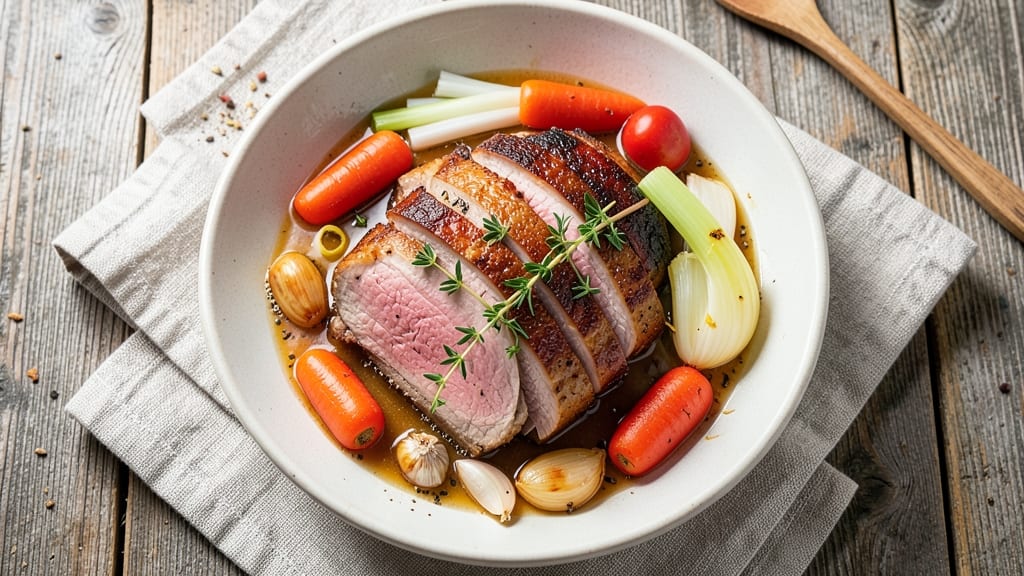
This boiled pork roast recipe transforms tough cuts into melt-in-your-mouth perfection through slow, gentle cooking—just like my grandmother used to make. The secret lies in low-and-slow simmering with aromatic herbs, which infuses every fiber with rich, savory depth.
I've perfected this technique over years of cooking for large gatherings, ensuring the meat stays juicy and tender while developing complex flavors.
The process begins with selecting the right cut—a well-marbled shoulder or butt roast—and preparing it with a simple herb blend of thyme, bay leaves, and black peppercorns. As it simmers in broth for hours, the connective tissue breaks down, creating that signature silky texture that defines this dish.
Unlike roasting, boiling preserves moisture while allowing flavors to meld seamlessly.
What you'll end up with is pork so tender it nearly falls apart at the touch, infused with fragrant herbs and a deep, savory broth. The result is a dish that feels both rustic and refined—ideal for family dinners or special occasions.
Once you try this method, you'll never cook pork any other way.
This recipe works beautifully with classic sides like creamy mac and cheese or roasted root vegetables. The leftovers reheat perfectly, making it a practical choice for meal prep. Let's get started on creating your most flavorful boiled pork yet.
Ingredients for boiled pork roast
Six aromatic ingredients and two hours transform tough pork into melt-in-your-mouth perfection.
| Ingredient | Amount | Notes |
|---|---|---|
| Pork Shoulder Roast 🐖 | 4 lb | Well-marbled, bone-in preferred |
| Yellow Onion 🧅 | 1 whole | Peeled, quartered for broth |
| Carrots 🥕 | 4 medium | Whole, unpeeled for color |
| Celery Stalks 🌿 | 4 whole | Trimmed, cut into chunks |
| Garlic Cloves 🧄 | 6 cloves | Smashed, not minced |
| Fresh Thyme Sprigs 🌿 | 4 whole | Stems intact for easy removal |
| Bay Leaves 🍃 | 2 whole | Dried, standard size |
| Black Peppercorns 🌶️ | 1 tbsp | Crushed lightly, not ground |
| Salt 🧂 | 1 ½ tbsp | Diamond Crystal preferred |
| Beef Broth 💧 | 8 cups | Low-sodium preferred |
| Water 💧 | 4 cups | Filtered preferred |
| Apple Cider Vinegar 🍏 | 1 tbsp | For brightness |
| Fresh Parsley 🌿 | ¼ cup | Chopped, for garnish |
The pork cut matters most here—pork shoulder or butt roast with good marbling is non-negotiable. Look for cuts with visible fat between the muscles at Costco or local butcher shops, where they'll often trim it to your preference. If buying pre-cut, check for the 'self-basting' label—it means extra fat for flavor. The herbs? Fresh thyme and bay leaves from the bulk section at Whole Foods or Trader Joe's have the best aroma, but dried works in a pinch. Just don't skip the peppercorns—crushing them lightly releases oils that infuse the broth.
No beef broth? Chicken broth with an extra bay leaf works, though the flavor won't be identical. Fresh thyme short on thyme? Dried at one-third the amount plus a pinch of lemon zest for brightness. The carrots and celery can be swapped for turnips or leeks if you're feeling adventurous. Apple cider vinegar giving you pause? White vinegar at half the amount does the job, though it lacks the fruity note. For the pork itself, if you can't find a 4-pound roast, two 2-pound cuts will work—just adjust cooking time accordingly.
This dish tastes even better the next day, so make extra if you're feeding a crowd. Store the pork and broth separately—pork in the fridge for up to 4 days or freeze for 3 months in portions. The broth? It keeps for 5 days refrigerated or 6 months frozen. I always save half the broth to make gravy later—just strain it through a fine-mesh sieve. The herbs? Toss the used sprigs in the compost bin, but save the bay leaves for your next pot of beans.
Why You'll Love This Recipe
- Here’s what sold me: this roast is perfect for meal prep. Slice it up, toss with some rice or mashed potatoes, and you’ve got a week’s worth of hearty lunches. My kids actually eat it cold in wraps—no complaints, just empty plates.
- One-Pot Magic: I swear by this recipe when I’m too tired to juggle a million pans—just dump everything in a big pot, add water, and let it simmer. The onions, carrots, and celery (that classic trio!) soften into perfect bite-sized pieces without any extra work.
- Deep, Savory Richness: Between us, boiled pork shoulder isn’t fancy, but this version hits different. The garlic cloves and onions infuse the meat so well, you get that warm, aromatic depth that makes it taste like it’s been slow-cooked all day—even if it’s just an hour.
- Lunchbox Hero: Here’s what sold me: this roast is perfect for meal prep. Slice it up, toss with some rice or mashed potatoes, and you’ve got a week’s worth of hearty lunches. My kids actually eat it cold in wraps—no complaints, just empty plates.
Step-by-step instructions for boiled pork roast with herb infusion
Here's how to transform tough pork shoulder into melt-in-your-mouth perfection through gentle cooking.
Prepare the Pork and Aromatics for Maximum Flavor
Begin by trimming any excess fat from the 4 lb pork shoulder roast, leaving about ¼ inch for moisture during cooking. Pat the meat thoroughly with paper towels to remove surface moisture—this ensures better seasoning penetration and prevents the broth from turning cloudy. In a small bowl, combine the 1.5 tbsp salt and 1 tbsp lightly crushed black peppercorns. Rub this mixture all over the pork, pressing firmly into the crevices and edges.
While the pork rests at room temperature for 30 minutes (critical for even cooking), prepare the aromatic vegetables. Peel and quarter the 1 whole yellow onion, leaving the root end intact to prevent disintegration. Trim the 4 whole celery stalks into 2-inch chunks, and cut the 4 medium carrots into 3-inch lengths. Slightly smash the 6 cloves garlic with the side of your knife to release their flavor without mincing them into oblivion. The stems of the 4 whole fresh thyme sprigs and 2 whole bay leaves will remain intact for easy removal later.
Build the Herb-Infused Broth Foundation
In a large Dutch oven or heavy pot with a lid, combine the 8 cups beef broth and 4 cups water. Add the apple cider vinegar and bring to a gentle simmer over medium heat. Here's where the magic happens: add the onion, celery, carrots, garlic cloves, thyme sprigs, and bay leaves. Let this aromatic bundle simmer uncovered for 15 minutes—the longer they steep, the deeper the flavor. You'll notice the broth develop a rich golden hue and an irresistible herbal aroma that fills your kitchen.
While the broth infuses, prepare your pork for cooking. The key here is to prevent the meat from boiling vigorously, which would make it tough. Instead, we want a gentle, controlled simmer that transforms connective tissue into silky texture. This is why we're building our flavor base first—it ensures every bite is bursting with herbaceous notes.
Cook the Pork Low and Slow for Tender Perfection
Carefully lower the seasoned pork shoulder into the simmering broth using a slotted spoon or tongs. The meat should be fully submerged—if not, add enough hot water to cover it completely. Bring the liquid back to a gentle simmer (small bubbles breaking the surface, not a rolling boil) and immediately reduce heat to maintain this temperature. Cover tightly with the lid and let it cook for 2 hours.
After 2 hours, check for doneness by inserting a meat thermometer into the thickest part of the pork (avoiding bone). It should read between 195-205°F. If it's not there yet, return to the simmer and cook another 30-45 minutes. The pork will continue cooking slightly after removal, so don't worry if it's not quite at temperature yet. What matters most is that the meat is fork-tender and pulls apart easily. The broth should now be rich, deeply flavored, and reduced by about 25% from its original volume.
Rest and Shred for Maximum Juiciness
Once the pork reaches the proper temperature, remove it from the broth and transfer to a clean cutting board. Tent loosely with aluminum foil and let it rest for 15-20 minutes. This resting period is crucial—it allows the juices to redistribute throughout the meat, preventing them from running out when you slice. During this time, carefully remove and discard the thyme sprigs and bay leaves from the broth using tongs. Strain the broth if you prefer a smoother texture, or leave it as-is for a rustic presentation.
Using two forks, gently shred the pork against the grain into bite-sized pieces. The meat should pull apart effortlessly, revealing its silky, melt-in-your-mouth texture. Taste the broth and adjust seasoning if needed—you might want to add a pinch more salt or a splash of apple cider vinegar for brightness. The pork will absorb some of this liquid as it rests, so don't be shy about using it generously when serving.
Serve with Herb-Infused Broth and Garnish
To serve, arrange the shredded pork on a platter and ladle the warm herb-infused broth over the top. The broth should coat the pork beautifully, creating a visual feast that matches the flavor experience. Sprinkle the ¼ cup chopped fresh parsley over everything just before serving—this adds a pop of color and freshness that brightens the dish. The parsley should be finely chopped so it distributes evenly and doesn't overwhelm the plate.
This boiled pork roast makes for an impressive centerpiece that's perfect for family dinners or special occasions. The silky texture and fragrant herb infusion come together in every bite, making it a dish that feels both comforting and sophisticated. Serve with crusty bread to soak up all that delicious broth, or pair with roasted vegetables for a complete meal.
Pro Tips For Making Boiled Pork Roast
- USE A LARGE POT: Boiled pork shoulder needs room to move—don’t crowd it. A pot that’s too small means uneven cooking and a watery broth. If your roast is big, start with 4–6 inches of water and trim the veggies to fit snugly, not stuffed in like a sardine.
- PEEL AND ROUGH-CHOP VEGETABLES: No need for fancy dicing—just peel the carrots and cut them into 2-inch chunks, and halve the celery stalks lengthwise. The onions can stay whole or quartered; garlic cloves get smashed (not minced). The goal is flavor, not presentation, and this saves time without sacrificing taste.
- SKIP THE BOILING START: Bring the water to a gentle simmer before adding the pork—boiling water cooks the outside too fast, sealing in juices unevenly. Once the water’s just shimmering, lower in the roast and veggies. This keeps the meat tender and the broth clear.
- SALT THE WATER LIGHTLY: A pinch of salt in the water (about 1 teaspoon per quart) enhances the pork without overpowering it. Too much makes the meat taste bland later. If you’re using a bouquet garni or herbs, add them now—they’ll steep gently and infuse the broth without turning it bitter.
Wine and beer pairings for these flavors
Classic Southern Reds
For this rich, herb-infused pork, I always reach for a bold Southern red wine that can stand up to the deep flavors. A Cabernet Sauvignon from Napa Valley—like Caymus Vineyards or Opus One—brings structured tannins and dark fruit notes that complement the thyme and bay leaves beautifully.
The wine's acidity also cuts through the pork's natural richness, balancing every bite. 🍷
Light-Bodied Whites
If you prefer white wine, a dry Riesling from Germany—such as Dr. Loosen Blue Slate—works wonders. The wine's crisp acidity and subtle mineral notes enhance the herbaceous qualities of the broth while keeping the palate fresh.
For a more local option, try a Sauvignon Blanc from Georgia, like Pebble Hill's, which adds a citrusy brightness that pairs perfectly with the apple cider vinegar in the recipe.
Craft Beer Pairings
Beer lovers shouldn’t miss out—this dish pairs beautifully with a wheat beer or Belgian ale. A Belgian Witbier like Hoegaarden brings a refreshing citrus and coriander note that contrasts the pork's savory depth.
For something heartier, a German Helles—such as Weihenstephaner Original—offers a malty sweetness that harmonizes with the caramelized flavors of the slow-cooked pork. 🍺
Cider and Hard Seltzers
If you’re serving this at a casual gathering, a dry hard cider like Angry Orchard Crisp Apple adds a crisp, fruity contrast. The apple notes echo the vinegar in the broth, creating a cohesive flavor experience.
For a non-alcoholic option, a sparkling hard seltzer with a hint of citrus—like Spindrift Lemon-Lime—keeps the dish feeling refreshing without overpowering the pork's natural flavors.
Regional Wine Deep Dive
Growing up in Georgia, I learned that local wines often elevate Southern dishes best. A Albany, GA Chardonnay from Chateau Elan has enough body to handle the pork’s richness while offering a buttery finish that feels right at home.
For a true Charleston touch, try a Muller-Thurgau from nearby vineyards—its floral notes and gentle acidity make it a hidden gem for this recipe.
Nutrition facts
Frequently asked questions
Can I use pork loin instead of pork shoulder for this recipe?
Pork loin is leaner and cooks much faster than pork shoulder—it won't develop the same silky texture. For best results, stick with pork shoulder or butt roast (the cuts used in traditional boiled pork dishes). If you must use loin, cook it for only 1 hour at 165°F internal temp, but expect a firmer texture. The broth method works best with cuts that have connective tissue to break down.
Why does my boiled pork come out dry or tough?
This usually happens when the broth boils too vigorously or the meat isn't fully submerged. Maintain a gentle simmer (small bubbles) and ensure the pork is always covered by liquid. Another common mistake is removing the pork too soon—it should reach 195-205°F for maximum tenderness. Also, never skip the 15-20 minute rest before shredding.
How can I make this recipe faster without a pressure cooker?
For quicker results, try the "reverse sear" method: Cook the pork in the oven at 275°F for 2.5 hours (covered with foil), then sear in a hot pan for 2 minutes per side. This mimics the slow breakdown of boiling while cutting time. The broth can still be made separately and combined at the end. For even faster prep, use pre-made beef broth and skip the 15-minute aromatics steep.
What's the best way to use leftover boiled pork?
Leftover pork transforms beautifully into pulled pork sandwiches, tacos, or fried rice. For sandwiches, shred the pork and mix with 1 tbsp apple cider vinegar and 1 tsp smoked paprika for depth. For tacos, serve with pickled onions and avocado. The broth freezes well too—strain it and use it later for soups or gravy. Store pork in the fridge for 4 days or freeze for 3 months.
Can I substitute beef broth with chicken broth?
Yes, but the flavor will be lighter. For best results, use chicken broth plus 1 extra bay leaf and ½ tsp liquid smoke to mimic beef's depth. If using low-sodium broth, add ½ tsp salt to the broth. For maximum richness, combine 6 cups chicken broth with 2 cups beef broth. The pork's flavor will still shine through, but the broth's character will be more pronounced.