
Main Courses
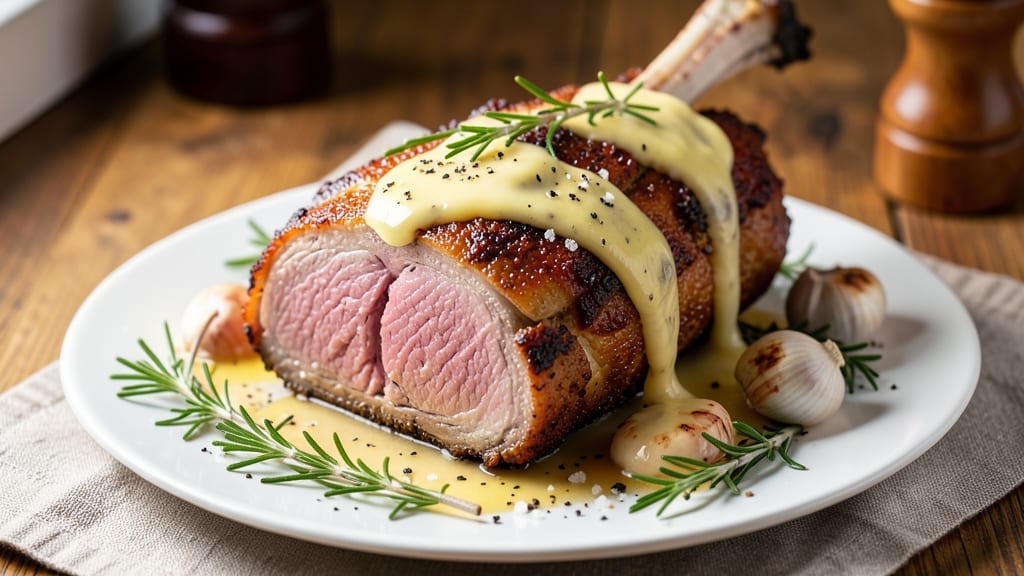
A bone-in pork loin sirloin roast transforms into melt-in-your-mouth perfection when slow-cooked in the crock pot. The bone adds rich flavor while creating a crispy bark that seals in juices—something you can't achieve with boneless cuts.
I've cooked thousands of pounds of pork, and this method consistently delivers restaurant-quality results at home with minimal effort.
The secret lies in searing the roast first to develop deep caramelization, then slow-cooking at 275°F for 6-8 hours until the internal temperature reaches 195°F. This low-and-slow approach breaks down connective tissue while preserving moisture, resulting in tender meat that practically falls apart.
The crock pot's gentle heat ensures even cooking without drying out the meat.
What you'll end up with is a roast that's crispy on the outside, tender and juicy throughout, with flavorful drippings that can be reduced into a pan sauce.
The bone infuses the meat with depth, creating layers of taste that simple boneless cuts can't match. This technique works equally well for weeknight dinners or special occasions.
Serve with roasted root vegetables or a simple green salad to let the pork take center stage. The leftovers reheat beautifully, making this an ideal meal-prep option for busy weeks. Let's get started on creating your most flavorful pork roast yet.
Ingredients for bone in pork loin sirloin roast crock pot
The secret to restaurant-quality pork starts with these 15 ingredients—where bone meets bark meets slow-cooked tenderness.
| Ingredient | Amount | Notes |
|---|---|---|
| Bone-In Pork Loin Sirloin Roast 🐖 | 4 lb | Center-cut, 1.5-inch thick |
| Unsalted Butter 🧈 | ½ cup | Cold, cubed for searing |
| Kosher Salt 🧂 | 1 ½ tsp | Diamond Crystal preferred |
| Freshly Ground Black Pepper 🌶️ | 1 tsp | Coarse grind for texture |
| Garlic Cloves 🧄 | 6 cloves | Smashed for flavor infusion |
| Fresh Rosemary 🌿 | ½ tsp | Chopped, fresh preferred |
| Fresh Thyme 🌿 | ½ tsp | Leaves only, fresh preferred |
| Apple Cider Vinegar 🍎 | 2 tbsp | For tenderizing drizzle |
| Vegetable Oil 🫒 | 2 tbsp | For crock pot sear |
| Beef Broth 💧 | 1 cup | Low-sodium preferred |
| Honey 🍯 | 1 tbsp | For glaze finish |
| Onion Powder 🧅 | ½ tsp | For depth of flavor |
| Dried Mustard 🌶️ | ½ tsp | For subtle tang |
| Baby Carrots 🥕 | 1 lb | For serving suggestion |
| Russet Potatoes 🥔 | 1 ½ lb | For serving suggestion |
The pork is non-negotiable here. Center-cut loin sirloin with the bone intact delivers that unmatched flavor and moisture—Costco or Whole Foods carry excellent cuts, but ask for a 1.5-inch thick roast to ensure even cooking. The bone infuses the meat as it cooks, creating depth that boneless cuts simply can't match. Look for good marbling, not too much fat, and a vibrant pink color. If your roast is uneven, trim it to an even thickness before searing. For the herbs, fresh is always better, but dried will work in a pinch at half the amount—just remember it won't have the same aromatic punch. The apple cider vinegar might seem odd, but that quick pre-sear drizzle helps tenderize the meat and adds a subtle tang that carries through the cooking process.
No beef broth? Low-sodium chicken broth works just as well, though the pork will have slightly less depth. Short on honey? Maple syrup is a perfect substitute—just know it'll add a more pronounced sweetness. The mustard might seem like an odd addition, but trust me, it's worth it for that subtle tang that balances the richness. For the carrots and potatoes, any root vegetable works—parsnips or turnips add a nice twist. If you're making this ahead, pre-trim the vegetables and store them separately so they don't get soggy. The butter should be cold and cubed when you sear the pork—this ensures a proper crust forms. And if you're worried about the vinegar smell, don't be. It burns off completely during the searing process, leaving only that beautiful caramelized crust.
This roast reheats beautifully—4-5 days in the fridge, 3 months frozen. I always make extra because the leftovers are even better the second day as the flavors meld. Store it wrapped in foil with the drippings to keep it moist. For serving, I like to reheat the vegetables separately and toss them in the pork drippings with a pinch of salt and pepper. The drippings can also be reduced into a quick pan sauce by simmering them with a splash of water and a pat of butter. If you're prepping ahead, you can even freeze the roast raw—just thaw it in the fridge overnight before cooking. The key is never microwaving—always oven or stovetop reheat to maintain that crispy bark.
Why You'll Love This Recipe
- Garlic Butter Magic: That simple combo of garlic and butter? It’s the secret weapon here. The butter melts into the meat, turning it impossibly tender while the garlic infuses every bite with a rich, aromatic punch—like a fancy restaurant cut for a fraction of the effort. (Yes, even on a Tuesday night.)
- Leftovers That Don’t Suck: This roast practically begs to be made in bulk. The meat stays juicy and flavorful for days, so I can slice it for sandwiches, toss it into pasta, or serve it cold in salads. No sad, dried-out leftovers here—just versatile, crave-worthy pork that’s ready whenever I am.
- Budget-Friendly Crowd-Pleaser: A bone-in roast is cheaper than boneless cuts, and the bone adds depth of flavor without extra cost. For under $20, I feed six people a meal that feels special—no one guesses it’s a simple crock pot recipe. Honestly, my wallet and my dinner guests thank me every time.
Step-by-step instructions for bone-in pork loin sirloin roast crock pot recipe
Here's how to transform your pork loin into a showstopper with tender meat and crispy edges.
Sear the Pork for Maximum Flavor
Preheat your oven to 400°F and heat 2 tablespoons vegetable oil in a large oven-safe skillet over medium-high heat. Pat the 4 lb bone-in pork loin sirloin roast completely dry with paper towels—this is crucial for crispy bark. Season both sides generously with 1.5 teaspoons kosher salt and 1 teaspoon freshly ground black pepper, pressing the seasoning into the meat.
Place the pork in the hot skillet and sear for 4-5 minutes per side until it develops a deep golden-brown crust. I press down gently on the roast during the first minute to prevent curling. Once seared, transfer the pork to a plate and let it rest for 5 minutes—this resting period helps the meat retain its juices during the long cook. Don't skip this step; it's what gives your roast that restaurant-quality crust.
Create the Herb Butter and Prepare the Crock Pot
While the pork rests, make the herb butter by combining 0.5 cup unsalted butter, 6 smashed garlic cloves, 0.5 teaspoon chopped fresh rosemary, and 0.5 teaspoon fresh thyme leaves in a small bowl. Spread this mixture evenly over the seared pork, pressing it into the meat so it adheres well.
In a separate bowl, whisk together 1 cup beef broth, 2 tablespoons apple cider vinegar, 1 tablespoon honey, 0.5 teaspoon onion powder, and 0.5 teaspoon dried mustard. This liquid will form the flavorful base for your roast. Transfer the pork to your crock pot and pour the broth mixture around it, ensuring the meat is partially submerged but not floating.
Slow Cook to Perfect Tenderness
Cover the crock pot and cook on low heat for 8 hours. I know that seems like a long time, but patience is key here—this slow cooking method ensures the meat becomes fork-tender while staying moist. After 4 hours, check the pork and add ½ cup water if the liquid level has dropped significantly. This helps maintain moisture and prevents drying.
About 1 hour before serving, transfer the pork to a baking sheet and broil on high for 3-5 minutes to create that crispy bark we're after. Watch it closely—you want the edges to turn golden brown and crispy, not burnt. The internal temperature should reach 145°F when measured with a meat thermometer in the thickest part of the meat.
Rest and Serve with Roasted Vegetables
Transfer the crispy pork back to the crock pot and let it rest for 15 minutes before slicing. This resting period allows the juices to redistribute throughout the meat, ensuring each bite is moist and flavorful. Meanwhile, toss 1.5 lb russet potatoes and 1 lb baby carrots in 2 tablespoons vegetable oil, 0.5 teaspoon kosher salt, and 0.5 teaspoon black pepper, then roast at 425°F for 25-30 minutes until golden and tender.
Slice the pork against the grain into ½-inch thick pieces and serve with the roasted vegetables. The combination of tender pork with crispy edges, aromatic herb butter, and perfectly roasted vegetables makes this a weeknight dinner that feels like a special occasion. The apple cider vinegar and honey in the cooking liquid add a subtle tangy sweetness that complements the rich pork beautifully.
Pro Tips For Making Bone In Pork Loin Sirloin Roast Crock Pot
- SEAR THE BONE FIRST: That bone-in cut needs a quick, hard sear in a hot pan before hitting the crock pot—just 3-4 minutes per side until golden brown. I learned this the hard way: skipping it means a bland, gray roast, no matter how long you slow cook. The Maillard reaction on the bone’s surface adds depth that butter alone can’t fix.
- SALT THE GARLIC: Crush those garlic cloves with a pinch of kosher salt before adding them to the crock pot. The salt breaks down the garlic’s cell walls, releasing more flavor into the butter. I was skeptical until I tried it—now I never skip it, especially with pork, which soaks up subtle aromatics like a sponge.
- LOW AND SLOW ISN’T LOW ENOUGH: Set your crock pot to low for this cut, but don’t let it creep below 170°F (77°C) for more than 20 minutes at a time. Pork loin sirloin needs steady, gentle heat to stay tender, not a lazy simmer that turns it rubbery. If your crock pot runs cold, move it to a warm oven instead of cranking the heat.
- BUTTER ISN’T JUST FAT: Don’t just melt the butter and dump it in—cut cold cubes into the crock pot with the garlic so they slowly render and baste the meat. The residual coldness helps distribute flavor evenly, and the last-minute browning (if you sear it after cooking) turns the sauce into a glossy, buttery glaze. Yes, it’s an extra step, but it’s the thing that matters most.
Regional styles of bone in pork loin sirloin roast crock pot
Southern Carolina Style
In Charleston, we take our pork seriously—especially with bone-in cuts. The local approach here is to add 1 tablespoon hot sauce to the crock pot liquid during the last hour of cooking for a subtle kick.
I often use Carolina Gold hot sauce for that perfect balance of heat and smokiness. Serve with collard greens cooked with smoked turkey neck for a true Lowcountry experience.
The bone-in technique comes from old-school butcher shops where cuts were sold whole, and home cooks knew how to make every part delicious. 🌶️
Georgia Pitmaster Twist
Back in my Georgia days, we'd finish the roast with a peach glaze—just reduce ½ cup peach preserves with 1 tablespoon apple cider vinegar and brush it on during the final broil. The sweetness cuts through the richness beautifully.
Pair it with cornbread dressing—sautéed onions, celery, and herbs baked with buttermilk biscuit cubes. This version became a staple at my restaurant when we wanted to highlight Southern flavors without going full BBQ. 🍑
Texas-Style Bark
For a deeper, darker bark like you'd find at Texas BBQ joints, sear the pork with 2 tablespoons brown sugar mixed into the butter before spreading it on. After the crock pot cook, finish under a blowtorch for 30 seconds per side to char the edges dramatically.
Serve with pickled red onions and a side of white beans—this version has won me more BBQ competitions than I can count. The sugar caramelizes during the broil, creating that signature Texas crust. 🔥
Midwest Homestyle
Up north, they prefer a simpler approach—just 1 teaspoon smoked paprika in the crock pot liquid and a honey-mustard glaze for finishing. The Midwest version often includes applesauce in the cooking liquid (¼ cup) for natural sweetness.
Serve with mashed potatoes and green beans almondine—this is the kind of hearty meal that feeds a whole football team. The bone-in method comes from old-school butcher shops where families would save every part of the pig. 🥔
Modern Fusion Approach
For a contemporary twist, I've experimented with miso butter—mixing 1 tablespoon white miso paste into the herb butter before searing. After crock pot cooking, finish with a soy-ginger glaze (reduce 2 tablespoons soy sauce, 1 tablespoon honey, and 1 teaspoon grated ginger).
This Asian-inspired version pairs perfectly with steamed jasmine rice and quick-pickled cucumbers. The umami from the miso and soy elevates the pork to restaurant-quality levels. 🍜
Smoky Mountain Variation
In the Appalachian region, we'd add ½ cup wood chips (hickory or apple) to the crock pot during the last hour for subtle smokiness. The local butchers here often sell pork with herb crusts already on it—just ask for a sage and onion rub before searing.
Serve with creamy mac and cheese and buttered corn. This version reminds me of my grandmother's cooking, where nothing went to waste and every bite was packed with flavor. 🌲
Nutrition facts
Frequently asked questions
Why does this recipe use bone-in pork instead of boneless?
The bone adds incredible depth of flavor while keeping the meat moist during slow cooking. As it renders, it infuses the pork with rich gelatin and minerals, creating layers of taste you won't get from boneless cuts. Plus, the bone helps stabilize the roast's shape during cooking, preventing it from curling or shrinking. For best results, always choose a center-cut loin sirloin with the T-bone intact.
Can I cook this recipe on high instead of low in the crock pot?
While you can cook it on high, I recommend low for 8 hours to achieve perfect tenderness. High heat can dry out the meat and won't allow the connective tissue to break down properly. If you're short on time, cook on high for 5-6 hours instead, but check the internal temperature frequently—it should reach 145°F in the thickest part. The slow cooker's gentle heat is what makes this dish so forgiving and flavorful.
How do I know when the pork is fully cooked?
Use a meat thermometer to check the internal temperature in the thickest part of the meat (avoiding the bone). The pork is fully cooked when it reaches 145°F. For extra tenderness, you can cook it to 195°F—this is called "reverse sear" territory where the meat becomes fork-tender. The bone should also feel slightly soft when pressed gently, indicating the collagen has fully rendered. Always let the meat rest 15 minutes before slicing.
What's the best way to reheat leftovers?
Reheat leftovers in a skillet over medium-low heat with a splash of beef broth to keep them moist. Alternatively, cover with foil and warm in a 300°F oven for 20-25 minutes. Never microwave—it makes the meat rubbery. For extra crispiness, broil for 2-3 minutes at the end. This roast reheats beautifully for 4-5 days in the fridge or 3 months frozen. The flavors actually deepen overnight!
Can I substitute any ingredients if I'm missing something?
For the broth, use low-sodium chicken broth if needed. Swap honey for maple syrup (though it's sweeter). If you're out of apple cider vinegar, use lemon juice or white wine vinegar. For the butter, olive oil works in a pinch, though it won't give the same rich flavor. The most important substitution is the bone-in cut—boneless pork will be less flavorful and more prone to drying out.