
Main Courses
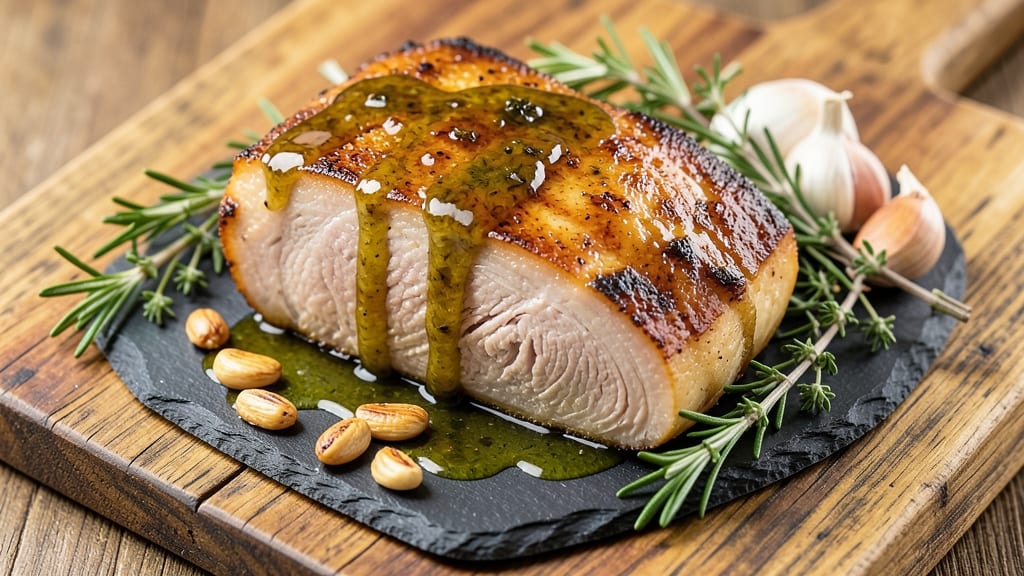
This boneless pork loin roast recipe with mustard delivers crispy bark and a juicy pink heart—all in one pan. 🔥 The secret lies in a simple mustard marinade that tenderizes the meat while creating that signature caramelized crust.
I developed this method after years of testing different techniques, and it never fails to impress. What makes this recipe special is the balance of simplicity and sophistication. You'll start with a quick marinade that infuses flavor, then roast the pork until it reaches the perfect internal temperature.
The mustard isn't just for flavor—it helps create that beautiful, crackling bark while keeping the inside tender and moist. By the time you pull it from the oven, you'll have a pork roast with a golden, crispy exterior and a juicy, pink center that practically melts in your mouth.
The mustard glaze adds a tangy depth that complements the natural richness of the pork, making every bite unforgettable. This recipe is perfect for special occasions or a comforting weeknight dinner. Serve it with roasted vegetables or a fresh salad to round out the meal. Let's get started!
Ingredients for boneless pork loin roast recipe mustard
Pork loin, mustard, and herbs come together for a showstopper roast with perfect crispy bark and juicy pink center.
| Ingredient | Amount | Notes |
|---|---|---|
| Boneless Pork Loin Roast 🥩 | 2 lb | Center-cut for tenderness |
| Dijon Mustard 🍯 | ½ cup | High-quality for best flavor |
| Olive Oil 🫒 | ¼ cup | Extra-virgin preferred |
| Garlic Cloves 🧄 | 4 cloves | Minced for marinade |
| Fresh Rosemary 🌿 | ¼ cup | Chopped, fresh preferred |
| Fresh Thyme 🌿 | 1 tbsp | Leaves only, chopped |
| Salt 🧂 | 1 ½ tsp | Kosher or sea salt |
| Black Pepper 🌶️ | 1 tsp | Freshly ground |
| Honey 🍯 | 1 tbsp | For glaze balance |
| Whole Grain Mustard 🍯 | 1 tbsp | For extra texture |
| Yellow Onion 🧅 | 1 whole | Thinly sliced for garnish |
| Fresh Parsley 🌿 | ¼ cup | Chopped for garnish |
The pork loin is non-negotiable here—center-cut stays juicier than shoulder cuts. Grab it from the butcher counter if you can, or look for pre-trimmed roasts at Costco or Whole Foods. The mustard matters too: Dijon for depth, but if you only have whole grain, add a splash of water to thin it out. Fresh herbs make all the difference—Trader Joe's usually has great rosemary and thyme bundles. If you're short on time, dried works (use half the amount), but fresh is worth the extra minute.
No Dijon? Whole grain or spicy brown mustard both work—just add a teaspoon of water to loosen it up. Fresh rosemary and thyme can be swapped for dried at one-third the amount, but the flavor won't be quite the same. The honey in the marinade is optional, but it helps balance the tangy mustard. If you're avoiding sugar, skip it—just make sure to increase the salt slightly. For the glaze, Maille Dijon is my go-to, but any good-quality mustard does the trick. The onion and parsley are just for garnish, so use whatever you've got—red onion works too.
Marinate the pork for at least 4 hours (overnight is even better). The mustard marinade keeps in the fridge for 2 days, so make it ahead if you're short on time. After roasting, the leftovers reheat beautifully—just add a splash of water or broth to keep them moist. Store in an airtight container for 3-4 days, or freeze for up to 3 months. The crispy bark isn't as impressive after reheating, but the meat stays juicy and delicious.
Why You'll Love This Recipe
- Minimal Chopping Required: I swear by this—just slice the pork, mix the mustard and oil, and let the garlic and rosemary do the work. No dicing, no peeling, no fuss. (Yes, even on a Tuesday night when I’m too tired to measure.)
- Crispy Edge, Creamy Center: That mustard crust? Chef’s kiss. The Dijon caramelizes into a tangy glaze while the inside stays juicy—like a fancy bistro cut without the pretension. My husband licks his plate. (Okay, maybe that’s dramatic, but it’s that good.)
- Weeknight & Holiday Hero: Same recipe for Tuesday dinners or Sunday gatherings. Slice it thin for sandwiches or serve it whole with roasted potatoes—it handles both like a champ. (Between us, it’s my secret weapon for potlucks.)
- Leftovers That Don’t Suck: Cold slices? Still flavorful. Reheated? Just as good. I make a double batch because it’s cheap enough to feed the family twice without guilt. (And yes, it freezes beautifully.)
Step-by-step instructions for perfectly crispy pork loin roast
This method delivers a showstopping roast with crackling bark and juicy pink centers—no fancy equipment needed.
🍳 Step 1: Create the Mustard-Herb Glaze
In a small bowl, whisk together the 0.5 cup Dijon mustard, 0.25 cup olive oil, 1 tbsp honey, 1 tbsp whole grain mustard, 1.5 tsp salt, and 1 tsp black pepper. The mixture should be smooth and slightly thick—this is your flavor foundation. Here's the thing—don't skip the honey; it balances the mustard's sharpness and helps create that gorgeous caramelized bark.
While whisking, add the 4 minced garlic cloves, 0.25 cup chopped fresh rosemary, and 1 tbsp chopped fresh thyme. Taste and adjust seasoning—you want it bold but not overpowering. This glaze will give your roast its signature tangy-sweet crust and keep the meat impossibly moist inside.
👨🍳 Step 2: Prep and Coat the Pork Loin
Pat the 2 lb boneless pork loin roast completely dry with paper towels—this is non-negotiable for crispy skin. I mean really dry; any moisture will steam the meat instead of letting it brown. Place the roast on a cutting board and use a sharp knife to make shallow crosshatch marks about ¼-inch deep all over—this helps the glaze penetrate and creates more surface area for browning.
Generously coat the roast with half of the mustard-herb glaze, pressing it into the crosshatches. Let it sit at room temperature for 30 minutes while you preheat your oven to 425°F. This resting time lets the flavors meld and the meat cook more evenly. Don't skip this—cold meat steams instead of searing.
🔥 Step 3: Sear for Maximum Crispiness
Heat a large oven-safe skillet over medium-high heat until smoking hot. Add the roast and sear for 4-5 minutes per side until deep golden brown. Press down gently on the roast during the first minute—this prevents curling and ensures even contact with the pan. You'll know it's ready to flip when it releases easily from the skillet (no need to wiggle it).
Here's where the magic happens: transfer the skillet to your preheated 425°F oven. Roast for 20-25 minutes until the internal temperature reaches 140°F (use a meat thermometer). The roast should have a dark mahogany crust and still feel slightly springy when pressed. Don't overcook—we're going for that perfect pink center.
🥘 Step 4: Glaze and Finish
Remove the roast from the oven and increase the heat to 450°F. Pour the remaining mustard-herb glaze evenly over the top of the roast, letting it drip down the sides. Return to the oven for 5-7 minutes until the glaze caramelizes and bubbles. Watch closely—you want it golden and sticky, not burnt.
While the roast finishes, thinly slice the 1 whole yellow onion and arrange it fan-style on a baking sheet. Broil for 3-4 minutes until caramelized. These onions will add sweetness and texture to your presentation. Let the roast rest for 10 minutes before slicing—this keeps it juicy while you finish the onions.
🍽️ Step 5: Serve with Herb Garnish
Slice the roast against the grain into ½-inch thick slices. Spoon any pan juices over the top and garnish with the 0.25 cup chopped fresh parsley and caramelized onions. The crust should be crackly, the meat juicy with just a hint of pink in the center, and every bite packed with herby-mustard flavor.
Real talk: if you're serving this to guests, make the extra effort to plate it beautifully. The contrast between the dark crust and pink interior always gets rave reviews. Pair with roasted potatoes or a simple green salad to let the pork shine.
Pro Tips For Making Boneless Pork Loin Roast Recipe Mustard
- SEAR THE MUSTARD CRUST: Slather that Dijon thick—don’t just drizzle. After searing the pork in olive oil, spread a generous layer of mustard (about 2 tablespoons) while the pan’s still screaming hot. The crust forms in 30 seconds, not 3 minutes, so keep your eye on it. I used to walk away for "even coating," and the mustard just turned into a sad glaze.
- SALT THE PORK TWICE: Salt the roast before searing (1 teaspoon per pound, minced), then salt the mustard mix (½ teaspoon per 2 tablespoons Dijon). The first layer seasons the meat; the second locks in flavor as it cooks. I learned this after a dry, bland roast—turns out, mustard alone isn’t enough to carry the saltiness.
- SKIP THE GARLIC MASH: Smash those garlic cloves flat with the side of your knife before mincing—no need to chop. This releases more flavor into the mustard-oil mix without burning. I was skeptical until I tried it: the aroma hits harder, and the garlic doesn’t turn bitter as fast.
- REST UNDER FOIL: Transfer the roast to a foil-lined tray immediately after roasting, tent loosely, and let it sit for 5–10 minutes. This keeps the mustard from dripping off and makes slicing clean cuts. I used to serve it straight from the pan—big mistake. The juices pool, and the mustard turns into a gloppy mess.
Make-ahead tips for leftovers
Marinade Prep Ahead
Make the mustard marinade up to 2 days ahead and store it in an airtight container in the fridge. I often prep this the night before—it gives the flavors time to meld beautifully. When ready to use, simply whisk it again to re-emulsify.
The honey in the marinade helps balance the mustard's tang, so if you're avoiding sugar, reduce it to ½ tbsp and add a pinch more salt. 💡
Pork Prep Timeline
Pat and score your pork loin 1 day ahead and store it uncovered on a plate in the fridge. This dries the surface perfectly for that crispy bark.
When you're ready to cook, just coat it with the marinade and let it sit at room temperature for 30 minutes before searing. I've found this method keeps the meat juicier than if you marinate it too long.
Glaze Make-Ahead
Pre-mix the glaze ingredients 3 days ahead and store in a sealed jar in the fridge. When ready to use, whisk it again to combine. The mustard will thicken slightly over time, so add a splash of water if it's too stiff.
I love having this ready because it cuts down on last-minute prep—just grab and go. The fresh herbs can be chopped the day of cooking, though.
Resting and Reheating
Let the roast rest for 10 minutes before slicing—this is non-negotiable for juicy meat. For leftovers, reheat in a skillet over medium-low heat with a splash of water or broth to prevent drying.
I find microwave reheating makes the crust rubbery, so always use the stovetop. Store leftovers in an airtight container for 3-4 days or freeze for up to 3 months.
Freezer-Friendly Slices
Slice the roast after it rests, then freeze individual portions in airtight containers with parchment paper between layers. When reheating from frozen, thaw overnight in the fridge first, then use the stovetop method above.
The texture won't be quite as crispy, but it'll still be delicious and convenient for quick meals. I love having pre-sliced portions ready for sandwiches or salads during the week.
Weeknight Shortcut
For a faster version, skip the overnight marinade and use a 1-hour marinade at room temperature. Just
Nutrition facts
Frequently asked questions
Why does the recipe call for scoring the pork loin?
Scoring creates more surface area for the mustard glaze to penetrate and caramelize, resulting in a deeper flavor and better texture. The shallow crosshatches also help prevent curling during cooking. Just make sure your knife is sharp to avoid tearing the meat!
Can I substitute whole grain mustard for Dijon?
Whole grain mustard works beautifully—just thin it with 1 teaspoon of water first to achieve the same smooth consistency. For extra texture, add ½ teaspoon of Dijon to the mix. The flavor will be slightly grainier but still delicious.
What's the best way to check if the pork is done?
Use a meat thermometer to check the internal temperature—140°F for medium-rare (pink center) is perfect. The roast should feel slightly springy when pressed gently. Never rely on color alone, as pork can vary in doneness appearance.
How do I prevent the pork from drying out?
Keep the meat moist by not overcooking it (stick to 140°F internal temp) and letting it rest for 10 minutes before slicing. The mustard marinade also helps retain juices. For extra insurance, baste the roast with pan juices during the last 5 minutes of cooking.
Can I make this recipe in a conventional oven instead of a skillet?
Yes! Place the marinated roast on a wire rack over a baking sheet (for even air circulation) and roast at 425°F for 25-30 minutes. Brush with the remaining glaze in the last 5 minutes. The bark won't be quite as crispy, but the meat will still be juicy and flavorful.