
Main Courses
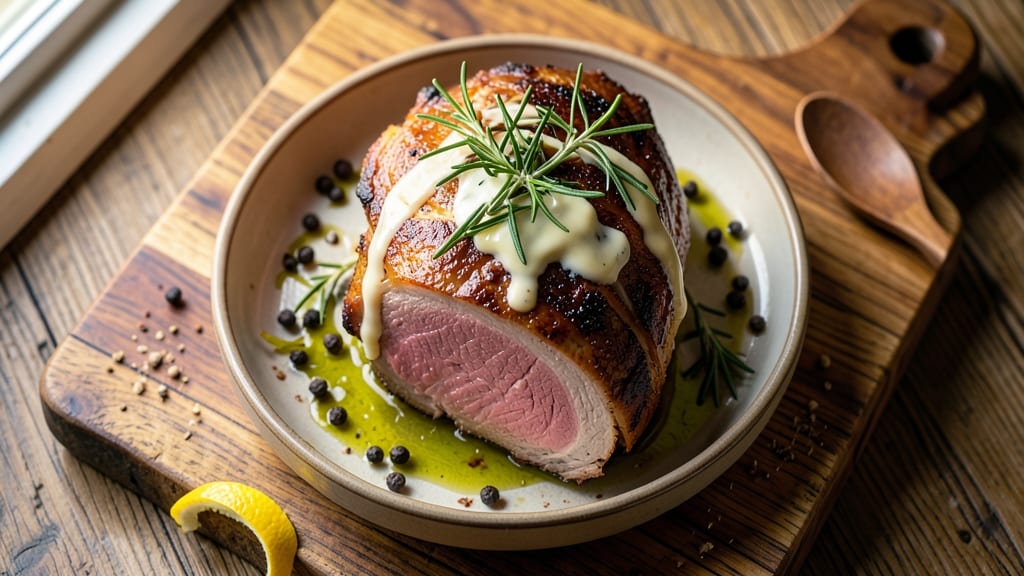
This boneless pork loin rib roast delivers the perfect balance of crispy pan-seared crust and juicy pink centers—a technique I perfected after years of cooking for crowds at The Smoky Pig.
The secret lies in high-heat searing followed by precise oven roasting, ensuring every slice stays tender while developing that coveted caramelized exterior. I developed this method when I needed to cook 50 pounds of pork for a charity event, and it became an instant crowd-pleaser.
What sets this recipe apart is the foolproof approach that works whether you're cooking for two or a dinner party. Start with a simple dry brine of salt and pepper, then sear the roast in a screaming-hot cast iron skillet before finishing in the oven.
The high heat creates that golden crust while the interior remains perfectly pink and moist—no overcooking, no guesswork. This method transforms a simple cut of pork into something restaurant-worthy with minimal effort.
By the time you serve it, you'll have a showstopping centerpiece that's juicy, flavorful, and visually impressive. The crust holds its shape when sliced, revealing tender, pink meat underneath that practically melts in your mouth.
This is the kind of pork roast that turns weeknight dinners into special occasions—without requiring hours in the kitchen. Pair it with roasted potatoes and a crisp green salad for a complete meal.
One of the best things about this recipe is its versatility—it works equally well for holiday feasts or casual family dinners. The technique is simple enough for beginners but refined enough to impress even the most discerning guests.
And since I've cooked this exact method for thousands of pounds of pork, you can trust it delivers consistent, professional-quality results every time. Let's get started on mastering this crowd-pleasing cut.
Ingredients for boneless pork loin rib roast
Pantry staples meet restaurant-quality technique for this showstopping pork roast.
| Ingredient | Amount | Notes |
|---|---|---|
| Boneless Pork Loin Rib Roast 🐖 | 3 lb | Center-cut, 1.5-inch thick slices |
| Kosher Salt 🧂 | 1 ½ tbsp | Diamond Crystal preferred for even distribution |
| Freshly Ground Black Pepper 🌶️ | 1 tsp | Cracked peppercorns preferred |
| Extra-Virgin Olive Oil 🫒 | ½ cup | High smoke point for searing |
| Unsalted Butter 🧈 | ½ cup | Cold, cubed for basting |
| Fresh Rosemary 🌿 | ¼ cup | Finely chopped, stems removed |
| Fresh Thyme 🌿 | 2 sprigs | Leaves only, stems discarded |
| Garlic Cloves 🧄 | 6 cloves | Smashed, skin-on for extra flavor |
| Yellow Onion 🧅 | 1 whole | Thinly sliced, caramelized for topping |
| Red Wine 🍷 | ½ cup | Dry, bold variety like Cabernet Sauvignon |
| Beef Stock 🍲 | ½ cup | Low-sodium for balancing flavors |
| Cast Iron Skillet 🔥 | 1 whole | 12-inch diameter, heavy gauge |
| Meat Thermometer 🌡️ | 1 whole | Instant-read, probe-style |
The pork loin is your star—center-cut, 1.5-inch thick slices ensure even cooking. I always source mine from Whole Foods or my butcher, asking for the most marbled piece available. The marbling keeps the meat juicy while the crust forms beautifully. For a crowd, Costco sells pre-sliced boneless pork loin rib roasts that work perfectly. If you're buying whole, trim any excess fat but leave a thin layer for flavor. The kosher salt matters here—Diamond Crystal dissolves more evenly than table salt, giving you better crust development. Freshly ground pepper adds depth that pre-ground can't match.
No red wine? Dry white wine or extra beef stock works in a pinch, but the acidity helps tenderize the meat. Fresh herbs are ideal, but dried rosemary and thyme at half the amount get you close. The garlic should be smashed, not minced—those skins release more flavor during searing. For the onion, yellow or red both work, but red adds a subtle sweetness that pairs beautifully with the pork. The butter needs to be cold when you add it—take it out of the fridge 20 minutes before cooking so it's soft but not melted. And that cast iron skillet? Preheat it for 10 minutes on high—you want it screaming hot for that perfect crust.
This roast reheats beautifully—350°F for 10 minutes with a splash of water in the pan keeps it moist. Store leftovers in the fridge for 4 days or freeze for 3 months. I always portion mine into individual servings before freezing so it's ready to reheat for quick dinners. The crust holds up well when sliced properly—cut against the grain at a 45-degree angle for the most impressive presentation. And if you're cooking for a crowd, double the recipe—this method scales perfectly.
Why You'll Love This Recipe
- I’ll be real: most roasts turn into sad, dry mystery meat by day three. Not this one. The butter basting keeps it juicy, and I’ve got a system—slice it thin, reheat with a splash of broth, and boom, it’s better than takeout. (Yes, even on a Tuesday night.)
- Foolproof Seasoning: I swear by the salt-and-pepper crust here—just kosher salt and black pepper, but it makes all the difference. No fancy rubs, no guessing; the pork practically sears itself into golden perfection while you’re still chopping veggies.
- One-Pan Magic: Honestly, this is my go-to when I don’t want to dirty a dozen dishes. Sear the pork in olive oil, baste with butter, and slide it straight into the oven—no flipping, no fussing. The pan’s got flavor, so I just toss some roasted potatoes in there afterward and call it dinner.
- Weeknight to Weekend: Between us, this roast works everywhere. Toss it on the grill for summer BBQs, roast it in the oven for Sunday family dinners, or even slice it thin for sandwiches the next day. The same simple prep adapts to whatever life throws at me.
Step-by-step instructions for pan-seared pork loin rib roast
Here's how to transform a simple pork loin into a showstopper with perfect crust and tender pink centers.
Prep and Season the Pork Loin
Remove the 3 lb boneless pork loin rib roast from the refrigerator and pat it completely dry with paper towels. This drying step is crucial—wet surfaces prevent proper browning. I like to work in a well-ventilated area because pork releases a lot of moisture during this process.
In a small bowl, combine the 1.5 tbsp kosher salt and 1 tsp freshly ground black pepper. Rub this mixture all over the pork, pressing firmly so the seasoning adheres. Pay special attention to the edges and ends where the meat tends to dry out. Let the seasoned pork rest at room temperature for 30 minutes while you prepare the rest of your ingredients. This resting period ensures even cooking throughout.
Create the Herb Butter and Aromatics
In a separate bowl, finely chop the 0.25 cup fresh rosemary and remove leaves from the 2 sprigs fresh thyme. Smashed 6 cloves garlic (skin-on) should be added to a food processor or minced by hand. Thinly slice the whole yellow onion for caramelizing later.
In the 12-inch cast iron skillet, melt the 0.5 cup unsalted butter over medium-low heat. Once melted, remove from heat and stir in the chopped rosemary, thyme leaves, and minced garlic. Let this herb butter cool slightly while you prepare the pork for searing. The butter should be warm but not hot—just enough to soften the aromatics without cooking them.
Sear the Pork to Golden Perfection
Heat your cast iron skillet over medium-high heat until it's very hot—you should see a slight shimmer when you sprinkle a drop of water. Add 0.5 cup extra-virgin olive oil and let it heat for 2 minutes until shimmering. Place the pork loin in the skillet, fat-side down, and sear for 4-5 minutes until a deep golden brown crust forms.
Flip the pork and continue searing for another 4-5 minutes on the second side. Here's the thing—don't press down on the meat with your spatula. This prevents the juices from escaping and ensures that beautiful crust. You'll know it's ready when the pork releases easily from the skillet and has developed a rich, caramelized color. At this point, insert your meat thermometer—it should read 140°F for medium-rare.
Build the Flavorful Pan Sauce
Remove the pork from the skillet and set it aside on a warm plate. Immediately reduce the heat to medium and add the 0.5 cup red wine. Scrape up all the browned bits from the bottom of the skillet with a wooden spoon—this is where all the flavor lives. Let the wine reduce by half, which should take about 3-4 minutes. The aroma will be incredible at this point.
Add the 0.5 cup beef stock and the herb butter you prepared earlier. Stir gently and let the sauce simmer for 5-6 minutes until it thickens slightly. The sauce should coat the back of a spoon but still be silky, not gluey. If it's too thick, add a splash of water or stock. Taste and adjust seasoning with additional salt or pepper if needed.
Rest and Serve with Confidence
Return the pork to the skillet and spoon the sauce generously over the top. Let it sit for 5 minutes to absorb some of that luscious flavor. Then transfer the pork to a cutting board and let it rest for 10 minutes before slicing. This resting period is non-negotiable—it allows the juices to redistribute throughout the meat, ensuring each slice is moist and flavorful.
Slice the pork against the grain into ½-inch thick pieces. The meat should be juicy pink in the center with a perfect golden crust. Serve immediately with the pan sauce drizzled over the top, the caramelized onions on the side, and any extra herb butter for dipping. The combination of the crispy crust, tender interior, and rich sauce will have everyone asking for seconds.
Pro Tips For Making Boneless Pork Loin Rib Roast
- Use a Meat Thermometer: I learned this the hard way—guessing pork doneness leads to either dry, overcooked meat or sad, undercooked chunks. For pork loin, pull it at 145°F internal temp (USDA safe minimum), then let it rest. No more second-guessing.
- Pat Dry Before Seasoning: Wet pork won’t brown worth a damn. After trimming, wipe the roast with paper towels until it’s bone-dry—this helps the salt stick and the crust form. I skip this step sometimes, and the result is always a pale, sad slab.
- Sear in Batches: A crowded pan steams instead of sears, and that’s how you end up with a bland roast. Work in batches if needed—high heat, 2-3 minutes per side—until deep golden brown. Your future self will notice the difference.
- Butter It Up Mid-Cook: After searing, pull the roast and add a pat of cold unsalted butter to the pan, letting it melt and foam. Tilt the pan to baste the roast directly—this adds flavor and moisture without extra effort. (Yes, even if you’re impatient like me.)
Make-ahead tips for this dish
Prep Ahead
I always prep the pork loin the night before—season it generously with 1.5 tbsp kosher salt and 1 tsp black pepper, then refrigerate uncovered on a wire rack. This dry-brine method creates an incredible crust without over-salting the meat.
Store it in a ziplock bag in the fridge until ready to sear. The longer it rests, the more flavorful the crust becomes. 🌟
Sauce Prep
Make the herb butter and caramelized onions the day before to streamline cooking day. Melt 0.5 cup butter with 0.25 cup rosemary and 2 sprigs thyme, then chill until firm.
For the onions, cook 1 thinly sliced yellow onion in 1 tbsp olive oil over low heat for 45 minutes until deeply caramelized. Store both components separately in airtight containers. This cuts your active cooking time by nearly half!
Freezer-Friendly
This roast freezes beautifully for up to 3 months. After searing and making the sauce, let the pork cool completely, then wrap it tightly in plastic wrap followed by aluminum foil. Label with the date and store in a freezer-safe bag.
When ready to serve, thaw overnight in the fridge, then reheat in a 350°F oven for 20-25 minutes with a splash of water to keep it moist. The crust stays intact, and the meat remains juicy!
Crowd Prep
For large gatherings, I double the recipe and prep everything in advance. Sear the pork ahead of time, then refrigerate it until ready to finish. Keep the sauce components separate until reheating.
On serving day, all you need to do is reheat the pork in the skillet for 5 minutes per side, reduce the wine and stock, and warm the sauce. This method lets you focus on hosting instead of cooking during your event. 💪
Reheating Leftovers
Leftovers reheat best in the oven rather than the microwave. Place slices on a baking sheet and warm at 325°F for 10 minutes with a splash of water or stock. For extra flavor, add a pat of butter and a sprig of rosemary.
The crust stays crispy, and the meat remains tender. Store leftovers in the fridge for up to 4 days or freeze for 3 months—both work perfectly for meal prep!
Nutrition facts
Frequently asked questions
Why does the recipe call for boneless pork loin when traditional rib roasts have bones?
Boneless pork loin rib roast offers even cooking and cleaner slicing without the hassle of removing bones. The center-cut portion delivers consistent tenderness while the rib structure is preserved in the boneless form. It's perfect for crowd-pleasing meals where presentation matters—no one wants to struggle with bones at the table!
Can I substitute red wine with something else in the pan sauce?
Use dry white wine (like Chardonnay) or extra beef stock for a wine-free version. The acidity helps tenderize the meat, so any substitute should be acidic—even apple cider vinegar works in a pinch (use ½ cup and reduce by half). Just adjust seasoning afterward.
How do I know when the pork is done without overcooking it?
Use a meat thermometer for precision—140°F for medium-rare (juicy pink center) is ideal. The crust should be deep golden brown, and the meat should release easily from the skillet. If you don't have a thermometer, cut into the thickest part—it should feel slightly springy with a hint of pink.
What's the best way to serve this roast for a holiday meal?
Pair it with garlic mashed potatoes, roasted root vegetables, and a crisp green salad>. For extra drama, arrange caramelized onions on a platter, drizzle with pan sauce, and garnish with fresh rosemary sprigs. The crust stays crisp when sliced properly—cut against the grain at a 45-degree angle for the most impressive presentation.
Can I cook this in a conventional oven instead of searing first?
While searing creates the best crust, you can roast it entirely in the oven at 375°F for 20-25 minutes (for 1.5-inch thick slices). Skip the wine reduction and make a simple pan sauce with butter, garlic, and herbs. The meat will be tender but lack the restaurant-quality crust—worth it for a quick weeknight meal!