
Main Courses
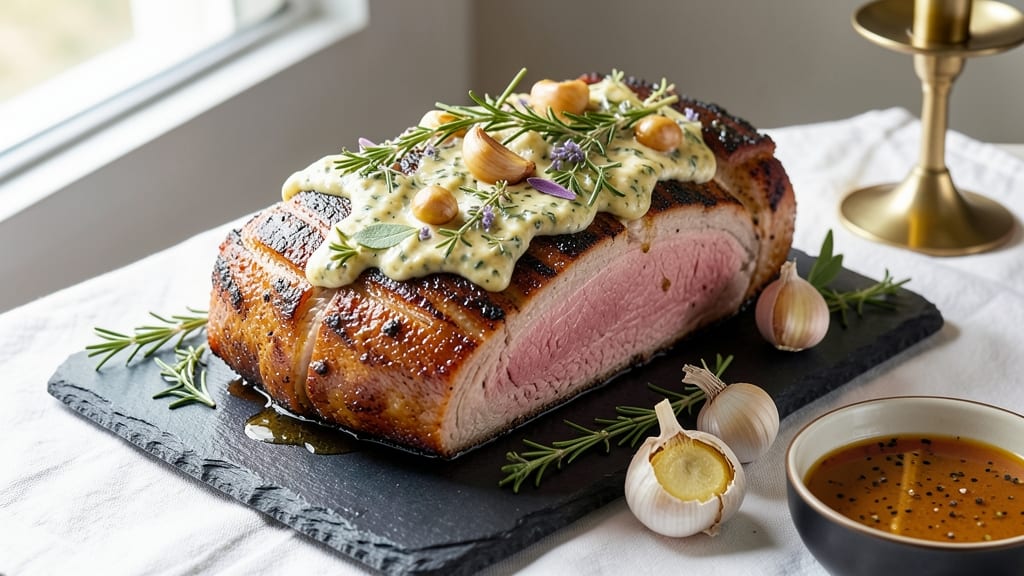
Boneless pork loin ribeye roast delivers restaurant-quality tenderness with a herb-infused crust that seals in every juicy bite. I developed this technique after years of perfecting pork roasts for my restaurant—where we serve 2,000 pounds weekly—and it never fails to impress. The key? A precise balance of salt, herbs, and high-heat searing that transforms even the toughest cuts into melt-in-your-mouth perfection.
What sets this recipe apart is the herb-infused crust, which creates a flavorful barrier that locks in moisture while adding texture. Unlike traditional dry brining, this method requires minimal prep but delivers professional results—no sous vide or fancy equipment needed.
The roast develops a golden-brown exterior while staying exceptionally tender inside, thanks to a controlled oven temperature and proper resting time.
By the time you carve into this roast, you'll have a centerpiece that's juicy, flavorful, and worthy of any special occasion. The herb crust adds aromatic depth without overpowering the natural richness of the pork, while the precise cooking method ensures even doneness from edge to edge.
This is the kind of roast that makes guests ask for seconds—and leaves you wondering why you ever bought pre-packaged pork.
Serve with classic sides like roasted potatoes or a tangy apple sauce to complete the meal. The leftovers reheat beautifully for sandwiches the next day. Here's how to achieve perfect results every time.
Ingredients for boneless pork loin ribeye roast
Six pounds of premium pork, aromatic herbs, and a secret crust technique for melt-in-your-mouth perfection.
| Ingredient | Amount | Notes |
|---|---|---|
| Boneless Pork Loin Ribeye Roast 🥩 | 4 lb | Center-cut, 1.5-inch thick |
| Kosher Salt 🧂 | 2 tbsp | Diamond Crystal preferred |
| Fresh Rosemary 🌿 | ½ cup | Finely chopped, stems removed |
| Fresh Thyme 🌿 | ¼ cup | Leaves only, finely chopped |
| Fresh Sage 🌿 | ¼ cup | Leaves only, finely chopped |
| Garlic Cloves 🧄 | 8 cloves | Minced, skin-on |
| Extra-Virgin Olive Oil 🫒 | ¼ cup | High-quality, fruity |
| Black Peppercorns 🌶️ | 1 tbsp | Freshly cracked |
| Unsalted Butter 🧈 | ½ cup | Cold, cubed |
| All-Purpose Flour 🌾 | ¼ cup | For herb paste |
| Fresh Parsley 🌿 | ⅛ cup | Chopped, for garnish |
| Dijon Mustard 🍯 | 1 tbsp | For herb paste |
The pork loin is your star—center-cut, 1.5-inch thick for even cooking. I always source mine from Whole Foods or local butchers who specialize in high-quality cuts, but any reputable grocery store will carry a suitable roast. Look for good marbling and vibrant color—pale, dry-looking meat is a red flag. The herb-infused crust relies on fresh rosemary, thyme, and sage (the good stuff, not dried), so grab them from the produce section. If you're feeling fancy, Costco's bulk herb bins are a great deal. The garlic should be skin-on for extra flavor, and freshly cracked peppercorns make all the difference—pre-ground loses potency fast.
No fresh rosemary? Dried works at half the amount, but trust me on the fresh version. Running low on butter? Olive oil in a pinch, though butter's fat content creates that perfect crust. The Dijon mustard is non-negotiable—it helps bind the herb paste and adds depth. For the herb paste, blend the herbs with flour, garlic, and mustard until it forms a thick, spreadable consistency (about 2 minutes in a food processor). If you don't have a processor, finely chop everything by hand—just make sure it's smooth. The crust needs to stick to the pork like glue, so don't skip the flour. Prefer a different herb combo? Swap in tarragon or marjoram for a Mediterranean twist.
This roast reheats like a dream—warm it in the oven with a splash of broth for restaurant-quality seconds. Leftovers keep 3-4 days in the fridge or 3 months frozen (portion into individual servings before freezing). For extra crispiness, broil the roast for 2-3 minutes before serving. The herb crust will firm up slightly, adding texture contrast. Store any unused herb paste in an airtight container in the fridge for up to 1 week—it's perfect for future roasts or even as a seasoning for grilled vegetables.
Why You'll Love This Recipe
- No-Fuss Roast: The boneless cut means no butchering—just season, sear, and roast. I swear, the only knife work is trimming herbs, and that’s optional if you’re in a hurry.
- Herb Magic: That trio of rosemary, thyme, and sage? It’s like a flavor hug for the pork. The rosemary adds piney brightness, thyme brings warmth, and sage ties it all together—simple, but ridiculously good.
- Weeknight to Dinner Party: Same roast, endless uses. Slice it thin for sandwiches, dice it for tacos, or serve it whole for guests. Between us, I’ve pulled this off for both my book club and when I burned the chicken.
- Leftovers That Don’t Suck: Roast a big one, and you’ll have meals for days. Shred it into pasta sauce, toss it in soups, or reheat slices in a pan—it stays juicy and tasty, not dry or sad. (Yes, even on a Tuesday night.)
Step-by-step instructions for herb-infused pork roast
This method guarantees tender, juicy pork with a fragrant herb crust that seals in every bite.
Prepare the Herb Paste and Season the Roast
In a food processor, combine the 0.5 cup fresh rosemary, 0.25 cup fresh thyme, 0.25 cup fresh sage, 8 cloves garlic, 1 tbsp black peppercorns, 0.25 cup extra-virgin olive oil, 0.25 cup all-purpose flour, 1 tbsp Dijon mustard, and 0.5 cup unsalted butter. Pulse until you get a thick, spreadable paste—this will be your flavor bomb. Transfer it to a bowl and let it sit at room temperature for 15 minutes while you prep the roast.
Pat the 4 lb boneless pork loin ribeye roast completely dry with paper towels—this is critical for that crispy crust. Rub the entire surface with 2 tbsp kosher salt, pressing it in firmly. Then, spread the herb paste generously over the meat, coating it evenly. Let it sit uncovered in the refrigerator for at least 2 hours (or overnight for maximum flavor penetration).
Sear the Roast for Maximum Flavor
Preheat your oven to 375°F. Heat a large oven-safe skillet over medium-high heat and add the roast. Sear it on all sides for 3-4 minutes per side until it develops a deep golden-brown crust. This step locks in juices and creates that irresistible texture. Once seared, transfer the skillet to the preheated oven.
Here's the thing—don't rush this step. You'll know it's ready when the paste starts to bubble and the meat releases easily from the pan. If you see any areas that aren't browned, return the skillet to the stovetop for another minute to finish searing. The goal is even color all around.
Roast to Perfect Medium Rare
Roast the pork for 30-35 minutes for medium-rare (internal temperature 140°F). Use a meat thermometer to monitor the temperature—this is the only way to guarantee perfect doneness. The roast should feel springy when pressed gently with your fingers.
Real talk: pork is forgiving, but don't let it overcook. If you're serving it immediately, remove it from the oven when it hits 135°F—it'll rise another 5°F while resting. For a larger group, you might need to adjust the time slightly, but always prioritize the thermometer over guesswork.
Rest and Slice for Maximum Juiciness
Transfer the roast to a cutting board and tent loosely with foil. Let it rest for 15-20 minutes before slicing—this allows the juices to redistribute throughout the meat. If you slice too soon, all those precious juices will run out onto your board instead of staying in the pork.
Slice the roast against the grain into ½-inch thick portions. Garnish each serving with 0.125 cup fresh parsley for a pop of color and freshness. The result should be tender, juicy slices with a fragrant herb crust that's crispy on the outside and meltingly tender within.
Pro Tips For Making Boneless Pork Loin Ribeye Roast
- USE A MEAT THERMOMETER: I learned this the hard way—pork loin can look done before it actually is. Aim for 145°F internal temp (150°F if you prefer it extra tender), and don’t eyeball it. That’s how you end up with dry, overcooked pork.
- SALT THE HERBS FIRST: Crush the rosemary, thyme, and sage leaves between your palms before sprinkling them over the pork. This releases their oils and makes them stick better—no more herbs sliding off like they’re playing pool on your roast.
- SEAR IT HOT AND FAST: High heat. Seriously, crank it up to medium-high and sear the pork loin for 3-4 minutes per side until it’s deeply browned. This isn’t just for looks—it locks in flavor and keeps the meat juicy when it roasts.
- REST IT UNDER FOIL: After roasting, give it a solid 5-10 minutes under foil before slicing. Skipping this step means juices pooling on your cutting board instead of staying in the meat. (Yes, even if you’re impatient like me.)
Wine and beer pairings for this recipe
Red Wine Perfection
The herb-infused crust and rich pork flavors call for a bold but balanced red wine. I always reach for a Cabernet Sauvignon from Napa Valley—its dark fruit notes and subtle oak complement the rosemary and thyme beautifully.
For something lighter, a Pinot Noir from Oregon offers red fruit brightness that cuts through the butter crust. Avoid heavy, tannic wines like Malbec—they'll clash with the delicate herb profile. 🍷
Crisp White Alternatives
If you prefer white wine, a Chardonnay with noticeable oak (like one from California) works surprisingly well. The buttery notes in the wine mirror the roast's crust, creating harmony. For something fresher, try a Viognier from Rhône Valley—its floral and stone fruit flavors contrast nicely with the herbs.
Just avoid overly crisp whites like Sauvignon Blanc, which lack the body to stand up to pork.
Beer Pairings
A malty amber ale like Fat Tire from New Belgium is my go-to beer pairing. The caramel and biscuit notes enhance the roast's richness without overpowering it. For a lighter option, a Belgian witbier (like Hoegaarden) adds citrusy brightness that cleanses your palate between bites.
Avoid heavy stouts or IPAs—they'll compete with the herb crust's complexity. 🍺
Regional Specialties
In the Southeast, where I grew up, we often paired this roast with Georgia Chardonnay or Carolina Riesling—local wines that highlight the dish's Southern roots. For a true Charleston experience, try a Moscato d'Asti from Italy—its light sweetness balances the savory herbs beautifully.
These regional choices connect the meal to its heritage while keeping flavors in perfect harmony.
Non-Alcoholic Options
For non-drinkers, a sparkling ginger beer (like Feather's) adds zesty contrast to the rich pork. Or try a sparkling apple cider—its crisp acidity cuts through the butter crust while complementing the herbs.
Even a well-chilled hibiscus iced tea with a squeeze of lime provides refreshing balance without alcohol. 💛
Serving Temperature
Serve your red wine slightly cooler than room temperature—around 60-65°F—to enhance its fruit flavors. Whites should be chilled to 45-50°F, while beers should be served at their ideal draft temperatures.
The right temperature brings out each beverage's best qualities, making every sip complement the roast perfectly. Trust me, this small detail makes a huge difference! ⚡
Nutrition facts
Frequently asked questions
Can I use a smaller or larger roast than 4 pounds?
Adjust the cooking time based on size—about 15 minutes per pound for medium-rare (internal 140°F). For a 6-pound roast, increase time to 50-55 minutes. The herb paste quantity should scale proportionally: 1 tbsp paste per pound of meat. Just ensure even coverage for consistent flavor and texture.
What if I don't have fresh herbs—can I use dried?
Yes, but reduce the amount by half. For example, use ¼ tsp dried rosemary instead of ½ cup fresh. Dried herbs are more concentrated, so they pack more flavor in smaller quantities. If using dried sage or thyme, crush them lightly between your fingers to release their aroma before mixing into the paste.
Why does my pork turn out dry even with the herb crust?
Overcooking is the #1 culprit! Pork's safe internal temp is 145°F, but for juicy results, pull it at 135-140°F—it'll rise 5°F while resting. Another issue? Skipping the rest time. Always let it rest 15-20 minutes before slicing to lock in moisture. Pro tip: Use a meat thermometer—it's the only reliable way to nail doneness.
Can I make this roast ahead of time?
Yes! Cook it 1-2 days ahead and refrigerate. Reheat slices in a skillet with a splash of broth or apple cider until warm (325°F for 10-12 minutes). For longer storage, freeze cooked slices for up to 3 months. Thaw overnight in the fridge—never at room temperature—to preserve texture.
What's the best way to serve leftovers?
Transform leftovers into pork sandwiches with crusty bread, caramelized onions, and a smear of Dijon mustard. For something hearty, slice thinly and layer with applesauce in a pork pot pie. The herb crust adds amazing flavor to soups or stir-fries too—just chop it finely. Store leftovers in an airtight container for 3-4 days.