
Main Courses
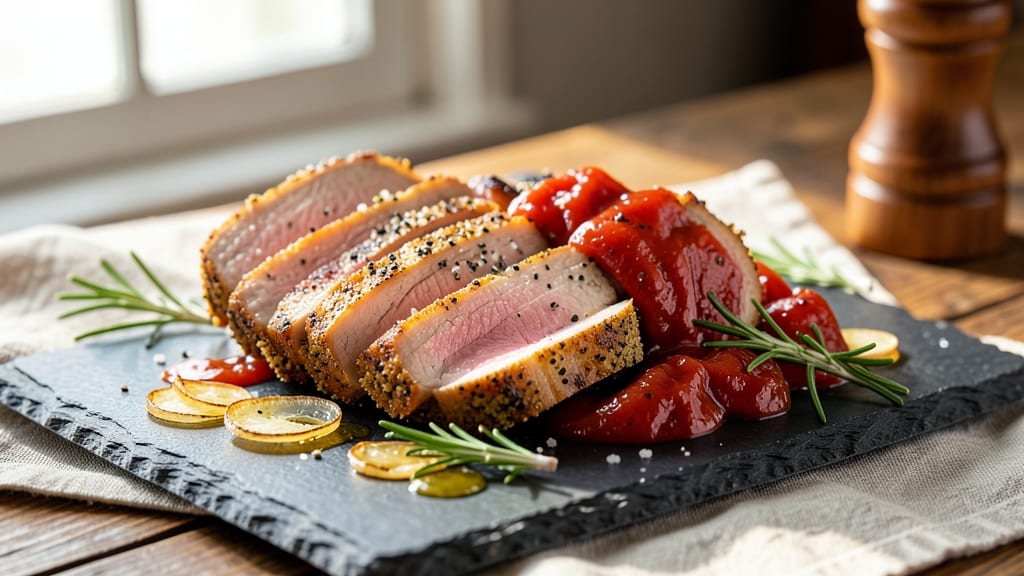
This boneless pork tenderloin roast recipe delivers melt-in-your-mouth tenderness in just 25 minutes—a game-changer for weeknight dinners. After years of perfecting pork cuts at my restaurant, I developed this foolproof method that guarantees juicy pink centers and a crisp sear every time.
The secret lies in high-heat searing followed by precise roasting, ensuring maximum flavor without drying out.
What sets this recipe apart is the balance of technique and simplicity. You'll need just five basic ingredients—pork tenderloin, olive oil, salt, pepper, and garlic powder—but the execution transforms them into restaurant-quality results.
The pan-sear creates a flavorful crust while the oven finish ensures even cooking throughout. This method works equally well for special occasions or quick family meals.
By the time you're done, you'll have perfectly tender pork with a golden-brown crust that's impossible to resist. The internal temperature will reach 145°F, ensuring it's safe to eat while maintaining that ideal juicy texture.
The aroma alone will have everyone gathered at your table, and the first bite will prove this is pork done right.
Pair it with roasted vegetables, garlic mashed potatoes, or a simple apple cider glaze for a complete meal. The versatility of this recipe makes it perfect for any occasion—whether you're hosting dinner guests or simply craving a satisfying weeknight dinner. Let's get cooking!
Ingredients for boneless pork tenderloin roast
Five ingredients transform into restaurant-quality pork tenderloin with perfect pink centers.
| Ingredient | Amount | Notes |
|---|---|---|
| Boneless Pork Tenderloin 🥩 | 1 ½ lb | Center-cut, even thickness preferred |
| Extra-Virgin Olive Oil 🫒 | 2 tbsp | High-quality, fruity variety |
| Kosher Salt 🧂 | 1 ½ tsp | Diamond Crystal preferred |
| Freshly Ground Black Pepper 🌶️ | 1 tsp | Coarse grind recommended |
| Garlic Powder 🧄 | ½ tsp | Freshly ground preferred |
The pork tenderloin is the star here—center-cut and even thickness ensures perfect cooking. I always grab mine from Whole Foods or my local butcher shop; they know to trim excess fat for that clean cut. Look for pieces that are firm to the touch and have a vibrant pink color—anything grayish or soft is a no-go. If you're buying a whole tenderloin, trim it to 1.5-inch thickness before cooking for even doneness. The olive oil? Don't skimp—a good extra-virgin makes all the difference in that pan-sear crust.
No garlic powder? Fresh minced garlic at double the amount works beautifully. Running short on olive oil? Avocado oil or butter (rendered first) are solid swaps—just don't use butter directly in the pan. The kosher salt matters here—Diamond Crystal dissolves better than table salt, so if that's all you've got, use about half again as much. Freshly cracked black pepper adds depth, but pre-ground is fine in a pinch. Pro tip: Pat the pork dry with paper towels before seasoning—it sears better when dry. If your tenderloin has a thick end, pound it gently with a meat mallet for even cooking.
This roast stays juicy for 3-4 days in the fridge, but honestly, it's best eaten fresh. For leftovers, slice against the grain and reheat in a skillet with a splash of broth for 2-3 minutes—keeps it tender. Freeze portions in airtight containers for up to 3 months. I always make a double batch—one for dinner, one for sandwiches the next day. The crust gets crispier when reheated, so don't skip it if you've got leftovers. Store raw pork on the bottom shelf of your fridge to prevent cross-contamination.
Why You'll Love This Recipe
- No Fuss, Big Payoff: I swear by this recipe because it’s the kind of meal that feels like a five-star dinner but takes less effort than deciding what to watch on Netflix. Just sear the tenderloin in olive oil, sprinkle salt, pepper, and garlic powder, then let the oven do the work—no basting, no flipping, no stress.
- Garlic-Kissed Magic: That simple garlic powder rub? It’s the secret weapon. The pork stays juicy inside while developing a crust that’s got just enough bite—like a hug from your favorite chef, but with way fewer calories. Honestly, the first time I made this, my husband stole half before it even hit the table.
- Weeknight to Weekend: This roast works for everything—a quick weeknight dinner, a potluck side, or the centerpiece of a holiday meal. I’ve sliced it for sandwiches, shredded it for tacos, and even served it cold in summer salads. The tenderloin’s mild flavor takes on whatever you throw at it.
- Leftovers That Don’t Suck: Most roasts turn dry after day two, but not this one. The olive oil keeps it moist, and the garlic flavor only gets better. I’ll make a double batch on Sunday, then eat it for lunch all week—no sad, rubbery meat here, just pure satisfaction. (Yes, even on a Tuesday night.)
Step-by-step instructions for perfectly juicy pan-seared pork tenderloin
Here's how to transform simple ingredients into a restaurant-worthy pork tenderloin with a crispy crust and tender interior.
Prep the Pork for Even Cooking
Pat the 1.5 lb boneless pork tenderloin completely dry with paper towels—this is critical for that perfect crust. I like to press firmly to remove any surface moisture that would prevent browning. Check for an even thickness throughout; if one end is thicker, gently trim it with a sharp knife to create an even surface.
Place the pork on a cutting board and make a few shallow slashes about ¼-inch deep in a crosshatch pattern. This helps the seasoning penetrate and prevents curling during cooking. Rub all sides generously with 2 tbsp extra-virgin olive oil, using your fingers to work it into the slashes. This creates a protective barrier that keeps the meat juicy while promoting browning.
Season Generously and Rest
In a small bowl, combine 1.5 tsp kosher salt, 1 tsp freshly ground black pepper, and 0.5 tsp garlic powder. Sprinkle this evenly over all sides of the pork, pressing gently so the seasoning adheres. Let it sit at room temperature for 15-20 minutes—this ensures even cooking and better seasoning penetration.
Here's the thing—don't skip the resting time. Cold meat cooks unevenly, and room temperature pork develops a better crust. While it rests, preheat your oven to 400°F and heat a large oven-safe skillet over medium-high heat until it's smoking hot. This high heat is what creates that beautiful crust we're after.
Sear Until Deeply Browned
Carefully place the pork tenderloin in the hot skillet. Press down gently with a spatula during the first 1-2 minutes—this prevents curling and ensures even contact with the pan. Let it sear undisturbed for 3-4 minutes per side until it develops a deep golden-brown crust. You'll know it's ready when it releases easily from the pan.
Don't walk away during this step. The pork should be deep golden brown with some charred spots—this is where all the flavor develops. If you notice the oil smoking excessively, reduce heat slightly to medium to prevent burning while still maintaining that sear.
Finish in the Oven for Perfect Doneness
Transfer the skillet to the preheated 400°F oven and roast for 10-12 minutes, or until the internal temperature reaches 145°F at the thickest part. I use a meat thermometer for accuracy—this ensures juicy pink perfection without overcooking. The pork should feel firm but still slightly springy to the touch.
Real talk: If you cut into it too early, the juices will run out. The 145°F mark guarantees tender, juicy meat that's still pink in the center. Remove from the oven and let it rest for 5-10 minutes before slicing—this resting period allows the juices to redistribute throughout the meat, ensuring every bite is moist and flavorful.
Slice and Serve Immediately
Using a sharp carving knife, slice the pork tenderloin into ½-inch thick medallions against the grain. You'll see the grain direction when you cut—it runs lengthwise through the meat. Slicing against it creates tender, bite-sized pieces that melt in your mouth.
Serve immediately with any pan juices spooned over the top. The crust should be crispy and flavorful, while the interior remains tender and juicy pink. This method delivers a perfect balance of textures and flavors every single time—no dry, overcooked pork here.
Pro Tips For Making Boneless Pork Tenderloin Roast
- Trim the Fat (Even If It’s Gone): DESCRIPTION: That boneless label is a lie—pork tenderloin still hides tiny fat pockets. Use kitchen shears to snip them out before seasoning; they render into flavor, but too much makes the crust soggy. I learned this after serving a guest a greasy mess.
- Salt Like It Owes You: DESCRIPTION: Don’t just sprinkle—press the kosher salt into every crevice. The tenderloin’s lean nature soaks up seasoning like a sponge, but you need pressure to get it deep. I used to eyeball it; now I measure: 1 tsp salt per pound, minimum.
- Sear, Then Walk Away: DESCRIPTION: After that initial sear in olive oil, turn the heat to low and cover the pan. The residual heat will cook it evenly without burning. I used to babysit it—now I set a timer for 10 minutes and forget about it until the internal temp hits 145°F.
- Rest It—Or Regret It: DESCRIPTION: Let it sit under foil for at least 5 minutes. The juices need time to redistribute, or you’ll slice into a sad, dry puddle. I know, I know—you’re hungry. But trust me, 5 minutes now saves you from dry meat later.
Creative variations of this boneless pork tenderloin roast
Southern BBQ Glaze
For a true Southern twist, brush the pork with a homemade BBQ glaze made from ½ cup ketchup, 2 tbsp apple cider vinegar, 1 tbsp brown sugar, 1 tsp smoked paprika, and ½ tsp cayenne pepper.
Simmer for 5 minutes until thickened, then apply generously after searing and before oven roasting. This glaze caramelizes beautifully, creating a sticky, smoky crust that pairs perfectly with the tender meat. 🌶️
Herb-Crusted French Style
Transform your pork into a French bistro classic by coating it in a mix of 2 tbsp Dijon mustard, 1 tbsp chopped fresh thyme, 1 tbsp chopped fresh rosemary, 1 tsp garlic powder, and ½ cup panko breadcrumbs.
Press the mixture firmly onto the seared pork before transferring to the oven. The crust becomes wonderfully crispy while keeping the interior juicy, perfect for a special dinner. ✨
Honey-Mustard Balsamic
Brighten up your pork with a sweet-tangy glaze of 2 tbsp honey, 1 tbsp Dijon mustard, and 1 tbsp balsamic vinegar. Simmer until slightly thickened, then brush over the pork during the last 5 minutes of roasting.
The combination of honey and balsamic creates a beautiful caramelized crust with a balanced sweet and tangy flavor profile. This variation is especially popular during spring and summer gatherings.
Spicy Chipotle Lime
For a smoky kick, mix 2 tbsp chipotle peppers in adobo sauce, 1 tbsp lime juice, 1 tbsp honey, and 1 tsp cumin into a paste. Spread this generously over the seared pork before roasting.
The chipotle adds deep smokiness while the lime keeps it bright and fresh. This variation is a crowd-pleaser for those who love a bit of heat with their pork. 🔥
Classic Apple Cider Reduction
Sauté 1 diced apple, 1 tbsp butter, and 1 tbsp brown sugar in the pork's pan juices after removing the meat. Deglaze with ½ cup apple cider and reduce by half.
Pour this rich reduction over the sliced pork for a luxurious finish. The apple cider adds a subtle sweetness that complements the savory pork beautifully, making it ideal for autumn meals.
Italian Rosemary Garlic
Infuse the pork with Mediterranean flavors by mixing 1 tbsp minced garlic, 1 tbsp chopped fresh rosemary, 1 tsp dried oregano, and 1 tbsp olive oil into a paste. Rub this mixture over the seared pork before roasting.
The aromatic herbs create a fragrant crust that pairs wonderfully with a side of roasted potatoes and a crisp white wine. This variation is perfect for Italian-inspired dinners.
Nutrition facts
Frequently asked questions
Can I cook boneless pork tenderloin without searing first?
You can, but you'll miss out on that incredible flavorful crust! Searing creates a Maillard reaction that develops deep, caramelized flavors. For a quick alternative, try broiling the seasoned pork for 10-12 minutes at 425°F until the internal temperature reaches 145°F. The texture won't be quite as crispy, but it'll still be tender and flavorful.
How do I know when pork tenderloin is fully cooked?
Use a meat thermometer to check the internal temperature at the thickest part—it should read 145°F. The pork should feel firm but still slightly springy to the touch. Never rely on color alone; even well-cooked pork can appear pink in the center due to its natural pigments. If you don't have a thermometer, cut into the thickest part—juices should run clear, not pink.
Can I use this recipe for a larger pork tenderloin?
Yes, but you'll need to adjust cooking times. For a 2 lb pork tenderloin, increase oven time to 15-18 minutes after searing. For even cooking, trim the thicker end to match the thinner end's thickness. If cooking a whole 3-4 lb tenderloin, consider butterfly it by slicing horizontally through the center and flattening it—this ensures even doneness while maintaining tenderness.
Why did my pork tenderloin turn out dry?
Overcooking is the most common cause—pork tenderloin cooks quickly and loses moisture fast. Always aim for 145°F internal temperature and let it rest for 5-10 minutes before slicing. Another culprit is cutting into it too soon; the resting period lets juices redistribute. For extra moisture, try brining the pork for 30 minutes in a solution of ¼ cup salt per 4 cups water before cooking.
What are the best side dishes to serve with this pork?
This tenderloin pairs beautifully with roasted root vegetables, garlic mashed potatoes, or a fresh green salad. For a Southern touch, try cornbread or collard greens. The crispy crust works wonderfully with tangy sauces like apple cider reduction or a creamy horseradish sauce. For a lighter option, grilled asparagus or sautéed green beans balance the richness perfectly.