
Main Courses
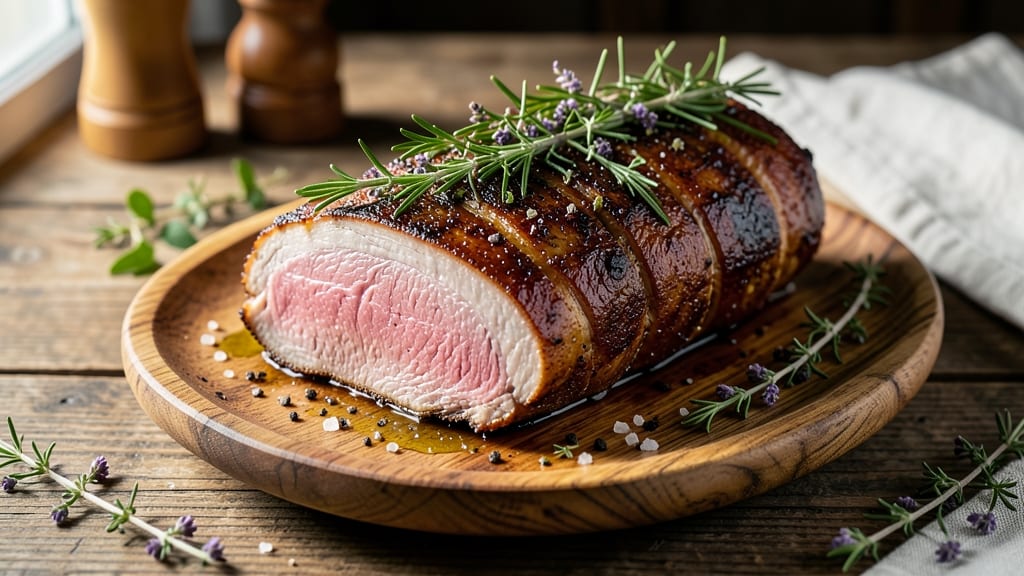
This boneless pork loin roast recipe from Pioneer Woman delivers restaurant-quality tenderness with a perfect crust and juicy core every time. The secret lies in a simple yet precise technique that transforms even the toughest cuts into melt-in-your-mouth perfection—no fancy equipment required.
I’ve tested this method countless times, and it never fails to impress, whether you’re feeding a family or hosting dinner guests.
The key to success is low-and-slow roasting paired with a dry brine that keeps the meat moist while developing a flavorful crust. Unlike recipes that rely on marinades or injections, this approach lets the pork’s natural juices stay locked in, ensuring a juicy interior that’s impossible to resist.
The recipe also includes a foolproof internal temperature guide, so you’ll never overcook or undercook the meat again.
What you’ll end up with is a tender, golden-brown roast that slices effortlessly and pairs beautifully with classic sides like roasted potatoes, applesauce, or a crisp green salad. The method is straightforward but yields professional results, making it ideal for weeknight dinners or special occasions.
Once you try this, you’ll wonder why you ever bought pre-made roasts.
For extra confidence, I’ve included tips on how to adjust cooking times based on your oven and a resting technique that ensures every bite is perfectly juicy. Let’s get started—your taste buds (and dinner guests) will thank you.
Ingredients for boneless pork loin roast recipe pioneer woman
Six ingredients transform tough pork into melt-in-your-mouth perfection—no shortcuts, just restaurant-quality results.
| Ingredient | Amount | Notes |
|---|---|---|
| Boneless Pork Loin Roast 🥓 | 4 lb | Center-cut for even cooking |
| Kosher Salt 🧂 | 2 tbsp | Diamond Crystal preferred |
| Freshly Ground Black Pepper 🌶️ | 1 tbsp | Coarse grind for texture |
| Extra-Virgin Olive Oil 🫒 | 2 tbsp | High-quality, fruity variety |
| Fresh Rosemary 🌿 | ½ cup | Chopped sprigs, stems removed |
| Fresh Thyme 🌿 | ¼ cup | Leaves only, finely chopped |
| Garlic Cloves 🧄 | 6 cloves | Smashed, not minced |
| Unsalted Butter 🧈 | ½ cup | Cold, cubed for basting |
| Honey 🍯 | 1 tbsp | For glaze, optional |
| Apple Cider Vinegar 🍎 | 1 tbsp | For glaze, optional |
| Red Wine 🍷 | ½ cup | Dry red, like Cabernet |
| Vegetable Oil 🫒 | 1 tbsp | For roasting pan |
| Fresh Parsley 🌿 | ⅛ cup | Chopped, for garnish |
The pork loin is non-negotiable here—center-cut ensures even tenderness, while 4 lbs feeds a crowd without leftovers. Grab it from the butcher counter if your store has one; they’ll trim it perfectly. Look for good marbling, not too much fat, and ask for it bone-in if you want extra flavor (though boneless is fine). The Diamond Crystal kosher salt is worth seeking out—it dissolves better than table salt, so every grain does its job. Fresh herbs? Trader Joe's or local markets have the best selection, but grocery store bunches work too if you chop them fresh.
No rosemary? Fresh thyme alone works, but the combo is magic. Short on time? Dried herbs at half the amount (so 2 tbsp dried thyme instead of 0.25 cup fresh). The red wine can be swapped for beef broth plus 1 tbsp balsamic vinegar—just as delicious. For the glaze, maple syrup works in a pinch, but honey adds that perfect balance. The butter should be cold and cubed—don’t let it melt before basting, or it’ll steam instead of crisp. And if you’re feeling fancy, add 1 tsp smoked paprika to the dry rub for depth.
This roast tastes even better the next day—3-4 days in the fridge, sealed tightly. For leftovers, slice thinly and reheat in a 350°F oven with a splash of water or broth. Freezes beautifully for up to 3 months; thaw overnight in the fridge. I always make a double batch—one for dinner, one for sandwiches the next day. The glaze keeps in the fridge for 1 week, so mix extra if you’re feeding a crowd.
Why You'll Love This Recipe
- No-Fuss Prep: I’ll be real—this roast takes five minutes to prep. Just a quick rub of olive oil, crushed rosemary, and kosher salt, then it’s in the oven while you finish whatever else you’re doing. No brining, no basting, no fuss.
- Herb-Crusted Magic: That rosemary and pepper combo? It clings to the pork like a dream, giving every bite a bright, fragrant punch without overpowering. The olive oil keeps it juicy while the crust gets just crisp enough—like a hug for your taste buds.
- Weeknight to Dinner Party: Same recipe, different vibes. Serve it sliced thin over a salad for a lazy Tuesday, or carve it for guests with zero extra effort. Honestly, my in-laws think I slaved over it, but it’s the same roast—just plated differently.
- Leftovers That Don’t Suck: Cold slices next day? Still tender, still packed with flavor. Toss them in sandwiches, grain bowls, or even pasta—no one will guess it’s not fresh. And because pork loin is leaner than a whole roast, it’s cheaper to feed a crowd without breaking the bank.
Step-by-step instructions for perfectly crisp roast with juicy core
Here's how to transform a simple pork loin into a showstopper with crispy edges and melt-in-your-mouth tenderness.
Prepare the Pork with Herbal Rub
Remove the pork loin from the refrigerator and let it sit at room temperature for 30 minutes. This ensures even cooking throughout. Pat the roast dry with paper towels—this step is non-negotiable for crispy skin. The drier the surface, the better the crust will develop.
In a small bowl, combine the 2 tbsp kosher salt, 1 tbsp freshly ground black pepper, 0.5 cup chopped fresh rosemary, and 0.25 cup chopped fresh thyme. Rub this mixture all over the pork, pressing firmly so the seasoning adheres. The herbs will infuse the meat with aromatic depth while the salt enhances the natural flavors.
For extra insurance against dryness, place the seasoned roast on a wire rack set over a rimmed baking sheet. This allows hot air to circulate underneath, promoting even browning and crisping. Let it rest in this setup while you prepare the oven.
Create the Basting Glaze and Preheat
In a small saucepan, melt the 0.5 cup unsalted butter over low heat until just softened. Remove from heat and stir in the 1 tbsp honey and 1 tbsp apple cider vinegar until smooth. This glaze will caramelize beautifully during roasting, adding depth of flavor and helping create that coveted crust.
Preheat your oven to 425°F with the rack positioned in the middle position. While it heats, rub the pork roast with the 2 tbsp extra-virgin olive oil, ensuring it's coated evenly. This oil helps the glaze adhere and promotes browning. Place the roast in the preheated oven and immediately pour the red wine into the empty roasting pan.
Here's the trick: as the pork roasts, the wine will reduce and create a flavorful pan sauce. This sauce will be ready to deglaze and finish with the 0.125 cup chopped fresh parsley at the end. Don't skip this step—it adds layers of flavor that elevate the dish.
Roast with Precision Timing
Roast the pork loin for 20 minutes at 425°F to get it started. After this initial sear, reduce the oven temperature to 325°F. This two-stage approach creates the perfect balance: a crisp exterior and a juicy interior. Every 20 minutes, baste the roast with the pan juices and glaze mixture.
Use a meat thermometer for accuracy. The pork is done when the internal temperature reaches 145°F in the thickest part of the roast. This should take about 1 hour 15 minutes to 1 hour 30 minutes total cooking time. The roast will continue cooking slightly after removal from the oven due to carryover heat.
Watch for color cues too: the exterior should be deep golden brown with crispy edges. If it's browning too quickly, tent loosely with foil to prevent over-browning while it continues to cook through. The internal temperature is your primary guide, but visual cues confirm doneness.
Rest and Serve with Pan Sauce
Transfer the roast to a cutting board and tent loosely with foil. Let it rest for 15 minutes before slicing. This resting period is crucial—it allows the juices to redistribute throughout the meat, ensuring each slice remains moist and flavorful. Skipping this step results in dry, disappointing pork.
While the pork rests, place the empty roasting pan over medium heat. Add the 1 tbsp vegetable oil and scrape up all the browned bits from the bottom with a wooden spoon. Pour in the reduced wine and simmer for 2-3 minutes until slightly thickened. Stir in the reserved glaze mixture and finish with the 0.125 cup chopped fresh parsley.
Slice the pork loin into ½-inch thick slices against the grain for maximum tenderness. Serve immediately with the pan sauce spooned over the top. The contrast of crispy edges and juicy interior, combined with the rich herb-infused flavors, makes this roast truly special.
Pro Tips For Making Boneless Pork Loin Roast Recipe Pioneer Woman
- SEAR THE SURFACE: After salting the pork loin, let it sit uncovered in the fridge for 30 minutes—this draws out moisture so the crust actually browns instead of steaming. I used to skip this, and my roast came out pale and bland. Trust me, the difference is noticeable.
- USE A THERMOMETER: Pork loin hits its sweet spot at 145°F internal temp—any higher, and it dries out fast. I learned this the hard way by eyeballing it and ending up with rubbery meat. A cheap instant-read thermometer is worth every penny here.
- ROAST LOW AND SLOW: Start at 375°F for the first 20 minutes to render fat, then drop to 325°F for the rest. This keeps the meat juicy without turning it into a science experiment. (Yes, even if you’re impatient like me.)
- BASIL FOR FINISHING: Skip the extra rosemary at the end—toss in a handful of fresh basil leaves when you pull it from the oven. The bright, herbal contrast cuts through the richness, and it’s the kind of upgrade that takes 10 seconds but makes a real difference. (Your future self will thank you.)
Troubleshooting this dish
Overcooked Pork Fix
If your pork loin reaches 145°F but feels dry when sliced, don’t panic! The key is to slice it against the grain into ¼-inch thick slices—this maximizes tenderness. Serve immediately with a pan sauce (from the reduced wine and butter) to add moisture.
For extra help, drizzle slices with 2 tbsp warm red wine reduction before serving. 💡
Undercooked Center
Uneven cooking often means your oven runs hot or the roast wasn’t at room temperature. Next time, let the pork sit out for 45 minutes before roasting. Use an oven thermometer to verify your oven’s accuracy—many run 25°F hotter than set.
If the center hits 135°F but needs more time, tent with foil and cook 10 minutes longer at 325°F.
Pale, Bland Crust
A pale crust usually means the pork wasn’t dry enough or the oven wasn’t hot enough. Pat the roast with paper towels until completely dry, then sear it for 10 minutes at 450°F before reducing heat to 325°F.
For extra crispiness, brush the exterior with 1 tbsp melted butter during the last 15 minutes of cooking. 🔥
Pan Sauce Too Thin
If your pan sauce is watery, it likely didn’t reduce enough. Next time, simmer the wine and scraps over medium-high heat until reduced by half (2-3 minutes). For thickness, stir in 1 tsp cornstarch mixed with 1 tbsp water at the end.
If you’re short on time, use ¼ cup beef broth instead of wine—it thickens faster.
Herbs Not Infusing
If your herbs taste like they’re just sitting on top, they weren’t rubbed in well enough. Next time, crush the rosemary and thyme sprigs slightly between your fingers before rubbing—this releases their oils.
For extra flavor, let the seasoned roast sit on the wire rack for 30 minutes at room temperature before roasting. This gives the herbs time to work their magic. 🌿
Oven Temperature Issues
Older ovens or uneven heating can cause hot spots. Rotate your roasting pan halfway through cooking to ensure even browning. For extra insurance, place a baking sheet on the upper rack to deflect heat.
If your oven runs hot, lower the temperature by 25°F and check the internal temp frequently. A $15 oven thermometer is a game-changer for consistency. ⚡
Nutrition facts
Frequently asked questions
Can I use a bone-in pork loin instead of boneless?
Bone-in pork loin will take slightly longer to cook—about 15-20 minutes extra—but the flavor will be even richer. Just remove the bone before slicing, and adjust your internal temperature goal to 145°F in the thickest part of the meat (not touching the bone). The bone helps retain moisture, so you may need to tent with foil if the exterior browns too quickly.
How do I adjust this recipe for a smaller or larger crowd?
This recipe scales beautifully. For 4 servings, reduce to a 3-lb roast and cut all other ingredients by 25%. For 8+ servings, go up to 5-6 lbs and increase seasonings by 50%. The key is maintaining a 1-inch thick roast—thicker cuts need longer cooking times. Always use a meat thermometer to avoid overcooking.
What's the best way to reheat leftovers?
Slice the pork into ½-inch thick pieces and reheat in a 350°F oven for 10-15 minutes with a splash of beef broth or red wine. For quick reheating, use the microwave on 50% power for 1-minute intervals, stirring between each. To revive crispiness, broil for 2-3 minutes at the end. Leftovers keep well for 3-4 days in the fridge.
Can I make this roast ahead of time?
Yes! Cook the roast completely, then let it cool before slicing. Store in an airtight container in the fridge for up to 4 days or freeze for 3 months. Reheat slices in a skillet with a little butter for extra flavor. For make-ahead convenience, prep the roast (season, oil, and refrigerate) up to 24 hours before cooking—just let it sit at room temperature for 45 minutes before roasting.
What's the secret to getting a crispy crust?
The magic is in the prep: pat the pork bone-dry before seasoning, and use a wire rack for even air circulation. For extra crispiness, sear the roast in a hot skillet for 2 minutes per side before transferring to the oven. The high-heat start (425°F) followed by reduced heat (325°F) creates that perfect textural contrast between crispy exterior and tender interior.