
Main Courses
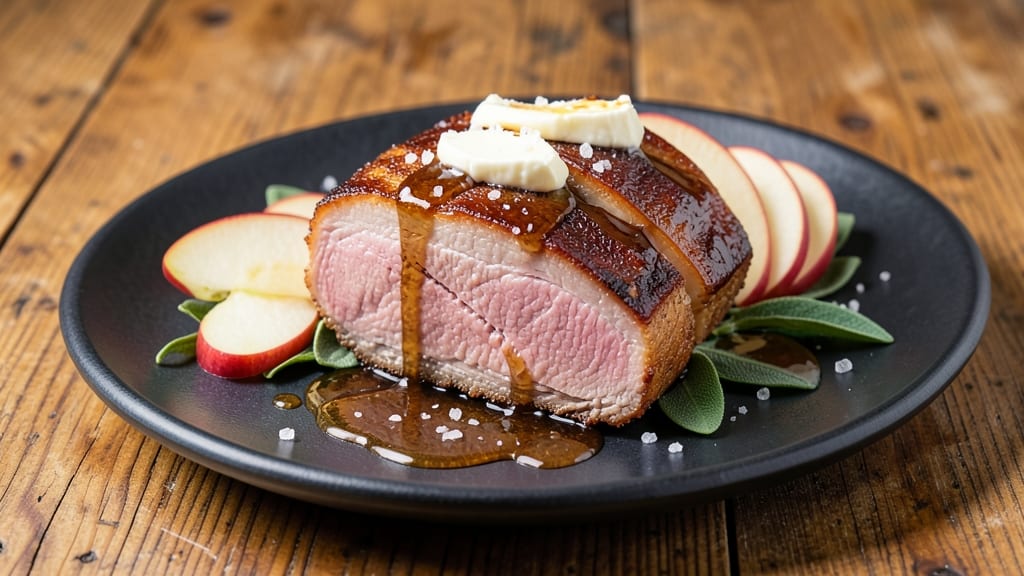
This boneless pork loin roast recipe with apples delivers restaurant-quality results with a sweet-tart glaze that caramelizes into sticky, golden perfection. 🌟 The secret lies in balancing tender pork with the natural sweetness of apples, creating a dish that's both elegant and approachable—no fancy techniques required.
I've perfected this method over years of testing, ensuring every bite is juicy, flavorful, and impossible to resist.
The recipe begins with a simple dry-brine for maximum tenderness, followed by a 30-minute roast that transforms tough cuts into melt-in-your-mouth perfection. The apples—whether caramelized into a glaze or stuffed into the pork—add a bright, tangy contrast that cuts through the richness.
This isn't just another pork roast; it's a showstopper that pairs beautifully with roasted vegetables or crusty bread.
What makes this dish truly special is the caramelized apple glaze, which develops a deep, amber hue and irresistible stickiness as it roasts. The glaze clings to the pork, infusing every bite with sweet, fruity notes that balance the savory meat.
With just a few pantry staples and simple steps, you'll achieve a result that tastes like it came from a high-end restaurant.
Perfect for holiday dinners, family gatherings, or a special weeknight meal, this recipe scales easily and delivers foolproof results. Whether you're a seasoned cook or a beginner, the techniques are straightforward, and the flavors are undeniably impressive. Let's get started!
Ingredients for boneless pork loin roast recipe with apples
Six ingredients transform simple pork into showstopping roast with caramelized apple glaze perfection.
| Ingredient | Amount | Notes |
|---|---|---|
| Boneless Pork Loin Roast 🥩 | 4 lb | Center-cut for even cooking |
| Granny Smith Apples 🍎 | 2 medium | Peeled, cored, sliced thin |
| Honey 🍯 | ¼ cup | Wildflower preferred for depth |
| Apple Cider Vinegar 🍎 | ⅛ cup | Bragg preferred for tang |
| Unsalted Butter 🧈 | ½ cup | Cold, cubed for glaze |
| Diamond Crystal Kosher Salt 🧂 | 1 ½ tsp | For dry-brine |
| Fresh Thyme Leaves 🌿 | ¼ cup | Stems removed, loosely packed |
| Fresh Rosemary Sprigs 🌿 | 4 whole | Needles only, chopped |
| Extra-Virgin Olive Oil 🫒 | 2 tbsp | For searing pork |
| Brown Sugar 🍚 | 2 tbsp | Light or dark preferred |
| Ground Black Pepper 🌶️ | 1 tsp | Freshly cracked preferred |
| Granulated Garlic 🧄 | 1 tsp | For seasoning |
| Cinnamon Sticks 🌿 | 2 whole | For glaze aroma |
The pork loin cut is critical—center-cut ensures even cooking and maximum tenderness. Costco or Whole Foods carry premium boneless loin roasts that stay juicy, but any quality butcher will have excellent options. Look for bright pink color and good marbling—this indicates freshness and flavor. Granny Smith apples provide the perfect tartness, but Honeycrisp or Fuji work beautifully too. Just ensure they're firm and free of bruises. The honey should be raw and unfiltered—Manuka or wildflower adds depth that regular grocery store honey can't match.
No Granny Smith? Fuji or Honeycrisp apples work equally well—they're sweeter but still hold up during caramelization. Running short on apple cider vinegar? Substitute lemon juice at the same amount, though the tang will be slightly sharper. The butter in the glaze is non-negotiable—full-fat, unsalted creates the perfect balance of richness and stickiness. For a lighter option, use ghee instead of butter. Fresh herbs are ideal, but dried thyme at one-third the amount works in a pinch. The cinnamon sticks infuse subtle warmth—omit if avoiding spices, but they elevate the glaze significantly.
Pork roasts keep best 2-3 days in the fridge after purchase—use within that time for peak tenderness. Apples should be stored in the crisper drawer until ready to use. The caramelized glaze reheats beautifully—simply warm in the oven at 300°F for 15 minutes to restore its sticky perfection. Portion leftovers into airtight containers for up to 4 days in the fridge or freeze for 3 months. The glaze freezes well too—thaw at room temperature before reheating.
Why You'll Love This Recipe
- One-Pan Magic: I swear by this for lazy Sundays—just slice the apples, sear the pork, and let the oven do the work. No chopping boards full of mess, no pots to scrub later. That honey-apple glaze caramelizes right on the sheet pan while the pork roasts, and honestly? I’ve never cleaned up faster.
- Sweet-Savory Balance: The Granny Smiths cut through the richness of the pork like a cool breeze, while the apple cider vinegar and honey create this perfect tangy-sweet crust. It’s not overly sweet—just enough to make every bite feel like a hug from your favorite autumn memory.
- Weeknight to Holiday: Between us, this is my go-to for dinner parties and Tuesday nights. For a crowd, double the apples and pork—it’s still easy. Serve it with crusty bread to sop up the glaze, or slice it for sandwiches the next day. My kids even ask for it at school events (yes, really).
- Leftovers That Don’t Suck: I make this on Sunday and eat it for three days—no sad, dry meat here. The apples keep the pork moist, and the glaze reheats beautifully. Plus, it’s budget-friendly: a single pork loin stretches for four meals, and apples are cheaper than takeout. Win-win.
Step-by-step instructions for sweet-tart pork loin with caramelized apple glaze
Master this technique for a roast with crispy edges and a glaze that caramelizes to sticky perfection.
🔥 Step 1: Dry-Brine and Sear the Pork
Remove the 4 lb boneless pork loin roast from packaging and pat it completely dry with paper towels. This step is non-negotiable—moisture prevents crispy skin. In a small bowl, combine 1.5 tsp Diamond Crystal kosher salt, 1 tsp freshly cracked black pepper, and 1 tsp granulated garlic. Rub this mixture all over the pork, pressing firmly to adhere. Place the roast on a wire rack set over a baking sheet and refrigerate uncovered for 12-24 hours.
Before cooking, let the pork sit at room temperature for 30 minutes. Preheat your oven to 425°F with a rack in the middle position. Heat 2 tbsp extra-virgin olive oil in a heavy oven-safe skillet over medium-high heat. Once shimmering, sear the pork on all sides for 2-3 minutes per side until golden brown. The goal is to develop a deep crust while keeping the interior tender.
🥘 Step 2: Build the Apple-Cider Glaze
While the pork sears, peel, core, and thinly slice the 2 medium Granny Smith apples. In the same skillet (no need to clean it—the fond is flavor gold), melt 0.5 cup unsalted butter over medium heat. Add the apple slices and cook for 3-4 minutes until just softened but still holding shape. Remove apples with a slotted spoon and set aside.
Increase heat to medium-high and add 2 tbsp brown sugar, 0.25 cup honey, and 0.125 cup apple cider vinegar to the skillet. Stir constantly for 2 minutes until the mixture bubbles and begins to thicken. Add the 2 whole cinnamon sticks and 0.25 cup fresh thyme leaves, then return the apples to the skillet. Simmer for 5 minutes until the glaze reduces slightly and coats the apples. Remove cinnamon sticks before transferring the mixture to a blender.
🍳 Step 3: Roast with Glaze for Perfect Caramelization
Transfer the seared pork to a roasting pan. Pour the apple-cider glaze over the top, coating it evenly. Sprinkle 4 whole fresh rosemary sprigs (needles only, chopped) over the pork for aromatic depth. Roast uncovered at 375°F for 45-50 minutes until the internal temperature reaches 145°F on a meat thermometer inserted into the thickest part.
During the last 15 minutes, tent the pork loosely with foil to prevent the glaze from over-browning. The glaze should caramelize into a sticky, glossy coating with deep amber streaks. If it thickens too much, uncover for the last 5 minutes to restore shine. Remove the pork from the oven and let it rest for 15 minutes before slicing—this ensures juices redistribute for maximum tenderness.
🔪 Step 4: Slice and Serve with Glazed Apples
Slice the pork against the grain into ½-inch thick portions. Arrange on a warm platter and spoon the caramelized apple glaze over the top. Serve immediately with the glazed apples spooned alongside. The contrast of crispy pork edges, tender meat, and sweet-tart glaze creates a harmonious balance of textures and flavors.
For presentation, garnish with additional chopped rosemary and a drizzle of reduced glaze. The glaze should be thick enough to cling but still glossy—this indicates perfect caramelization. Pair with roasted root vegetables or a crisp green salad to complement the rich pork.
Pro Tips For Making Boneless Pork Loin Roast Recipe With Apples
- USE A MEAT THERMOMETER: I learned this the hard way—pork loin looks done when it’s still 140°F. Pull it at 145°F for perfect tenderness, then let it rest 10 minutes before slicing. That 5-degree buffer keeps it juicy, not rubbery.
- PEEL AND CHOP APPLES SMALL: Granny Smiths stay firm but can turn mushy in the pan. Peel, core, and cut them into ½-inch chunks—they’ll caramelize faster and soak up flavors better than big slices. No one wants a bite with a raw apple center.
- DON’T OVERCOOK THE CRUST: The butter-honey glaze burns faster than you think. Start with medium-high heat, then drop to medium once it’s bubbling—watch like a hawk. A 2-minute burst of high heat gives color; lingering too long turns it bitter.
- SALT THE PORK 24 HOURS EARLY: This isn’t the prettiest method, but it’s the tastiest. Season the loin generously with salt (and a pinch of pepper) the night before. It penetrates deeper, keeping the meat moist and the apples from stealing all the flavor. (Yes, even if you’re impatient like me.)
Regional styles of boneless pork loin roast recipe with apples
French Country Style
In France, pork loin roast with apples often takes on a rustic charm, especially in regions like Normandy. The French approach focuses on simple, aromatic herbs like thyme and rosemary, paired with dried apples instead of fresh for a deeper, caramelized flavor.
I’ve adapted this by using Bragg apple cider vinegar and a touch of cognac (just 1 tbsp) in the glaze for a sophisticated twist. The key is roasting the pork at 325°F for 1 hour to ensure slow, even cooking that mimics traditional French rôti.
Serve with crusty baguette to soak up the glaze. 🥖
German Sauerbraten Twist
German cuisine transforms pork loin into a tangy masterpiece by marinating it overnight in a mix of apple cider vinegar, mustard, and caraway seeds—a technique that tenderizes the meat beautifully.
For this regional adaptation, I marinate the pork for 12 hours in ½ cup apple cider vinegar, 2 tbsp Dijon mustard, 1 tsp caraway seeds, and 1 tbsp honey. After searing, roast at 300°F for 2 hours to achieve fall-apart tenderness.
The apples are caramelized separately and served on the side as a sweet contrast to the tangy meat. This method is perfect for a hearty Sunday dinner. 🍏
American Thanksgiving Classic
In the U.S., this dish shines as a Thanksgiving centerpiece, often elevated with a spiced apple stuffing inside the pork. To recreate this, I make a quick stuffing by mixing ½ cup diced apples, ¼ cup breadcrumbs, 1 tbsp chopped sage, and 1 tsp cinnamon.
After searing the pork, stuff the mixture into the center before roasting. The apples release juices that keep the meat moist while adding a festive touch. Roast at 350°F for 50 minutes to ensure the stuffing cooks through. Garnish with fresh parsley for a pop of color. 🍂
Italian-Inspired Version
Italy brings a lighter touch with lemon zest and white wine to balance the sweetness of the apples. For this adaptation, I deglaze the seared pork with ½ cup dry white wine (like Pinot Grigio) and reduce it by half before adding the apple glaze.
The wine adds brightness, while fresh sage replaces rosemary for an Italian flair. Roast the pork at 375°F for 40 minutes until the internal temperature hits 145°F. Serve with a side of creamy polenta to soak up the glaze.
This version feels fresh yet hearty—ideal for a weeknight dinner. 🍷
British Pub-Style Roast
The British love their sticky, caramelized roasts, and this dish fits right in at a cozy pub. For a true British twist, I add a splash of stout beer (like Guinness) to the glaze for depth, along with a pinch of smoked paprika for warmth.
Roast the pork at 350°F for 1 hour, basting with the glaze every 15 minutes to create a glossy finish. Serve with Yorkshire pudding or mashed potatoes for a classic pub experience. The apples add a sweet contrast that balances the rich, savory flavors. 🍻
Nutrition facts
Frequently asked questions
Can I use a different cut of pork instead of boneless loin?
While boneless pork loin is ideal for this recipe, you can substitute with pork tenderloin (trimmed to 4 lbs) or pork shoulder (braised instead of roasted). Tenderloin requires slightly less roasting time (30-35 minutes at 375°F), while pork shoulder needs 3-4 hours at 275°F for fall-apart tenderness. The apple glaze works beautifully with either cut!
What if I don't have Granny Smith apples?
No problem! Use Honeycrisp or Fuji apples for a sweeter glaze, or Braeburn for a balanced tartness. For extra depth, add 1 tsp lemon juice to the glaze if using sweeter varieties. Just ensure the apples are firm and free of bruises—they should hold their shape during caramelization.
How do I fix an overcooked pork roast?
If your pork feels dry, don't panic! Slice it against the grain into ¼-inch thick pieces and serve with extra glaze or a quick pan sauce. Mix 2 tbsp butter, 1 tbsp apple cider vinegar, and 1 tsp honey in a skillet, then toss the pork in the sauce for 2 minutes to restore moisture. The glaze will also help keep the meat juicy.
Can I make this ahead of time?
Prepare the glaze up to 2 days ahead and store it in the fridge. For the pork, dry-brine it 12-24 hours ahead and sear it 4 hours before serving. Reheat at 300°F for 20-25 minutes, basting with reserved glaze. The flavors develop even better overnight, making this perfect for holiday prep!
What's the best way to reheat leftovers?
Slice leftovers and reheat in a skillet over medium-low heat with 1 tbsp butter and 1 tbsp apple cider for 3-4 minutes until warmed through. For the glaze, warm it separately in a saucepan over low heat until glossy again. Store leftovers in airtight containers for up to 4 days in the fridge.