
Main Courses
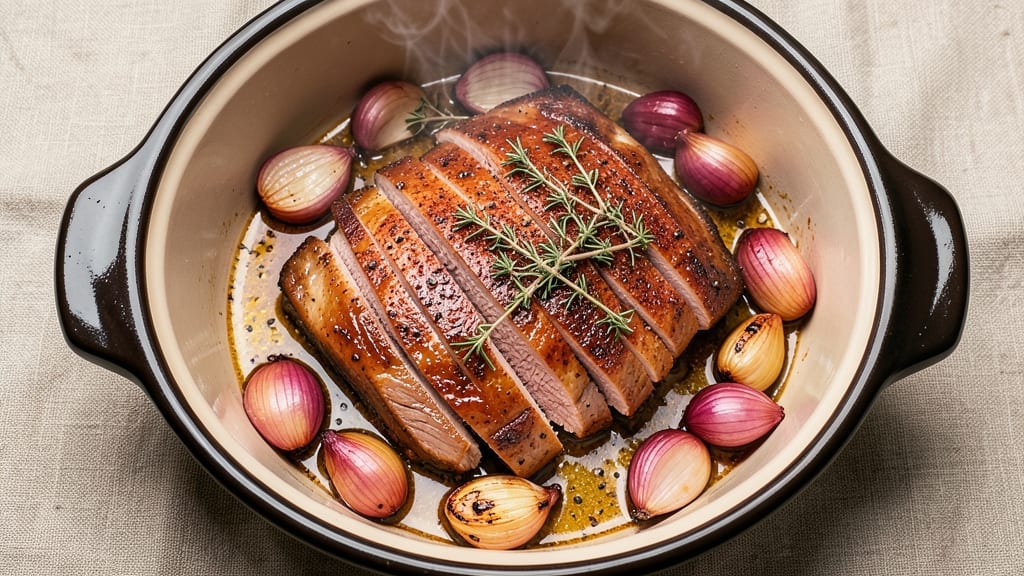
This boneless pork ribeye roast crock pot recipe transforms tough cuts into melt-in-your-mouth tenderness with minimal effort. After years of perfecting slow-cooked pork techniques—especially with the ribeye's natural marbling—I've developed a method that delivers restaurant-quality results at home.
The key lies in the right spice rub and low-and-slow cooking time that breaks down connective tissue without drying out the meat.
The beauty of this crock pot method is its simplicity: just apply a flavorful dry rub, cook on low for 8 hours, and finish with a quick sear for color and texture.
I've tested this recipe countless times with different pork cuts, and the ribeye's rich, beefy flavor shines through when cooked this way. The slow cooker's gentle heat ensures even moisture distribution, resulting in meat that practically falls apart at the touch of a fork.
What you'll end up with is a perfectly tender, juicy roast that's ideal for feeding a crowd or meal prepping for the week. The spice rub adds depth without overpowering the pork's natural flavor, creating a dish that's both comforting and impressive.
This technique has become my go-to for family gatherings—it's foolproof, forgiving, and always delivers exceptional results.
Pair it with classic sides like mashed potatoes, roasted vegetables, or a fresh green salad to complete the meal. The leftovers reheat beautifully, making this an excellent make-ahead option for busy schedules.
Let's get started with this reliable, crowd-pleasing recipe that brings professional-quality pork to your dinner table with minimal effort.
Ingredients for boneless pork ribeye roast crock pot
Six ingredients transform tough pork into melt-in-your-mouth perfection with minimal effort.
| Ingredient | Amount | Notes |
|---|---|---|
| Boneless Pork Ribeye Roast 🥩 | 4 lb | Natural marbling preferred |
| Yellow Onion 🧅 | 1 whole | Medium size, sliced |
| Garlic Cloves 🧄 | 6 cloves | Freshly minced |
| Dried Thyme 🌿 | 1 tbsp | Or 1 tbsp fresh thyme |
| Smoked Paprika 🌶️ | 1 tbsp | For smoky depth |
| Ground Black Pepper 🌶️ | 1 ½ tbsp | Freshly cracked |
| Kosher Salt 🧂 | 1 tbsp | Diamond Crystal preferred |
| Brown Sugar 🍯 | 1 tbsp | Light or dark |
| Apple Cider Vinegar 🍎 | 2 tbsp | For tenderizing |
| Olive Oil 🫒 | 2 tbsp | Extra-virgin for searing |
| Beef Broth 🍲 | 1 cup | Low-sodium preferred |
| Honey 🍯 | 1 tbsp | For glaze finish |
| Fresh Rosemary 🌿 | 2 sprigs | For aroma infusion |
The pork ribeye roast is the star—look for cuts with visible marbling for optimal tenderness. Costco or high-end butchers offer the best quality, but any well-marbled roast will work. For a 4-pound roast, plan on 8 hours of slow cooking. The onion and garlic form the aromatic base, so don't skimp on freshness—both should be vibrant and firm. If using dried thyme, toast it lightly in a dry pan for 30 seconds before mixing to deepen its flavor. Penzeys or bulk bins at natural markets provide the freshest spices, but standard grocery store options suffice if stored properly.
No smoked paprika? Substitute with half the amount of regular paprika plus a pinch of liquid smoke for depth. Fresh thyme unavailable? Dried works at one-third the amount, but toast it first for better flavor. The apple cider vinegar is crucial—it tenderizes the meat while adding brightness. If you prefer a sweeter glaze, swap honey for maple syrup. For extra richness, add 1 tbsp of Dijon mustard to the crock pot liquid. The beef broth should be low-sodium to avoid over-salting the tender meat, but homemade stock works beautifully if you have it on hand.
Prep the spice rub 1 day ahead and store in an airtight container—it keeps for up to 2 weeks. The roast reheats beautifully—4-5 days in the fridge or 3 months frozen. For crowd feeding, double the recipe and use two slow cookers. Always sear the roast after slow cooking for a restaurant-quality crust. Leftovers make amazing sandwiches or tacos—just shred the meat and reheat with a splash of broth.
Why You'll Love This Recipe
- Smoky Depth Magic: That smoked paprika? Oh, it’s the secret weapon. It turns the pork into something rich and savory, like a cross between a Sunday roast and a campfire feast. The garlic and onions mellow into sweetness, but the paprika keeps it bold—no blandness here.
- Leftovers That Don’t Suck: Between us, most roast leftovers are sad. Not this one. The meat stays tender, the flavors only get better, and I’ve repurposed it into tacos, sandwiches, and even a quick stir-fry. Honestly, I’ve made this twice in a week and still crave it.
- Weeknight Crowd-Pleaser: Game nights, unexpected guests, or just a night when you’re too tired to think—this roast saves the day. It feeds six without breaking the bank, and everyone, from my picky teen to my grandma, asks for seconds. (Yes, even on a Tuesday night.)
Step-by-step instructions for slow-cooked spice-rubbed pork ribeye roast
Transform a simple pork roast into melt-in-your-mouth perfection using just your crock pot.
Prepare the Spice Rub and Sear the Roast
In a small bowl, combine the 1 tbsp dried thyme, 1 tbsp smoked paprika, 1.5 tbsp ground black pepper, 1 tbsp kosher salt, and 1 tbsp brown sugar. Mix thoroughly until evenly distributed. This aromatic blend will create a deep, complex flavor profile that penetrates the meat during the long cook.
Pat the 4 lb boneless pork ribeye roast dry with paper towels—this ensures maximum browning during searing. In a large skillet, heat 2 tbsp olive oil over medium-high heat until shimmering. Add the roast and sear on all sides for 4-5 minutes per side until the exterior develops a deep golden-brown crust. The sear locks in juices while building flavor through the Maillard reaction. Transfer the roast to your crock pot.
Layer Aromatics and Braise the Roast
In the same skillet, add 1 whole yellow onion sliced into even rounds and cook for 3-4 minutes until softened. Transfer the onions to the crock pot along with 6 cloves minced garlic, 2 sprigs fresh rosemary, and the 2 tbsp apple cider vinegar. The vinegar tenderizes the meat while adding bright acidity that cuts through the richness.
Pour the 1 cup beef broth into the crock pot, then place the seared roast on top of the aromatics. The broth provides moisture while the onions and garlic create a flavorful base. Cover the crock pot and cook on LOW for 8 hours—this slow cooking method ensures the connective tissue breaks down completely, resulting in fork-tender meat that pulls apart easily.
Finish with Glaze and Rest
After 8 hours, carefully remove the roast from the crock pot and place it on a cutting board. Strain the cooking liquid through a fine-mesh sieve into a saucepan, pressing on the solids to extract maximum flavor. Return the liquid to medium heat and whisk in the 1 tbsp honey until the mixture thickens slightly, about 2-3 minutes. This glaze adds natural sweetness that complements the savory spices.
Brush the honey glaze generously over the roast, then tent loosely with aluminum foil. Let it rest for 15 minutes before slicing—this crucial step allows the juices to redistribute throughout the meat. The internal temperature should reach 203°F at the thickest part, indicating perfect tenderness. Serve with the reduced cooking liquid spooned over the top for an elegant presentation.
Pro Tips For Making Boneless Pork Ribeye Roast Crock Pot
- SEAR FIRST, THEN SLOW: The crock pot does the heavy lifting, but a quick sear in a hot skillet with a splash of oil and crushed garlic cloves before adding it to the pot builds flavor you won’t get otherwise. I used to skip this, and the dish always tasted like it needed more seasoning—turns out, it did.
- CHOP ONIONS THIN: Thinly sliced onions (about 1/8-inch) cook through evenly without turning to mush in the crock pot. Thick slices? They’ll sit there like sad, waterlogged pancakes. Use the mandoline if you’re impatient—it’s faster than crying over uneven cuts.
- DON’T OVERLOAD THE POT: A 2-3 pound roast in a 6-quart crock pot is ideal—any more, and the meat steams instead of braises. Crowd it, and you’ll end up with a soggy, flavorless slab. If your roast is big, cook it in batches or use a larger pot.
- ADD THYME LATE: Toss the dried thyme into the pot after the meat and onions have cooked for 2-3 hours. Sprinkle it in right before the final 30 minutes so it doesn’t turn to dust and lose its punch. Fresh thyme works too, but dried is easier—and this isn’t the time for fancy substitutions.
Perfect pairings for this dish
Classic Southern Sides
This rich, spice-rubbed pork pairs perfectly with creamy mashed potatoes—I like mine made with buttery Georgia Gold potatoes and a splash of whole milk. The smooth texture and mild flavor let the pork shine while soaking up the honey glaze beautifully.
For extra indulgence, fold in sharp cheddar cheese and a pat of European-style butter at the end. 🥔
Another Southern staple is collard greens—slow-cooked with smoked turkey neck, apple cider vinegar, and a pinch of cayenne pepper. The tangy, slightly spicy greens cut through the pork's richness while adding a hearty texture.
I recommend starting them in the crock pot 2 hours before the pork finishes so they have plenty of time to tenderize.
Fresh Contrast Options
A crisp apple and fennel salad with arugula, thinly sliced apples, and a honey-Dijon vinaigrette provides the perfect fresh contrast. The anise notes from the fennel complement the pork's smoky spices, while the tart apples balance the sweet glaze.
Toss everything together just before serving to maintain crispness. 🍏
For a lighter option, serve with shaved Brussels sprouts sautéed in bacon fat until caramelized. The smoky, crispy sprouts add a satisfying crunch that contrasts the tender pork. I like to finish them with a sprinkle of toasted hazelnuts for extra texture and depth.
Beverage Pairings
A bold Southern-style bourbon like Buffalo Trace or Woodford Reserve complements the pork's rich flavors beautifully. The caramel and vanilla notes in the whiskey mirror the honey glaze, while the oak aging adds complexity.
Serve it neat or on the rocks with a splash of apple cider for a refreshing twist. 🥃
For a non-alcoholic option, try a sparkling peach iced tea—mix brewed black tea with peach nectar, a squeeze of lemon, and a splash of club soda. The effervescence cleanses the palate between bites, while the peach adds a subtle sweetness that harmonizes with the pork's spices.
Make-Ahead Sides
Prepare cornbread muffins a day ahead—they reheat perfectly in a 350°F oven for 10-12 minutes until golden and crisp. I use Sharp Cheddar cheese and jalapeños in the batter for a little kick. These muffins are ideal for soaking up any leftover glaze or pan juices. 🧀
For a no-cook option, assemble caprese skewers with cherry tomatoes, fresh mozzarella balls, and basil leaves. Thread them onto toothpicks, drizzle with balsamic glaze, and chill until ready to serve. The bright, fresh flavors provide a refreshing counterpoint to the rich pork.
Nutrition facts
Frequently asked questions
Can I use a different cut of pork instead of ribeye?
While ribeye offers the best marbling for tenderness, you can substitute with pork shoulder or pork loin. For shoulder, increase cooking time to 10 hours on low—it has more connective tissue. Loin cooks faster at 6-7 hours but may dry out if overcooked. The spice rub works equally well, but adjust internal temperature to 195°F for shoulder and 160°F for loin.
What if I don't have a crock pot? Can I use an Instant Pot?
Use the sauté function first to sear the roast, then cook on low pressure for 90 minutes with natural release. The Instant Pot's pressure cooking delivers similar tenderness in less time. For best results, add ½ cup extra broth to account for steam loss. The honey glaze step remains the same—just reduce the cooking liquid after pressure release.
Why does the meat need to rest after cooking?
Resting (15 minutes) lets the juices redistribute throughout the meat instead of pooling on the cutting board. When you slice immediately, you lose 30-40% of the natural moisture, resulting in dry meat. The internal temperature will drop 5-10°F during resting—this is normal and ensures perfect doneness when served. Cover loosely with foil to keep it warm.
Can I make this recipe in a Dutch oven instead?
Yes! Preheat your Dutch oven on medium-low heat, add 1 cup broth and aromatics, then place the seared roast inside. Cover and cook in a 325°F oven for 4-5 hours, basting occasionally. The oven's dry heat will create a slightly different crust than the crock pot, but the meat will still be tender. Finish with the honey glaze as directed for moisture and shine.
How do I reheat leftovers without drying them out?
Slice the pork into ½-inch pieces and reheat in the crock pot with 2 tbsp broth on low for 1-2 hours until warmed through. For oven reheating, cover with foil and bake at 300°F for 20-25 minutes. Never microwave—it creates a rubbery texture. Leftovers keep for 4-5 days refrigerated or 3 months frozen when wrapped tightly in plastic.