
Side Dishes
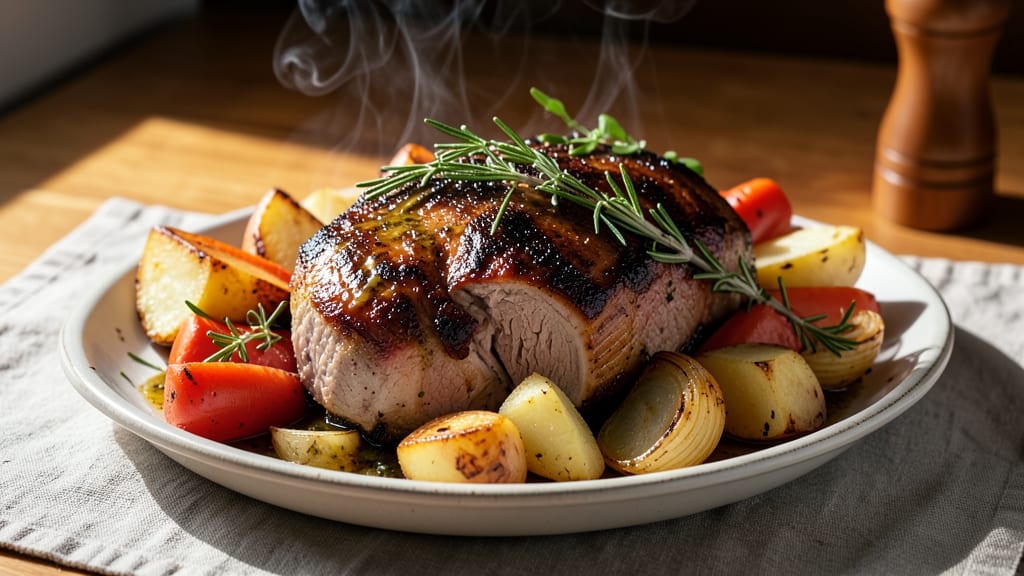
This boneless pork roast with vegetables recipe delivers restaurant-quality harmony in a single pan, combining tender pork with caramelized vegetables in a fragrant herb glaze.
After years of perfecting pork roasts in my Atlanta kitchen, I've developed a method that transforms simple ingredients into a showstopping weeknight dinner—where the pork stays juicy and the vegetables develop deep, sweet flavors without drying out.
The secret lies in a two-stage roasting process: first searing the pork to lock in juices, then basting with a blend of garlic, rosemary, and Dijon mustard that creates a golden, aromatic crust.
Vegetables like carrots, potatoes, and onions nestle alongside the pork, absorbing the pork's natural juices while developing caramelized edges. This technique ensures every bite delivers rich, savory pork paired with vegetables that taste like they've been simmering for hours.
What makes this recipe truly special is how it balances effort with results—just 45 minutes of active prep yields a dish that feels like it took all day to prepare.
The herb glaze adds layers of complexity without overwhelming the pork's natural flavor, while the vegetables achieve that perfect tender-crisp texture that makes them irresistible. This is the kind of meal that transforms a simple dinner into an occasion.
Perfect for family dinners, holiday gatherings, or when you want to impress without spending hours in the kitchen. The leftovers reheat beautifully, making it an ideal make-ahead option for busy weeks. Let's create this one-pan masterpiece that brings restaurant-quality flavor to your home table.
Ingredients for boneless pork roast with vegetables
Sixteen ingredients transform into a restaurant-worthy one-pan pork roast with caramelized vegetables.
| Ingredient | Amount | Notes |
|---|---|---|
| Boneless Pork Loin Roast 🥩 | 3 lb | Center-cut for even cooking |
| Yellow Onions 🧅 | 2 whole | Medium size, sliced into wedges |
| Carrots 🥕 | 1 ½ lb | Whole, peeled, cut into 2-inch pieces |
| Russet Potatoes 🥔 | 2 lb | Cut into 2-inch chunks |
| Garlic Cloves 🧄 | 8 cloves | Minced, for glaze |
| Fresh Rosemary 🌿 | ¼ cup | Finely chopped, stems removed |
| Dijon Mustard 🍯 | 2 tbsp | High-quality for depth of flavor |
| Extra-Virgin Olive Oil 🫒 | ½ cup | For basting and searing |
| Dry White Wine 🍷 | ½ cup | Sauvignon Blanc preferred |
| Chicken Broth 💧 | 1 cup | Low-sodium preferred |
| Salt 🧂 | 2 tsp | Diamond Crystal kosher salt |
| Black Pepper 🌶️ | 1 tsp | Freshly ground |
| Thyme Leaves 🌿 | 1 tbsp | Fresh, or 1 tsp dried |
| Fresh Parsley 🌿 | ¼ cup | Chopped, for garnish |
The pork loin is the foundation of this dish, and center-cut roasts are essential for consistent texture. Look for pieces with good marbling—Whole Foods or high-end grocery stores often carry superior quality. If you're unsure about the cut, ask your butcher for a boneless pork loin roast with even thickness. The vegetables should be fresh but firm; carrots with vibrant orange color and potatoes with smooth skin indicate freshness. For the herbs, fresh rosemary and thyme from the grocery store's produce section will elevate the dish significantly compared to dried substitutes.
No Dijon mustard? Yellow mustard at half the amount works in a pinch, though the flavor won't be as refined. Substituting white wine with extra chicken broth maintains moisture without altering the dish's essence. For the vegetables, substitute sweet potatoes for regular potatoes if you prefer a sweeter profile, or swap carrots for parsnips for a nuttier flavor. The garlic can be roasted whole in the oven for 10 minutes at 400°F before mincing to mellow its sharpness—worth the extra minute for a more complex flavor. If you're missing fresh herbs, dried thyme at one-third the amount is acceptable, but fresh is ideal for that aromatic punch.
This dish reheats beautifully—4-5 days in the fridge, 3 months frozen. For best results, store the pork and vegetables separately to maintain texture. The herb glaze can be prepped ahead and refrigerated for up to 3 days before roasting. When reheating, cover the pan with foil and warm in a 300°F oven for 15-20 minutes to preserve moisture. The leftovers make excellent sandwiches or salads—simply slice the pork thinly and layer with fresh greens. For a stress-free weeknight, double the recipe and freeze half for another meal.
Why You'll Love This Recipe
- One-Pan Magic: I swear by this for lazy nights—just toss the pork, onions, carrots, and potatoes on a sheet pan, drizzle with olive oil, and let the oven do the work. No chopping boards to clean, no pots to scrub.
- Garlic-Pork Perfection: That boneless pork loin stays juicy while the edges get just crispy enough, and the garlic? Oh, it infuses everything—tender meat, caramelized onions, even the potatoes soak it up. Honestly, the first bite makes me groan.
- Weeknight Hero: Between us, this is my go-to when I’m not in the mood to slave over dinner. Double the recipe for leftovers that reheat beautifully—perfect for packed lunches or when your partner "forgets" to grab takeout.
- Budget-Friendly Feast: A single pork loin stretches across multiple meals, and veggies like carrots and potatoes are cheap staples. I’ll be real: it’s the kind of dish where I end up feeding the neighbors because it’s that good—and filling.
Step-by-step instructions for one-pan herb-glazed pork roast
This method delivers perfectly tender pork with caramelized vegetables in a single pan.
Prep the Vegetables and Season the Pork
Start by preheating your oven to 400°F. While it heats, prepare the vegetables: peel and cut the 1.5 lb carrots into 2-inch pieces and slice the 2 whole yellow onions into wedges. Cut the 2 lb russet potatoes into 2-inch chunks—this size ensures even cooking and crispy edges.
Pat the 3 lb boneless pork loin roast completely dry with paper towels, then season generously with 2 teaspoons salt and 1 teaspoon black pepper on all sides. In a small bowl, combine 2 tablespoons Dijon mustard, 0.25 cup finely chopped fresh rosemary, and 1 tablespoon thyme leaves. Rub this mixture evenly over the pork, pressing it into the surface so it adheres well.
Sear the Pork and Layer Vegetables
Heat 0.5 cup extra-virgin olive oil in a large Dutch oven or heavy oven-safe skillet over medium-high heat until shimmering. Place the pork roast in the pan and sear for 4-5 minutes per side until deeply golden brown. Remove the pork and set it aside on a plate.
In the same pan, add the prepared vegetables in a single layer, spreading them out evenly. Cook for 5 minutes until the edges begin to soften and develop color. This step creates a flavorful base for the roast. Return the pork to the pan, nestling it among the vegetables.
Deglaze and Add Liquid Components
Pour in the 0.5 cup dry white wine and scrape up any browned bits from the bottom of the pan with a wooden spoon. This deglazing step captures all the flavorful fond. Let the wine simmer for 2-3 minutes until reduced by half, then add the 1 cup chicken broth and bring to a gentle simmer.
The liquid should come about halfway up the sides of the pork and vegetables. If it's too shallow, add a splash of water to ensure even cooking. Cover the pan with a tight-fitting lid and transfer it to the preheated oven.
Roast Until Perfectly Tender
Roast for 45-50 minutes at 400°F, then reduce the heat to 325°F and continue roasting for another 45-50 minutes until the pork reaches an internal temperature of 145°F (measured with a meat thermometer in the thickest part). The vegetables should be fork-tender with slightly crispy edges.
During the last 15 minutes of cooking, uncover the pan and increase the oven temperature to 425°F to allow the pork to brown and develop a glossy finish. You'll know it's ready when the pork releases easily from the pan and the juices run clear.
Rest and Garnish for Serving
Remove the pork and vegetables from the oven and let them rest together in the pan for 15 minutes. This resting period allows the juices to redistribute throughout the pork, ensuring each slice remains moist and flavorful. While resting, mince the 8 cloves garlic and stir them into the pan juices along with the 0.25 cup chopped fresh parsley.
Slice the pork into ½-inch thick medallions and arrange it on a platter with the vegetables. Spoon the garlic-infused pan juices generously over the top. Serve immediately with the vegetables surrounding the pork, allowing each bite to deliver the harmonious blend of herb-glazed pork and caramelized vegetables.
Pro Tips For Making Boneless Pork Roast With Vegetables
- Sear the Pork Hard: Get that pan screaming hot—think 450°F—and press the pork down for 3-4 minutes per side until it’s deep golden. I used to rush this, and the meat just steamed instead of building flavor. That crust locks in juices and turns bland pork into something worth braising.
- Cut Potatoes Uniformly: No small, no large—stick to 1.5-inch chunks for even cooking. Russets break down differently than Yukon Golds, so resist the urge to eyeball it. Uneven pieces mean some get mushy while others stay hard, and nobody wants that.
- Don’t Overcrowd the Pan: If your onions and carrots won’t fit in a single layer, cook them in batches. Crowding steams the veggies instead of caramelizing them, and you’ll end up with sad, waterlogged onions. Patience here means better flavor—trust me.
- Use Cold Butter for Veggies: Toss the chopped onions, carrots, and garlic in 2 tablespoons of cold butter before roasting. The fat melts slowly, basting the veggies as they cook and giving them that rich, buttery finish without burning. (Yes, even if you’re impatient like me.)
Serving suggestions for boneless pork roast with vegetables
Classic Plating
For an elegant presentation, arrange the sliced pork medallions in a fan shape on a large platter, with the caramelized vegetables surrounding them like a colorful border. I like to use a white ceramic platter to let the vibrant colors pop—especially the golden-brown pork and the deep orange carrots.
Garnish with fresh parsley sprigs and a drizzle of the garlic-infused pan juices for a restaurant-worthy finish. 🌟
Family-Style Serving
For a casual, interactive meal, keep everything in the Dutch oven and bring it straight to the table. Let everyone serve themselves with tongs, creating a cozy, communal dining experience.
I often add a side of crusty baguette slices for soaking up the juices, and a simple green salad with a tangy vinaigrette to balance the richness. This works perfectly for gatherings where the focus is on togetherness over formality.
Holiday Centerpiece
Transform this dish into a holiday showstopper by adding a touch of elegance. I like to arrange the pork slices on a bed of roasted Brussels sprouts or wild rice blend, then top with a sprinkle of toasted pecans> and a drizzle of balsamic glaze>.
Serve with a side of mashed sweet potatoes> and a glass of Chardonnay> to complete the festive spread. The herb glaze adds a sophisticated touch that feels special for celebrations.
Make-Ahead Presentation
If you're prepping ahead, store the cooked pork and vegetables separately in airtight containers> and reheat them in the oven at 300°F> for 15-20 minutes>.
To reheat gracefully, place the pork and vegetables on a baking sheet, cover with foil, and warm until everything is piping hot. Garnish with fresh herbs just before serving to keep everything looking fresh and vibrant. This is ideal for busy weeknights when you want a stress-free, impressive meal. ✨
Kid-Friendly Adaptations
For picky eaters, serve the pork and vegetables separately to avoid overwhelming them. Cut the pork into smaller, bite-sized pieces and arrange it on a colorful plate with the vegetables on the side.
I often add a fun touch by using cookie cutters to shape the potatoes into stars or hearts—kids love getting creative with their food! Pair it with a side of apple slices> or steamed green beans> for a balanced, kid-approved meal.
Garnish Like a Pro
Elevate your dish with simple yet impactful garnishes. A sprinkle of toasted sesame seeds> adds a nutty crunch, while a few edible flowers> (like nasturtiums) bring a pop of color.
For a smoky touch, finish with a pinch of smoked paprika> or a drizzle of truffle oil>. These small details make the dish feel luxurious without adding much effort. Trust me, it’s the little touches that turn a good meal into a great one. 💫
Nutrition facts
Frequently asked questions
Can I substitute other vegetables in this recipe?
Swap the carrots and potatoes for butternut squash or beets for a sweeter profile, or try bell peppers and zucchini for a lighter option. Just cut them to similar sizes (about 2-inch pieces) to ensure even cooking. The key is maintaining a balance of textures—aim for a mix of hard and soft vegetables.
How do I keep the pork from drying out?
The secret is the two-stage roasting and proper resting time. First, sear the pork to lock in juices, then roast at 400°F for 45 minutes before lowering to 325°F. Never skip the 15-minute rest—this lets the juices redistribute. For extra moisture, brush the pork with a little olive oil during the last 15 minutes of cooking.
Can I make this ahead of time?
Yes! Cook the pork and vegetables completely, then store them separately in airtight containers for up to 4-5 days in the fridge or 3 months in the freezer. Reheat covered in the oven at 300°F for 15-20 minutes. Garnish with fresh herbs just before serving to keep everything vibrant.
What's the best way to slice the pork?
Slice against the grain at a 45-degree angle into ½-inch thick medallions for maximum tenderness. Use a sharp knife and cut through the natural muscle fibers for the most succulent texture. For even slices, freeze the pork for 15 minutes before slicing—it makes the job easier!
Why does the recipe call for white wine?
The wine adds depth and acidity that balances the richness of the pork. If you prefer not to use alcohol, substitute with extra chicken broth or apple cider—just reduce the liquid by 25% since these won't evaporate as quickly. The wine also helps deglaze the pan, capturing all those flavorful browned bits.