
Side Dishes
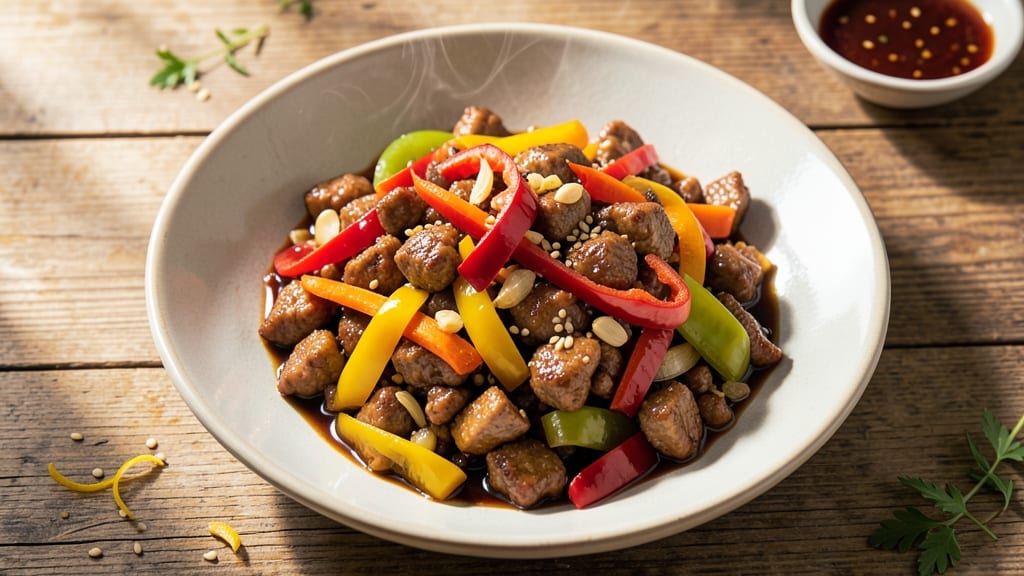
This minced pork and vegetables recipe delivers restaurant-quality depth in a single pan, blending tender protein with vibrant vegetables for a dish that’s equal parts comforting and sophisticated.
After perfecting this technique over years of cooking for crowds at The Smoky Pig, I’ve refined it to balance umami richness with bright, fresh flavors—no complicated steps required.
The secret lies in proper searing of the pork first, which builds deep flavor before the vegetables join for a harmonious stir-fry finish.
The beauty of this recipe is its versatility—adapt it to Asian-inspired stir-fry flavors with soy and ginger, or lean into Latin influences with cumin and smoked paprika.
I use a mix of bell peppers, carrots, and onions for natural sweetness that cuts through the pork’s savory notes, while garlic and a splash of fish sauce elevate the umami profile. The one-pan method keeps cleanup minimal while ensuring every bite is packed with texture and flavor.
What you’ll end up with is a dish that’s hearty enough for a main course but flexible enough to serve as a side—think crisp-tender vegetables wrapped in juicy, aromatic pork, all tied together by a glossy sauce.
The pork stays moist thanks to a simple marinade of soy and cornstarch, while the vegetables retain their crunch from just enough time in the pan. This is the kind of recipe that transforms simple ingredients into something extraordinary.
Serve it over steamed rice for a complete meal, or pair with crusty bread to soak up every last bit of the flavorful sauce. The technique scales effortlessly, making it perfect for weeknight dinners or larger gatherings.
Let’s get cooking—this dish is a game-changer for pork lovers and vegetable enthusiasts alike.
Ingredients for minced pork and vegetables
Transform simple ingredients into a restaurant-worthy stir-fry with this one-pan pork and vegetable masterpiece.
| Ingredient | Amount | Notes |
|---|---|---|
| Ground Pork 🥩 | 1 ¼ lb | Lean or regular, finely minced |
| Bell Peppers 🌶️ | 1 cup | Mixed colors, diced small |
| Carrots 🥕 | 1 cup | Julienned or thinly sliced |
| Yellow Onion 🧅 | 1 whole | Thinly sliced or diced small |
| Garlic Cloves 🧄 | 4 cloves | Minced or finely chopped |
| Soy Sauce 🥢 | ¼ cup | Light or all-purpose |
| Fish Sauce 🍶 | 1 tbsp | Red Boat preferred |
| Cornstarch 🌾 | 1 tbsp | For pork marinade |
| Vegetable Oil 🫒 | 2 tbsp | High smoke point |
| Sesame Oil 🫒 | 1 tsp | For finishing |
| Ginger 🌿 | 1 tbsp | Fresh, grated |
| Salt 🧂 | 1 tsp | Kosher or sea salt |
| Black Pepper 🌶️ | ½ tsp | Freshly ground |
| Green Onions 🧅 | 2 whole | Thinly sliced, for garnish |
The ground pork is the foundation—look for finely minced at the meat counter, not pre-ground from packages. Costco or Trader Joe's carry excellent quality, or ask your butcher to grind it fresh. For the vegetables, color matters: bell peppers should be firm with no soft spots, carrots should snap when bent, and onions should feel heavy for their size. If you're short on time, baby carrots and pre-sliced bell peppers work just fine—no need to peel them. The garlic? Fresh is non-negotiable—jarred minced garlic lacks the depth this dish needs.
No soy sauce? Coconut aminos works in a pinch, though it's slightly sweeter. Short on fish sauce? Oyster sauce or extra soy sauce can substitute, but reduce by half since they're more concentrated. The cornstarch is key for tender pork—don't skip it. For a Latin twist, swap sesame oil for smoked paprika and cumin (about 1/2 tsp each). The ginger should be freshly grated—bottled paste lacks the bright zing. If you're prepping ahead, store the marinaded pork separately from the vegetables to avoid sogginess.
This dish reheats beautifully—3-4 days in the fridge, or 3 months frozen. Portion into airtight containers with a thin layer of oil on top to preserve freshness. The vegetables will soften slightly when reheated, so keep the pork and sauce separate if you're serving it cold. For extra flavor, let the sauce reduce slightly before serving—simmer uncovered for 2-3 minutes on the stovetop. Garnish with green onions right before serving to keep them vibrant.
Why You'll Love This Recipe
- One-Pan Magic: I swear by this recipe when I’m too tired to wash extra dishes. Toss everything—pork, peppers, carrots, onion—into one skillet, and let the garlic and onions caramelize while you stir. No pots, no pans, just pure convenience.
- Savory Crunch Combo: Between us, the bell peppers and carrots stay delightfully crisp-tender while the pork gets just tender enough. That sweet-savory garlic punch? It’s the kind of flavor that makes you reach for seconds without even thinking.
- Lunchbox Hero: Honestly, this is my go-to for meal prep. Cook a big batch, let it cool, and portion it into containers—it’s hearty enough for lunch, easy to reheat, and my kids actually eat it (a win in my book).
- Budget-Friendly Staple: Ground pork stretches so far, and veggies like onions and carrots are dirt cheap. You’re looking at a filling, flavorful meal for under $10 that feeds four—and leftovers taste just as good the next day.
Step-by-step instructions for one-pan stir-fry with umami depth
This method delivers restaurant-quality texture and flavor in a single pan.
Prepare the Pork Marinade and Vegetables
In a medium bowl, combine the 1.25 lb ground pork with the 1 tbsp cornstarch, 1 tbsp grated ginger, 1 tsp salt, and 0.5 tsp black pepper. Mix thoroughly with your hands until the pork is evenly coated and the cornstarch creates a slightly sticky texture. This coating ensures your pork stays tender while developing a crispy exterior.
While the pork marinates, prepare the vegetables. Dice the 1 cup bell peppers into small, even pieces and julienne the 1 cup carrots into thin strips. Thinly slice the 1 whole yellow onion and mince the 4 cloves garlic. Keep all vegetables separate until ready to cook. The uniform size ensures even cooking and maximum flavor absorption.
Sear the Pork Until Browned
Heat 1 tbsp vegetable oil in a large skillet or wok over medium-high heat until shimmering. Add the marinated pork in small batches, breaking it apart as it cooks. Avoid overcrowding the pan—this prevents steaming and ensures proper browning. Cook for 3-4 minutes per batch until the pork is fully browned and cooked through, reaching an internal temperature of 160°F.
Remove the cooked pork and set it aside on a plate. Leave the rendered fat in the pan—this golden liquid contains concentrated flavor that will form the base of your sauce. If the pork releases too easily, it needs more time. If it sticks, your pan isn't hot enough—adjust the heat accordingly.
Stir-Fry the Vegetables
Add the remaining 1 tbsp vegetable oil to the skillet and increase heat to high. Add the onions first and stir-fry for 2 minutes until they begin to soften. Add the garlic and cook for 30 seconds until fragrant—don't let it burn, as it will turn bitter. Add the carrots and bell peppers, stirring constantly for 3-4 minutes until the vegetables begin to soften but still retain their bright color.
Here's the thing—you want the vegetables to stay crisp-tender, not mushy. Watch them closely and remove from heat as soon as they're just barely tender. The residual heat will continue cooking them slightly once you return the pork to the pan.
Combine and Simmer the Sauce
Return the cooked pork to the skillet and pour in the 0.25 cup soy sauce and 1 tbsp fish sauce. Stir well to combine, scraping up any browned bits from the bottom of the pan. These flavorful bits are called fond, and they're essential for building depth in your stir-fry.
Reduce heat to medium and let the mixture simmer for 2-3 minutes until the sauce begins to thicken slightly. You're looking for a glossy, slightly sticky consistency that coats the back of a spoon. If the sauce thickens too quickly, add 1-2 tablespoons of water to loosen it. The sauce should cling to the pork and vegetables without being overly watery.
Finish and Garnish
Drizzle the 1 tsp sesame oil over the stir-fry and toss gently to distribute evenly. The sesame oil adds a nutty aroma and rich flavor that complements the umami depth from the soy and fish sauces. Taste and adjust seasoning if needed—you might need a touch more soy sauce for saltiness or a splash of water if the sauce is too thick.
Divide the stir-fry among four serving plates and garnish each portion with the thinly sliced 2 whole green onions. Serve immediately while hot, accompanied by steamed rice or noodles. The dish should have a perfect balance of tender pork, crisp-tender vegetables, and a glossy, flavorful sauce that coats every bite.
Pro Tips For Making Minced Pork And Vegetables
- Preheat Pan Like It’s 1999: I learned this the hard way—skipping the preheat means your pork just sits there, greasy and sad, instead of sizzling properly. Crank that stove to medium-high, let the pan get hot enough to dance (yes, even if you’re impatient like me), then add the pork. That first sear locks in flavor and keeps the meat from turning into a gray, rubbery mess.
- Cut Veggies Uniformly or Regret It: Bell peppers and carrots should be diced into even ½-inch pieces—no big chunks, no tiny confetti. I used to eyeball it, and half the carrots would turn to mush while the peppers stayed crunchy. A sharp knife and a steady hand (or a mandoline if you’re fancy) make all the difference—your dish will cook evenly, and no one will be picking out undercooked bits.
- Don’t Rush the Garlic: After burning three batches, I finally figured out: low and slow is the only way with garlic. Once the pork’s browned, toss in the minced garlic and onions, then immediately drop the heat to medium-low. Stir constantly, or you’ll end up with bitter, blackened bits instead of fragrant, golden flavor. Patience here guarantees the whole dish smells amazing.
- Use Cold Pork for Better Texture: Sounds weird, but it works: take your ground pork out of the fridge 10 minutes before cooking, but don’t let it warm up. Cold pork browns more evenly and doesn’t release all its juices at once, so you avoid a greasy, watery pan. I skip this when I’m lazy, but the dish is noticeably better when I don’t—juicier, with a better crust.
Serving suggestions for leftovers
Rice Pairings
Steamed jasmine rice is my go-to for this dish—its delicate floral aroma and slightly sticky texture perfectly complement the umami-rich pork and vegetables. Cook 1 cup jasmine rice with 1.5 cups water and let it sit covered for 10 minutes after removing from heat.
The rice soaks up the flavorful sauce beautifully, creating a cohesive bite. For extra indulgence, serve with fried shallots sprinkled on top for crunch and aroma. 🍚
Noodle Options
For a heartier meal, pair with udon or ramen noodles—their chewy texture contrasts wonderfully with the tender pork. Cook 8 oz dried noodles according to package instructions, then toss with the stir-fry.
I love adding a splash of sesame oil to the noodles before combining to enhance the flavor profile. For a lighter option, try rice noodles which absorb the sauce without becoming soggy.
Bread Suggestions
Crusty baguette or sourdough makes an excellent side for soaking up the flavorful sauce. Warm slices in the oven at 375°F for 5 minutes to enhance their texture. Alternatively, serve with steamed mantou buns for a Chinese-inspired twist—cut them open and fill with the stir-fry for a handheld meal.
The contrast of soft bread with the crisp-tender vegetables is pure comfort food magic. 🥖
Garnish Ideas
Fresh cilantro or Thai basil adds a bright, herbaceous note that cuts through the richness. Chop ¼ cup cilantro and sprinkle over each serving just before eating.
For a smoky touch, add toasted sesame seeds—heat 1 tbsp seeds in a dry pan for 1 minute until fragrant, then sprinkle generously. A squeeze of lime wedges on the side provides a zesty contrast that elevates every bite.
Drink Pairings
For an Asian-inspired meal, a crisp green tea or jasmine tea cleanses the palate between bites. I recommend Jasmine Pearl tea from Harney & Sons—its floral notes complement the dish beautifully.
For beer lovers, a light lager like Peroni or a Japanese sake like Dassai pairs wonderfully, balancing the umami flavors without overpowering them. A chilled sparkling water with lemon is also a refreshing option. 🍶
Make-Ahead Serving
This dish reheats beautifully for meal prep—store in an airtight container for up to 4 days in the fridge. To serve, gently reheat in a skillet over medium heat with 1 tbsp water to restore moisture.
For a cold meal, serve over chilled rice noodles with a drizzle of hoisin sauce for a Vietnamese-inspired twist. Garnish with fresh herbs to keep it vibrant and fresh-tasting. The flavors actually deepen overnight, making leftovers even more delicious. ✨
Nutrition facts
Frequently asked questions
Can I use ground pork substitutes like chicken or beef?
While you can substitute chicken or beef, the texture and flavor will differ. Ground chicken stays moist but lacks the rich, savory depth of pork. For beef, use lean ground chuck (not too fatty) and reduce cooking time by 1-2 minutes since it browns faster. The cornstarch marinade works best with pork—omit it for beef, but add 1 extra tbsp soy sauce to compensate for its stronger flavor.
How do I prevent the vegetables from getting mushy?
Keep your pan at high heat and cook vegetables in batches if needed. Start with onions (they take longest), then add harder veggies like carrots, finishing with delicate peppers. Stir constantly and remove them as soon as they're just tender—they'll continue cooking with residual heat. For extra crunch, add bell peppers last and cook for only 1-2 minutes.
What's the best way to make this a one-pot meal?
Add 1 cup cooked rice to the pan during the final 2 minutes of simmering—it'll absorb the sauce beautifully. For a heartier version, use 2 cups cooked rice and reduce the sauce slightly longer. Alternatively, serve over pre-cooked rice in the same pot for easy cleanup. The rice should be dry enough to crisp slightly at the edges for texture.
Can I make this dish ahead of time?
Yes! Store components separately in an airtight container for up to 3 days. Reheat the pork and sauce first, then add fresh vegetables and cook for just 2-3 minutes to maintain crispness. For freezing, package the pork and sauce only (without veggies) for up to 3 months. Thaw overnight in the fridge and cook fresh vegetables when ready to serve.
Why does my pork turn out dry?
Overcooking is the most common cause—pork should reach 160°F but not cook beyond that. Use the cornstarch marinade and cook in batches to avoid steaming. If your pork releases too easily, it needs more time. For extra moisture, add 1 tbsp water during the final simmer and cover the pan for 1 minute to steam lightly.