
Main Courses
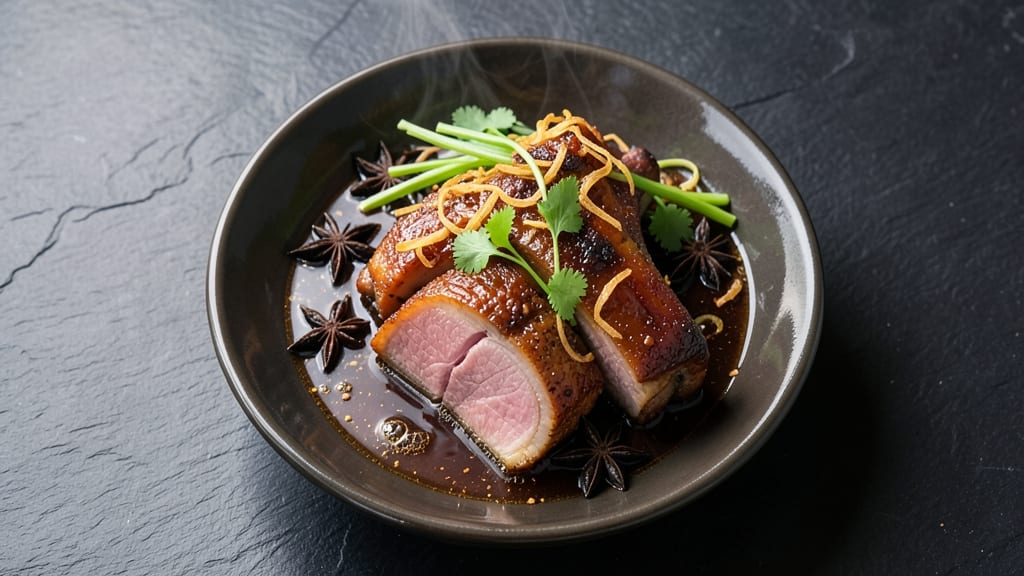
This Chinese braised pork leg recipe transforms tough meat into melt-in-your-mouth tenderness using a five-spice tamarind glaze that delivers deep umami richness. The secret lies in slow-cooking the pork with aromatic spices—star anise, cinnamon, and cloves—that infuse the meat with layers of warmth and complexity.
I developed this method after years of perfecting the balance between sweet, sour, and savory flavors that define regional Chinese braising techniques.
The process begins with a marinade that tenderizes the pork while building flavor, then transitions to a stovetop or oven braise that renders fat and concentrates the sauce into a glossy, caramelized glaze.
What you’ll end up with is fork-tender pork that practically falls apart, coated in a sticky-sauce that’s both vibrant and deeply aromatic. This is the kind of dish that transforms a simple meal into a restaurant-worthy experience.
Pair it with steamed jasmine rice to soak up every drop of that deep umami sauce, or serve alongside stir-fried bok choy for a complete, balanced meal. The aromatics alone—star anise, ginger, and tamarind—will fill your kitchen with the comforting scent of a home-cooked Chinese feast.
Whether you're feeding a family or preparing for a special occasion, this recipe delivers authentic, restaurant-quality results.
Cultural variations abound: Cantonese-style versions lean toward sweetness, while Sichuan adds a touch of heat. This recipe strikes a balance, making it versatile enough for any table.
The key is patience—allowing the pork to braise slowly until it reaches that perfectly tender state. Let’s get started on this timeless Chinese classic.
Ingredients for braised pork leg recipe chinese
Six aromatic spices and a tamarind glaze transform tough pork into melt-in-your-mouth perfection.
| Ingredient | Amount | Notes |
|---|---|---|
| Pork Leg (Bone-In) 🐖 | 4 lb | With skin, cut into even pieces |
| Tamarind Paste 🍈 | ½ cup | High-quality, unsweetened |
| Dark Soy Sauce 🥄 | ⅓ cup | For deep umami flavor |
| Shaoxing Wine 🍷 | ½ cup | Substitute with dry sherry |
| Chinese Five-Spice Powder 🌶️ | 1 ½ tbsp | Freshly toasted for warmth |
| Star Anise 🌟 | 2 whole | Lightly crushed for aroma |
| Cinnamon Sticks 🌿 | 2 whole | 2-inch pieces preferred |
| Cloves 🧄 | 4 whole | Lightly crushed |
| Fresh Ginger 🧅 | ½ cup | Thinly sliced, peeled |
| Garlic Cloves 🧄 | 6 cloves | Minced for depth |
| Rock Sugar 🍬 | ¼ cup | Or substitute brown sugar |
| Green Onions 🧅 | ¼ cup | Sliced, for garnish |
| Vegetable Oil 🫒 | ½ cup | High smoke point |
| Water 💧 | 2 cups | For braising liquid |
| Cornstarch 🌾 | 1 tbsp | For sauce thickening |
The pork leg is the star here—look for a cut with good marbling and visible fat cap for that restaurant-quality melt. Asian markets often carry the best bone-in cuts, but your local butcher can trim it for you. If you can't find tamarind paste, substitute with equal parts lime juice and brown sugar, though it won't have the same depth. The five-spice powder is non-negotiable—it's what gives this dish its signature warmth. Buy it whole from Penzeys or local spice shops and toast it lightly in a dry pan before using. Star anise and cinnamon sticks should be whole and plump, not brittle or dusty.
No Shaoxing wine? Dry sherry or even a splash of apple cider vinegar works in a pinch, though the flavor profile will shift slightly. For the ginger and garlic, fresh is always better, but if you're in a bind, powdered ginger at half the amount and jarred minced garlic will do. The rock sugar adds just enough sweetness to balance the tamarind's tartness—brown sugar or coconut sugar are good swaps. If you can't find green onions, regular onions or chives work fine for garnish. The vegetable oil should have a high smoke point; avocado or peanut oil are great choices if you want extra flavor.
This dish tastes even better the next day as the flavors meld together. Store leftovers in an airtight container for up to 5 days in the fridge, or freeze for 3 months for a quick meal later. I like to portion the pork into individual containers with some of the braising liquid—perfect for lunches. The sauce thickens as it cools, so if it's too thin when reheating, just simmer it uncovered for a few minutes. Double the recipe if you're feeding a crowd; it's that good.
Why You'll Love This Recipe
- One-Pot Magic: I swear by this—just sear the pork, dump in the tamarind and five-spice, then walk away. The bone-in leg renders its own juices, so you’re basically doing half the work while the flavors meld into something deep and rich.
- Umami Bomb: That dark soy and Shaoxing wine combo? It’s like a flavor grenade in the best way. The pork ends up sticky, glossy, and packed with a tangy-sweet punch that makes every bite feel like a little victory.
- Leftovers That Shine: Honestly, I make this on Sundays just to reheat all week. The pork stays tender and the sauce thickens into a glorious glaze—perfect for quick lunches or tossing into rice bowls when I’m too tired to think.
- Budget Hero: Bone-in pork leg is cheaper than cuts like tenderloin, and the spices (especially five-spice) stretch across multiple meals. I’ve served this at potlucks, family dinners, and even as a lazy Sunday brunch—no one ever questions why it’s on the menu.
Step-by-step instructions for Chinese braised pork leg with tamarind glow
This method delivers melt-in-your-mouth pork with a glossy, tamarind-brightened sauce that's rich yet balanced.
Prepare the Pork and Aromatics
Pat the 4 lb pork leg (bone-in) completely dry with paper towels—this is crucial for that signature crispy skin. Cut it into even pieces if needed, leaving the skin intact. In a small bowl, mix the 0.5 cup tamarind paste, 0.33 cup dark soy sauce, and 1.5 tbsp Chinese five-spice powder until smooth. This marinade will infuse the pork with deep umami and aromatic warmth.
While the pork rests, lightly crush the 2 whole star anise, 2 whole cinnamon sticks, and 4 whole cloves with a mortar and pestle or rolling pin. Thinly slice the 0.5 cup fresh ginger and mince the 6 cloves garlic. These aromatics will form the flavor base of your braising liquid, so don't skip the crushing—it releases their essential oils for maximum impact.
Sear the Pork for Depth of Flavor
Heat 0.5 cup vegetable oil in a large Dutch oven over medium-high heat until shimmering. Working in batches if needed, sear the pork pieces until deeply golden brown on all sides—this takes about 8-10 minutes total. Don't crowd the pan or the temperature will drop, preventing proper browning. The caramelized crust will dissolve into the braising liquid later, creating a complex, layered flavor.
Once browned, remove the pork and set it aside. In the same pot, add the ginger, garlic, and crushed spices, cooking for 1 minute until fragrant. This quick sauté releases their volatile oils before they burn, ensuring they contribute to the final sauce rather than bitterness.
Braise with Tamarind and Wine
Deglaze the pot with 0.5 cup Shaoxing wine, scraping up all the browned bits from the bottom—this is where the magic happens. Add 2 cups water and 0.25 cup rock sugar, then return the pork to the pot. The sugar will caramelize slightly, adding depth while balancing the acidity of the tamarind. Bring to a gentle simmer, then reduce heat to maintain a barely bubbling surface.
Cover and simmer for 2.5 hours, turning the pork occasionally to ensure even cooking. The sauce should reduce to a glossy consistency, coating the pork in a sticky, tamarind-infused glaze. If it looks too thin after 2 hours, uncover and simmer uncovered for 15-20 minutes to thicken further. The pork is done when it's fork-tender and pulls away from the bone with minimal resistance.
Finish with Cornstarch and Garnish
Transfer the pork to a serving platter and tent loosely with foil. In the same pot, whisk together the 1 tbsp cornstarch with 2 tablespoons of the braising liquid until smooth. Pour this slurry back into the pot and simmer for 2-3 minutes until the sauce thickens to a glossy, coatable consistency. The cornstarch binds the tamarind and soy beautifully, creating that signature silky texture.
Discard the star anise, cinnamon sticks, and cloves (unless you're serving them as a garnish for presentation). Stir in the sliced 0.25 cup green onions and spoon the sauce generously over the pork. Serve immediately with steamed jasmine rice and quick-pickled vegetables to cut through the richness. The contrast of bright, tangy flavors against the deep umami pork is what makes this dish truly special.
Pro Tips For Making Braised Pork Leg Recipe Chinese
- SEAR THE BONE FIRST: The pork leg’s bone isn’t just for show—it releases collagen that thickens the braise. Hit the meat side with a hot, dry pan until deep golden, then flip the bone-side down for 2-3 minutes. I used to skip this, and the sauce stayed thin no matter how long I simmered.
- DILUTE THE TAMARIND: Tamarind paste is sticky stuff—don’t just dump it in. Mix it with 2-3 tablespoons of warm water first, then whisk it into the braising liquid. After burning my first batch trying to scrape it off the pot, I learned: a smooth sauce starts with a smooth paste.
- LOW AND SLOW WINS: This isn’t the time for a rushed simmer. After the initial sear, cover the pot and cook on lowest heat for at least 3 hours—yes, even if the meat looks underdone. The bone-in pork needs time to fall apart, and rushing it leaves you with chewy, sad results.
- SAVE THE SHAOXING WINE: Add the Shaoxing wine after the pork is mostly cooked, not at the start. The alcohol burns off quickly, but if you toss it in too soon, you’re just wasting good wine. Pour it in during the last 30 minutes of cooking—it’ll mellow into the sauce instead of evaporating into the air.
Essential equipment for this recipe
Dutch Oven Essentials
A 5-7 quart Dutch oven is your best friend for this recipe—I swear by my Le Creuset Stoneware for its even heat distribution and sturdy construction. The deep sides prevent spills during braising, and the tight lid traps steam to tenderize the pork perfectly.
If you don’t have one, a heavy-bottomed stainless steel pot with a tight lid works too, though it may require more attention to heat control. 🔥
Wok for Searing
For the initial searing step, a 14-inch carbon steel wok is ideal because it heats up quickly and retains high temperatures even when crowded. If you’re using a wok, preheat it until it’s ripping hot before adding oil—this ensures that beautiful caramelization.
A flat-bottomed wok (like those made by Made In) works best on stovetops, while traditional round-bottomed woks need a wok stand or diffuser for even heat.
Mortar and Pestle
Crushing your star anise, cinnamon sticks, and cloves with a marble mortar and pestle (I love the Kuhn Rikon brand) releases their essential oils for maximum flavor impact.
If you don’t have one, a rolling pin or even the bottom of a heavy pan works in a pinch—just be sure to crush them lightly to avoid turning them into powder. This step is non-negotiable for that authentic Chinese depth of flavor. 🌟
Measuring Tools
Precision matters when balancing the tamarind paste, soy sauce, and sugar—a digital kitchen scale (like the OXO Good Grips) ensures accuracy, especially for the rock sugar and cornstarch. For liquids, a medicine dropper or squeeze bottle helps measure the Shaoxing wine and dark soy sauce without spills.
Trust me, these small tools make a big difference in achieving that perfect sauce consistency.
Tongs for Handling
Invest in a pair of long-handled tongs (I use Mercer Culinary’s 12-inch pair) to safely turn the pork in the Dutch oven without burning yourself. The long handles also help you work over the pot’s sides without spilling the braising liquid.
If you’re short on space, heat-resistant silicone spatulas (like OXO’s Good Grips) are great for stirring the sauce later on.
Optional: Instant Pot
For a quicker (though slightly less traditional) version, an Instant Pot can braise the pork in about 90 minutes on the High Pressure setting followed by a 10-minute natural release. Just add all the aromatics and liquid, seal the lid, and let it do the work.
The texture won’t be exactly the same as stovetop braising, but it’s a lifesaver for busy weeknights. 💡
Nutrition facts
Frequently asked questions
Can I substitute bone-in pork leg with boneless pork shoulder?
You can try, but the texture and cooking time will differ. Bone-in pork leg stays juicier longer due to the bone's natural moisture retention. For boneless pork shoulder, reduce cooking time by 30-45 minutes and monitor closely to avoid dryness. The skin also adds flavor—omit it if using boneless cuts, but add an extra 0.5 tbsp five-spice powder to compensate.
What's the secret to getting that glossy, sticky sauce?
The gloss comes from three key steps: simmering uncovered for the last 15-20 minutes to reduce the sauce, using cornstarch slurry at the end, and ensuring your tamarind paste is high-quality (not sweetened). The sugar caramelization during braising also creates that signature shine. Stir frequently in the final minutes to prevent sticking.
How do I adjust this recipe for a slow cooker?
Transfer all ingredients to a 6-quart slow cooker and cook on Low for 8 hours or High for 5-6 hours. Skip the initial searing—just brown the pork in a skillet first. The sauce may be thinner, so reduce it on the stovetop after cooking. Add 1 extra tbsp cornstarch if needed to thicken. The pork will be tender but slightly less caramelized than stovetop.
Can I make this ahead of time?
Yes! This dish tastes even better the next day as flavors meld. Store in an airtight container in the fridge for up to 5 days or freeze for 3 months. Reheat gently in a pot with a splash of water to restore moisture. For serving, simmer the sauce uncovered for 5 minutes to thicken it back up. The pork should be reheated slowly to 165°F to maintain tenderness.
What are common mistakes to avoid?
Don't rush the braising—2.5 hours minimum is non-negotiable for tender meat. Avoid overcrowding the pan during searing (browning is key!), and never skip crushing the whole spices—they need to release their oils. Finally, don't over-thicken the sauce early; let it reduce naturally first. The cornstarch slurry should only be added at the very end.