
Main Courses
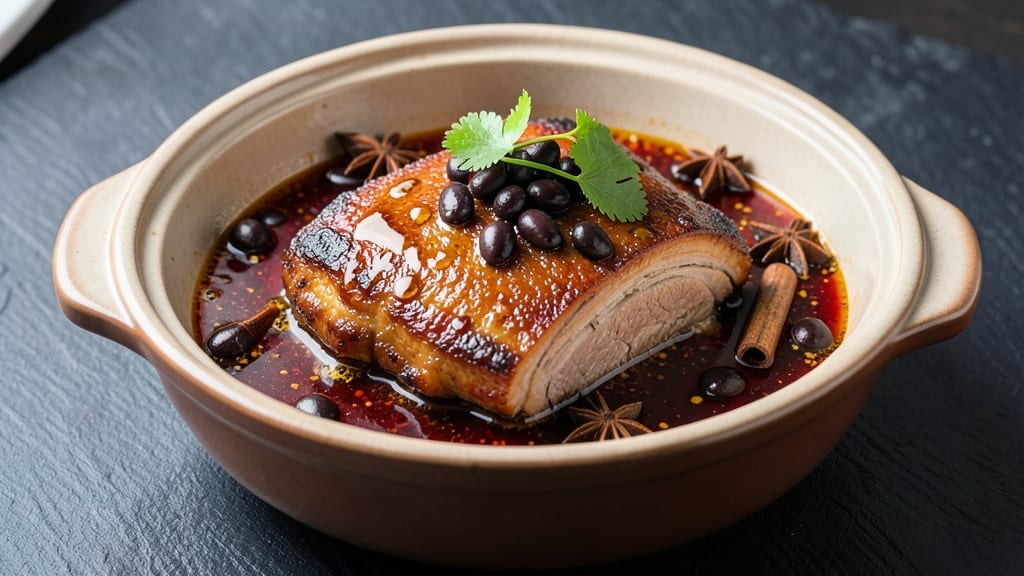
This Chinese-style braised pork recipe transforms tough cuts into melt-in-your-mouth perfection through a five-spice crust that locks in every juicy bite. 🔥 The secret lies in slow-cooking with red cooking wine, fermented bean paste, and star anise—a technique that builds deep, complex flavors over hours.
I first discovered this method while studying traditional Cantonese cuisine, and it's become my go-to for rich, restaurant-quality meals at home.
The process begins with a marinade that tenderizes the meat while infusing it with aromatic spices, then braises it until the sauce thickens into a glossy, caramelized glaze. This isn't just about flavor—it's about texture: crispy edges, tender meat, and a sauce so rich it coats every forkful.
The five-spice blend (star anise, cinnamon, cloves, fennel, and pepper) creates that signature Chinese warmth that elevates the dish beyond ordinary braised pork.
What makes this recipe special is its balance of simplicity and depth. While it requires patience—4 hours of slow cooking at 300°F—the hands-on time is minimal, making it perfect for weekend projects.
The result is a dish that's hearty enough for family dinners but elegant enough for gatherings, with a sauce that's equally delicious spooned over rice or served with steamed buns.
Serve it with jasmine rice to soak up every last drop of that glossy, spiced sauce, or pair it with stir-fried greens for a complete meal. The aroma alone will have everyone anticipating dinner, and the first bite delivers on that promise—rich, savory, and impossibly tender. Let's get cooking!
Ingredients for braised pork recipe chinese style
Five aromatic spices, tender pork, and hours of slow cooking transform simple ingredients into restaurant-quality braised pork.
| Ingredient | Amount | Notes |
|---|---|---|
| Pork Shoulder 🥩 | 2 lb | Bone-in for flavor, cut into 2-inch chunks |
| Red Cooking Wine 🍷 | ½ cup | Dry sherry or Shaoxing wine preferred |
| Fermented Black Beans 🫘 | ¼ cup | Rinsed well, drained |
| Star Anise Pods 🌿 | 4 whole | Lightly crushed |
| Cinnamon Sticks 🌿 | 2 whole | 2-inch length |
| Cloves 🌿 | 6 whole | Lightly crushed |
| Fennel Seeds 🌿 | 1 tsp | Toasted for aroma |
| Ground White Pepper 🌶️ | 1 tsp | Freshly ground preferred |
| Rock Sugar 🍬 | 2 tbsp | Or substitute brown sugar |
| Fresh Ginger | ½ inch | Peeled, sliced into thin coins |
| Fresh Ginger 🧅 | 2 tbsp | Finely grated, for marinade |
| Garlic Cloves 🧄 | 6 cloves | Smashed, not minced |
| Sesame Oil 🫒 | 1 tbsp | For finishing |
| Neutral Oil 🫒 | 2 tbsp | Peanut or vegetable oil |
| Green Onions 🧅 | 3 whole | White and green parts separated |
The pork shoulder is the star here—bone-in cuts develop richer flavor during braising. Look for well-marbled meat at Whole Foods or your local Asian market, where they often carry cuts specifically for braising. If you can't find fermented black beans, substitute with soy sauce or miso paste—just add them to the marinade instead. The five-spice blend (star anise, cinnamon, cloves, fennel, and pepper) should be whole spices whenever possible, lightly crushed to release flavor without overpowering. Penzeys or bulk bins at natural grocery stores are great sources for high-quality whole spices.
No red cooking wine? Dry sherry or even a splash of balsamic vinegar works in a pinch. The rock sugar can be swapped for brown sugar, but it won't caramelize as beautifully. Fresh ginger is non-negotiable here—dried loses its zing. If you're short on time, substitute with 1 tbsp ginger paste, but fresh is always better. The garlic should be smashed, not minced—this prevents it from turning bitter during the long cooking process. For the sesame oil, toasted sesame oil adds more depth than regular, but either will work. The green onions should be separated into white and green parts—the whites go into the braise, the greens are for garnish.
This dish tastes even better the next day, so plan ahead. Store the braised pork in its sauce in an airtight container in the fridge for up to 5 days, or freeze for 3 months. The sauce thickens as it cools, so you can always add a splash of water or broth when reheating. For serving, I like to portion the pork over steamed jasmine rice, then drizzle with extra sauce and a sprinkle of sesame oil. The leftovers make incredible sandwiches or fried rice the next day—just crisp up the pork in a hot pan before using.
Why You'll Love This Recipe
- One-Pot Magic: I swear by this recipe when I’m too tired to wash a million dishes. The pork shoulder simmers right in the same pot—no extra pans, no stress—just rich, sticky goodness that practically cooks itself while you sip tea.
- Umami Bomb: That fermented black bean paste? It’s the secret weapon. One spoonful turns plain pork into something deep, salty-sweet, and impossibly tender—like a hug in sauce form, especially when the star anise and cinnamon wake up the flavors.
- Leftover Luxury: Between us, this dish begs to be made in bulk. The flavors get better over time, and reheated slices? Perfect for quick lunches, rice bowls, or even stuffed in buns—no one will guess it’s yesterday’s dinner.
- Budget Hero: Pork shoulder is cheap, but it feels fancy. A few dollars’ worth of spices and wine transform it into a restaurant-worthy meal that still leaves me smiling when I check the grocery bill. (Yes, even on a Tuesday night.)
Step-by-step instructions for Chinese-style braised pork
Master this technique and you'll achieve tender, flavorful pork with a signature five-spice crust.
🔥 Step 1: Sear the Pork Shoulder for Deep Flavor
Heat a heavy-bottomed pot or Dutch oven over medium-high heat with the 2 tablespoons neutral oil. Add the 2 lb pork shoulder cut into 2-inch chunks, working in batches if needed to avoid crowding. Sear each piece for 3-4 minutes per side until deep golden brown—this creates the flavorful crust that locks in juices during braising.
Don't rush this step. You'll see the pork release easily from the pan when properly seared. Remove the pork and set aside, leaving all the browned bits in the pot—these are packed with flavor that will form the base of your sauce.
👨🍳 Step 2: Toast the Aromatics and Build the Spice Base
In the same pot, add the 6 smashed garlic cloves and 0.5-inch sliced fresh ginger. Cook for 30 seconds until fragrant. Add the 4 lightly crushed star anise pods, 2 cinnamon sticks, 6 lightly crushed cloves, and 1 teaspoon toasted fennel seeds. Stir for 1 minute until the spices sizzle and release their aromas.
This toasting step develops the complex spice profile that defines Chinese braised pork. The spices should smell warm, slightly sweet, and deeply aromatic—like a spice market in the morning. Immediately pour in the 0.5 cup red cooking wine and scrape up all the browned bits from the bottom of the pot with a wooden spoon.
🥘 Step 3: Simmer the Pork with Fermented Black Beans
Return the pork to the pot. Add 3 cups water (enough to come halfway up the pork), the 0.25 cup rinsed fermented black beans, 2 tablespoons rock sugar, and 1 teaspoon ground white pepper. Bring to a gentle simmer over medium-low heat, then reduce heat to maintain a barely bubbling state.
Cover the pot and simmer for 2 hours, turning the pork occasionally to ensure even cooking. The pork should be fork-tender with a rich, caramelized sauce. If the liquid reduces too much before the pork is tender, add ½ cup hot water to maintain the proper consistency.
🔪 Step 4: Finish with Fresh Ginger and Green Onions
Once the pork is tender, remove it from the pot and set aside. Strain the braising liquid through a fine-mesh sieve to remove the spices, then return the liquid to the pot. Add the 2 tablespoons finely grated fresh ginger and simmer for 2 minutes to infuse the sauce with fresh ginger flavor.
Return the pork to the pot and stir in the 1 tablespoon sesame oil. Taste and adjust seasoning with additional sugar or salt if needed. The sauce should be sweet, aromatic, and perfectly balanced. Garnish each serving with 3 whole green onions, sliced diagonally, for freshness and visual appeal.
Pro Tips For Making Braised Pork Recipe Chinese Style
- Sear the Pork Hard: Don’t just brown it—get that meat screaming in a hot wok or pan with 1 tablespoon of oil until deep golden, even if it sticks a little. I used to rush this, and the pork never held up during braising. The crust locks in flavor and keeps it tender.
- Rinse the Black Beans: Fermented black beans are salty—soak and rinse them first, or your braise will taste like a salt lick. I learned this the hard way when my first batch tasted like a Chinese restaurant’s "extra salty" warning label.
- Simmer, Don’t Boil: Keep the liquid at a gentle bubble, not a rolling boil, or the pork will toughen and the aromatics (star anise, cinnamon) will turn bitter. After 45 minutes, I check for a loose knife slide—if it’s not there, lower the heat and wait.
- Deglaze with Wine First: Pour in the red cooking wine before adding water or broth—let it sizzle and reduce by half to concentrate the flavor. I skip this shortcut, and the dish tastes like it’s missing something. (Yes, even if you’re impatient like me.)
Storing and reheating this dish
Fridge Storage Secrets
Let your braised pork cool completely before transferring to an airtight container—I use glass Pyrex with snap-on lids—and store in the fridge for up to 5 days. The sauce will thicken as it chills, so add a splash of water or broth when reheating.
I always portion mine into quart-sized containers for easy leftovers. The flavors actually deepen overnight, making it taste even better the next day. 🥥
Freezer Magic
For longer storage, freeze your braised pork in the same airtight container for up to 3 months. Leave 1 inch of headspace to prevent expansion cracks. When ready to eat, thaw overnight in the fridge—never microwave directly from frozen.
The texture stays tender, and the sauce remains rich. I label my containers with dates to track freshness. 🧊
Stovetop Reheating
My preferred method is stovetop reheating: place pork and sauce in a pot over medium-low heat, add ¼ cup water or broth, and simmer for 10-15 minutes until heated through.
Stir occasionally to prevent sticking. Taste and adjust seasoning—sometimes it needs a pinch of salt or sugar after reheating. The sauce should coat the back of a spoon. 🔥
Microwave Shortcut
For quick meals, cover the pork and sauce with a microwave-safe lid or damp paper towel, then heat on 50% power in 2-minute intervals, stirring between each.
This prevents drying out. If the sauce looks too thick, add 1-2 tablespoons water and stir. I avoid full power to preserve the tender texture. ⏱️
Leftovers Reinvented
Transform leftovers into pork fried rice by crisping the pork in a hot pan with 1 tbsp oil, then adding day-old rice, frozen peas, and a splash of soy sauce.
Or shred the pork for sandwiches with hoisin sauce and pickled veggies. The sauce makes an amazing dipping sauce for dumplings too. Get creative—waste not! 💡
Sauce Rescue Tips
If your sauce separates after reheating, whisk in 1 tbsp cornstarch mixed with 2 tbsp water and simmer for 2 minutes until thickened. For extra richness, stir in 1 tsp sesame oil or a pinch of white pepper.
The key is patience—never rush reheating, or the pork will dry out. Trust the process! ✨
Nutrition facts
Frequently asked questions
What cut of pork works best for this Chinese-style braise?
Use pork shoulder (bone-in, well-marbled) for the best results—it's tough enough to benefit from slow cooking but becomes incredibly tender. Avoid lean cuts like tenderloin, which will dry out. If you can't find pork shoulder, pork butt works equally well. The fat renders during cooking, creating a rich sauce.
Can I substitute any of the five-spice ingredients?
Yes, but adjust carefully. Skip star anise if you dislike its licorice note and add ½ teaspoon cinnamon instead. For fennel seeds, use ½ teaspoon aniseed or omit entirely. The key is maintaining balance—too much of any single spice can overpower. Pre-made five-spice powder works in a pinch, but whole spices develop deeper flavor.
Why does the recipe call for both fresh and dried ginger?
The ½-inch sliced ginger toasts with the aromatics to build depth, while the 2 tablespoons grated ginger added at the end provides bright, fresh flavor. This two-stage approach creates a complex ginger profile—warm and aromatic from the dried, zesty from the fresh. If you're short on time, double the grated ginger and skip the sliced.
How do I know when the pork is fully tender?
The pork should be fork-tender—easily pierced with minimal resistance. Press a fork into the thickest piece; if it falls apart cleanly, it's done. If you're unsure, check after 1 hour 45 minutes of simmering. Overcooking can make the meat dry, so monitor closely during the final 15 minutes of cooking.
What's the best way to serve this braised pork?
Pair it with jasmine rice to soak up the sauce, or serve over steamed buns for a handheld meal. For a complete dish, add stir-fried bok choy or quick-pickled cucumbers. The sauce also makes an excellent dipping sauce for dumplings or noodles. Garnish with extra green onions and a drizzle of sesame oil for freshness.